

Vintage Bronze Wall Sconces
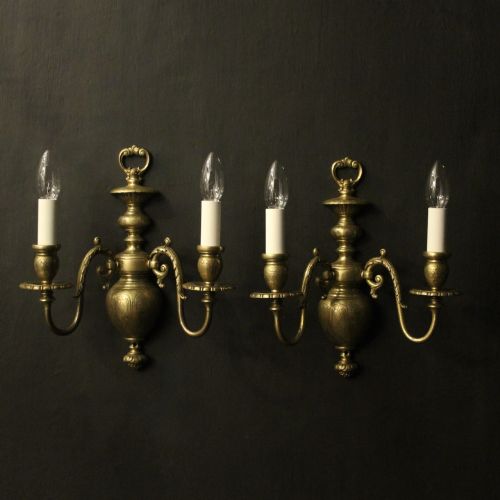
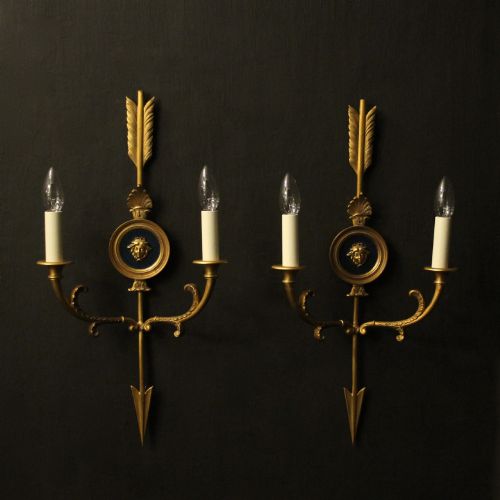
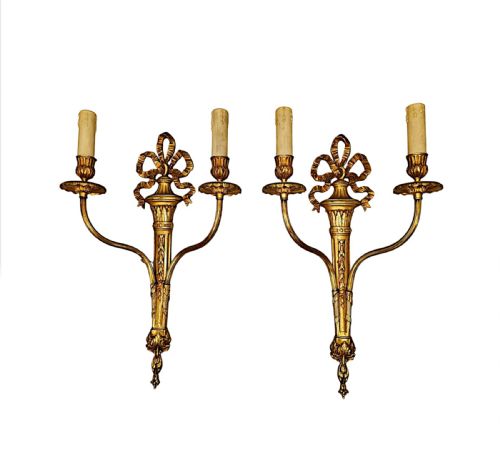
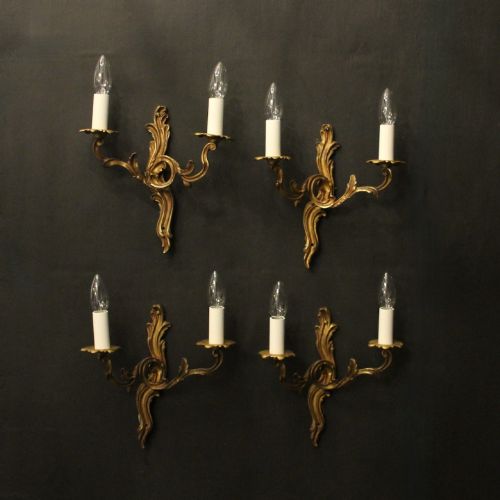
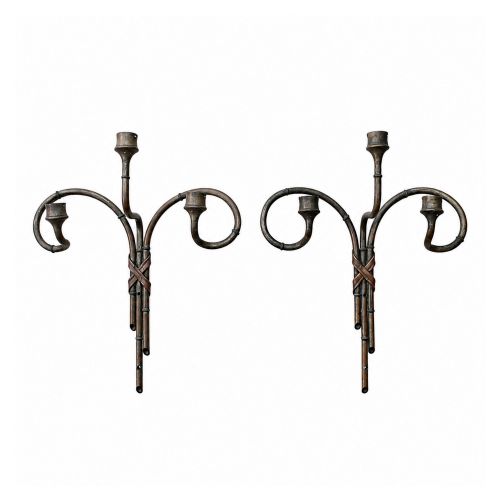
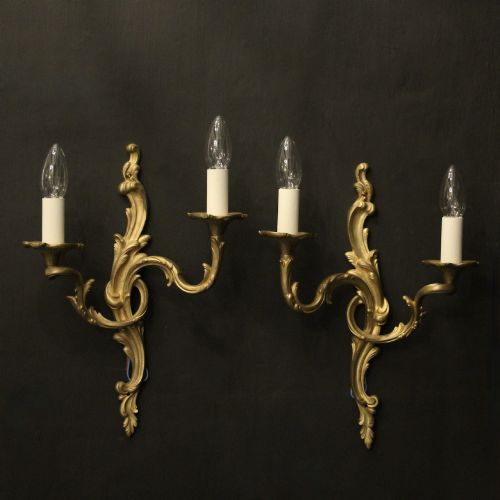
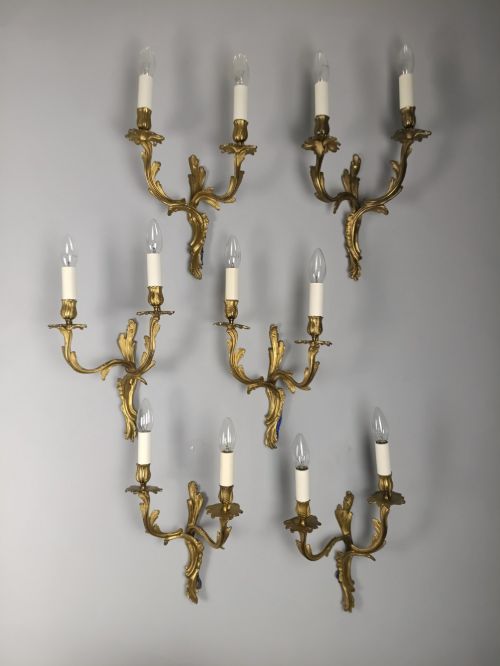
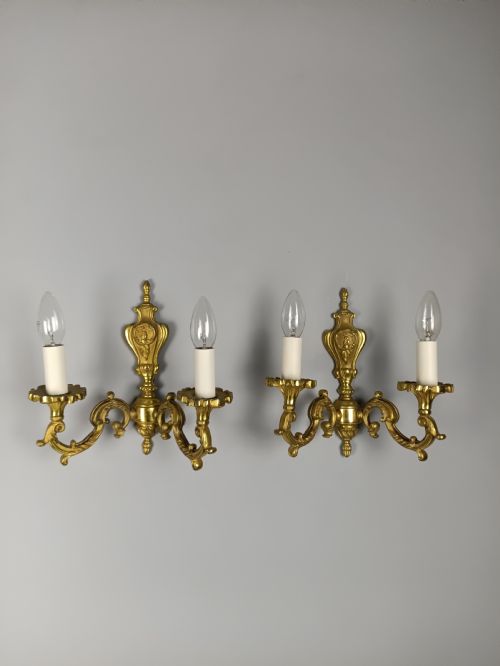
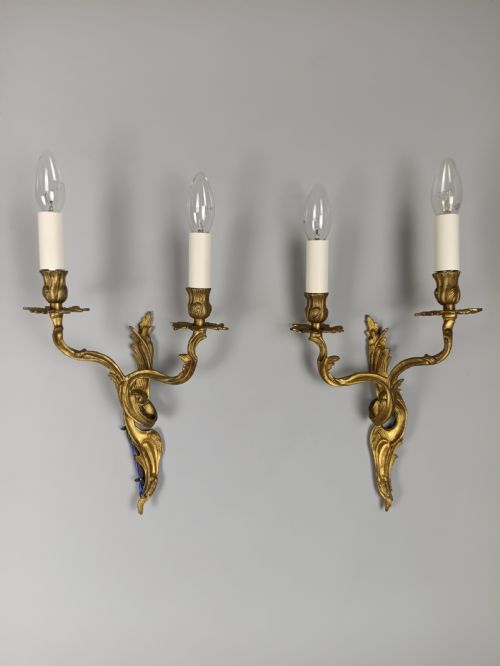
Vintage bronze wall sconces bring sculptural illumination and period character to a room, ranging from French Rococo pairs to English examples.
Vintage Bronze Wall Sconces
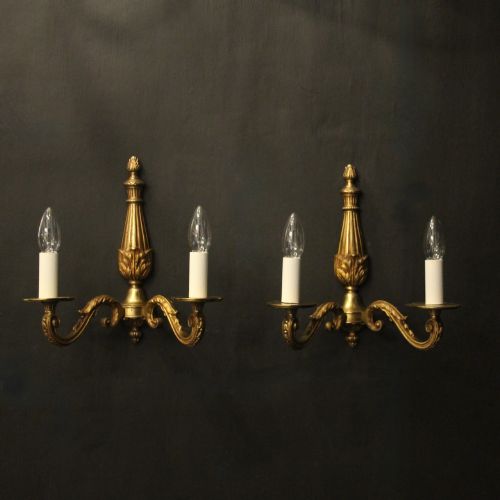
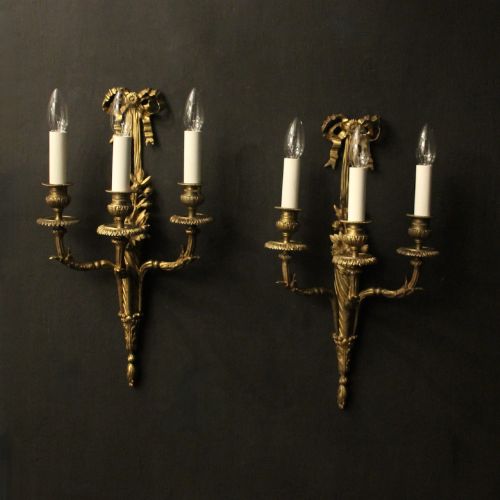
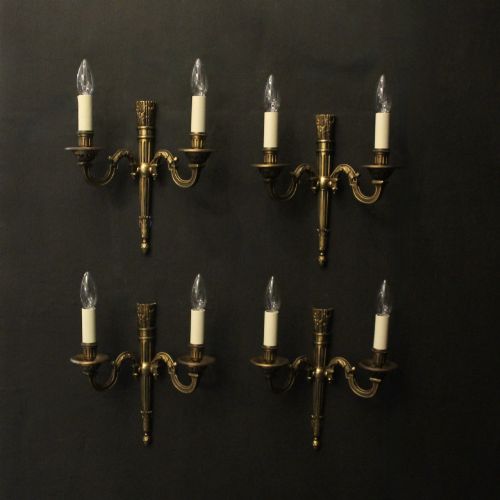
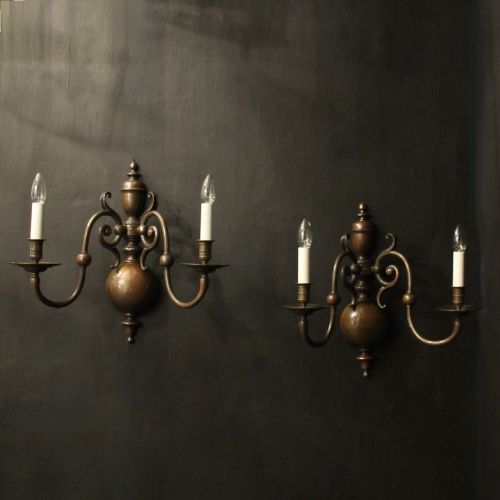
Vintage bronze wall sconces are lighting fixtures designed to mount directly onto vertical surfaces, providing both functional illumination and decorative presence. When searching this phrase, buyers encounter wall lights and appliques originating mainly from the nineteenth and early twentieth centuries. French origins dominate the selection, often taking the form of twin or triple arm fixtures.
How they were made
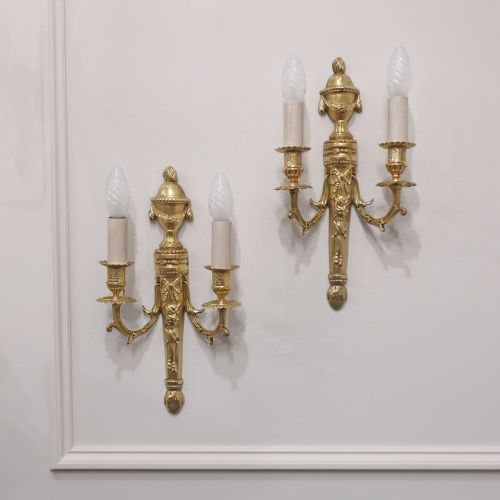
Makers utilised casting techniques to shape bronze, brass, and ormolu into intricate arms, backplates, and decorative motifs such as ribbons and cherubs. Metal components frequently received surface treatments including gilding, silver plating, or silvered bronze finishes to enhance their visual depth. Glass and crystal elements, along with porcelain flowers, appear integrated into specific torch and sconce designs.
Construction methods involved assembling multi-arm branches and lanterns designed to hold candles or electrical wiring. Many period pieces show evidence of modern rewiring to meet contemporary installation standards while retaining their original metalwork structure.
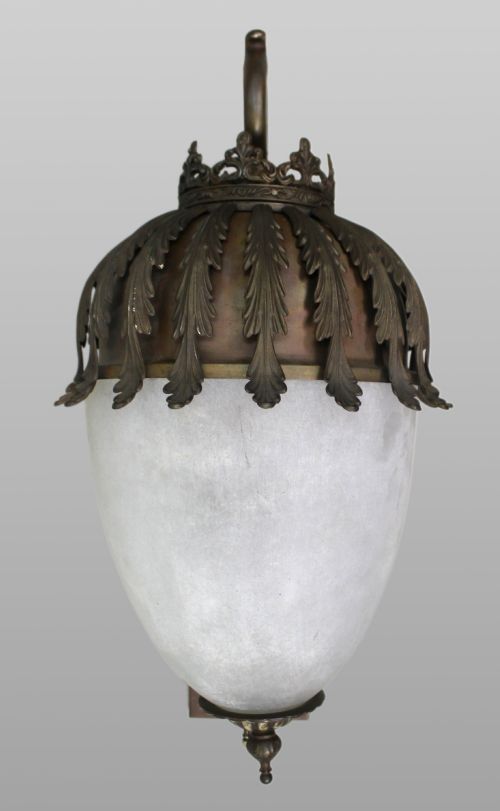
One notable lantern originated inside the Savoy Hotel in London, proving that even walls require proper hospitality.
What varies in quality
Quality in these fixtures is distinguished by the crispness of the metal casting and the depth of the chased detail on the bronze or ormolu surfaces. Heavier, more substantial metalwork with well-defined ornamentation separates standard production pieces from finer examples. The preservation of original gilding and the integration of delicate elements like crystal drops or porcelain additions further elevate the standard of a fixture.
Casier·Savoy Hotel London
The Vintage Bronze Wall Sconces Glossary
- Ormolu
- Gilded bronze, where a finely ground gold-mercury amalgam is applied to a bronze base. This technique creates a rich, matte gold surface finish typical of fine French decorative objects.
- Applique
- A wall-mounted lighting fixture designed to hold candles or electric lamps. The term is frequently used interchangeably with wall sconce in continental designs.
- Rococo Revival
- A nineteenth-century stylistic movement characterised by asymmetrical C-scrolls, naturalistic plant motifs, and ornate shell forms. This aesthetic heavily influences many nineteenth and early twentieth-century wall lights.
- Neo-Classical
- A style drawing inspiration from classical antiquity, featuring symmetrical lines, urns, flaming torches, and geometric motifs. It provides a formal contrast to curved Rococo designs.
Vintage Bronze Wall Sconces: Frequently Asked Questions
How were they used?
These fixtures provided ambient and task lighting in hallways, reception rooms, and grand hotel interiors. Pairs and larger sets were positioned symmetrically around architectural elements like mirrors or fireplaces.
They served both a practical purpose for illumination and a decorative role to display metalwork craftsmanship.
How do I live with them?
Living with vintage sconces involves integrating period metalwork into modern interior spaces as accent lighting. Many examples arrive rewired for standard electrical installation while preserving their historical appearance.
Their scaled proportions suit placement beside mirrors or along corridor walls to add warm, layered illumination.
How do I tell periods apart?
Periods are distinguished by stylistic details, such as the curved scrolls of nineteenth-century Rococo revival pieces versus the straight, formal lines of Neo-Classical or Empire designs. Materials also provide clues, with heavier ormolu and distinct casting techniques pointing toward specific nineteenth-century manufacturing traditions.
Twentieth-century examples often incorporate cleaner geometric lines or simpler branch configurations.