



Vintage Bronze Vessel
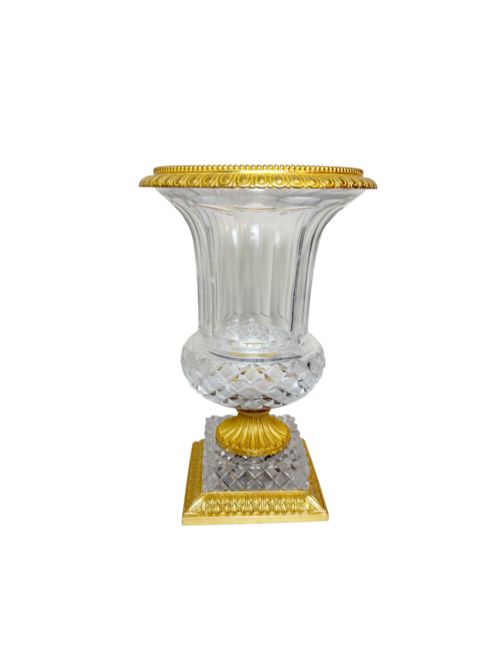
These vintage bronze vessel pieces bring centuries of metalwork traditions, from Japanese ritual vases to English mortars, directly into your home.
Vintage Bronze Vessel
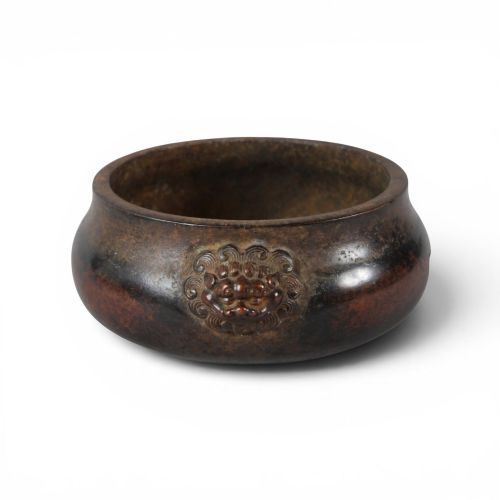
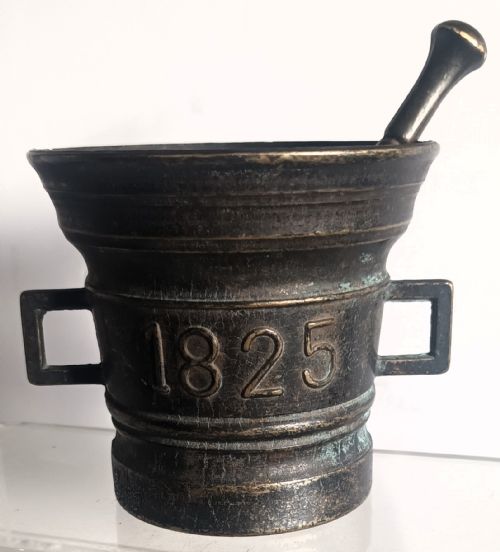
A vintage bronze vessel encompasses a diverse array of utilitarian and decorative objects shaped from metal across several centuries. When searching for this phrase, collectors encounter forms ranging from heavy apothecary mortars and ships bells to ornate Japanese jardinières and Chinese ritual censers.
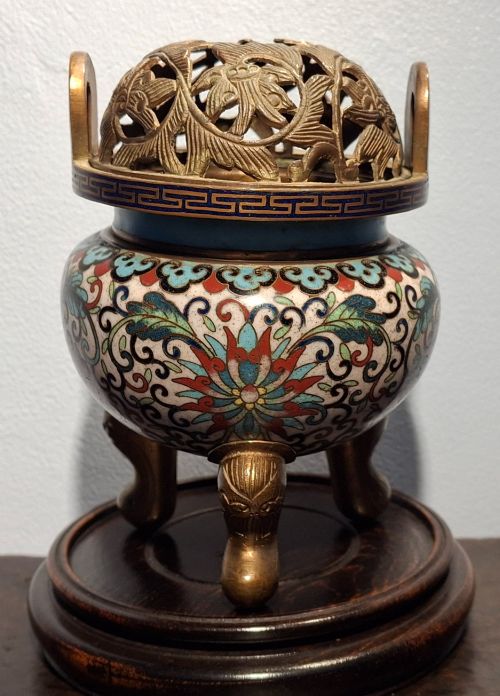
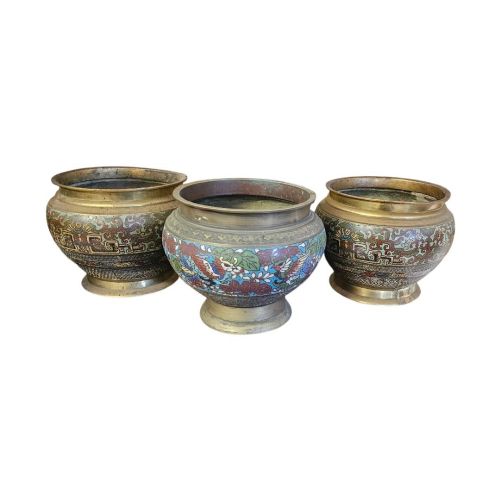
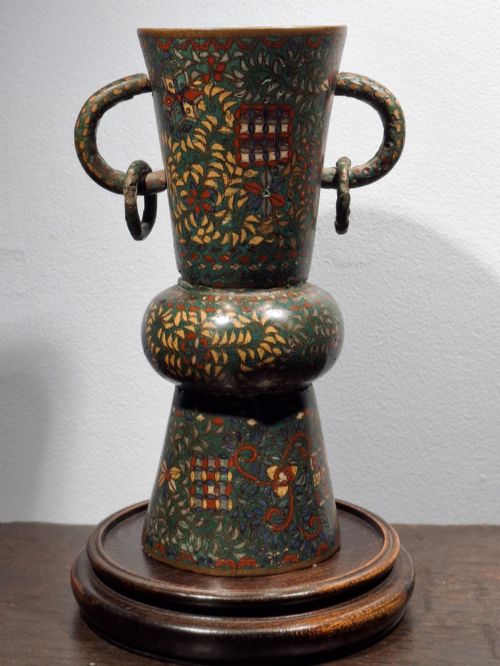
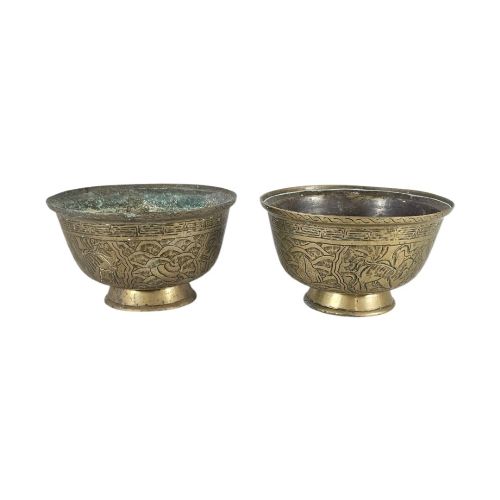
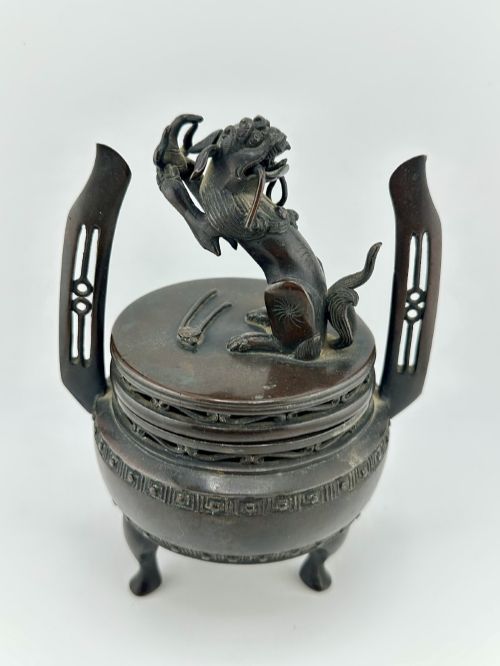
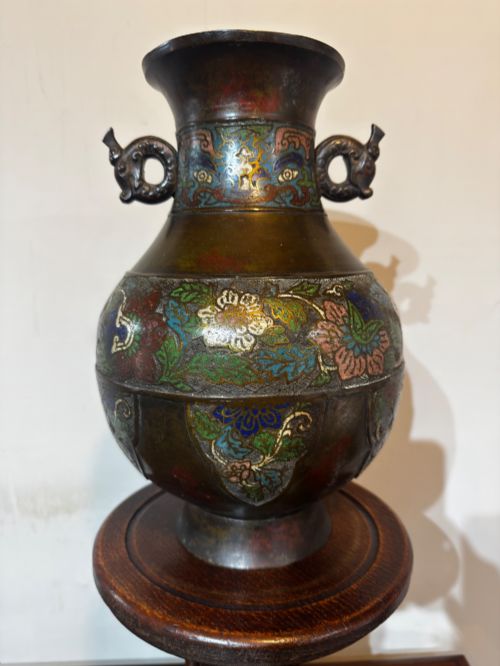
The selection on this page leans heavily towards Asian antique metalwork, specifically Chinese and Japanese production from the nineteenth and early twentieth centuries. Pieces such as cloisonné enamel vases, bronze bowls, and tripod censers dominate the available selection alongside domestic European items like Georgian pestles.
How they were made
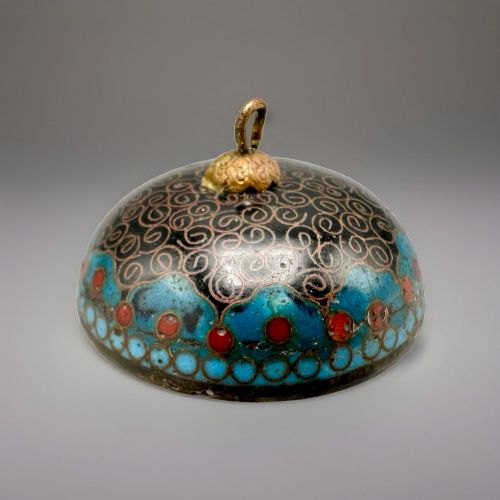
Metalworking techniques rely heavily on traditional casting methods, often utilising copper alloys combined with surface ornamentation. Artisans applied decorative enamel techniques such as cloisonné and champlevé, welding thin wire partitions or carving recesses into the metal body to hold coloured vitreous pastes.
Surface finishes vary from polished metallic sheens to intentional patination and gilding. Japanese and Chinese workshops frequently integrated silver, gold, and enamel elements into the primary bronze structure, while European makers focused on utilitarian solidity through sand casting.
Vintage Bronze Vessel Retail Price Guide 2026
Typical asking prices for vintage bronze vessel among the pieces listed under this phrase on Sellingantiques today, from the lower quarter to the upper quarter. They describe what is for sale here now, not the wider market.
Listings feature items spanning the seventeenth century through to the mid-twentieth century, encompassing both European domestic pieces and Asian export wares.
What varies in quality
Quality in these metal objects rests on the crispness of the casting and the precision of the decorative inlay. Superior examples display intricate, uniform enamel work and well-balanced proportions without distortion in the vessel walls.
Weight and material density signal the grade of the piece, as heavier scholar censers and large jardinières demonstrate a substantial allocation of metal. The integrity of the original patination and the survival of fine details, such as animal finials or applied handles, dictate desirability.
Kibundo
The Vintage Bronze Vessel Glossary
- Cloisonne
- An enamelwork technique where thin metal wires form raised barriers on the vessel surface to create separate compartments for coloured paste. These compartments are subsequently fired and polished smooth.
- Champleve
- A method of decoration where troughs or cells are hollowed directly into the bronze surface and filled with enamel before firing. It yields a robust finish often seen on Chinese export items.
- Koro
- A traditional Japanese incense burner typically supported on three or more feet and fitted with a pierced cover. They are frequently cast in bronze and occasionally accented with silver.
- Jardiniere
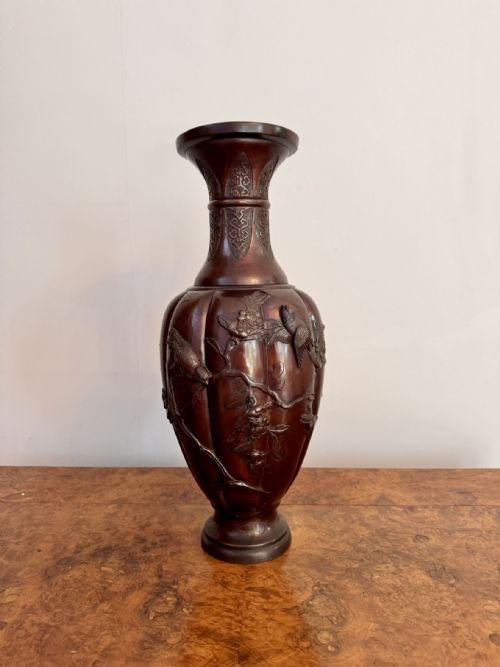
- A large decorative pot or stand designed to hold plants or floral arrangements. In bronze examples, these vessels often feature relief decoration depicting birds, foliage, or mythological creatures.
- Tetsubin
- A Japanese cast iron or metal kettle used for boiling water for tea. Kyoto workshops produced notable examples featuring detailed exterior textures.
Vintage Bronze Vessel: Frequently Asked Questions
What is a vintage bronze vessel used for?
These items served various historical purposes, functioning as ritual incense burners, tea ceremony kettles, apothecary grinders, and domestic planters. Many were also created purely as ornamental display objects for scholars and collectors.
Today, they adapt easily to modern interiors as flower vases, desk tidies, or standalone sculptural accents that anchor a room with metallic texture and historical depth.
How do I clean a bronze vessel?
Maintenance requires minimal intervention to preserve the historic surface patination that collectors value. Dusting with a soft, dry cloth is usually sufficient for regular upkeep.
Avoid abrasive polishes, harsh chemicals, or water immersion, particularly on pieces with enamel work or delicate patinated surfaces, as these treatments strip away historical age.
How can I tell Japanese and Chinese bronze apart?
Distinguishing between these regional origins involves examining the specific motifs, surface finishes, and decorative techniques employed by the artisans. Chinese pieces frequently utilise heavy champlevé enamel and archaic vessel forms like tripod censers with animal finials.
Japanese items from the Meiji and Edo periods often display meticulous cloisonné work, refined patination, and distinct vessel types such as specific jardinières and ritual vases.
What does patination mean on bronze?
Patination refers to the natural or induced colour change on the surface of the metal resulting from age, handling, and environmental exposure. It forms a protective layer that evidences the true age of the object.
A stable, original patina enhances the visual appeal and confirms that the surface has not been aggressively stripped or overly restored by modern intervention.