





Vintage Bronze Pestle
These vintage bronze pestle pieces are solid kitchen and apothecary tools designed to grind ingredients, bringing weight and history to any worktop.
Vintage Bronze Pestle
When you search for a vintage bronze pestle, you encounter heavy metal tools designed alongside mortars for grinding herbs, chemicals, and kitchen ingredients. These items originate from periods spanning the seventeenth century through to the nineteenth century, including Georgian and Victorian apothecary eras.
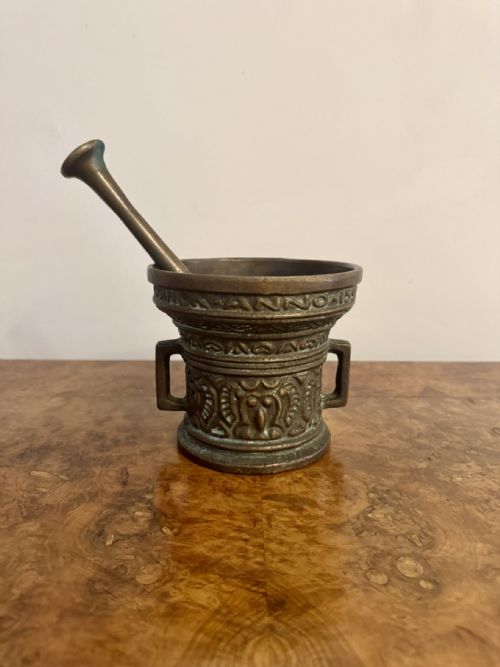
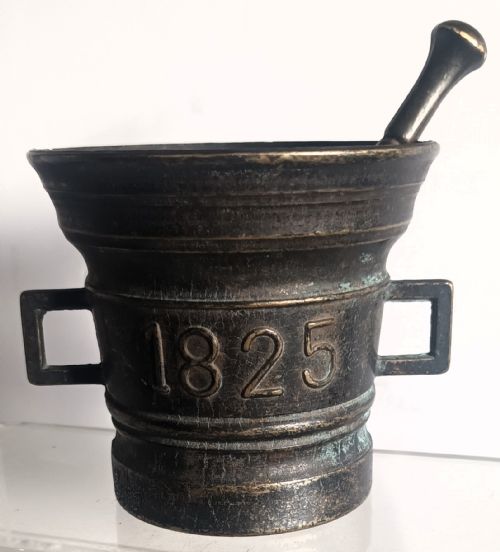
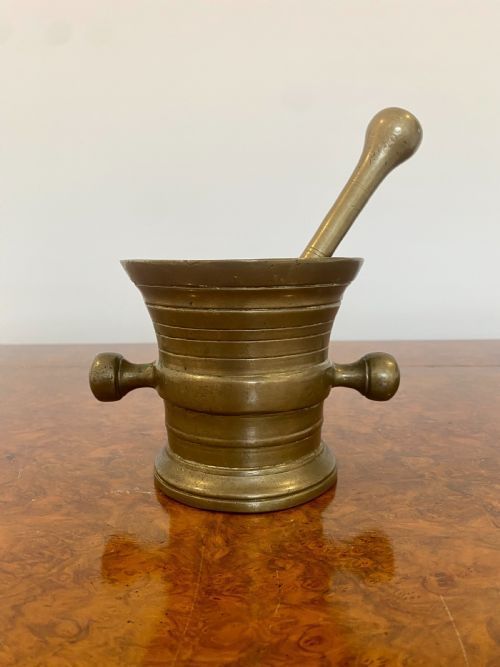
The versions most commonly met on this page combine a bronze pestle with a matching mortar, often identified with English origins. Examples range from heavy Gothic Revival and Renaissance Revival designs to simpler kitchen and chemist equipment.
Makers shaped these solid metal pieces using traditional foundry methods, producing substantial items intended for daily utility in apothecaries and domestic kitchens alike.
How they were made
Foundries cast these pieces using durable metals such as bronze, bell metal, and brass, resulting in the heavy weights recorded across the collection. Artisans poured molten metal into moulds to form the thick walls of the mortars and the solid shafts of the pestles.
Workshops finished the cast surfaces through turning and smoothing, leaving subtle tool marks that demonstrate period manufacturing techniques. Certain items incorporate decorative moulding and ribbed profiles typical of Gothic Revival and Renaissance Revival styles.
Vintage Bronze Pestle Retail Price Guide 2026
Typical asking prices for vintage bronze pestle among the pieces listed under this phrase on Sellingantiques today, from the lower quarter to the upper quarter. They describe what is for sale here now, not the wider market.
Listings feature bronze, brass, and bell metal objects spanning from the seventeenth century through the nineteenth century.
What varies in quality
The standard of a piece depends upon the crispness of the cast detail and the integrity of the heavy metal form. Finer examples retain sharp decorative moulding and a well-balanced weight between the pestle and its mortar.
Condition and surface patination distinguish finer items from heavily worn examples. Pieces that display an undisturbed age patina and clean, unblemished casting represent the upper end of the range.
The Vintage Bronze Pestle Glossary
- Bronze
- A copper alloy traditionally combined with tin, prized for its strength and durability in heavy kitchen and apothecary implements. This material forms the primary body of the pieces listed here.
- Mortar and pestle
- A pairing consisting of a bowl-shaped vessel and a heavy grinding tool used for crushing substances. These sets served both culinary kitchens and chemist shops.
- Bell metal
- A hard alloy of copper and tin utilised for producing resonant vessels and heavy-duty hardware. This material appears among the darker metalwork variants.
- Apothecary
- A historical practitioner who prepared and sold medicines and drugs to physicians and patients. Apothecaries relied on bronze grinders for daily compounding tasks.
- Georgian
- A design period spanning the eighteenth and early nineteenth centuries, characterised by robust proportions and restrained classical detailing. Items from this era show functional domestic utility.
Vintage Bronze Pestle: Frequently Asked Questions
What were vintage bronze pestles used for?
These tools served apothecaries, chemists, and domestic cooks for crushing herbs, spices, and medical ingredients. The heavy metal construction allowed users to grind tough substances into fine powders without damaging the vessel.
Over the centuries, pestles remained essential workhorses in kitchens and dispensary rooms before transitioning into decorative items.
How do I tell seventeenth-century pieces apart from nineteenth-century ones?
Seventeenth-century examples often display simpler, heavier forms with thick rims and utilitarian shapes tied to early apothecary use. Nineteenth-century pieces sometimes incorporate revival styles like Gothic or Renaissance motifs into the casting.
Examining the surface wear and the specific profile of the moulding helps determine the manufacturing period.
Are bronze pestles heavy?
Yes, these items feature dense metal construction designed to withstand the downward force of grinding. The substantial weight prevents the mortar from sliding during use.
Larger specimens require steady handling due to the heavy bronze and bell metal used in their production.
How should I clean a vintage bronze pestle?
Dust the surface gently with a soft dry cloth to preserve the natural age patination. Avoid harsh chemical polishes that strip away the historical character built up over centuries.
Keeping the metal dry prevents oxidation and maintains the dark tone characteristic of old bronze.