
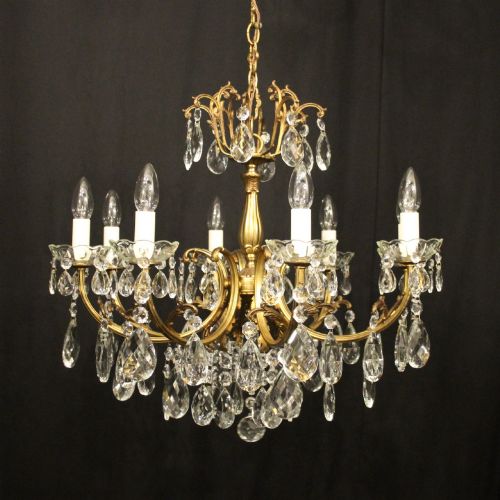
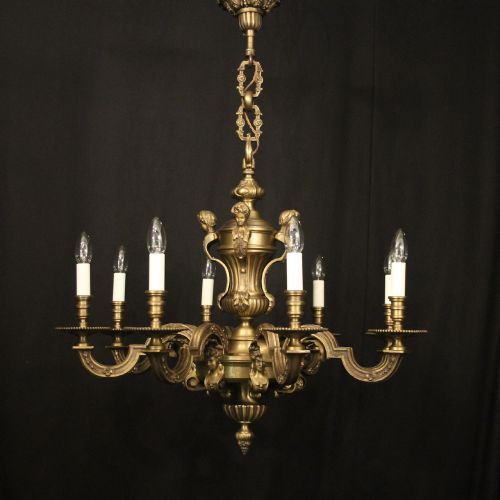
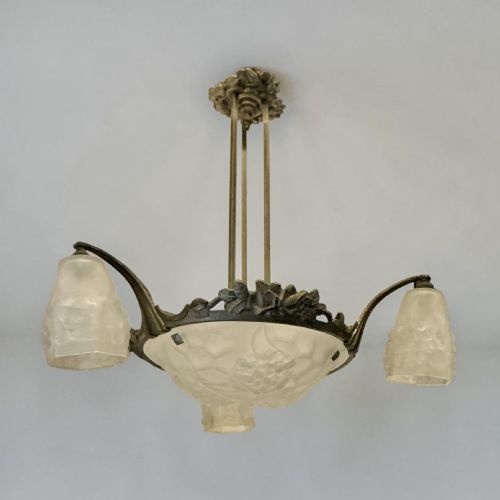
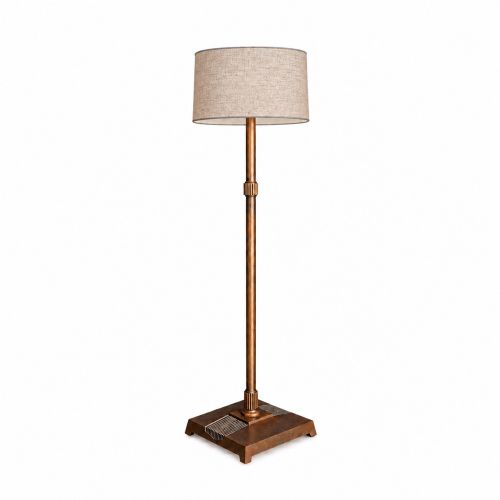


Vintage Bronze Lamps
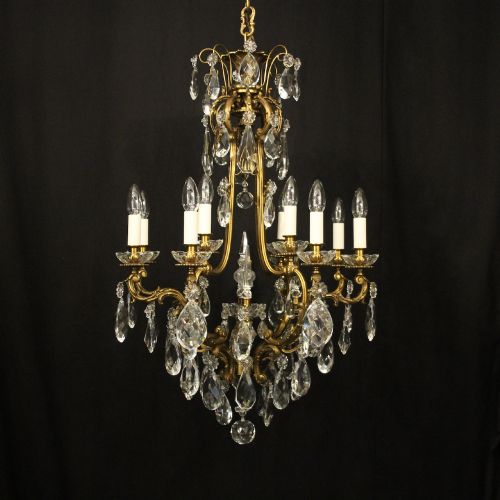
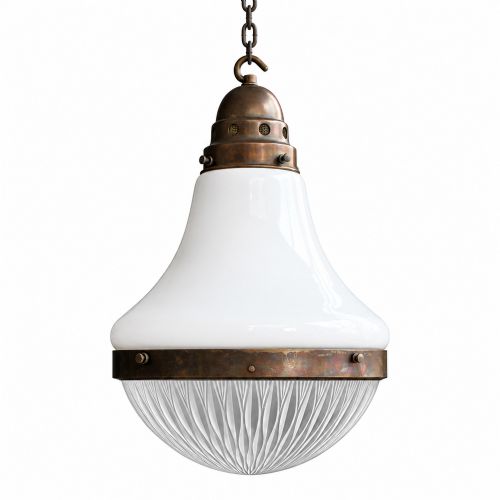
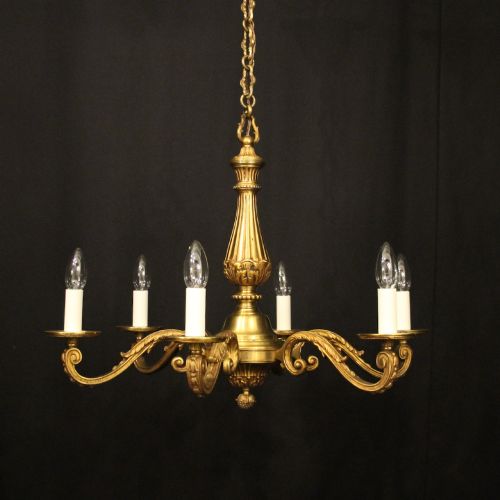
Vintage bronze lamps bring heavy metal substance and rich period patination to a room, combining tactile metalwork with practical illumination.
Vintage Bronze Lamps
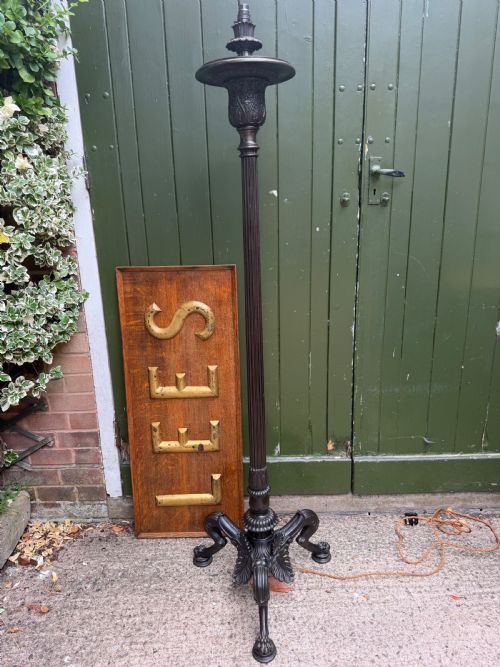
Vintage bronze lamps encompass table lamps, standard lamps, and oil lamps cast from durable metal alloys, often enriched with gilt finishes or paired with stone elements. These pieces draw heavily on French Neoclassical, French Empire, and Rococo Revival traditions.
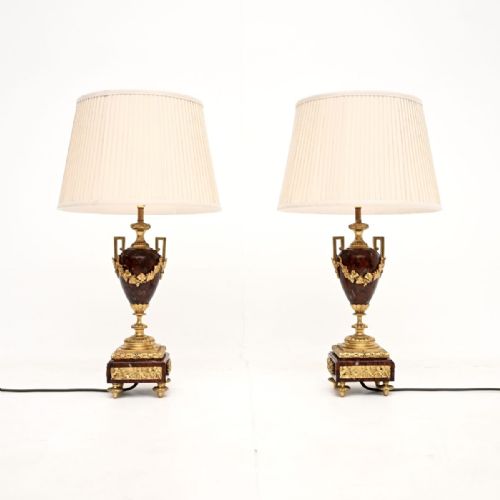
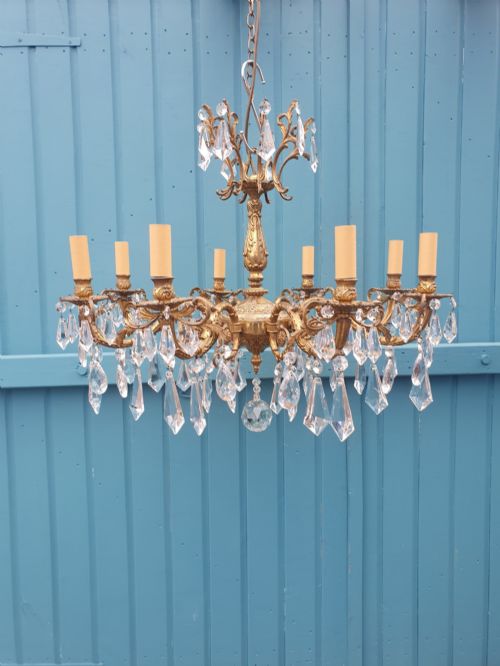
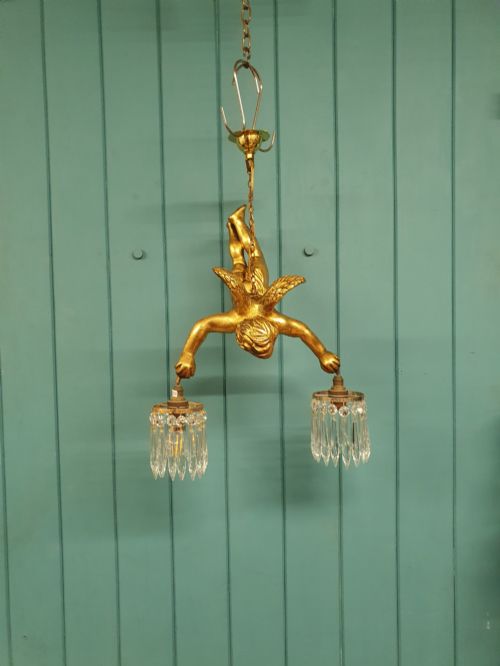
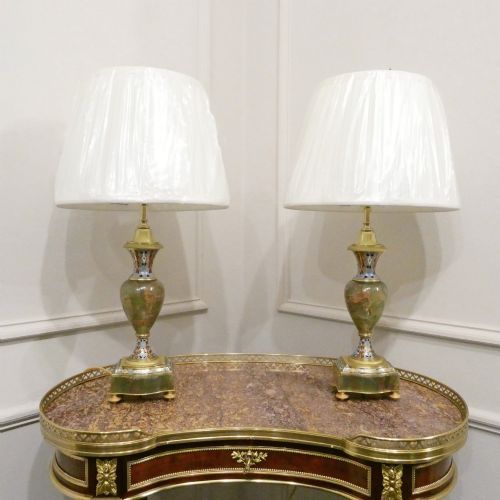
Table lamps dominate the selection, frequently appearing in pairs incorporating figurative details like cherubs alongside materials such as onyx and marble. Standard lamps and larger lighting fixtures also emerge from the nineteenth and early twentieth centuries.
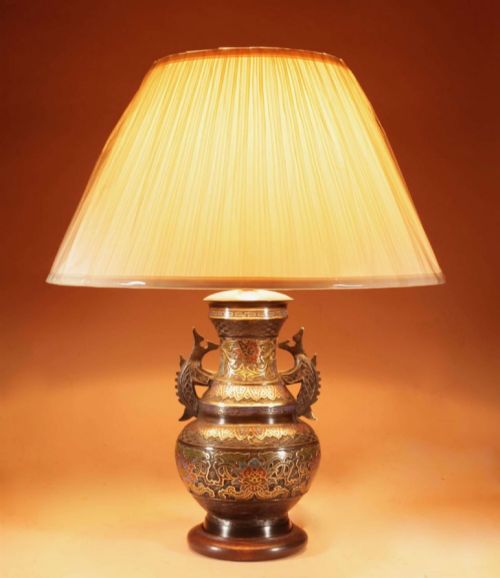
Origins span English workshops, French studios, and Japanese Meiji period production, showing a strong international trade in decorative metalwork. Styles range from classical Grecian designs to playful Art Deco novelties.
Materials and construction methods
Foundries utilised bronze, brass, gilt bronze, and ormolu, casting metal into intricate figural and architectural components. Many pieces combine these heavy metal frames with contrasting natural materials like marble, onyx, and alabaster.
Surface treatments included fire gilding, silver gilding, and chemical patination to achieve deep brown or gleaming golden tones. Crystal drops, porcelain bodies, and cut glass spikes were frequently added to amplify the light reflection.
Listings span periods from the mid-nineteenth century through the Art Deco era of the 1930s, featuring bronze, gilt metal, marble, and onyx.
Assessing quality and execution
Cohesion of materials defines the better examples, where bronze mounts fit seamlessly against carved stone urns, porcelain bodies, or crystal components rather than appearing hastily assembled.
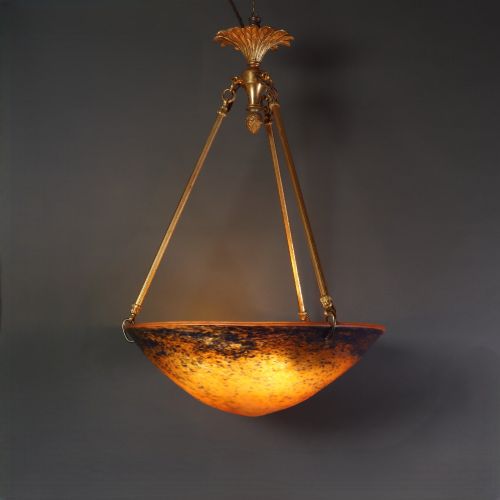
E Rousseau
The Vintage Bronze Lamps Glossary
- Ormolu
- Gilt bronze produced by applying a finely ground high-carat gold-mercury amalgam to a bronze object before firing. This technique creates a durable, luminous golden surface found on many French pieces.
- Champleve
- An enamelling technique where troughs or cells are carved into the surface of a metal object and filled with vitreous enamel before firing. It frequently decorates the bases and stems of nineteenth-century French table lamps.
- Patination
- The surface coloration and texture developed through age, handling, or chemical treatment on metal. Natural patination adds depth and tactile warmth to bronze and brass surfaces.
- Meiji Period
- The era in Japanese history spanning from 1868 to 1912, known for exceptional bronze casting and decorative metalwork exported to the West. Pieces from this period often display meticulous naturalistic detail.
- Neoclassical
- A style drawing inspiration from the classical art and architecture of ancient Greece and Rome. It manifests in these lamps through symmetrical forms, urn shapes, and motifs such as rams' heads and lyres.
Vintage Bronze Lamps: Frequently Asked Questions
How do I date vintage bronze lamps?
Dating relies on stylistic clues, casting techniques, and material combinations recorded across the nineteenth and early twentieth centuries. Pieces often reflect specific design movements like French Empire or Art Deco.
Maker signatures or foundry marks, where present, help narrow down the period of production. Comparing the mount construction and wiring entry points also provides context for age.
Are vintage bronze lamps heavy?
These lamps typically possess substantial weight due to solid bronze, brass, or cast-iron construction combined with marble and onyx bases. This heavy mass ensures stability when supporting larger shades or crystal fittings.
Placement requires sturdy furniture surfaces capable of supporting concentrated weight. Standard floor lamps offer secure footing through broad weighted bases.
How were these lamps used originally?
Many began as oil lamps before undergoing conversion to electricity during twentieth-century modernization. They served to illuminate dark Victorian parlours and Edwardian drawing rooms.
Table models provided targeted task and ambient lighting on desks and side tables, while large standard lamps stood in open reception rooms to cast light across expansive spaces.
Can I mix different periods in one room?
Mixing pieces from the nineteenth century with Art Deco designs adds historical layering to an interior. The shared use of cast metal and patinated surfaces creates visual continuity across disparate eras.
Focusing on complementary metal tones, such as gilt bronze alongside warm brass, helps unify contrasting table lamps and wall sconces within the same space.