


Vintage Bronze Fixture
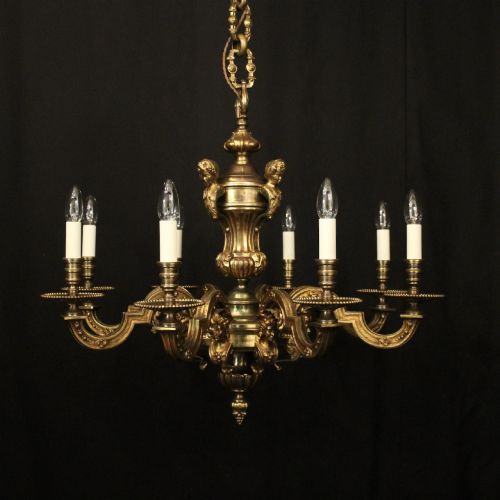
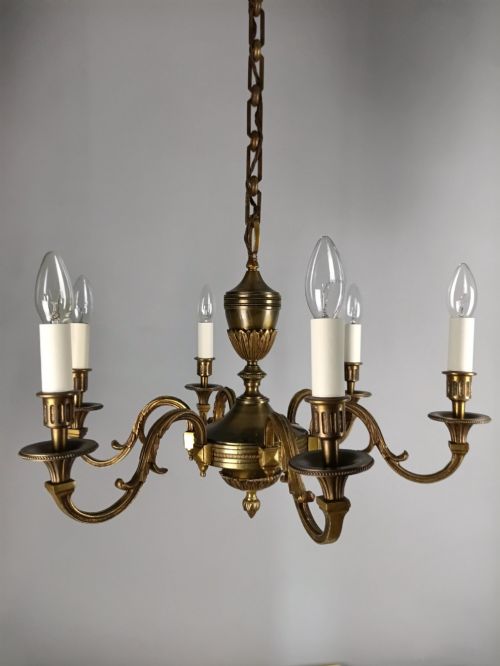
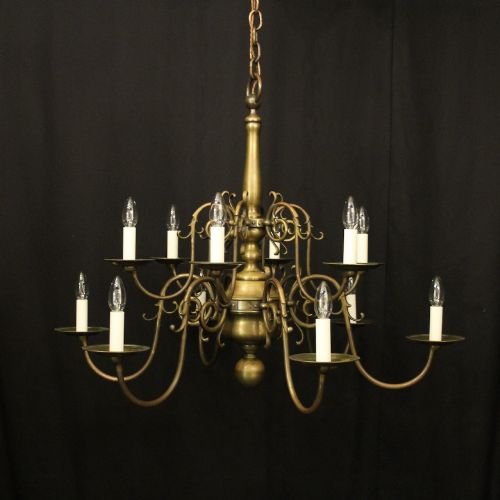
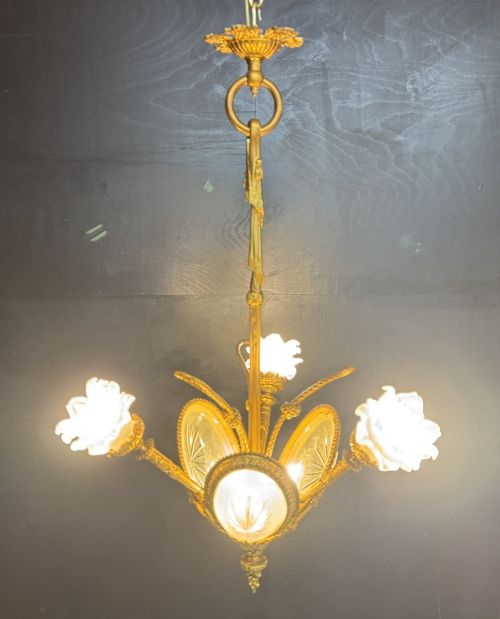
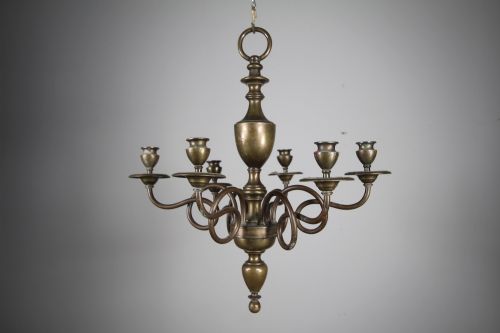
A vintage bronze fixture brings weight and warmth to a room, offering period lighting built from metal and crystal.
Vintage Bronze Fixture
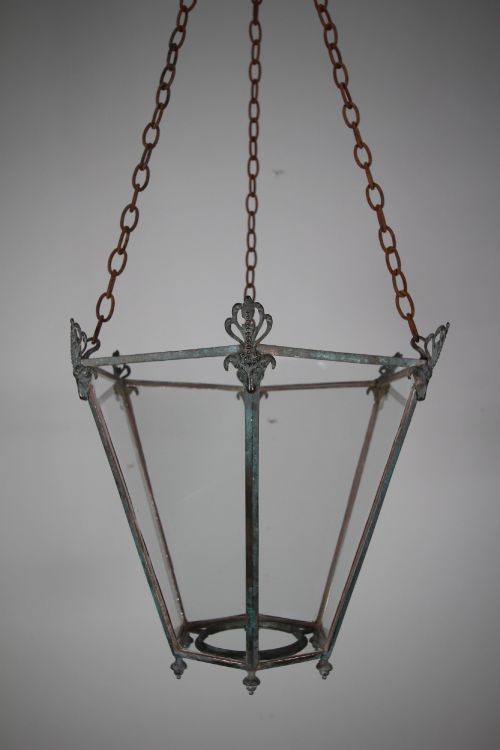
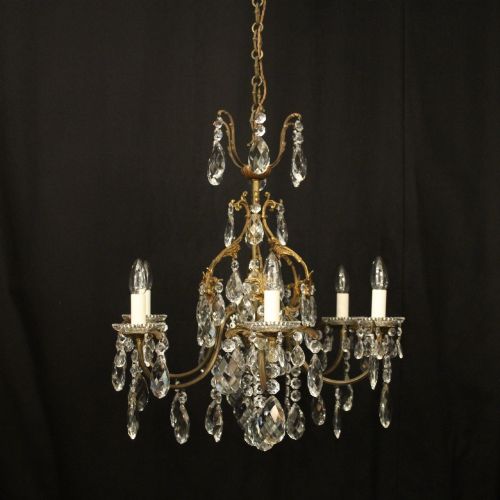
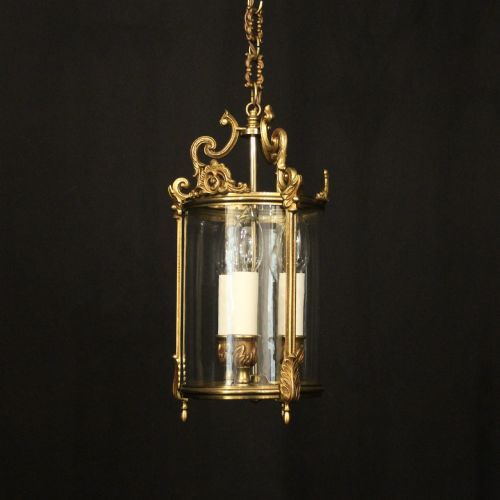
When searching for a vintage bronze fixture, buyers encounter a range of heavy lighting forms dating from the nineteenth century through the 1930s. The selection on this page centres predominantly on French chandeliers, wall lights, and ceiling lanterns from the Edwardian era and the interwar years.
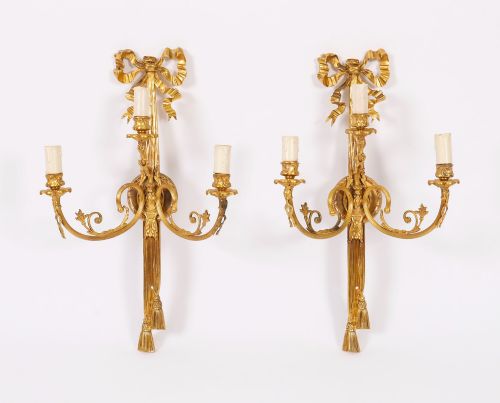
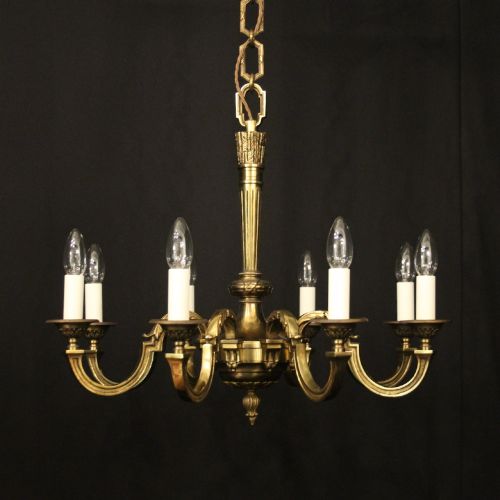
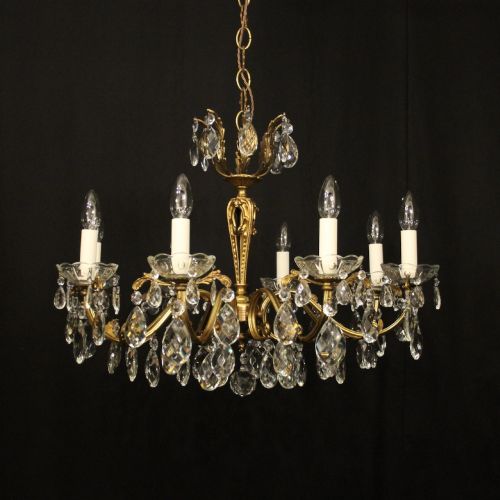
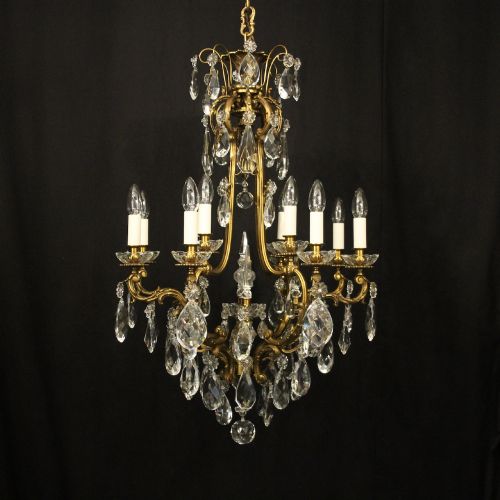
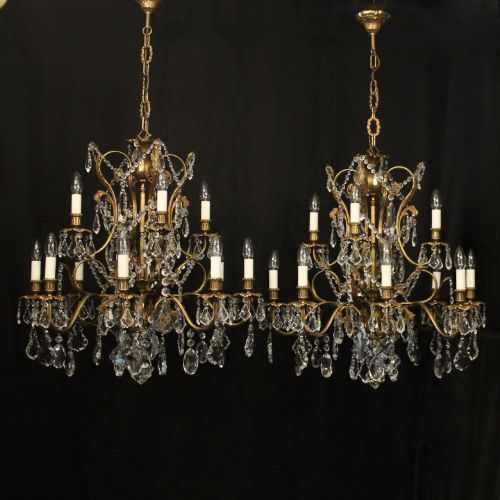
Chandeliers dominate the offerings, appearing in configurations from four to twelve lights, often decorated with cut glass and crystal drops. Alongside these central fixtures, wall sconces and pendant lights emerge in styles spanning French Rococo, Empire, and Art Deco designs.
How they were made
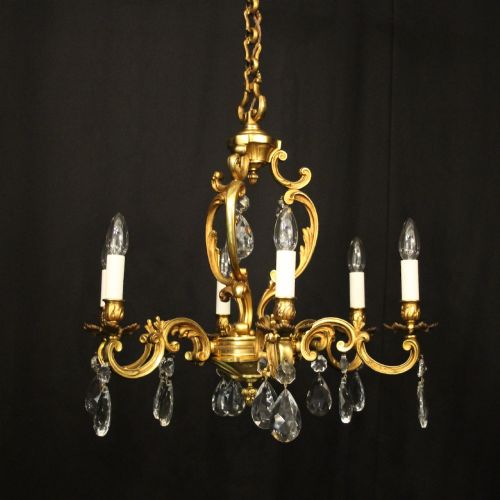
Metalwork forms the structural core of these pieces, utilising bronze, gilt bronze, brass, and occasional spelter shaped into arms, frames, and ornate backplates. Workshops employed casting and chasing techniques to render detailed foliate motifs, cherubs, and classical lyre shapes.
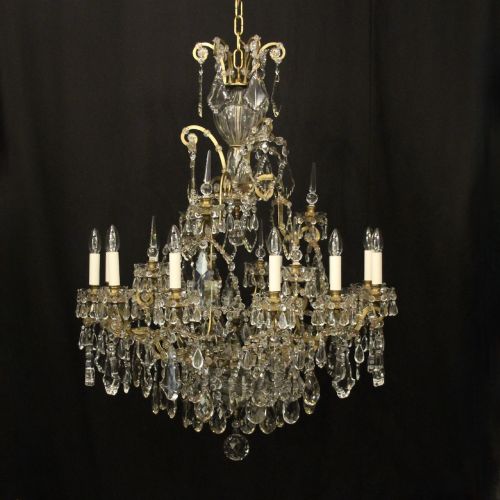
Glass and crystal elements complement the metal structures, incorporating cut crystal drops, beaded strands in tent and waterfall configurations, and moulded glass slip shades. Individual components were wired or pinned together by hand to support multi-arm candle or electric configurations.
Vintage Bronze Fixture Retail Price Guide 2026
Typical asking prices for vintage bronze fixture among the pieces listed under this phrase on Sellingantiques today, from the lower quarter to the upper quarter. They describe what is for sale here now, not the wider market.
Among the heavy metalwork and chandeliers, a gilt spelter flying cherub holds two cut glass crystal spike lights aloft.
What varies in quality
The standard of a vintage bronze fixture depends significantly on the crispness of the metal casting and the depth of the original gilding or patination. Finer examples display sharp relief in the chased decoration and harmonious proportions between the bronze frame and the glass components.
Crystal quality further separates the tiers of production, with higher-grade fixtures utilising heavy, hand-cut glass drops that catch the light cleanly. The complexity of the assembly, such as multi-tiered tent and waterfall designs with numerous integrated light arms, marks the distinction between standard domestic lighting and grander reception pieces.
Charles Schneider·Degué
The Vintage Bronze Fixture Glossary
- Ormolu
- A method of applying finely ground high-carat gold to a bronze object using mercury amalgamation. This historic technique produces a warm, durable golden surface.
- Plafonnier
- A ceiling-mounted lighting fixture featuring a bowl or shade placed close to the plaster. These lights often utilise moulded or frosted glass characteristic of the Art Deco period.
- Tent and waterfall
- A chandelier configuration where beaded crystal strands form an upper conical tent above a cascading shower of drops. This arrangement disperses light across multiple tiers.
- Spelter
- An alloy of zinc and lead used as a cost-effective alternative to bronze in decorative castings. It frequently receives a bronze or gilt finish to mimic heavier metals.
- Slip shade
- A moulded piece of art glass inserted into a metal frame to direct the illumination. These shades define many American and European ceiling lights from the 1930s.
Vintage Bronze Fixture: Frequently Asked Questions
How do I hang a heavy chandelier?
Heavy bronze and crystal fixtures require direct support from ceiling joists rather than standard plaster or lath. A professional electrician should install a steel ceiling box capable of holding the substantial weight.
Height placement depends on the room function and ceiling clearance. Dining table fixtures typically hang lower, while hallway lanterns sit high enough for clearance underneath.
Can these fixtures take modern bulbs?
Most antique metal and crystal lights accept standard socket sizes with modern wiring. Rewiring is common practice to meet current safety standards while retaining the original sockets where possible.
Low-wattage LED candle bulbs replicate the warm output of traditional lighting without generating excessive heat near old crystal and metalwork.
How do I clean crystal drops?
Cleaning crystal elements involves removing the drops when necessary and washing them in warm water with mild soap. Rinsing with distilled water prevents mineral spots from drying on the cut surfaces.
The bronze frame requires gentle dusting with a soft brush rather than harsh metal polishes, which can strip historic gilt or patinated finishes.
What rooms suit wall sconces?
Twin-arm wall lights work well flanking fireplaces, mirrors, or large artwork in living spaces and hallways. They provide secondary illumination that softens the overall lighting scheme of a room.
Matching pairs help create symmetry in formal reception rooms, while single or smaller sconces fit narrower corridor walls.