



Vintage British Landscape Artwork
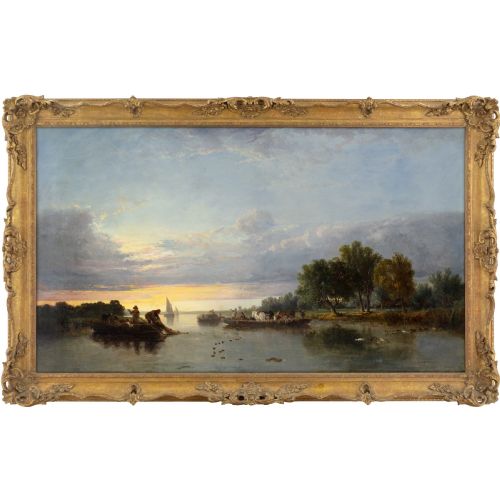
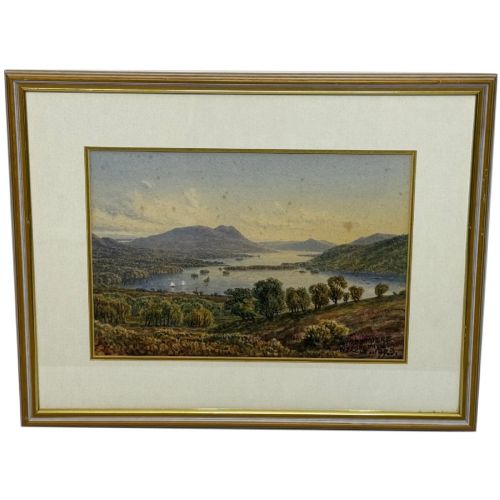
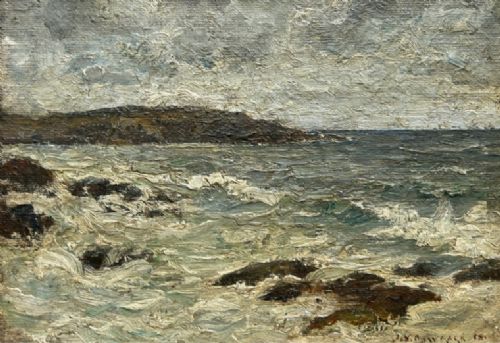
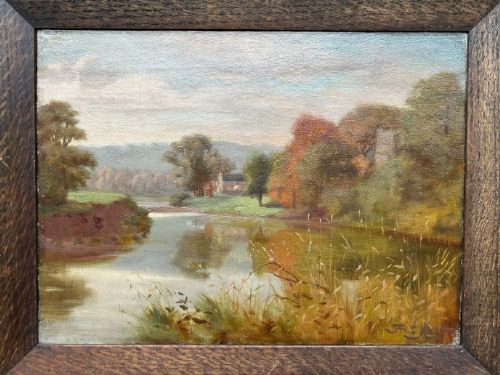
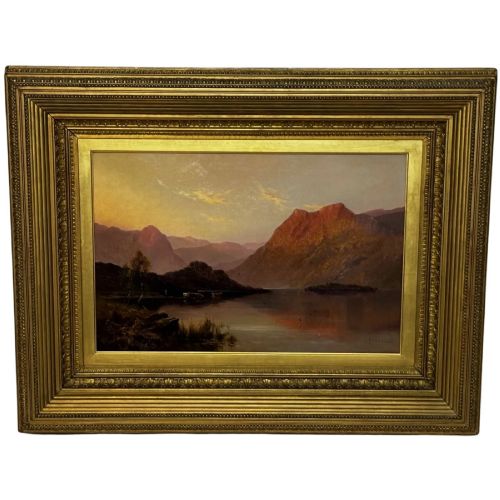
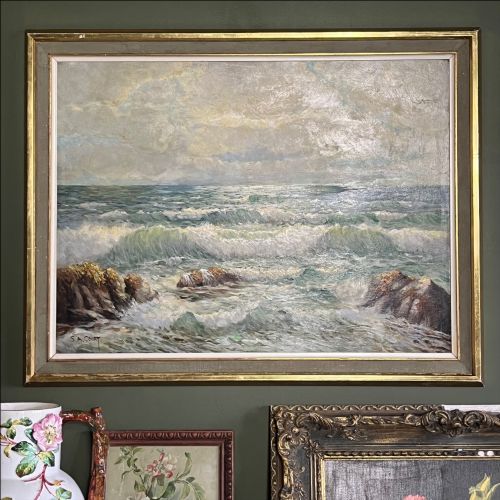
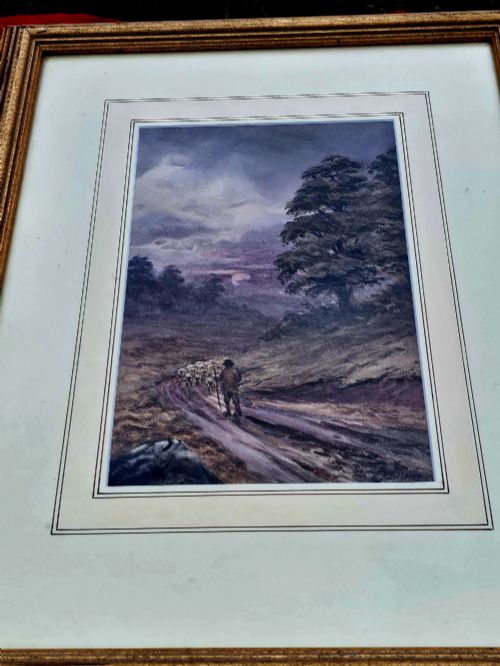
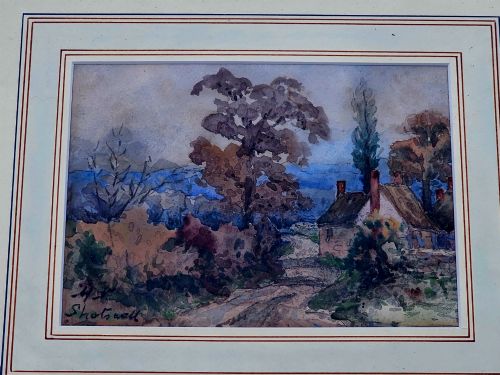
Vintage british landscape artwork encompasses paintings and drawings executed in oils, watercolours, and pencil across the nineteenth and twentieth centuries.
Vintage British Landscape Artwork
Vintage british landscape artwork captures rural scenes, rivers, coastal views, and urban waterways through the eyes of artists working from the Victorian era into the mid twentieth century. Buyers encounter regional depictions ranging from Scottish highlands and Welsh valleys to Cumbrian lakes and Thames riverbanks.
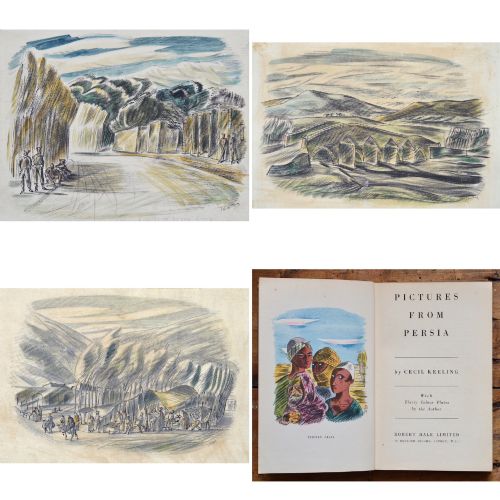
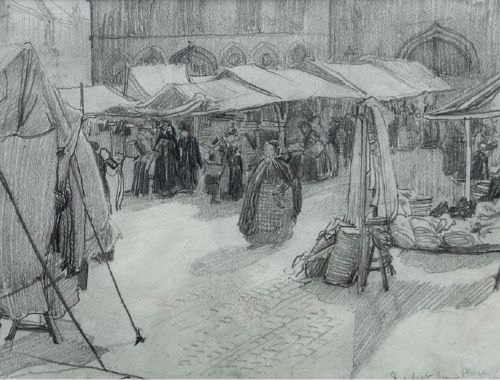
The material forms on this page span oil paintings on canvas, wood panel, and board alongside watercolours and drawings on paper. Pieces reflect dominant stylistic movements including British Impressionism, the Scottish School, and Post War British art.
How They Were Made
Artists utilised traditional pigments applied as oil paint or watercolour onto prepared supports such as canvas, wooden boards, and heavy paper. Many works were painted en plein air to capture immediate atmospheric conditions in woodland, coastal, and pastoral settings.
Framed works often combine hand mixed oils with impasto technique to build surface texture, whilst watercolours rely on fluid washes and ink details to define architectural elements and natural topography.
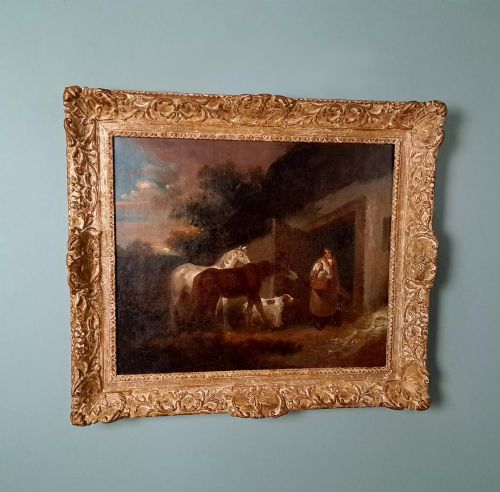
Cattle, sheep, horses, and even a prized shorthorn bull frequently wander into the background of these British pastoral scenes.
What Varies in Quality
Quality rests upon the artist's handling of light, brushwork confidence, and compositional balance within the specific regional setting. Works by established painters exhibit distinct tonal depth and atmospheric fidelity compared to simpler decorative studies.
The preservation of the pigment layer, stability of the wooden or canvas support, and the presence of original framing contribute significantly to the standing of an individual artwork.
Kenneth Cozens·Henry Percy Huggill·William H Myers·Tom Campbell·Alfred Young Nutt·Clifford Hanney·Frederick Marriott·William Joseph Shayer Senior·Alfred Fontville de Breanski Jr·Sidney A Court·EJ Letheren·Edward Mills·Robert Leslie Howey·James E Aitken·Kershaw Schofield·Herbert Royle·John E Aitken·William Banks Fortescue·Thomas W Lascelles·William Joseph Boyes·Muriel Metcalfe·Robert John Hammond·Fred Lawson·Robert Thorne Waite·John Smith Atherton
The Vintage British Landscape Artwork Glossary
- En plein air
- Painting outdoors to capture direct observations of natural light and weather. This practice became central to landscape painters seeking authentic colour relationships.
- Impasto
- Paint applied thickly to a canvas or board so that the strokes stand proud of the surface. It adds tactile dimension and captures light dynamically.
- Watercolour
- A painting method in which the paints are made of pigments suspended in a water-based solution. Artists use translucent washes on paper to build delicate tonal shifts.
- Oil on board
- A painting executed with oil colours upon a rigid wooden or composite board rather than stretched canvas. This medium provides a stable, flat surface for detailed brushwork.
Vintage British Landscape Artwork: Frequently Asked Questions
What periods do these artworks cover?
The pieces span from the nineteenth century through the Victorian and Edwardian eras into the mid twentieth century. Works reflect stylistic shifts from early academic recording to British Impressionism and Post War modernism.
Dates recorded in the listings range across the eighteen hundreds and nineteen hundreds, capturing evolving approaches to rural and coastal scenery.
Where were these landscape scenes painted?
Subjects include specific regional locations across Britain such as the Scottish Highlands, the Cumbrian Lake District, Welsh river valleys, and Cornish harbours. Urban waterways like the Thames in London also feature prominently.
Artists frequently travelled to distinct locales to record local topography, architecture, and maritime activities.
How should I care for oil paintings on board?
Oil paintings on wooden boards require stable indoor humidity and protection from direct sunlight to prevent warping and pigment degradation. Keeping the surface clean from dust using a soft, dry brush preserves the paint layer.
Avoid hanging pieces near direct heat sources that might dry out the wooden support over time.
What is the difference between oil and watercolour works?
Oils use pigment suspended in drying oils applied to canvas, wood, or board, offering rich texture and deep colour saturation. Watercolours utilise water-soluble pigments on paper, creating translucent and luminous washes.
Watercolours are typically framed behind glass to protect the paper from moisture and atmospheric pollutants.