
Vintage British Country Art
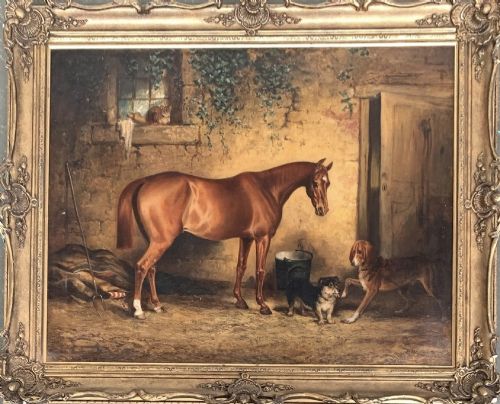
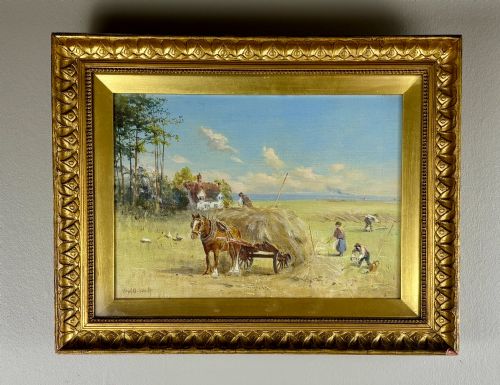
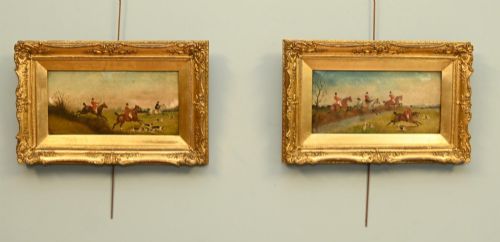
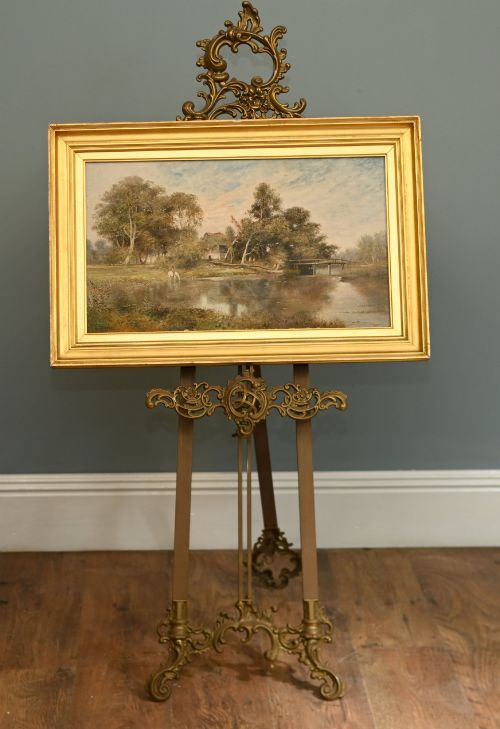
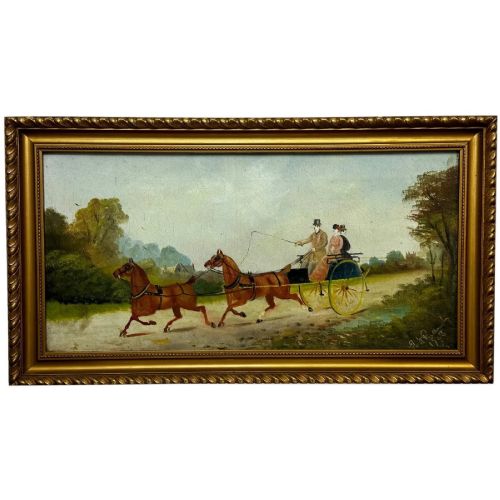
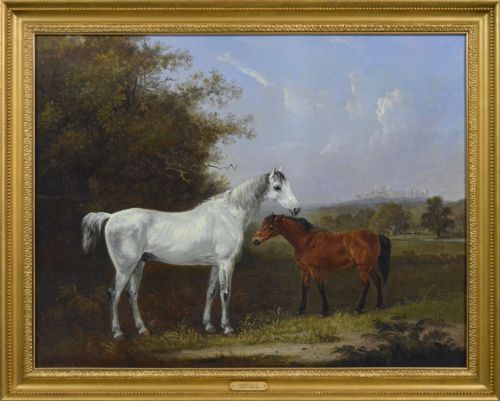
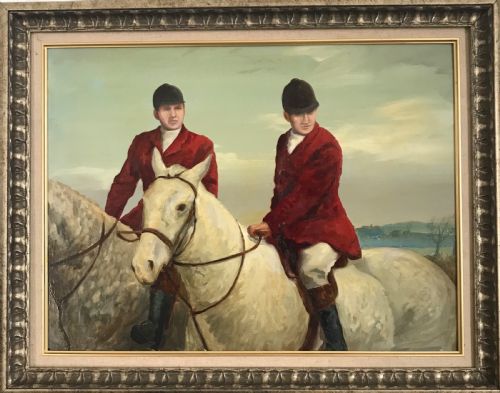
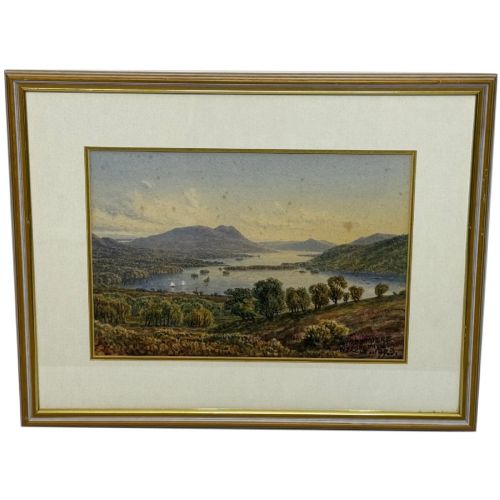
Vintage british country art brings together nineteenth and twentieth-century landscapes, farmyards, and sporting scenes painted across the regions.
Vintage British Country Art
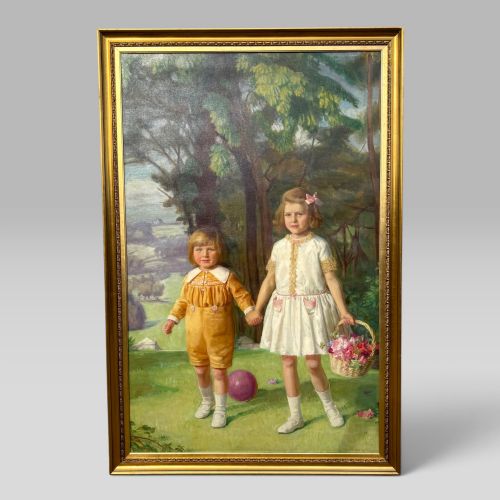
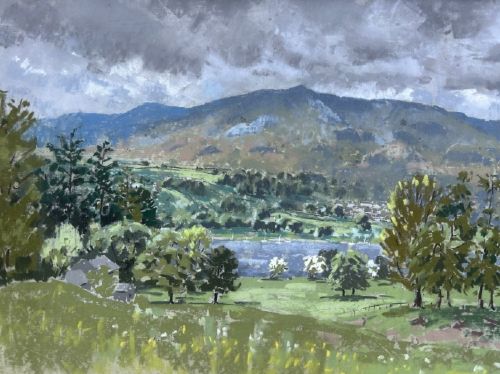
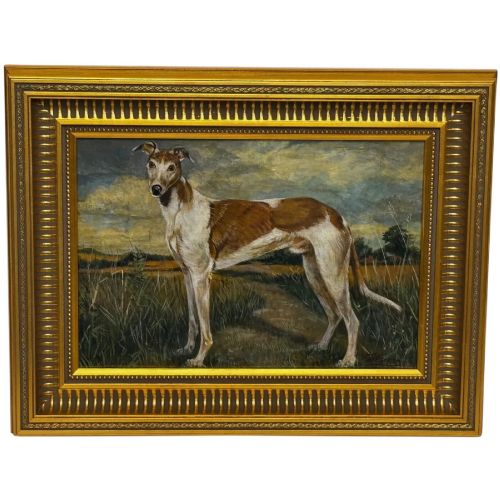
Vintage british country art comprises framed watercolours, oil paintings on canvas or board, and original ink drawings depicting rural life. You will frequently encounter landscapes, farm scenes, and animal portraits created by regional artists working during the Victorian, Edwardian, and mid-twentieth-century periods.
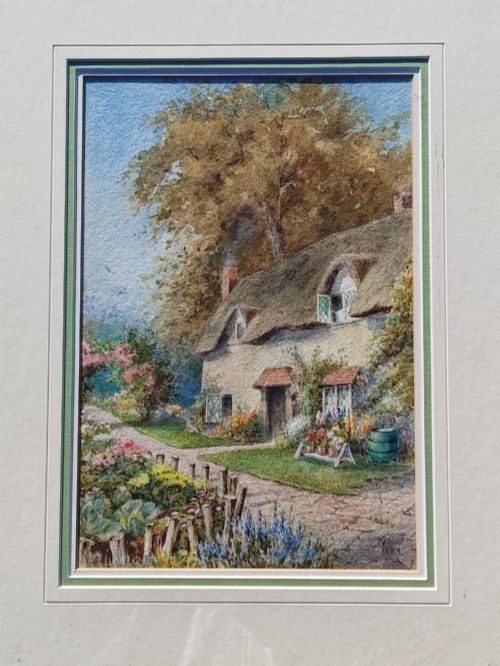
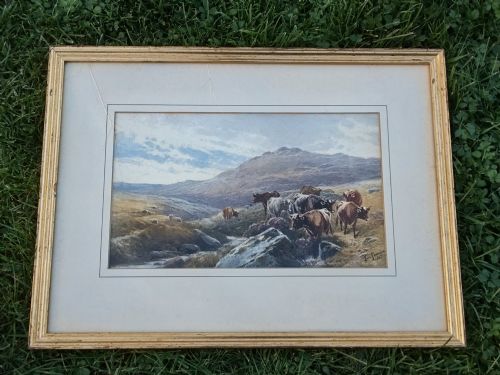
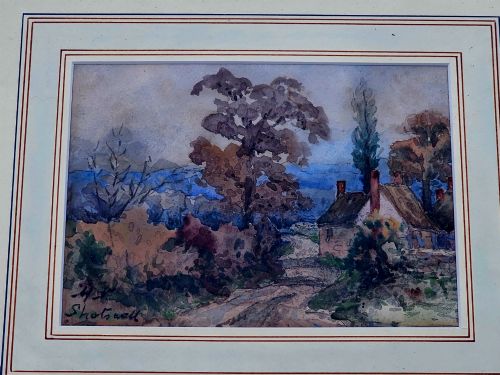
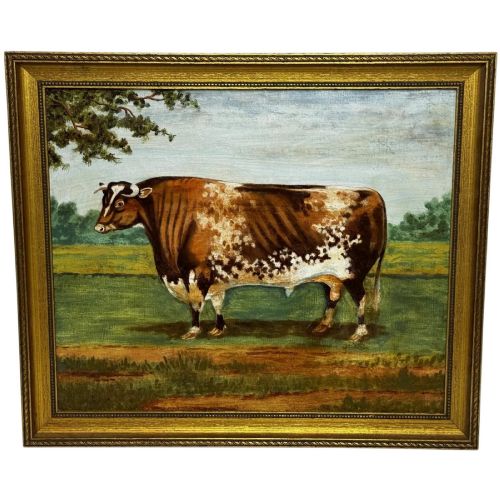
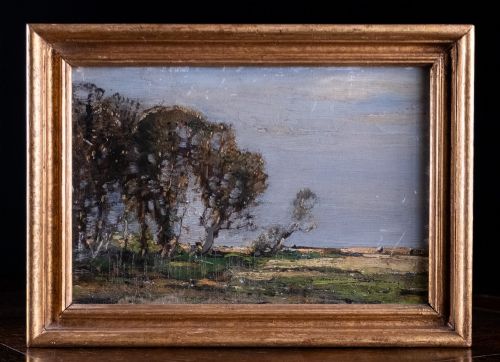
The subjects range from moorland watercolours and village cottages to studies of cattle, horses, and blacksmith shops. These works reflect the visual traditions of the English School and British Impressionism, capturing the texture of rural topography and agrarian pursuits.
Most examples date from the late nineteenth century through to the middle of the twentieth century. They offer a direct window into rural British scenery, rendered through the observant eyes of local painters.
How they were made
Painters utilised oil paint applied to canvas, wooden boards, or panels, alongside watercolour and ink applied to heavy paper. Canvases were occasionally laid onto board later in their lifespan for structural stability, whilst watercolours relied on washes and fine linework to build atmospheric depth.
Supports varied according to the medium, with wooden panels and fruitwood trunks serving for heavier works and sculptural vernacular items. Pigments were brushed onto these surfaces with varying degrees of impasto, capturing the light on moorlands, riversides, and farmyards.
The listings show works spanning the nineteenth, twentieth, and Victorian periods, executed in oil, watercolour, and lithograph.
What varies in quality
Quality rests upon the artist's handling of light, brushwork confidence, and compositional balance within the landscape. A skilled hand renders atmosphere and spatial depth with economy, whereas weaker works rely on formulaic repetition without observing actual tonal shifts.
The immediacy of the brush and the fidelity of the regional depiction separate standard topographical records from accomplished artistic interpretations. Works with clear provenance and strong execution demonstrate the full capability of the British School.
Kershaw Schofield·Fred Lawson·Edgar Hunt·Herbert Royle·Charles Walter Simpson·Owen Bowen
The Vintage British Country Art Glossary
- British Impressionism
- A style of painting that emerged in Britain, focusing on loose brushwork and the play of natural light on rural subjects. It diverged from rigid academic traditions to capture everyday moments outdoors.
- English School
- A loose term encompassing generations of painters working within England who shared common stylistic influences. It bridges academic realism and regional landscape traditions.
- Vernacular
- Objects and artworks made by local makers for everyday rural use or local consumption, often lacking formal academic signatures. These pieces reflect regional traditions and materials.
- Impasto
- Paint applied thickly to a canvas or board, leaving visible brush or palette knife marks. It creates physical texture and catches light across the surface of the work.
Vintage British Country Art: Frequently Asked Questions
How do I identify a Victorian landscape?
Victorian landscapes often feature tighter brushwork, narrative figures near cottages, and dramatic lighting influenced by academic standards of the era. The palettes frequently rely on deep earth tones and careful tonal layering.
Framing and canvas stamps from nineteenth-century purveyors also help anchor the period, alongside subjects depicting traditional farming methods before mechanisation.
What is the difference between oil and watercolour?
Oils use pigment suspended in drying oils applied to canvas, wood, or board, allowing for rich textures and reworkings. Watercolours use water-soluble pigments on paper, creating translucent washes and lighter effects.
Watercolours require glass protection for the paper support, whilst oil paintings remain exposed to the air on sturdy wooden or fabric foundations.
Where were these rural scenes painted?
Artists painted across various British regions, including Yorkshire, Devon, Gloucestershire, and Oxfordshire. Local topography dictated the scenery, from northern moors to southern river valleys.
Many painters belonged to regional art groups or captured the immediate surroundings of their rural studios.
How should I care for vintage watercolours?
Watercolours on paper require protection from direct sunlight to prevent fading of the pigments and yellowing of the support. Acid-free mounting and framing under glass safeguard the fragile paper from moisture and atmospheric damage.
Display them on interior walls away from direct heat sources and damp environments.