



Vintage Bridge Watercolour
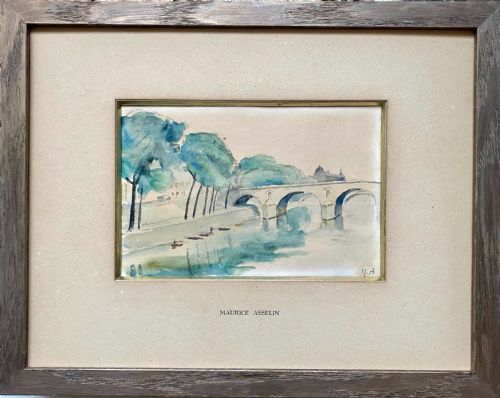
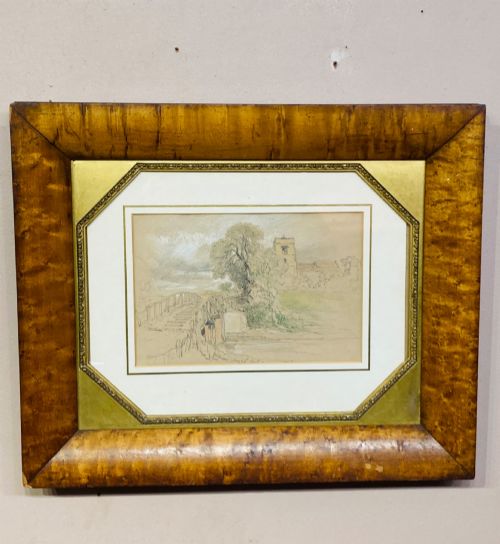
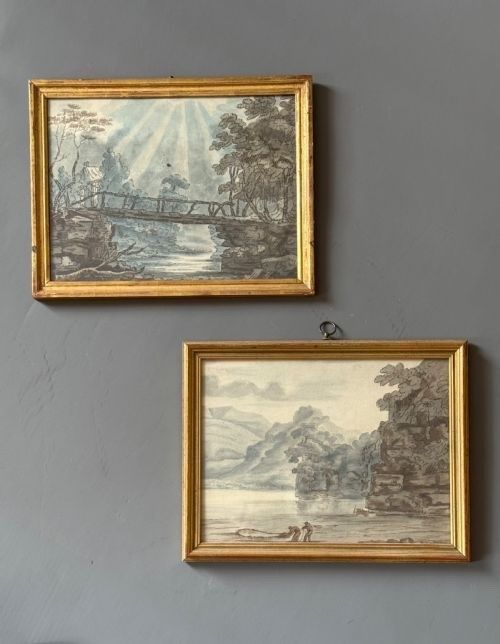
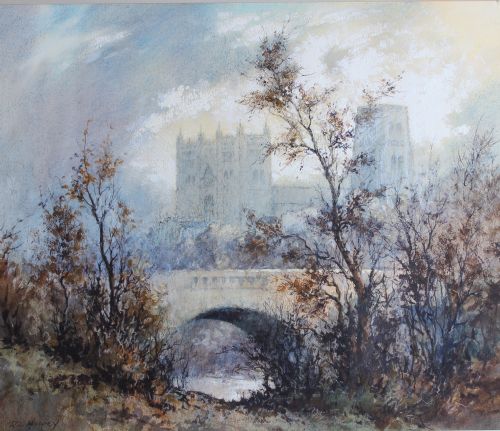
These vintage bridge watercolour paintings capture historic spans and rural crossings across Britain and Europe on paper.
Vintage Bridge Watercolour
When you search for vintage bridge watercolour, you encounter original painted views of urban crossings, rural arches, and coastal toll bridges executed on paper. The works on this page span from the nineteenth century through the Edwardian era and into the mid-twentieth century.
Most pieces focus on specific British and European locations, recording townscapes, rivers, and architectural landmarks. You will find scenes ranging from northern Yorkshire dales to Venetian canals and London landmarks.
Artists record these stone and timber structures through distinct movements including British Impressionism, romanticism, and topographical recording. These paintings function as both historical records of changing landscapes and finished works of fine art.
Materials and methods of construction
These works rely fundamentally on watercolour pigment applied to paper surfaces, sometimes supported on board. Artists utilised fluid washes of watercolour paint to capture light, water reflection, and atmospheric conditions around stonework.
Framing typically incorporates wood and glass to protect the delicate paper and pigment from environmental damage. Gilt wood frames appear on select pieces, adding a formal presentation to the framed paintings.
Vintage Bridge Watercolour Retail Price Guide 2026
Typical asking prices for vintage bridge watercolour among the pieces listed under this phrase on Sellingantiques today, from the lower quarter to the upper quarter. They describe what is for sale here now, not the wider market.
Styles span from nineteenth-century romanticism through Edwardian views to mid-twentieth-century British school painting.
Distinctions in execution and presence
Quality rests in the confidence of the brushwork and the artist's handling of light and architectural perspective. Stronger examples display a sure command of watercolour pigment, rendering water, stone, and sky with clarity and depth.
The sophistication of the composition and the specific historical interest of the subject matter elevate certain works above standard topographical sketches. Works by established named artists working within British traditions generally command greater artistic interest.
Robert Leslie Howey·Percy Lancaster·Vittore Zanetti Zilla·Noel Harry Leaver·Claude Muncaster·Fred Lawson·William A Macdonald·Frank William Scarbrough·George Graham·William Greaves
The Vintage Bridge Watercolour Glossary
- Watercolour paint
- A medium consisting of colour pigments suspended in a water-soluble vehicle, applied to paper. Artists dilute the pigment to achieve translucent washes of colour.
- Gilt wood
- Wood framing treated with a thin layer of gold leaf or metallic gilt finish. This traditional framing technique enhances the visual weight of the artwork.
- British Impressionism
- An artistic approach focusing on light, loose brushwork, and everyday scenes rather than rigid academic detail. Painters captured transient atmospheric effects en plein air.
Vintage Bridge Watercolour: Frequently Asked Questions
How should I hang vintage watercolours?
Keep these paper works away from direct sunlight to prevent the watercolour pigments from fading over time. Maintain stable room temperatures to protect both the paper and the wooden frames.
Ensure that the glass protects the surface without pressing directly against the painted paper. Proper wall placement preserves the delicate tones of the original landscape.
Are these paintings original works?
Yes, the pieces listed are hand-painted original watercolours rather than mass-produced prints or reproductions. Each artist applied pigment directly to paper to create a singular artwork.
Brushstrokes, paper texture, and pigment layering confirm the hand-finished nature of these historical paintings. Signed examples offer direct attribution to the individual creator.
How do I date a bridge watercolour?
Look to the architectural style of the bridge, the artist's active period, and framing materials for chronological clues. Edwardian and mid-century works often carry distinct stylistic markers of their respective decades.
Signatures, inscriptions on the reverse, and historical clothing on any figures depicted help narrow the date of execution. Nineteenth-century pieces generally display heavier romantic or pastoral conventions.
What subjects appear besides bridges?
Artists frequently frame their bridge studies within broader urban or rural landscapes, including rivers, cathedrals, and coastal toll stations. Mountain streams and snowy village scenes also provide context for the architecture.
Human figures occasionally cross the spans, adding scale and narrative interest to pastoral and city views alike. The surrounding topography forms an integral part of the composition.