


Vintage Brass Log Bucket
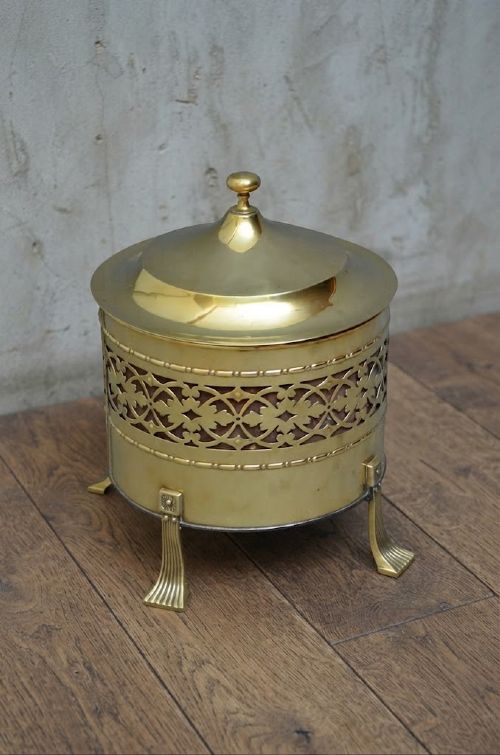
These vintage brass log buckets are robust hearthside vessels designed to hold fuel while anchoring a room with polished metal.
Vintage Brass Log Bucket
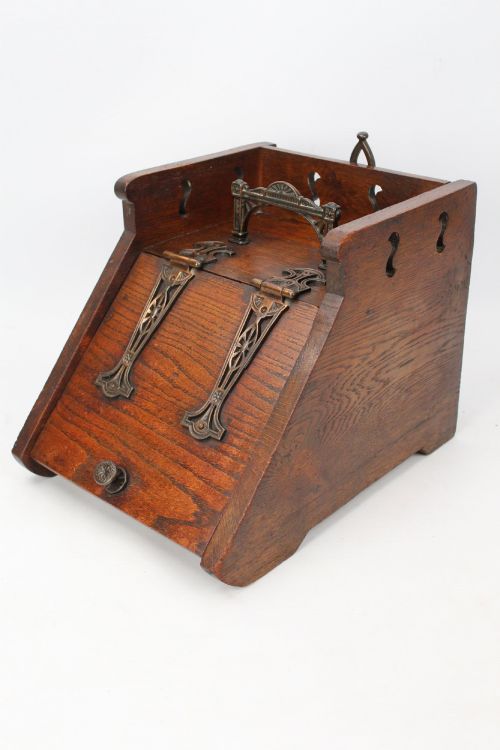
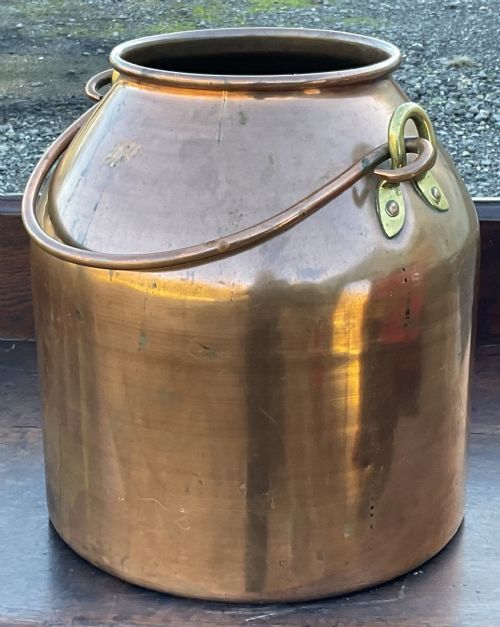
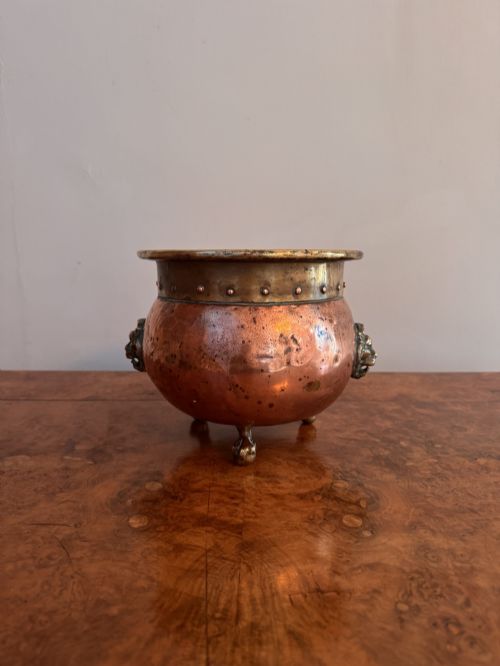
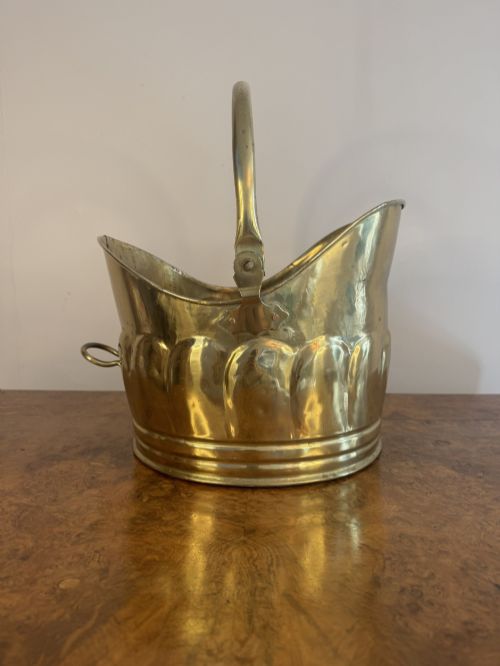
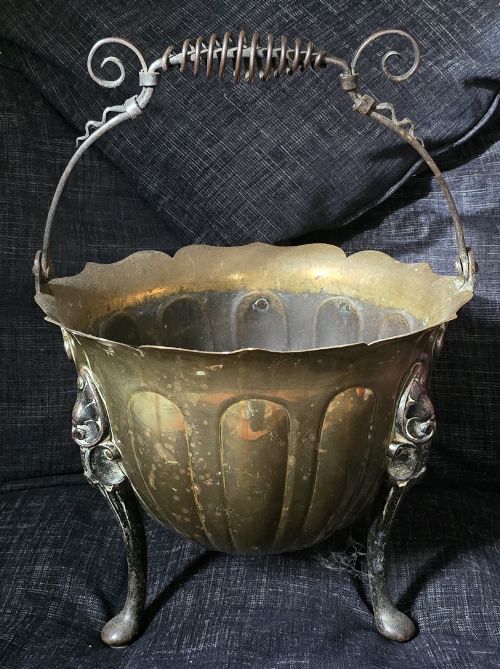
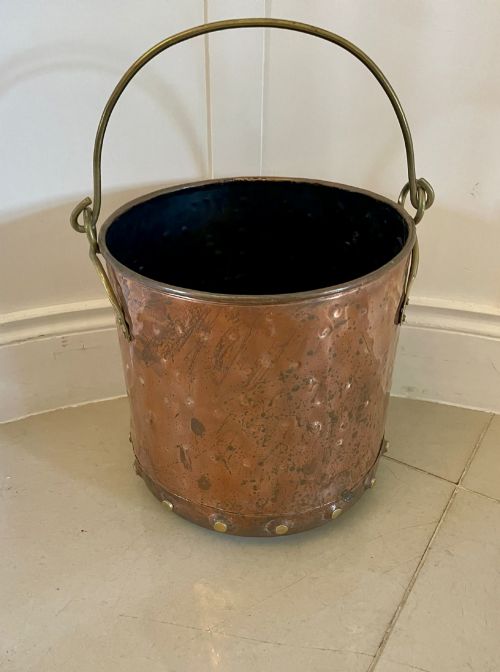
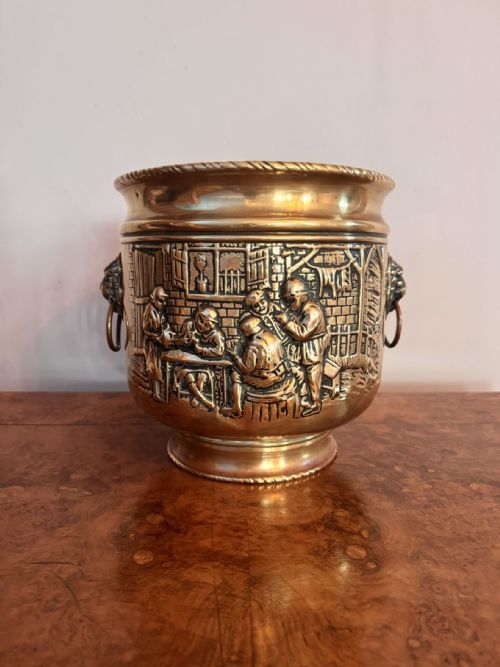
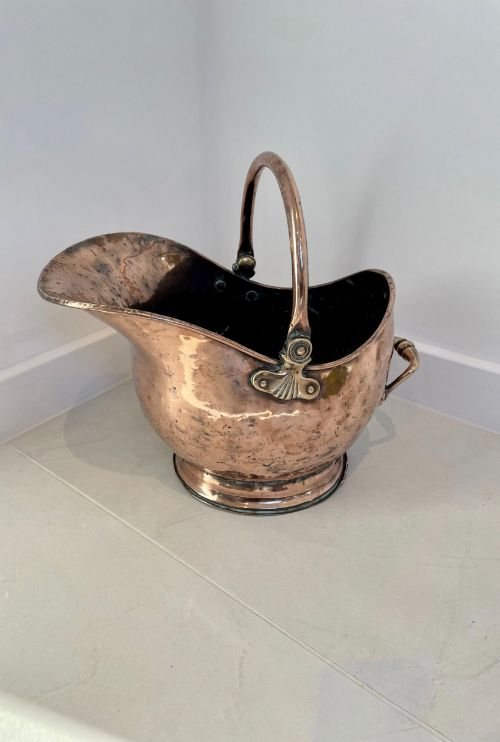
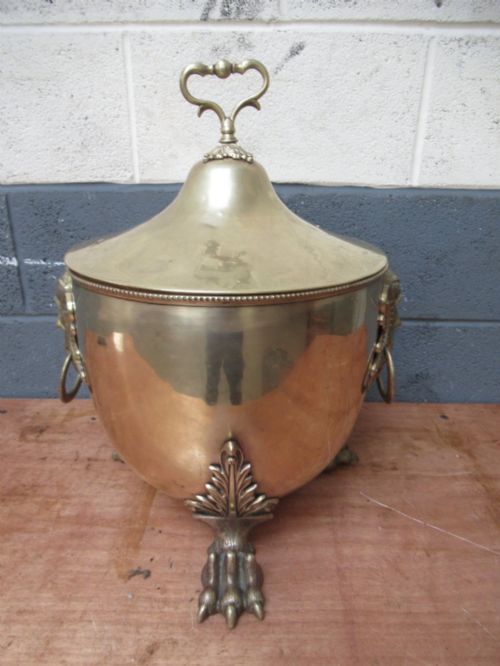
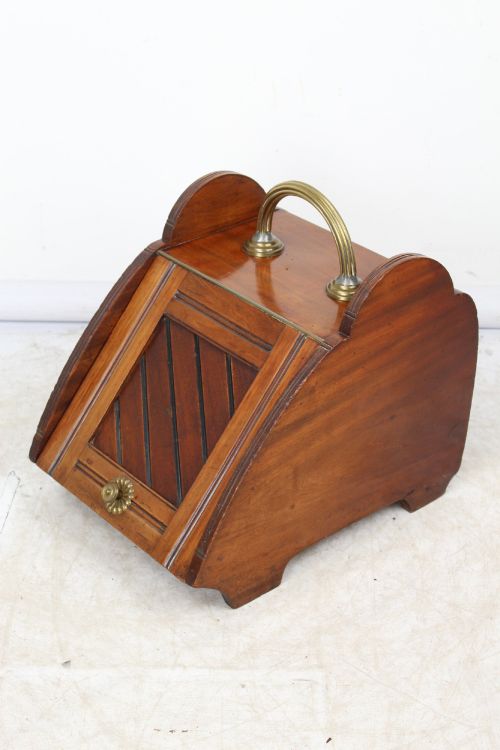
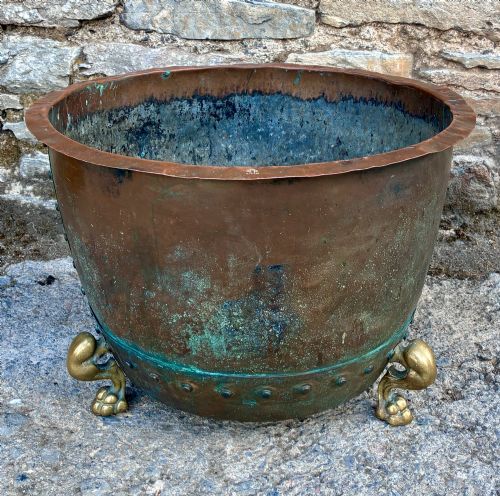
A vintage brass log bucket appears in forms ranging from traditional helmet-shaped coal scuttles to heavy cylindrical bins and handled cauldrons. Buyers seek these pieces for practical fireside fuel storage or decorative placement as planters and jardinieres.
The selections span distinct periods from the Georgian and Regency eras through the Victorian and Edwardian decades into the Arts and Crafts movement and the 1930s. Victorian and Edwardian brass iterations dominate the selection, frequently paired with copper bodies, iron handles and wooden accents.
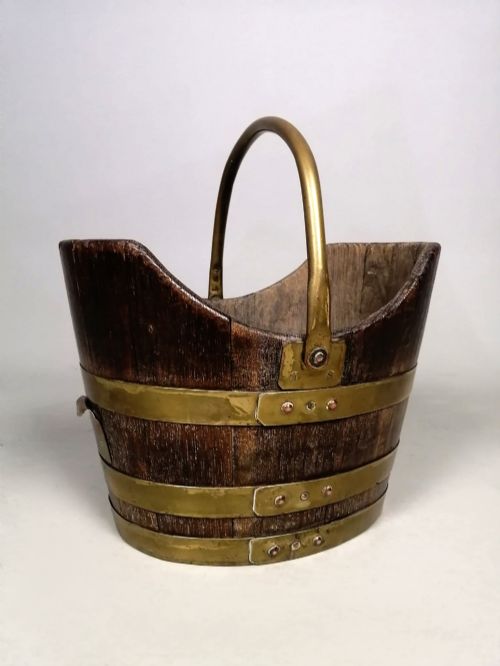
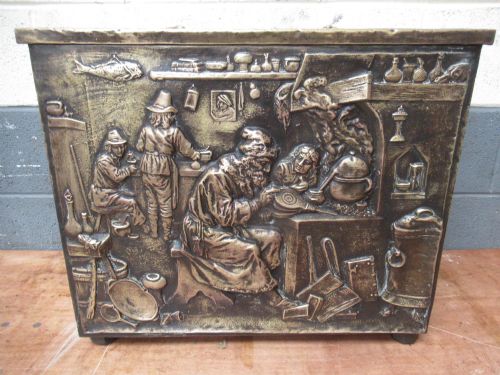
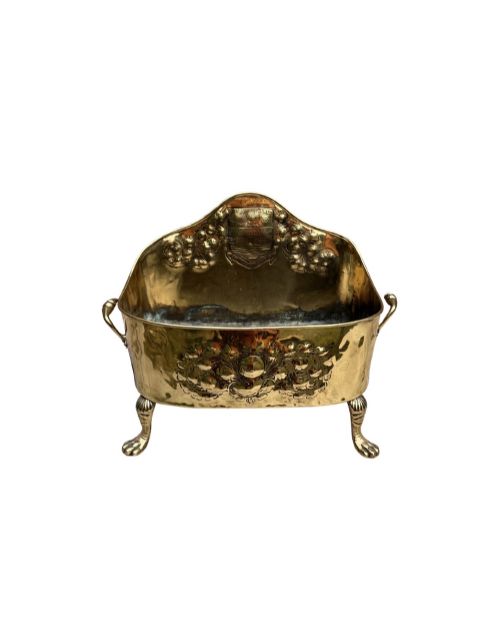
Formations include coopered oak barrels with brass bands, embossed coal boxes, swing-handled vessels and helmet scuttles complete with shovels. Each object reflects the utilitarian demands of historic hearths transformed into decorative interior items.
Materials and construction
These vessels utilise sheet brass and copper joined by riveting, hammering and embossing, alongside timber elements like oak and mahogany. Metal bodies are often hand-finished, featuring repoussé tavern scenes, fretwork designs or plain polished surfaces.
Coopered examples employ traditional stave construction using wood bound with heavy brass bands. Swing handles, paw feet and decorative rims incorporate iron and forged metal to support the weight of heavy fuel.
Vintage Brass Log Bucket Retail Price Guide 2026
Typical asking prices for vintage brass log bucket among the pieces listed under this phrase on Sellingantiques today, from the lower quarter to the upper quarter. They describe what is for sale here now, not the wider market.
Listings span periods from 1750 through the Victorian era to the 1930s, combining brass, copper, oak and wrought iron.
Assessing the execution
Quality reveals itself in the weight of the metal and the crispness of surface decoration such as hand-hammering and embossed detailing. Substantial gauge brass and copper maintain their structural integrity around the rim and base through decades of heavy use.
The presence of original fittings, including matching brass shovels, sturdy swing handles and intact internal liners, separates standard utilitarian items from finer decorative examples.
Henry Loveridge
The Vintage Brass Log Bucket Glossary
- Coal scuttle
- A container designed for holding coal near a fireplace, typically featuring a sloping body and a carrying handle. Many examples include a matching shovel stored in a side sleeve.
- Coopered
- Built using wooden staves joined together side by side and bound by metal hoops, much like a traditional barrel. This technique appears in oak log bins and peat buckets.
- Jardiniere
- An ornamental pot or stand for holding plants and flowers, constructed from brass or copper. These vessels share similar proportions and materials with fireside log buckets.
- Repoussé
- A metalworking technique where the metal is hammered from the reverse side to create a raised design on the front. This method decorates many Victorian brass and copper coal boxes.
Vintage Brass Log Bucket: Frequently Asked Questions
How do I clean a brass log bucket?
Clean the metal using a soft cloth and a proprietary brass cleaner to remove tarnish while preserving the underlying finish. Avoid abrasive pads that scratch the surface.
For pieces with embossed details or hand-hammered textures, use a soft brush to clear polish residue from crevices.
Can these buckets be used for actual logs?
These vessels are structurally robust enough to hold firewood, kindling and coal by the hearth. Metal construction handles the weight and friction of logs.
Many buyers also utilise them as umbrella stands, waste bins or large indoor plant holders.
How do I date a brass bucket?
Dating relies on manufacturing techniques, material combinations and stylistic motifs such as Georgian helmet shapes or Arts and Crafts tavern scenes. Rivet styles and construction methods indicate whether a piece originates in the eighteenth, nineteenth or twentieth century.
Victorian and Edwardian examples often feature machine-rolled sheet brass and stamped decoration, whereas earlier pieces show more hand-beaten characteristics.