






Vintage Brass Kettle Stand
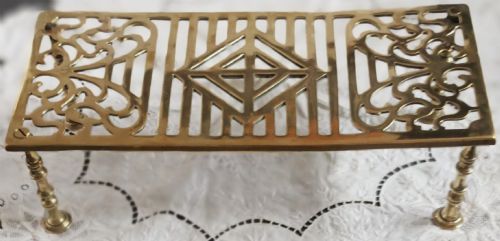
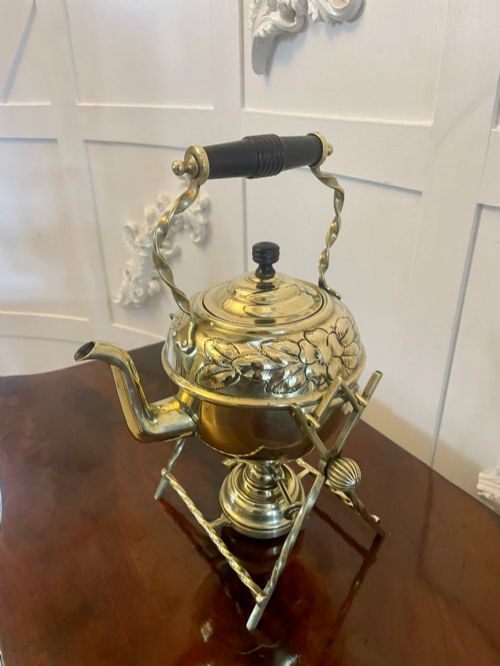
These vintage brass kettle stand pieces bring warmth to the hearth, offering sturdy platforms for heating water beside an open fire.
Vintage Brass Kettle Stand
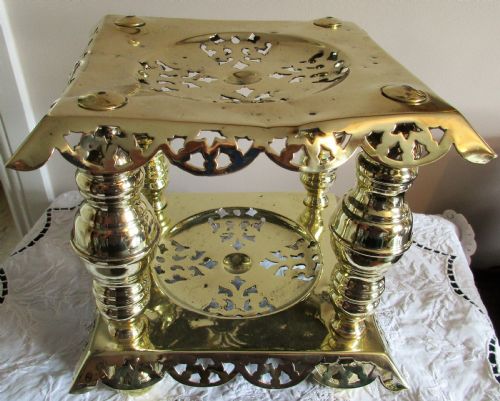
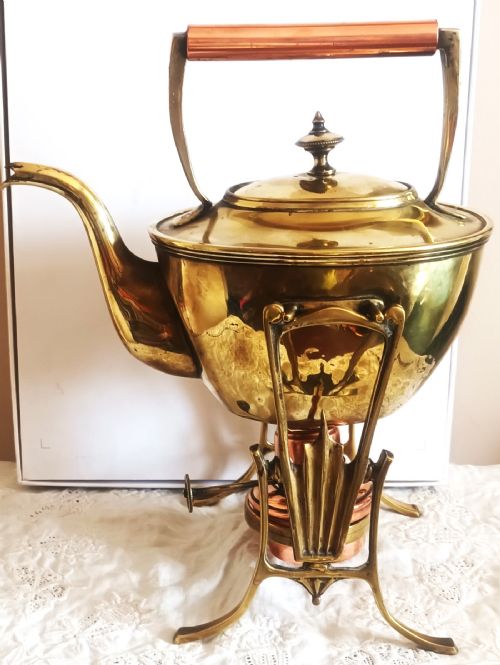
The selection ranges from elaborate spirit kettles with dedicated stands to heavy footmen and two-tier trivets. Many pieces combine brass with steel or iron to provide the necessary strength for supporting weighty pots.
Origins span English, Welsh, and traditional Dutch workshops, reflecting regional preferences in domestic hearth equipment. Pieces date from the eighteenth century through the Edwardian era, showing enduring utility in the home.
Materials and construction
Construction relies heavily on brass, often paired with steel, iron, or copper to reinforce load-bearing areas. Metalworkers utilised casting and sheet metal techniques to form the stands, trivets, and kettle bodies.
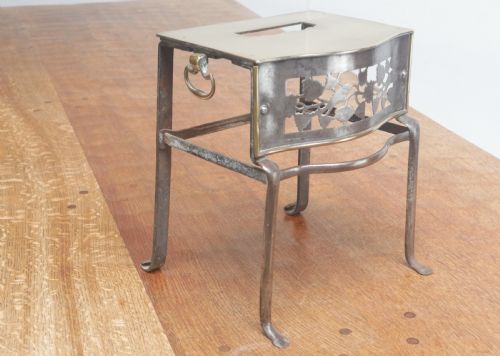
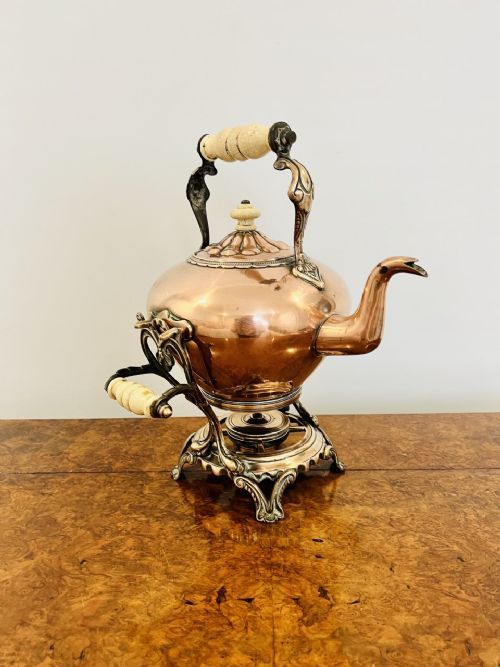
Handles and fittings occasionally incorporate materials like bone or ebonised wood to provide insulation against heat. Wrought iron and steel components appear in footmen to withstand intense fireplace temperatures.
Vintage Brass Kettle Stand Retail Price Guide 2026
Typical asking prices for vintage brass kettle stand among the pieces listed under this phrase on Sellingantiques today, from the lower quarter to the upper quarter. They describe what is for sale here now, not the wider market.
Some Victorian spirit kettles were built so heavy they doubled as impromptu gym equipment for the household butler.
Assessing quality and finish
Quality reveals itself in the weight of the metal and the firmness of the joints on stands and footmen. Heavier castings and substantial gauges of brass and steel indicate superior domestic items built for daily hearth service.
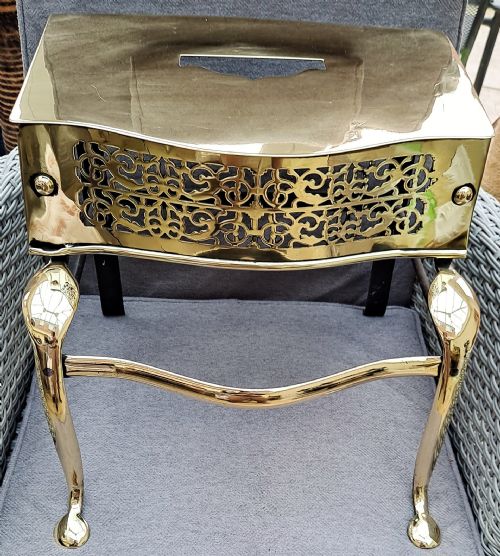
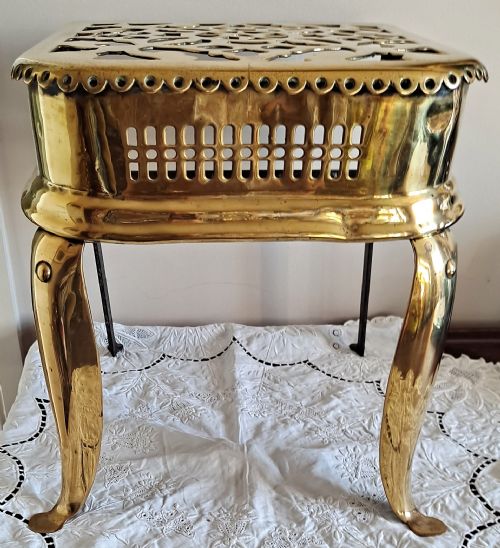
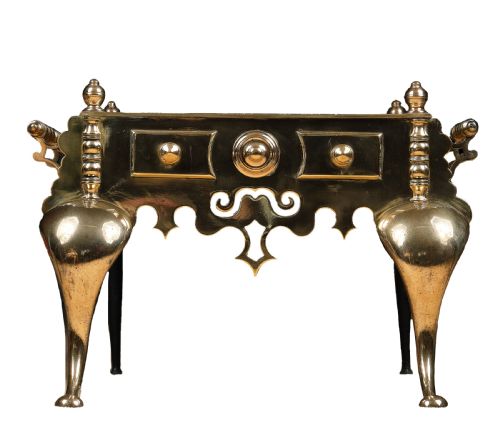
Refinement in surface finish and the integrity of accompanying spirit burners distinguish standard production from finer workshop pieces. Intricate piercing on footman aprons and well-proportioned legs demonstrate superior craftsmanship.
William Soutter & Sons
The Vintage Brass Kettle Stand Glossary
- Footman
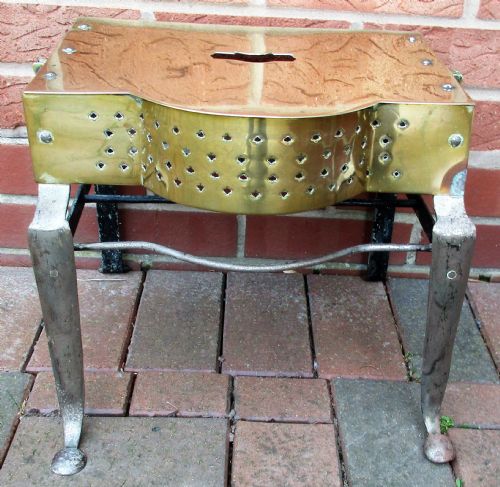
- A metal stand placed in front of a fireplace to keep dishes warm. These heavy pieces typically feature brass tops and iron or steel legs.
- Spirit kettle
- A water kettle mounted on a metal stand containing a small spirit burner. This setup allowed tea to remain heated at the table or hearth.
- Trivet
- A small three-legged or four-legged support used to elevate kettles and pots near the fire. They appear in single-tier and multi-tier formats.
- Inglenook
- A large fireplace recess designed for seating or cooking. Hearth accessories like footmen sat directly within this space.
- Ebonised wood
- Timber treated to resemble ebony, frequently utilised for handles and insulators. This dark finish contrasts with polished brass.
Vintage Brass Kettle Stand: Frequently Asked Questions
How do spirit kettles work?
Spirit kettles sit within a metal stand above a small burner fueled by spirits. This setup kept water hot without needing a return trip to the kitchen.
They became popular for tea service in the nineteenth and early twentieth centuries. The stand held the vessel securely at a convenient height.
Where were kettle stands placed?
Kettle stands and trivets sat directly on the hearth or close to the fireplace opening. Their height kept vessels near the heat source.
Some designs suited table use while others belonged specifically beside the fireplace. Their robust metal construction withstood high ambient temperatures.
How do I clean brass and copper?
Brass and copper benefit from gentle cleaning to preserve their historic surface appearance. Harsh abrasives damage the metal and strip away patinas accumulated over decades.
Many collectors prefer leaving a natural aged finish rather than polishing the metal to a bright shine. Regular dusting keeps the surfaces clear of debris.