


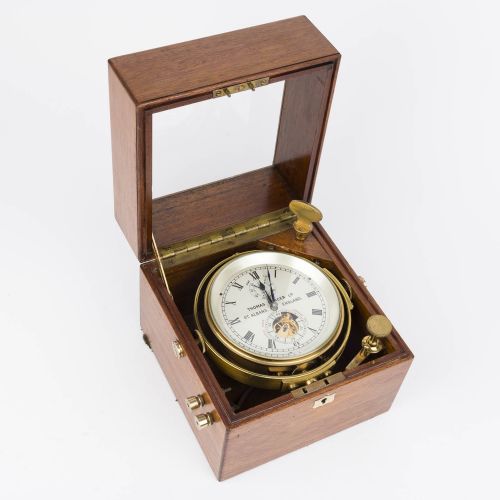


Vintage Brass Instrument Box
These vintage brass instrument boxes house precision tools of navigation, science, and measurement, offering tangible links to historical exploration and technical mastery.
Vintage Brass Instrument Box
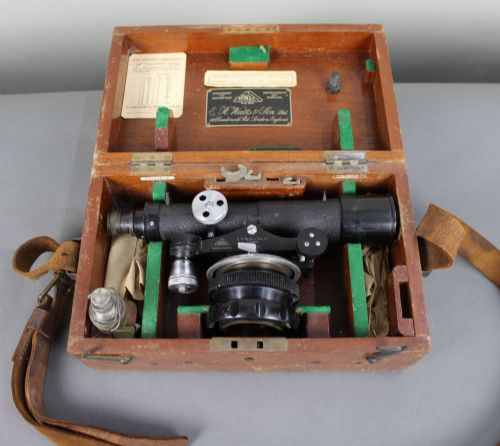
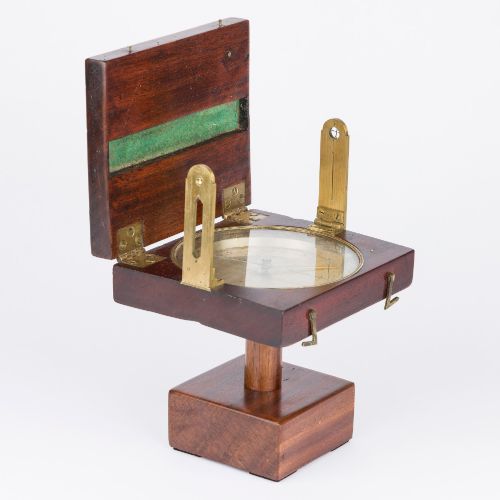
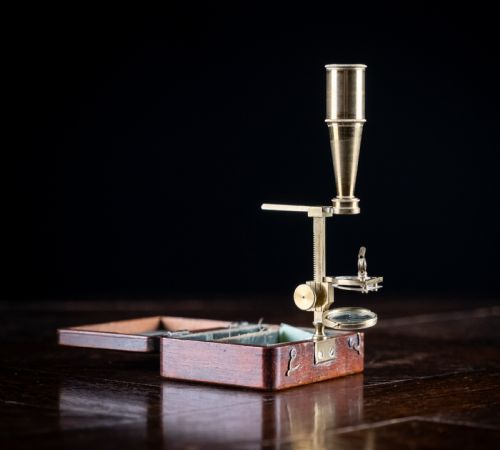
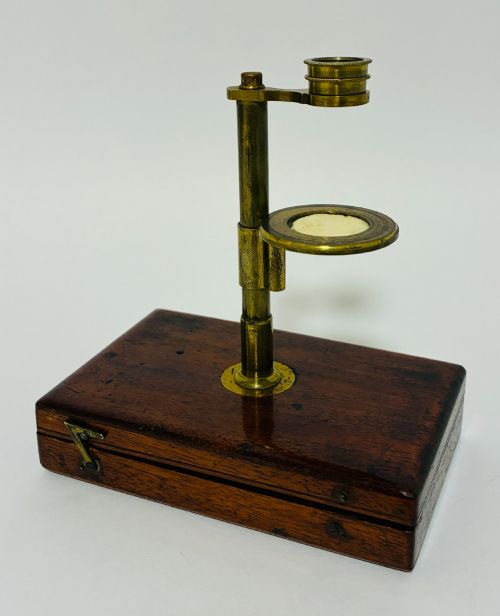
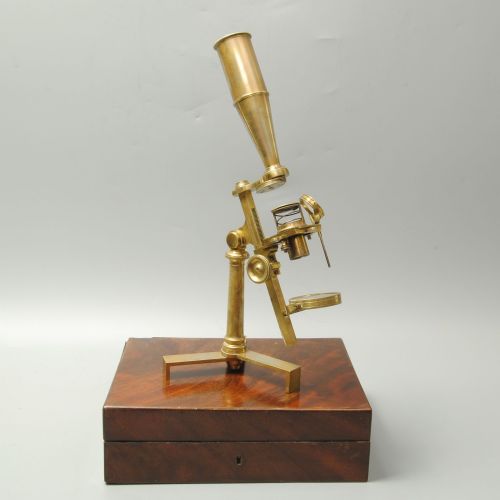
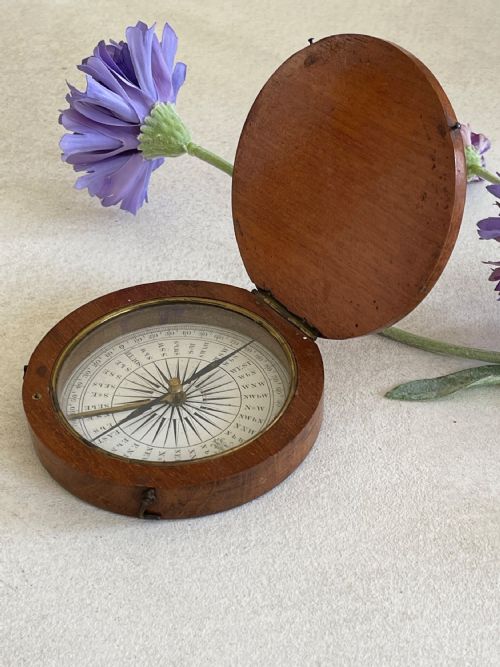
A vintage brass instrument box is typically a fitted wooden case protecting scientific, medical, or navigational equipment. When searching this phrase, buyers encounter specialised containers holding items such as compasses, microscopes, surveying levels, and medical sets.
The objects span multiple eras, with nineteenth-century examples and Edwardian technical sets appearing frequently. These pieces originated as working tools for explorers, doctors, cartographers, and mariners.
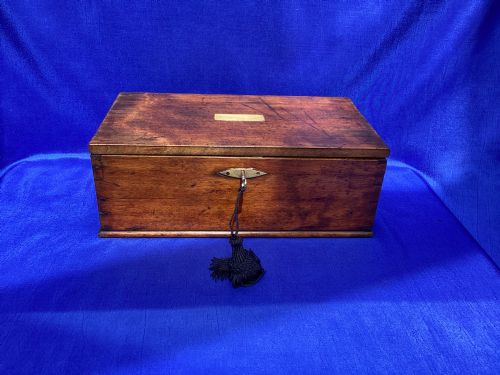
Most iterations combine sturdy timber construction with intricate brass mountings, hinges, and locks designed to secure delicate instruments during transport. The interior fittings often feature tailored velvet, paper, or glass linings to hold each component firmly in place.
Materials and construction
Makers relied on dense hardwoods, predominantly mahogany, to build the outer enclosures, providing durability against field conditions. Brass formed the primary metal for hinges, latches, corner brackets, and the internal instruments themselves.
Interiors were lined with materials like velvet, paper, or glass to cushion delicate optical and measuring devices. Woodworking joints such as dovetails ensured the boxes withstood frequent travel and handling.
Materials appearing across these items include silvered metal, glass, steel, and paper components alongside primary wood and brass.
Determinants of quality
Quality rests in the precision of the internal instruments and the craftsmanship of the fitted case. Superior examples feature robust hardwood construction with tight joints and heavy-gauge brass fittings that operate smoothly.
The presence of original maker signatures on both the instrument and the box elevates a piece significantly. Finer boxes display meticulous interior compartments custom-carved to fit complex scientific apparatus securely.
De Grave Short And Co·G Davis Of Leeds·Cary London·Holtzapffel And Co·L Casella And Co·John Millikin·Thomas Mercer·Litherland Davies Of Liverpool·Cooke Troughton And Simms·Henri De Magnac·Stanley London·Oertling·Swift And Son·F Robson Newcastle·John Lilley And Son London·John Newman
The Vintage Brass Instrument Box Glossary
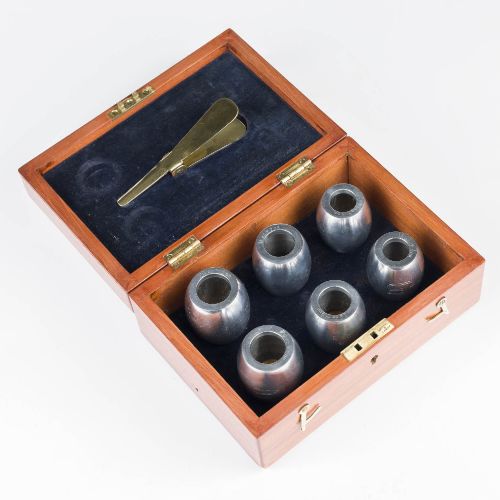
- Chondrometer
- An instrument used for measuring the mass or density of grain. These devices were typically housed in fitted wooden boxes with specific calibration weights.
- Barograph
- A recording aneroid barometer that plots barometric pressure over time on a rotating drum. They are usually mounted within glazed mahogany cases with brass mechanisms.
- Sikes Hydrometer
- A specific type of float hydrometer utilised for determining the strength of spirits. The brass weights and thermometer are nested securely in velvet-lined compartments.
- Artificial horizon
- A navigational device used with a sextant to measure angles when the natural horizon is obscured. Black glass and frame sets are protected within stout wooden cases.
- Marine chronometer
- A highly accurate timekeeper used at sea to determine longitude by celestial navigation. These precision clocks are gimbal-mounted inside dedicated brass-bound wooden boxes.
Vintage Brass Instrument Box: Frequently Asked Questions
How do I date a mahogany and brass instrument box?
Dating relies on the style of the box construction, the typeface of any maker inscriptions, and the design evolution of the enclosed instrument. Nineteenth-century examples often feature simpler dovetail joints and hand-engraved signatures.
Later Edwardian and twentieth-century versions introduce standardised brass components and different label techniques. Consulting known maker operating dates stamped on the equipment helps narrow the timeline.
Were these boxes meant for travel?
Many examples served explorers, surveyors, and naval officers operating in the field. Sturdy mahogany shells and secure brass locks protected delicate mechanisms from rough transport.
Interior linings of velvet or paper kept components from shifting during transit. This portability explains why surviving pieces retain their original contents remarkably well.
How should I clean the brass fittings?
Cleaning should be minimal to preserve the historic patina developed over decades of handling. Gentle dusting with a dry cloth keeps wooden surfaces and metal mounts safe.
Harsh metal polishes strip away age-appropriate oxidation and can damage adjacent wood or paper linings. Maintaining natural wear preserves the character of the piece.