



Vintage Brass Inlaid Cabinet
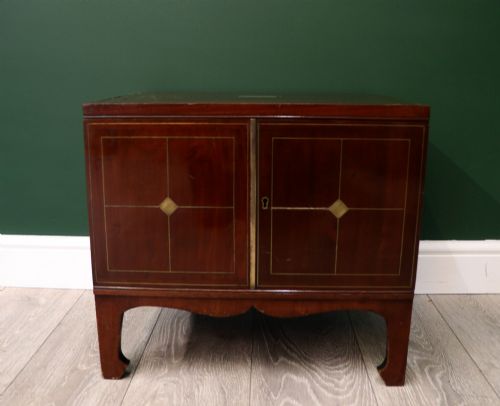
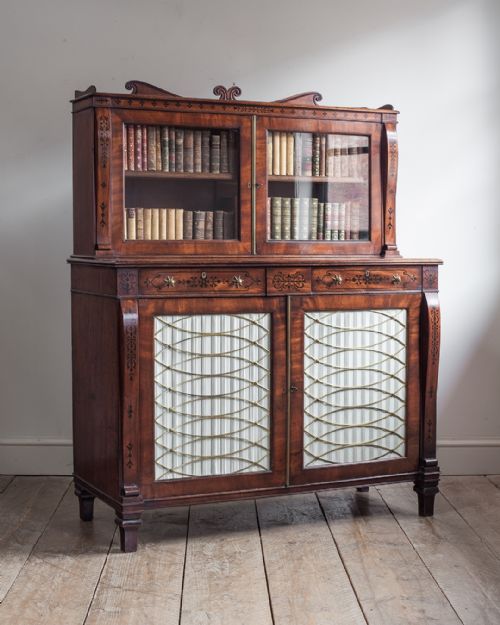
A vintage brass inlaid cabinet brings unmistakable character to a room through precise metalwork set into rich timber.
Vintage Brass Inlaid Cabinet
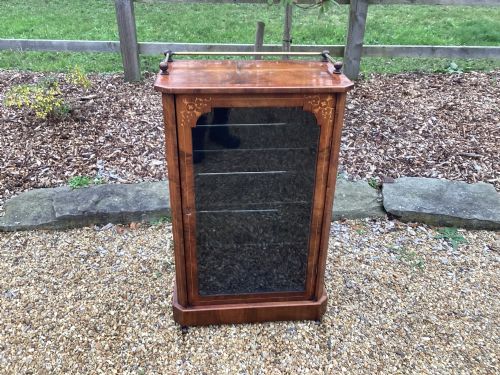
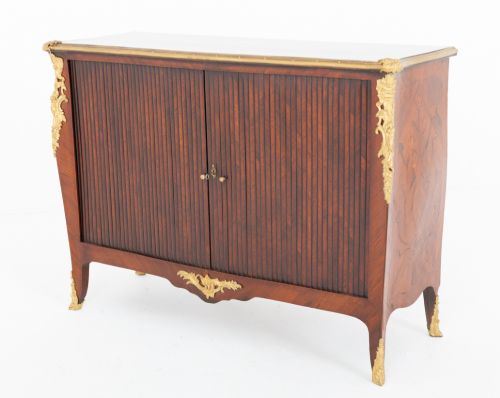
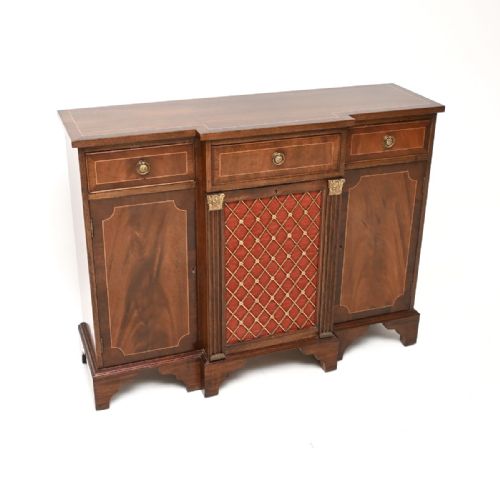
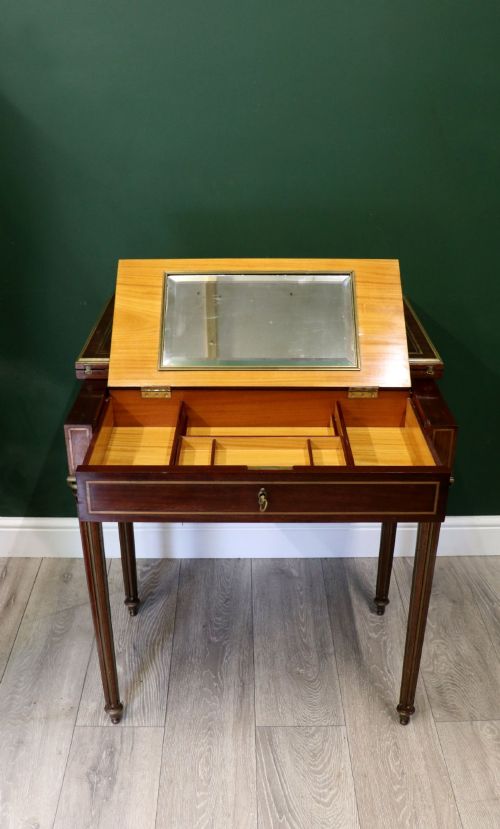
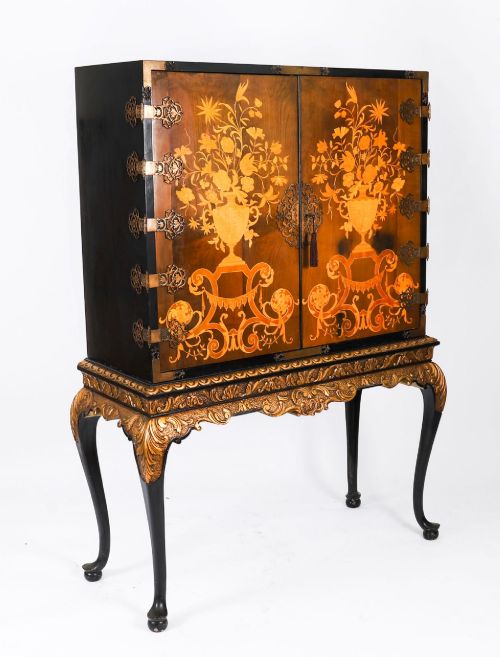
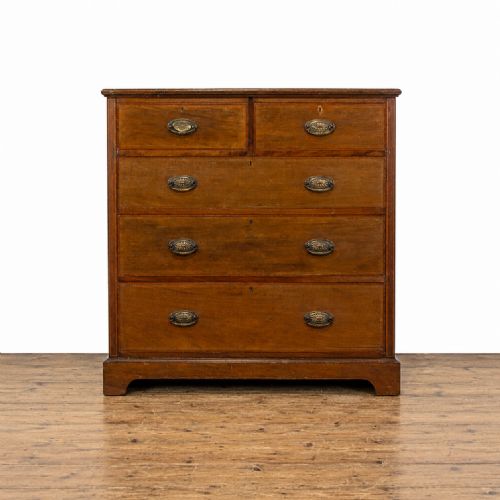
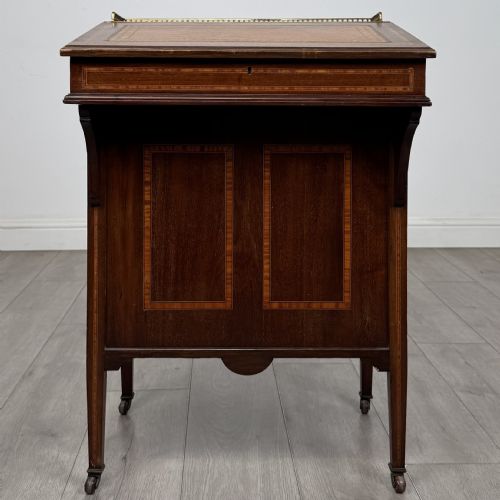
A vintage brass inlaid cabinet spans multiple forms from sideboards and bedside pieces to chests of drawers and desks, originating across the eighteenth, nineteenth, and early twentieth centuries. Pieces from the Victorian, Edwardian, and Regency eras appear alongside French styles such as Louis XV and Louis XVI revival.
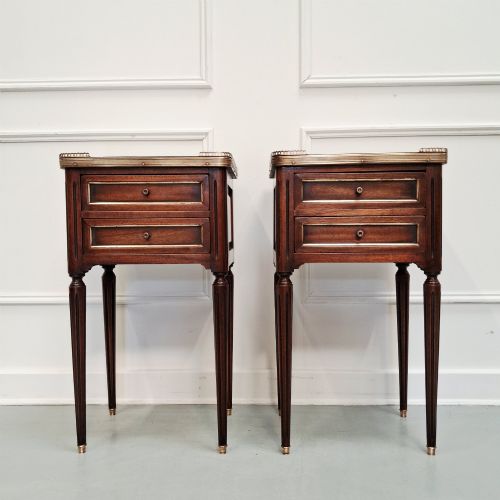
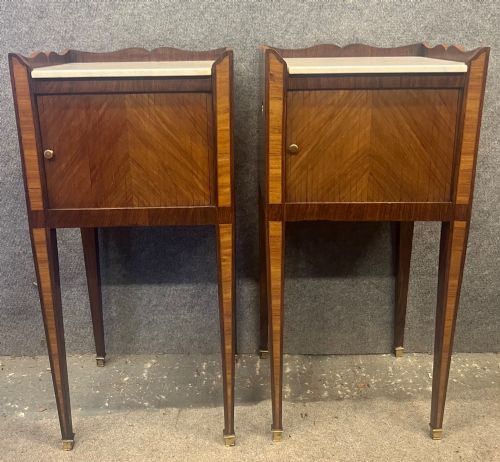
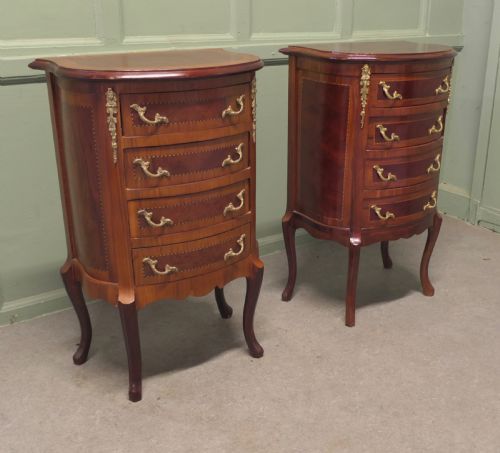
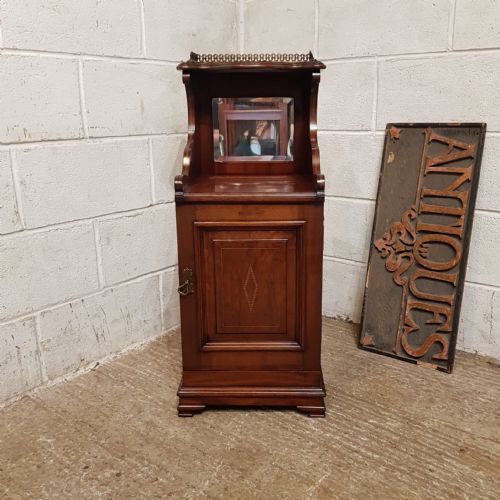
The version most commonly met on this page is the bedside cabinet or side cabinet incorporating mahogany, walnut, or rosewood alongside polished brass. These items offer functional storage while displaying traditional cabinet-making lineages from English workshops and French makers.
Materials and construction methods
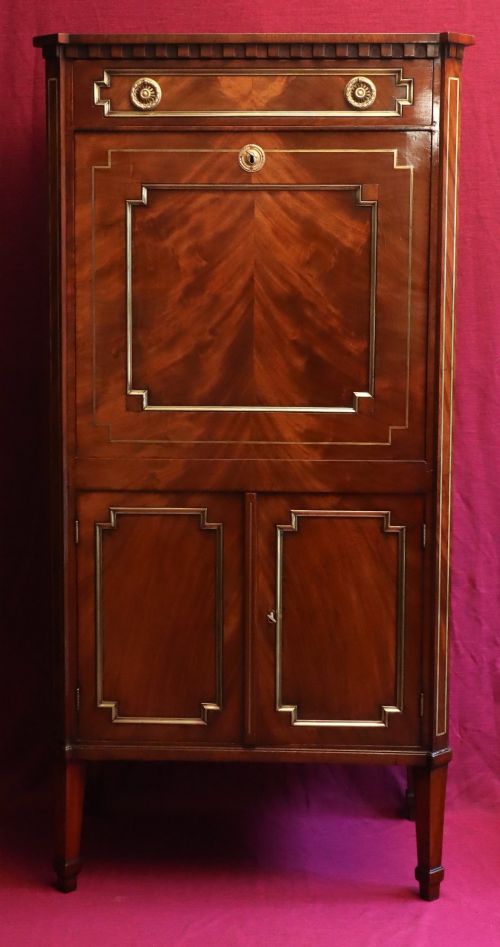
Craftsmen built these cabinets using dense primary timbers such as mahogany, walnut, rosewood, and satinwood, often accenting surfaces with fruitwood or kingwood veneers. Brass was channelled directly into the wood grain to form geometric lines, scrolling motifs, or classical borders.
Structural integrity relied on traditional joinery paired with brass handles, hinges, and occasional castors. Marble tops appear on several French bedside variants, adding weight and contrasting texture to the wooden framework.
Vintage Brass Inlaid Cabinet Retail Price Guide 2026
Typical asking prices for vintage brass inlaid cabinet among the pieces listed under this phrase on Sellingantiques today, from the lower quarter to the upper quarter. They describe what is for sale here now, not the wider market.
Listings feature items spanning the 18th, 19th, and early 20th centuries, utilising mahogany, walnut, rosewood, and marble.
Distinctions in construction and finish
The caliber of a vintage brass inlaid cabinet rests upon the precision of the metal insertion and the selection of the timber grain. Finer examples display flush, tightly fitted brass work where the metal integrates seamlessly into the surrounding mahogany or rosewood without gaps.
Proportion and secondary detailing also dictate standard, separating standard utilitarian items from pieces possessing refined crossbanding, marquetry elements, and original castors or handles.
Mawer & Stephenson
The Vintage Brass Inlaid Cabinet Glossary
- Crossbanding
- A border strip of veneer laid around the perimeter of a drawer front or top, running perpendicular to the central grain. This technique frames the primary timber and accentuates the cabinet lines.
- Marquetry
- The art of forming decorative patterns using thin pieces of wood veneer and other materials applied to a wooden structure. It creates pictorial or geometric surfaces across doors and panels.
- Campaign style
- Furniture constructed for portability, typically featuring recessed brass handles and corner brackets. These pieces prioritize durability alongside compact utility.
- Cellarette
- A specialised storage container designed for holding bottles of wine, frequently elevated on a stand or fitted with internal dividers. They appear in Regency walnut and mahogany forms.
- Commode
- A low standing cabinet containing drawers or doors, originating in French furniture design. They frequently feature decorative veneer work and marble tops.
Vintage Brass Inlaid Cabinet: Frequently Asked Questions
Where should I place a bedside cabinet?
These compact pieces suit positions beside a bed where their surface area accommodates lighting and small items while enclosed compartments conceal private storage.
Their varied heights and wood tones allow them to sit comfortably alongside differing bed frame heights and bedroom scales.
How do I care for inlaid brass?
Dust the surface regularly with a soft dry cloth and avoid harsh chemical polishes that can seep beneath the metal borders and stain the surrounding timber.
Applying a gentle microcrystalline wax occasionally will protect both the wood and the brass without causing residue build-up.
Can I use a side cabinet in a hallway?
Side cabinets and small chests provide convenient surface space for keys and post while offering drawer storage to keep entryways clear of clutter.
Their shallow depths make them practical choices for narrow corridors or transitional spaces between rooms.
How do I identify a Regency period piece?
Regency items typically display classical restraint, incorporating dark woods like rosewood and mahogany complemented by restrained brass inlay or gilt bronze mounts.
Construction from the early nineteenth century often emphasises architectural lines and balanced proportions influenced by classical antiquity.