


Vintage Brass Hanging Lantern
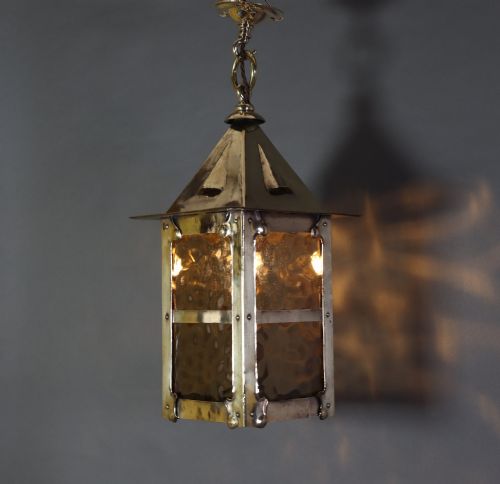
A vintage brass hanging lantern casts a warm pool of light over an entryway, offering a practical anchor of period character for a hallway.
Vintage Brass Hanging Lantern
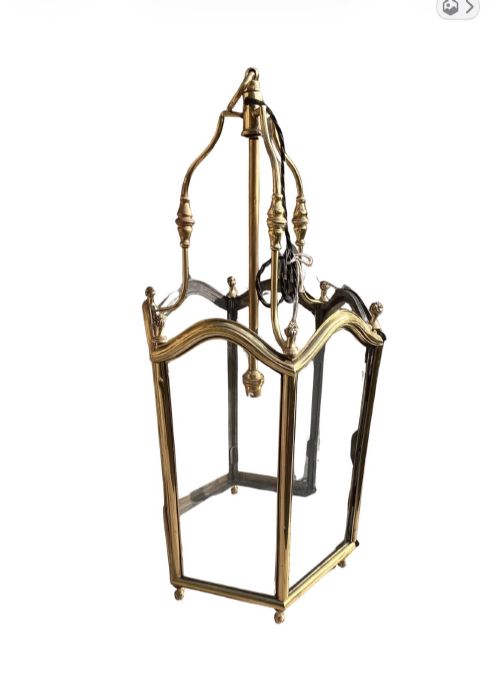
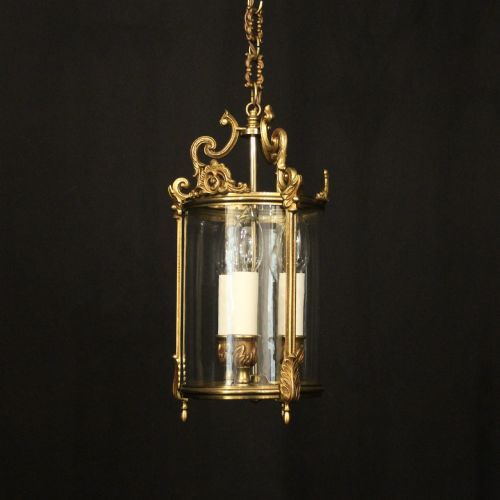
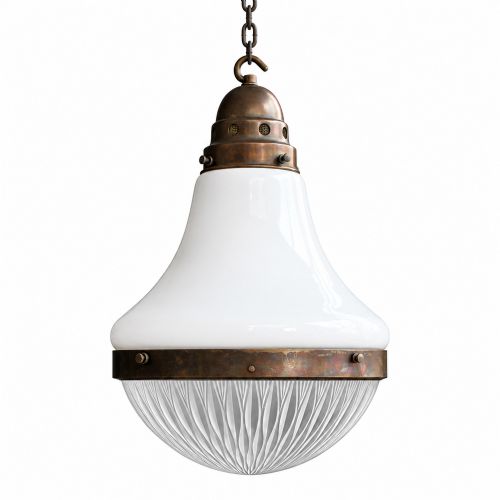
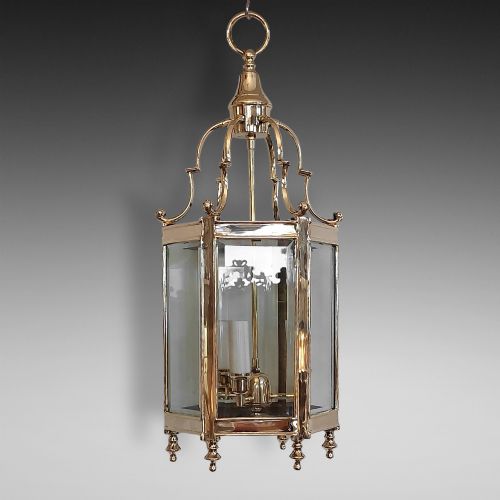
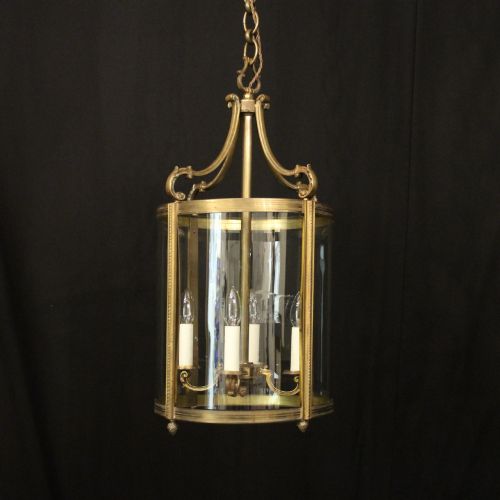
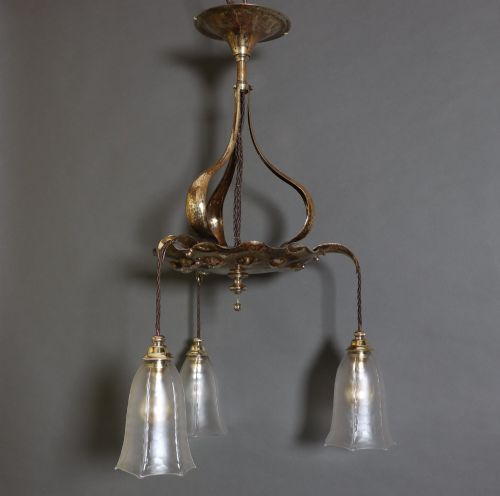
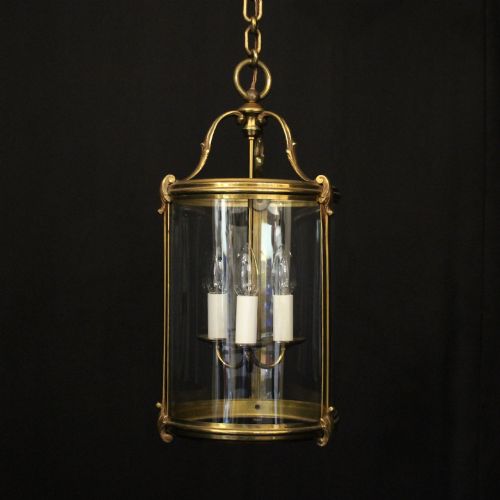
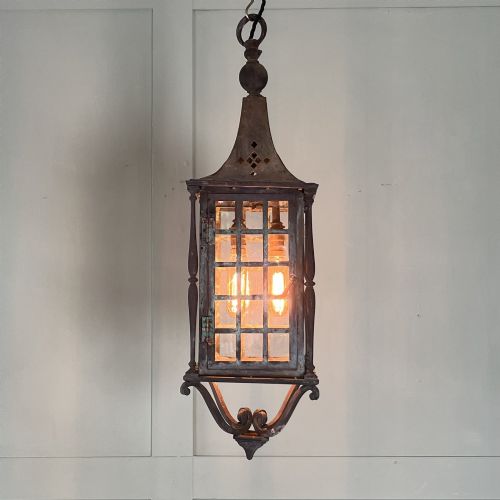
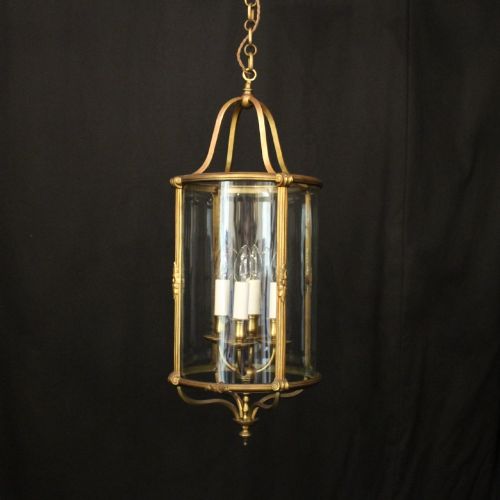
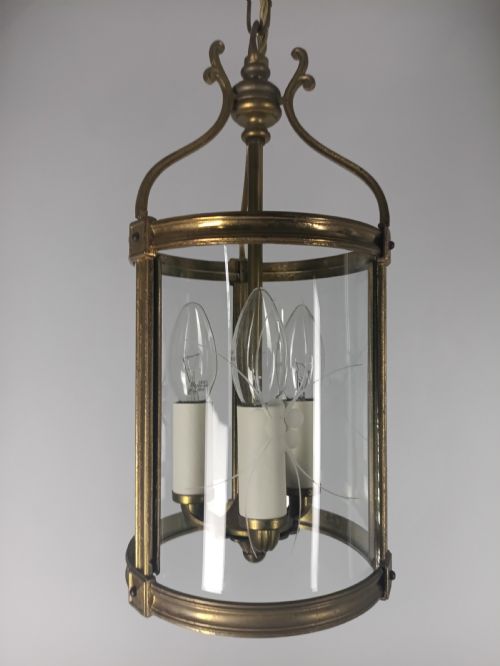
When you search for a vintage brass hanging lantern, you meet functional domestic fittings designed to light halls, porches and stairwells from the Victorian era through the Art Deco period. These fixtures arrive in various architectural forms, ranging from simple hexagonal boxes to elaborate French hall lanterns with multiple internal lights.
The selection on this page draws heavily from Edwardian and early twentieth-century workshops, alongside nineteenth-century examples in bronze, copper and gilded brass. You will encounter pendant lights, ceiling lanterns and specialised hall lighting designed to hang securely from ceilings by chains or robust metal brackets.
Materials and construction
Craftsmen built these lanterns using sturdy frames of cast or sheet brass, bronze, and copper, often enriched with gilding for formal reception rooms. Structural integrity relied on soldered or riveted joints that held firm against the weight of heavy glass panels.
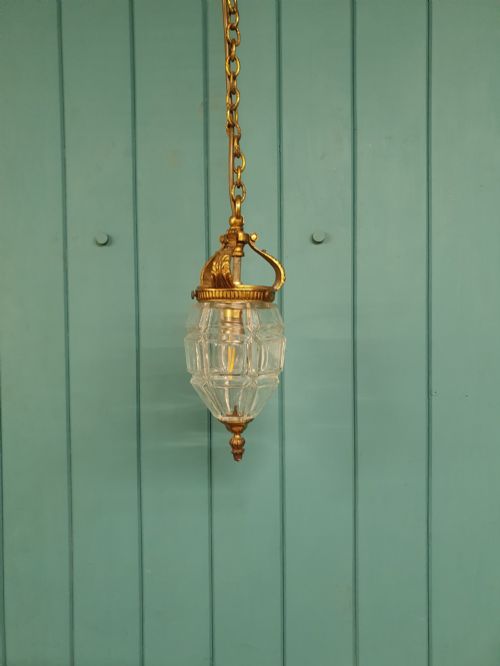
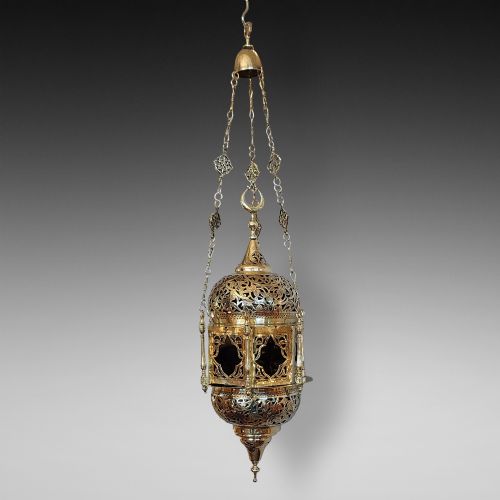
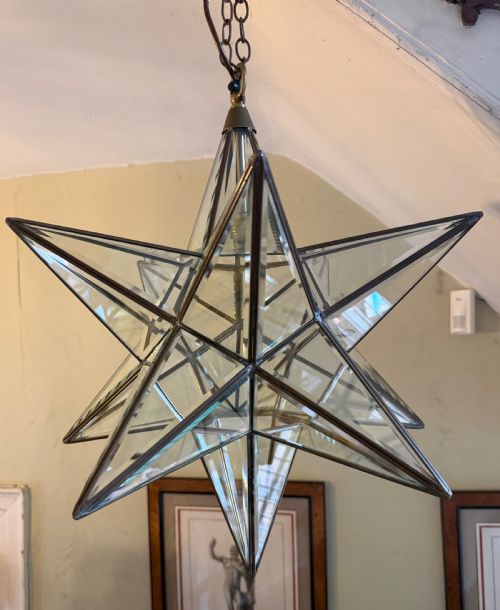
Glazing varied from flat clear panes to bevelled, leaded, etched, and hand-blown bullseye glass designed to diffuse light softly across a room. Specialised pieces also incorporate pierced metalwork or nautical smoked glass for specific functional settings.
Vintage Brass Hanging Lantern Retail Price Guide 2026
Typical asking prices for vintage brass hanging lantern among the pieces listed under this phrase on Sellingantiques today, from the lower quarter to the upper quarter. They describe what is for sale here now, not the wider market.
Some railway and nautical lanterns survived decades of wind and salt spray before finding a peaceful retirement indoors.
Judging quality and craftsmanship
The distinction between standard utility lighting and superior pieces lies in the crispness of the metal casting and the complexity of the glass work. Heavier gauge brass frames and deeply etched or bevelled glass panes indicate substantial manufacture intended for grander domestic spaces.
Proportion and decorative detail separate simpler production models from sophisticated French Neoclassical, Art Nouveau, or Arts and Crafts designs. The presence of original matching suspension hardware and clean structural lines elevates the finished character of the object.
The Vintage Brass Hanging Lantern Glossary
- Bevelled glass
- Glass panes with angled edges cut and polished to catch and refract light. This technique adds depth and sparkle to the fixture.
- Hall lantern
- A ceiling-suspended light fixture specifically scaled for corridors, vestibules, and entrance spaces. These pieces combine decorative metal frames with protective glass panels.
- Gilt bronze
- Bronze metal treated with a thin layer of gold or gold-coloured alloy to impart a rich, reflective surface. It appears frequently in French decorative styles.
- Leaded glass
- Individual pieces of glass joined together by narrow strips of lead came to form geometric or pictorial patterns. This method supports complex window and lantern designs.
- Pendant light
- A single light fixture suspended from the ceiling by a cord, chain, or metal rod. It hangs downward to illuminate a specific area below.
Vintage Brass Hanging Lantern: Frequently Asked Questions
Where should I hang a brass lantern?
These lanterns suit entrance halls, stairwells, and covered porches where their downward illumination serves both a practical and decorative purpose. Their proportions work best in spaces with adequate vertical clearance.
Position the fixture so that it clears head height while remaining a focal point upon entering the room. Hanging them centrally allows the glass panels to distribute light evenly across surrounding walls.
How do I date an antique lantern?
Dating relies on stylistic clues, manufacturing techniques, and the type of metal and glass used in the construction. Victorian and Edwardian examples often feature heavier cast brass frames, whereas 1930s pieces lean towards streamlined Art Deco geometry.
Examine the construction of the frame joints and the fastening screws to understand the period of manufacture. Hand-blown glass and traditional soldered joints usually point to earlier nineteenth-century origins.
Are these lanterns wired for electricity?
Most surviving lanterns have been adapted for modern electrical circuits to allow safe everyday use in contemporary homes. Some retain older fittings or require professional rewiring upon installation.
Check the internal lamp holder and wiring condition before mounting the fixture to ensure it meets current safety standards. A qualified electrician can easily update internal components without altering the external antique frame.
What is a Moravian star lantern?
A Moravian star lantern is a multi-pointed geometric hanging light, often framed in brass with bevelled glass panes. These distinctive fixtures create complex patterns of light and shadow across a room.
Originating as German Moravian church decorations, they became popular architectural accents during the early twentieth century. Their multi-point construction requires careful handling during installation and cleaning.