





Vintage Brass Footman
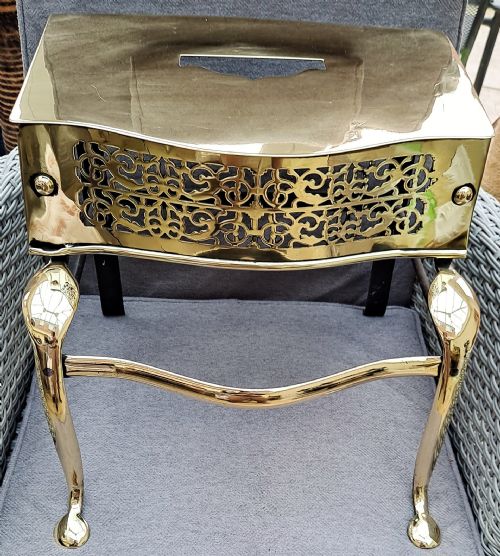
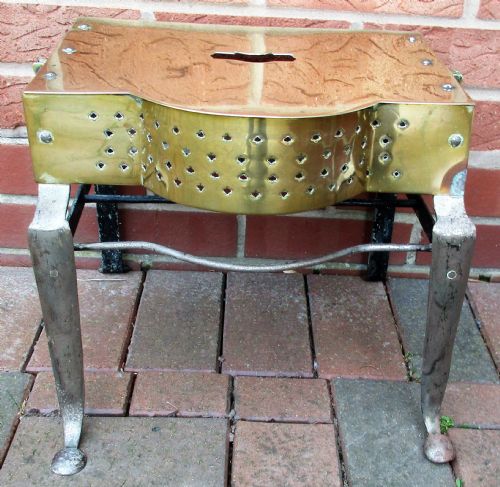
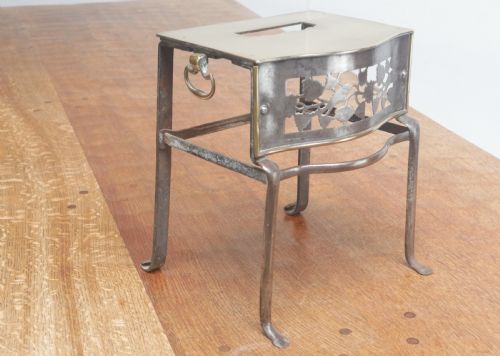
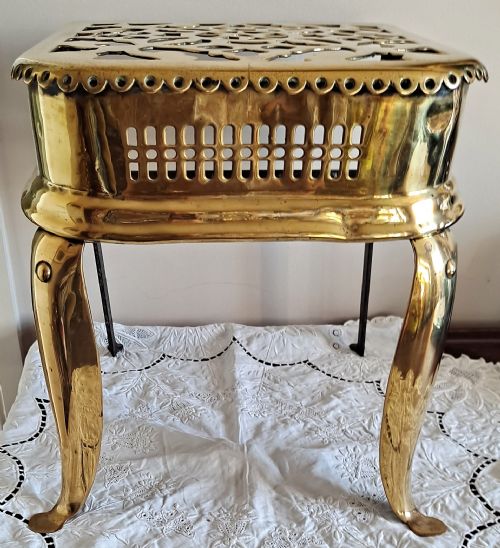
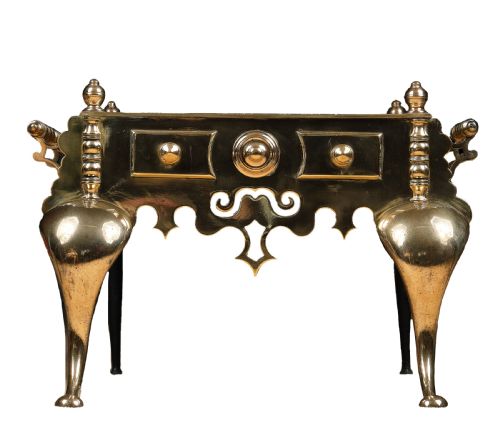
A vintage brass footman stands ready by the hearth, offering a sturdy surface to warm plates or kettles over glowing coals.
Vintage Brass Footman
When you search for a vintage brass footman, you encounter hearth accessories designed for Georgian, Regency, and Victorian fireplaces. These utilitarian pieces served practical purposes beside open fires, holding items near the warmth.
The most common examples on this page combine brass tops with iron and steel frames. These hearth footmen originate from English and Welsh workshops across the eighteenth and nineteenth centuries.
How they were made
Craftsmen utilised heavy brass for the upper plates, combining the metal with robust iron and steel for structural frames. This dual-material construction provided the necessary strength to withstand intense hearth heat without warping.
Forged iron components formed the underpinnings and legs, ensuring stability on uneven hearth stones. Workshops shaped the brass plates through casting and piercing techniques to create decorative yet functional surfaces.
Vintage Brass Footman Retail Price Guide 2026
Typical asking prices for vintage brass footman among the pieces listed under this phrase on Sellingantiques today, from the lower quarter to the upper quarter. They describe what is for sale here now, not the wider market.
Listings span the 18th century, Georgian period, Regency era, 1880, and the 19th century, utilising brass, steel, and iron.
What varies in quality
The distinction between standard examples and superior pieces rests upon the weight of the brass and the integrity of the iron framework. Heavier plates and more substantial steel components indicate a sturdier build intended for heavy daily use.
Detailing in the construction of the legs and handles also separates ordinary items from finer ones. Well-proportioned forms and clean piercing on the brass surface reflect greater care during manufacture.
The Vintage Brass Footman Glossary
- Footman
- A metal stand placed by a fire to keep food or water warm. These items functioned as essential hearth accessories in period homes.
- Inglenook
- A large recessed space around a fireplace, typically found in older houses. Fireplace warmers and footmen sat inside these areas to utilise the ambient heat.
- Hearth
- The floor of a fireplace, usually made of stone or brick. Footmen stood directly upon these surfaces.
- Regency
- A period in British history spanning the early nineteenth century, characterised by specific design traits seen in furniture and metalwork. Pieces from this era often display refined proportions.
Vintage Brass Footman: Frequently Asked Questions
What is a brass footman?
A brass footman is a traditional fireside accessory used to warm plates and kettles. It stands near the fireplace coals on sturdy legs.
These pieces date across the Georgian, Regency, and Victorian eras. They combine brass upper surfaces with iron and steel frames.
How were footmen used?
People placed these metal stands by the hearth to keep food warm before serving. The elevated platform held items safely above the ash.
They often sat inside large inglenook fireplaces where heat was most concentrated. Handles allowed servants to move the warm stands safely.
How do I date a footman?
Dating relies on observing the materials, construction methods, and stylistic cues present in the metalwork. Georgian examples often feature distinct iron and brass combinations.
Later Victorian pieces display different manufacturing traits while maintaining the traditional form. Comparing the weight and framing helps determine the period.
Are these pieces made of solid brass?
Most examples feature a solid brass top plate combined with iron and steel structural elements. This mixed-metal construction provided both heat resistance and structural support.
The frames utilised iron and steel to bear weight near the fire. Pure brass alone would lack the necessary rigidity for the legs.