


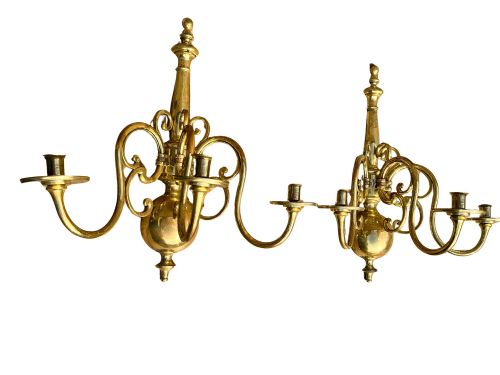

Vintage Brass Candle Brackets
Vintage brass candle brackets bring warm, directional illumination to panelled walls, channelling decades of European craftsmanship.
Vintage Brass Candle Brackets
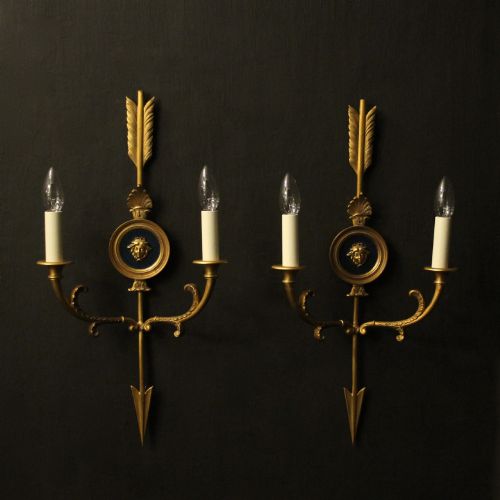
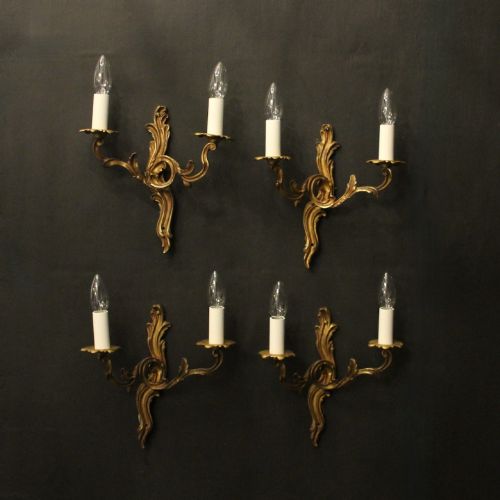
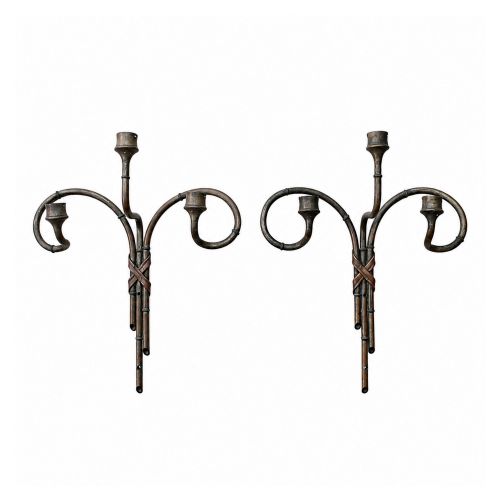
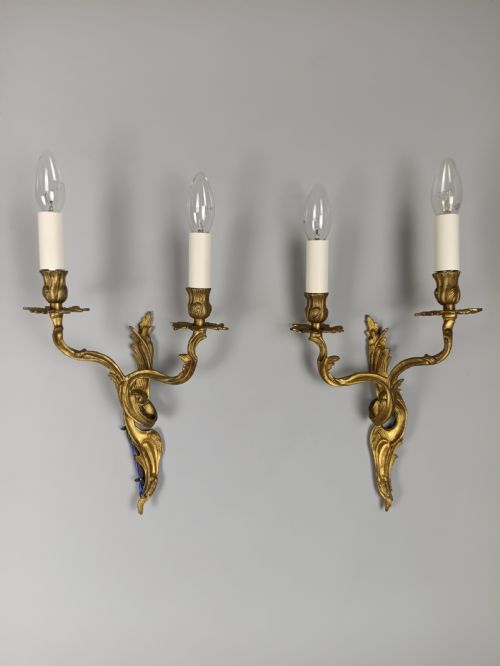
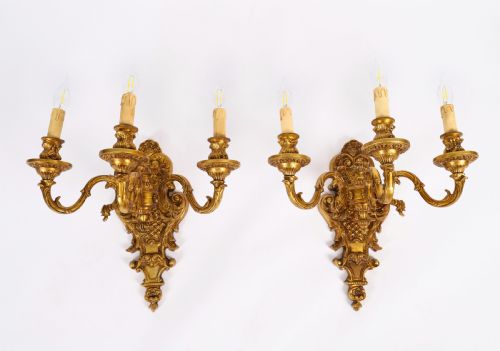
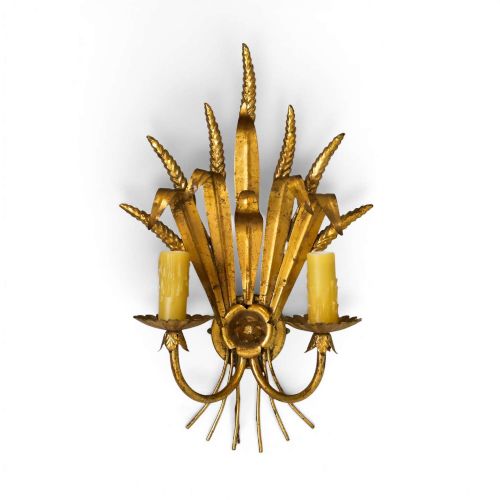
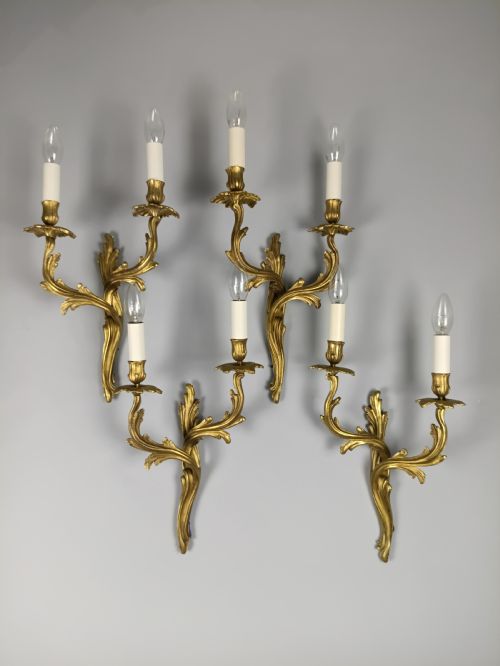
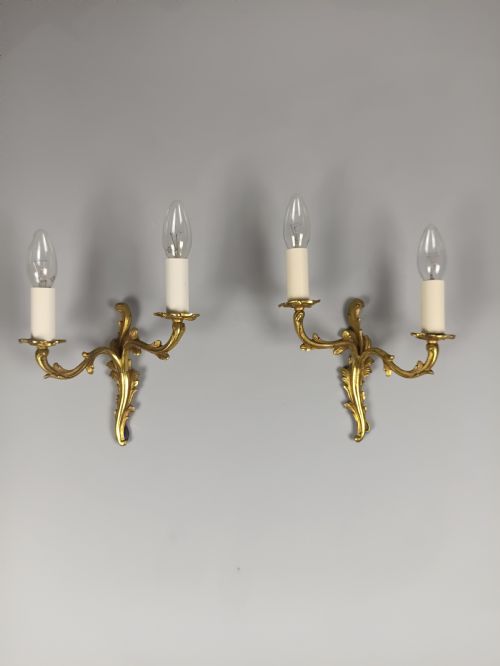
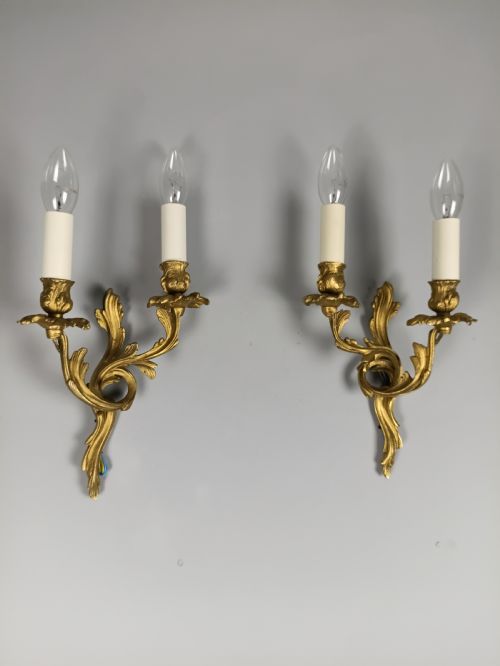
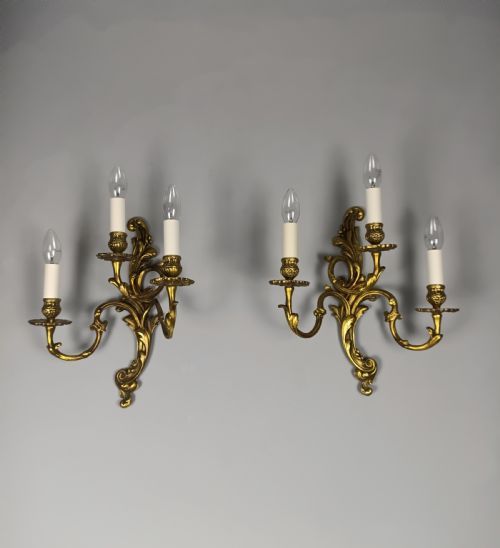
Vintage brass candle brackets encompass wall-mounted light fixtures designed to project warmth and ambient glow across a room. When exploring vintage brass candle brackets, buyers frequently encounter French examples featuring multiple arms and ornate casting. These fixtures function primarily as architectural wall ornaments that combine practical illumination with decorative sculpture.
The selection ranges from single-arm variations to grand multi-branched arrangements intended for formal drawing rooms. Pieces span from the late nineteenth century through the mid-twentieth century, capturing shifts in domestic interior design. French influences dominate the selection, bringing distinct continental proportions to British and European homes.
Many survivors retain their original configurations or have been adapted for electrical wiring while preserving their historical silhouette. Pairs and larger sets remain common, offering balanced symmetry for flanking mirrors, fireplaces or doorways. Each bracket reflects the domestic lighting traditions of its specific decade of production.
Materials and construction methods
Makers utilised cast brass, gilt bronze and ormolu as primary mediums for these wall fixtures, ensuring durable structural integrity alongside decorative richness. Molten metal was poured into detailed moulds, allowing artisans to achieve intricate relief work and sculptural depth. Surface treatments such as gilding or silvering were subsequently applied to enhance light reflection and visual weight.
Assembly typically involved mechanical joints or pinning to unite backplates, drip pans and scrolling arms into a cohesive unit. The integration of bronze and brass permitted sharp chasing and surface detailing that distinguished high-grade decorative hardware. Artisans relied on traditional foundry techniques passed down through generations of metalworkers.
Materials documented across the inventory include cast brass, gilt bronze, ormolu and silvered brass.
Distinctions in execution and finish
Quality separates fixtures by the crispness of the casting and the depth of the chased surface detail. Superior examples display sharply defined acanthus leaves, rococo scrolls and floral motifs without the softening typical of worn secondary moulds. The weight of the metal and the solidity of the backplate attachment indicate the original tier of production.
Finishing treatments also define the upper echelon of pieces, where fire-gilding or heavy ormolu retains its lustre and varied tone over time. Lesser pieces often exhibit simpler stamped components and uniform, flat surfaces that lack hand-finished refinement. The harmony of proportions between the backplate and the extending arms completes the aesthetic standard.
F. & C. Osler
The Vintage Brass Candle Brackets Glossary
- Ormolu
- Gilded bronze produced by applying a mercury and gold amalgam to a bronze base and heating it. This historic French technique yields a distinctive, durable golden surface.
- Backplate
- The flat or shaped metal section that mounts directly to the wall surface. It provides the structural anchor for the projecting candle arms.
- Sconce
- A wall-mounted lighting fixture designed to hold candles or electric lamps. The term is frequently used interchangeably with wall light and bracket.
- Rococo
- An ornate artistic style characterised by asymmetrical scrolls, shell motifs and fluid plant forms. It strongly influenced mid-eighteenth-century design and later nineteenth-century revivals.
- Chasing
- The manual process of refining metal castings using tiny punches and hammers. This technique sharpens surface details after the initial casting stage.
Vintage Brass Candle Brackets: Frequently Asked Questions
Were these brackets originally wired for electricity?
Most pieces originating from the nineteenth and early twentieth centuries were originally designed solely for wax candles or oil. Subsequent rewiring for electricity is a common twentieth-century adaptation found on many surviving examples.
Buyers should inspect the internal wiring paths and consult a qualified electrician before installation to ensure current safety standards are met. Rewired fixtures retain their antique housings while accommodating modern domestic lighting needs.
How should I clean antique brass and gilt bronze?
Gentle dusting with a soft, dry cloth is the safest routine maintenance for historic metal surfaces. Avoid harsh commercial polishes, as abrasive compounds can permanently strip delicate gilt layers and ormolu finishes.
Professional conservation advice should be sought if deeper cleaning is required to remove stubborn grime. Preserving the natural patination built up over decades maintains the historical integrity of the piece.
How do I distinguish Rococo revival from Neoclassical styles?
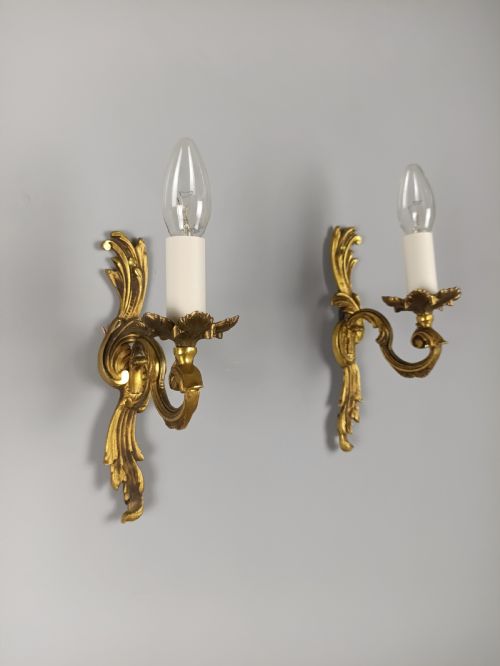
Rococo revival pieces display asymmetrical curves, C-scrolls and naturalistic plant motifs derived from mid-eighteenth-century French aesthetics. They favour flowing, organic lines that avoid rigid geometric symmetry.
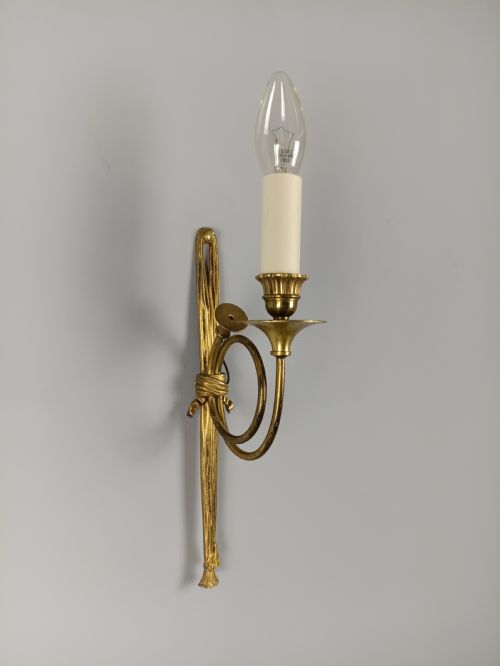
Neoclassical designs, by contrast, rely on strict symmetry, urns, swags and architectural motifs inspired by classical antiquity. Recognising these decorative vocabularies helps date and categorise individual brackets accurately.
Can I install these wall lights on drywall?
Wall brackets often carry considerable weight due to solid cast brass or bronze construction. Proper installation requires securing the backplate directly into wooden studs or utilising heavy-duty wall anchors suitable for the specific load.
Checking the weight distribution across the backplate ensures the fixture hangs securely without straining the wall material. Professional mounting is recommended for larger multi-arm configurations.