

Vintage Brass Cabinet
A vintage brass cabinet brings polished metal detailing and functional storage to a room, ranging from narrow bookcases to cocktail furniture.
Vintage Brass Cabinet
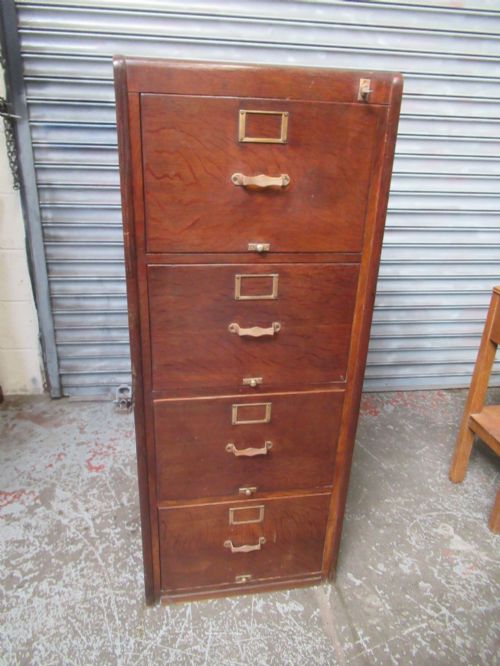
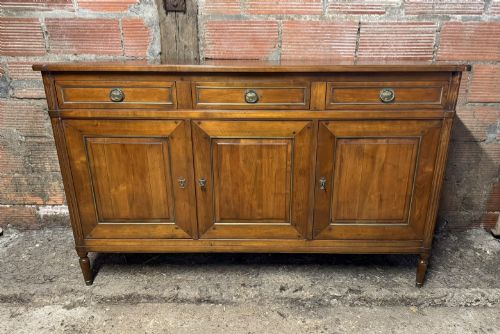
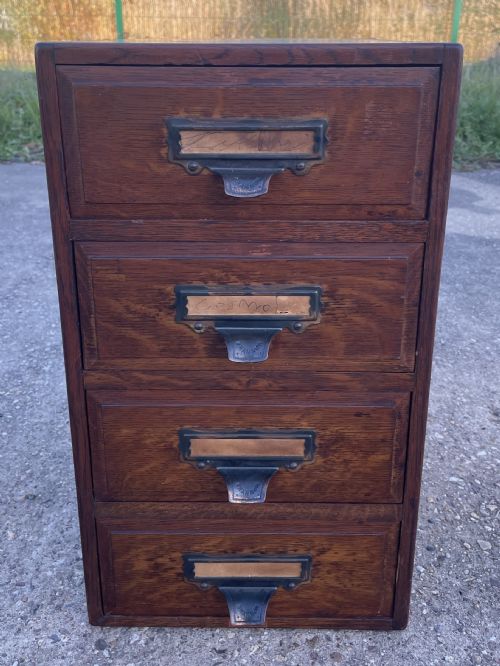
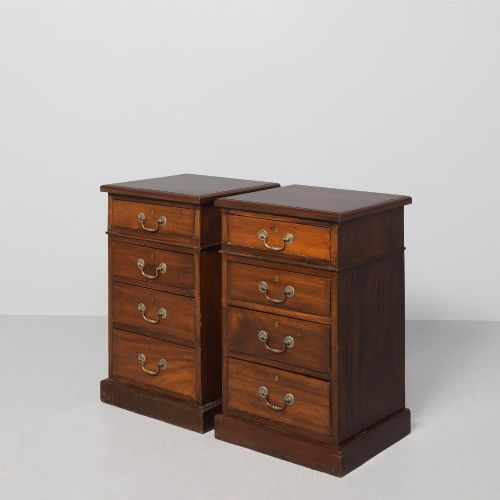
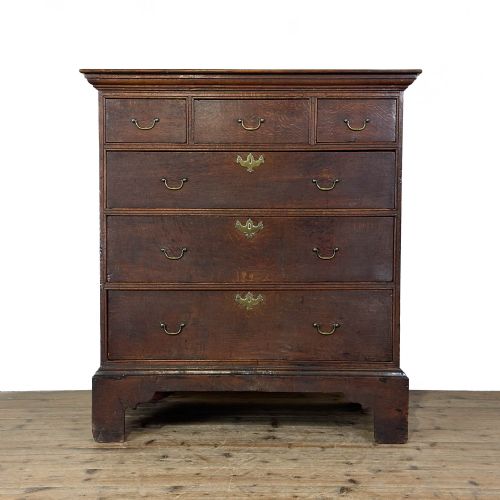
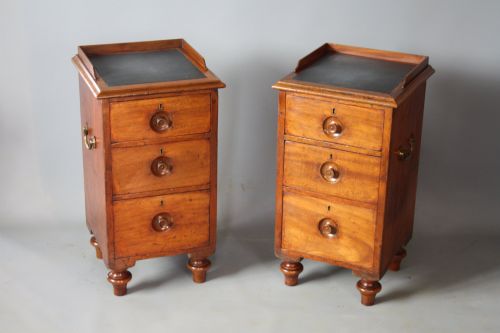
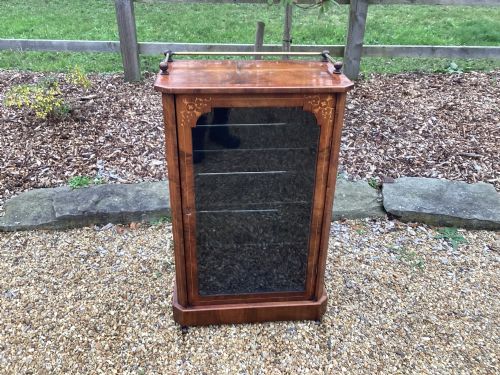
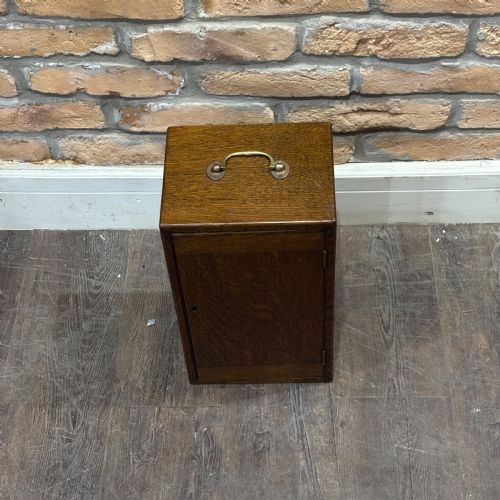
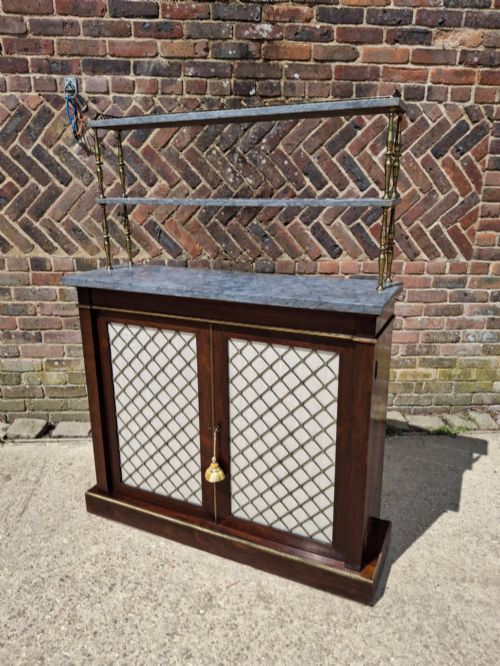
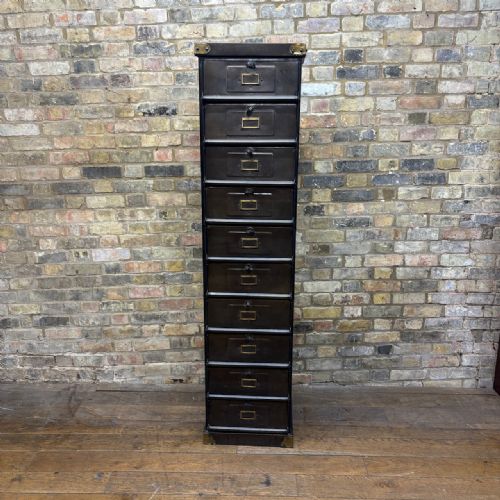
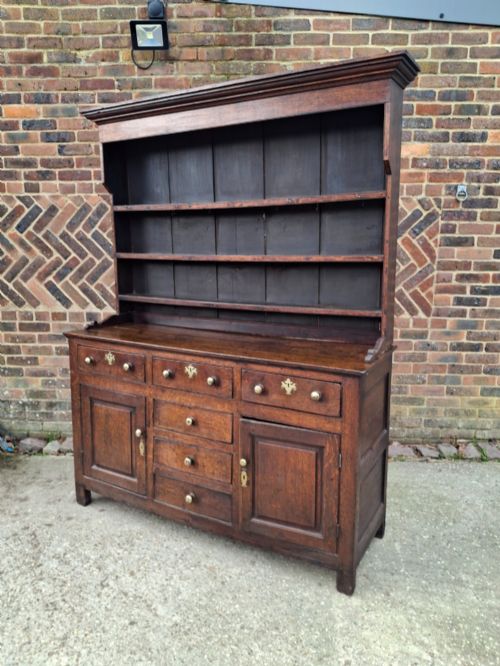
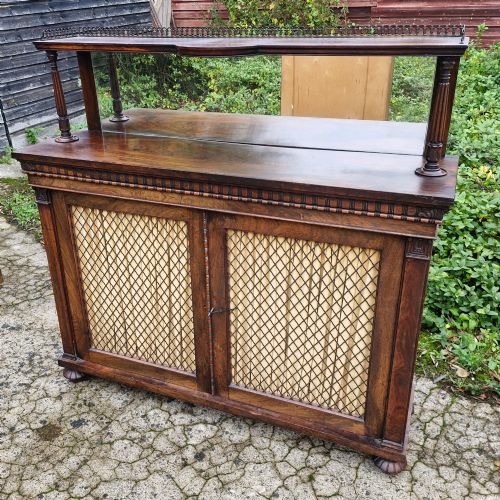
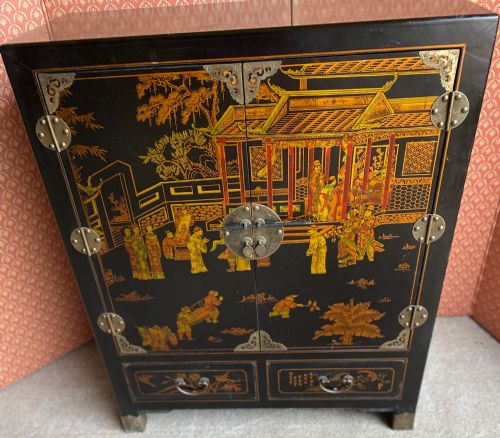
When searching for a vintage brass cabinet, buyers encounter timber frames accented with metal handles, mounts, or frames rather than solid brass construction. The selection includes sideboards, filing chests, and cocktail cabinets spanning the Edwardian era through the nineteen-thirties.
Mahogany and oak form the structural foundations of most pieces, often paired with glass panels, marble tops, or inlaid veneers. These items served functional domestic and office roles originally, storing documents, spirits, or tableware.
Materials and construction methods
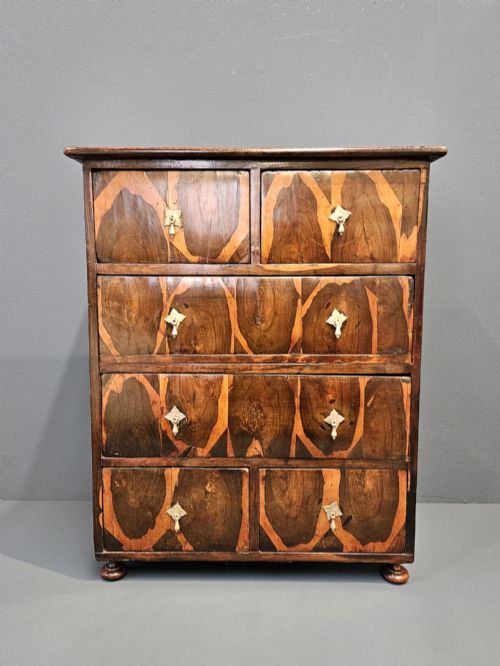
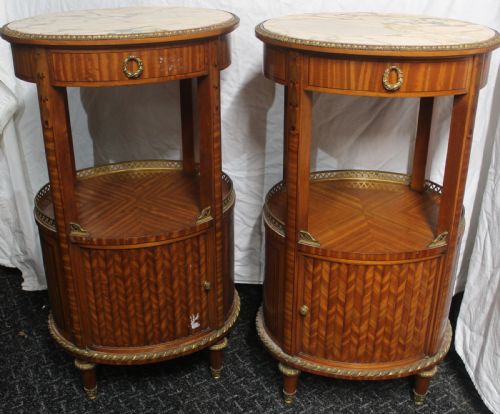
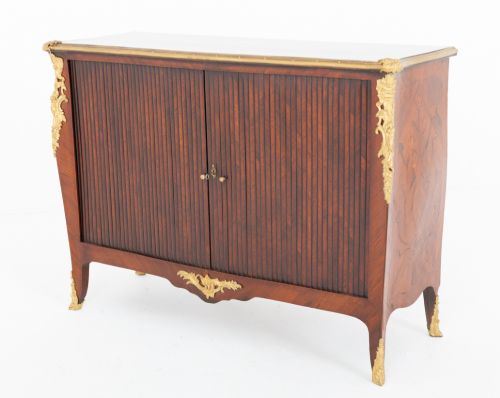
Cabinetmakers utilised hardwoods such as mahogany, oak, and walnut, frequently applying marquetry, kingwood, or red lacquer finishes to external surfaces. Ormolu mounts and cast brass ring pulls provide the characteristic metal highlights seen across the period pieces.
Glass doors, marble surfaces, and fabric linings appear on display units and cocktail cabinets, requiring precise joinery to support heavier materials within domestic furniture.
Vintage Brass Cabinet Retail Price Guide 2026
Typical asking prices for vintage brass cabinet among the pieces listed under this phrase on Sellingantiques today, from the lower quarter to the upper quarter. They describe what is for sale here now, not the wider market.
Listings feature items from the eighteenth century up through the nineteen-thirties, combining oak, mahogany, walnut, and marble.
Distinguishing quality in period cabinetry
Superior examples demonstrate refined timber selection, such as burr walnut or figured mahogany, alongside crisp casting on brass mounts and handles. The integration of auxiliary materials, including inset marble tops or fitted interior compartments, marks the division between standard utilitarian pieces and high-status items.
Structural integrity relies upon traditional joinery techniques and the matching of secondary timbers, which maintain stability across opening doors and heavy drawers over decades of use.
Early Heals
The Vintage Brass Cabinet Glossary
- Ormolu
- Gilded bronze or brass applied as a decorative mount on furniture. It provides bright metallic contrast against dark hardwoods like mahogany.
- Marquetry
- The art of applying decorative veneer pieces to a structure to form geometric or floral patterns. Walnut and kingwood often feature in these designs.
- Serpentine
- A furniture front curving outward in the centre and inward at the sides. This shape requires skilled woodworking to achieve precise alignment.
- Vitrine
- A glass-fronted display cabinet designed for porcelain or decorative objects. They frequently incorporate delicate legs and metal mounts.
Vintage Brass Cabinet: Frequently Asked Questions
How do I clean brass mounts?
Dust surfaces regularly with a soft cloth to prevent grime accumulation on the metal elements. Avoid harsh chemical polishes that might strip the original patination from the brass.
Apply a mild, non-abrasive metal cleaner specifically formulated for antiques only if necessary, protecting surrounding wood veneers from accidental contact during application.
Where should I place a display cabinet?
Position cabinets away from direct sunlight and heat sources to protect timber veneers and interior fabrics from fading. Stable room temperatures prevent wood from warping.
Ensure floors are level so that heavy glass doors and drawers operate smoothly without binding in their frames.
What rooms suit a cocktail cabinet?
Living rooms and dining spaces provide natural settings for cocktail furniture, keeping glassware and entertaining accessories close at hand. Their fitted interiors suit social areas.
Pair these pieces with complementary period seating or sideboards to maintain a cohesive interior style.
How do I identify Edwardian pieces?
Edwardian furniture often displays lighter golden oak or mahogany timbers, frequently decorated with subtle string inlay. Designs borrow heavily from earlier Georgian and Sheraton traditions.
Hardware tends to feature stamped brass or simple ring pulls rather than the heavier cast mounts associated with nineteenth-century styles.