



Vintage Bowl Fixture
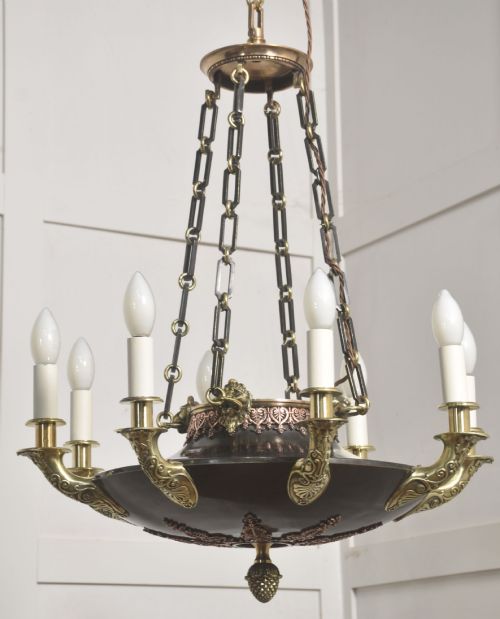
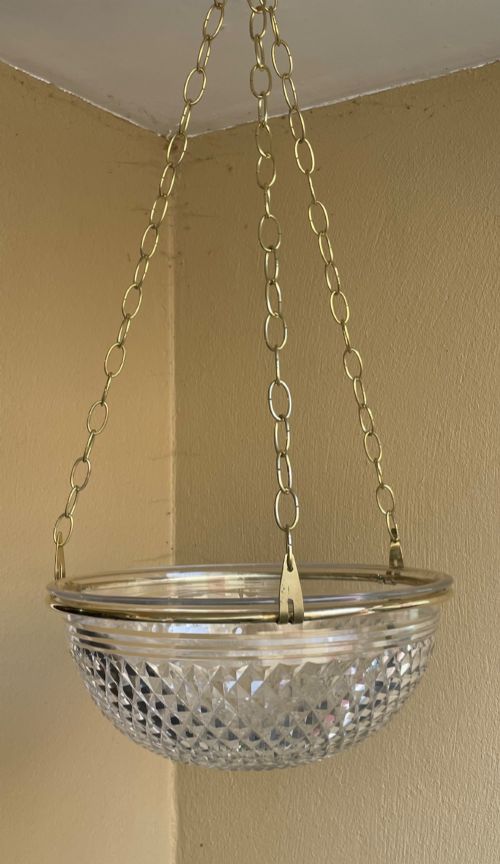
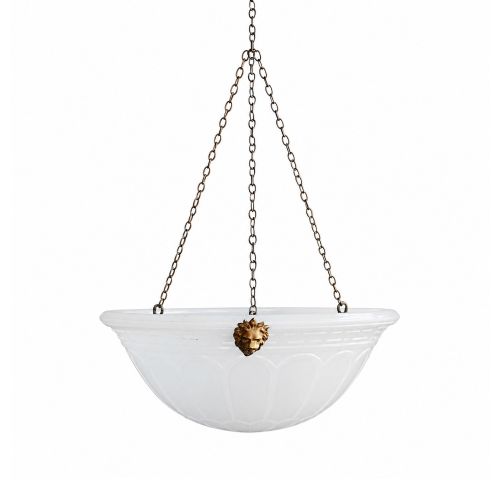
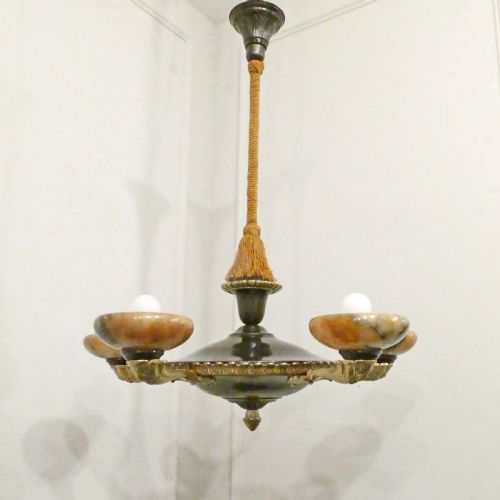
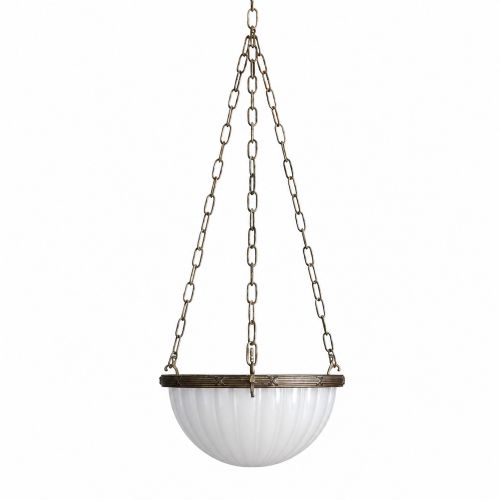
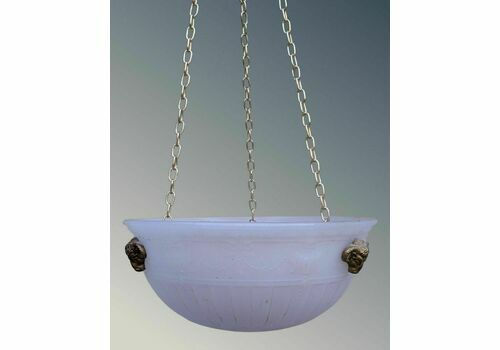
A vintage bowl fixture offers an interior focused downward illumination through suspended glassware held by metalwork.
Vintage Bowl Fixture
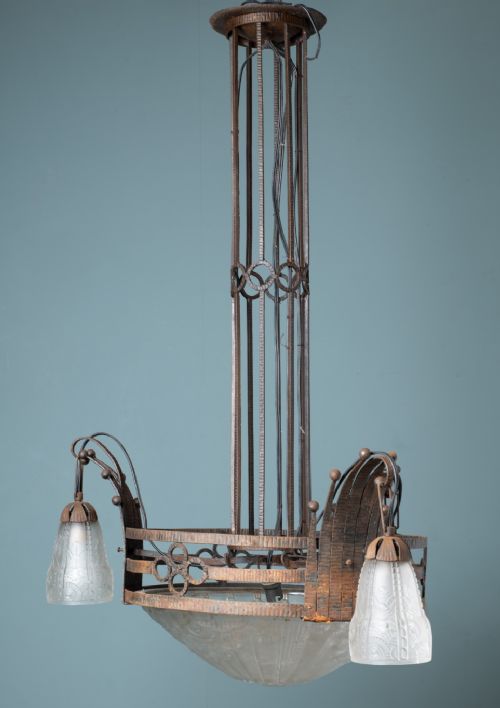
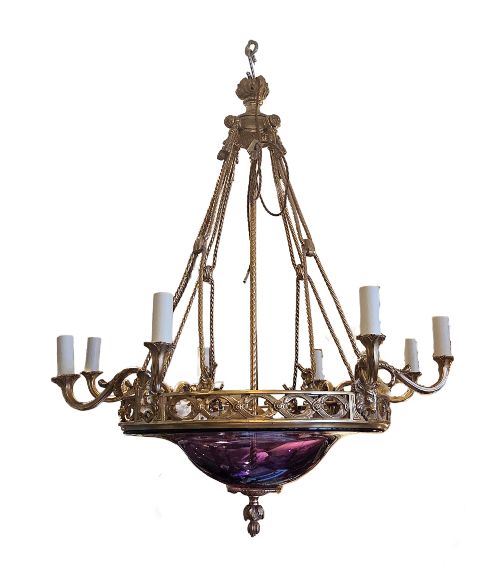
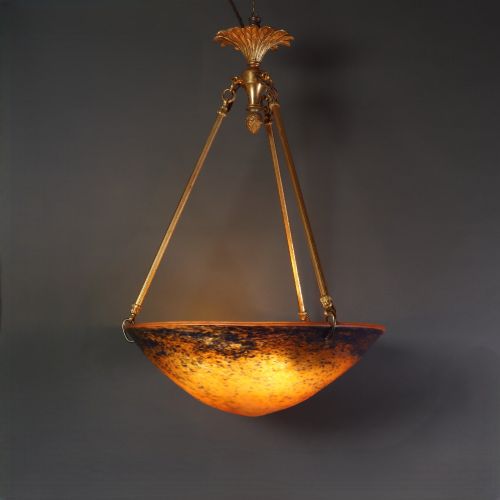
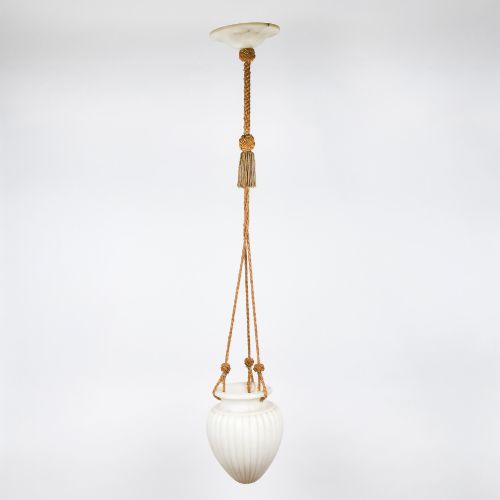
A vintage bowl fixture is primarily a ceiling-hung light source, taking the form of a pendant, flush fitting, or chandelier that suspends a shallow or deep receptacle from chains or rods. The form spans several decades, with Edwardian, Victorian, and 1930s examples appearing frequently.
Buyers encounter these fittings across distinct aesthetic revivals and modern movements, including Art Deco pressed glass, Arts and Crafts crystal bowls, and Neoclassical brass frames. The configuration typically centres on a central glass or alabaster dish held securely by a metal framework.
The materials balance heavy mineral vessels with structured metal mounts. One meets polished brass, copper, and bronze supporting carved alabaster, moonstone, and cut glass bowls designed to diffuse strong overhead illumination.
What varies in quality
The calibre of a vintage bowl fixture rests on the depth of the metalwork casting and the optical clarity of the glass or stone. Heavy bronze or brass mounts with crisp chasing separate standard production from finer workshop output.
Glass quality appears in the weight of the material and the precision of the surface decoration, whether deep hand-cutting or finely controlled opacity in opalescent and moonstone specimens.
Vintage Bowl Fixture Retail Price Guide 2026
Typical asking prices for vintage bowl fixture among the pieces listed under this phrase on Sellingantiques today, from the lower quarter to the upper quarter. They describe what is for sale here now, not the wider market.
The listings span the nineteenth century through the 1930s, featuring materials including alabaster, bronze, copper, and cut crystal.
Charles Schneider·Jefferson
The Vintage Bowl Fixture Glossary
- Plafonnier
- A ceiling-mounted bowl light that sits flush or hangs closely against the ceiling plane. It directs illumination downward through a glass or alabaster dish.
- Alabaster
- A fine-grained, translucent stone used for carved hanging bowls. It provides a soft, warm diffusion of light.
- Moonstone glass
- An opaque, milky glass type that creates a soft glow resembling natural stone. It frequently appears in early 20th-century lighting.
- Cut glass
- Glass decorated by grinding facets and patterns into the surface. This technique catches and refracts light across the room.
Vintage Bowl Fixture: Frequently Asked Questions
How do I hang a heavy bowl fixture?
These fixtures require secure anchoring into ceiling joists using rated hanging hooks and proper electrical boxes to support the combined weight of the metal frame and glass bowl.
Professional installation is recommended due to the substantial weight of cast bronze, thick alabaster, and cut crystal components.
What rooms suit a bowl light?
Pendant bowl fixtures work well in hallways, dining rooms, and bedrooms where ambient, downward illumination creates a balanced atmosphere without harsh glare.
Flush ceiling versions suit rooms with lower ceiling heights while maintaining period character.
How do I clean antique glass bowls?
Remove the glass vessel from its metal mount when possible and wash it gently in lukewarm water with mild soap. Avoid harsh chemical cleaners that can damage vintage finishes.
Dry the glass thoroughly with a soft cloth before rehanging the fixture in its metal gallery.
How can I tell Art Deco from Edwardian designs?
Art Deco bowl fixtures feature geometric motifs, pressed satin glass, and stylised metalwork typical of the 1920s and 1930s. Edwardian pieces tend to display intricate cut glass, silver plating, and lighter Neoclassical detailing.
Examining the mounting hardware and glass texture usually clarifies the period of manufacture.