





Vintage Botanical Jewellery
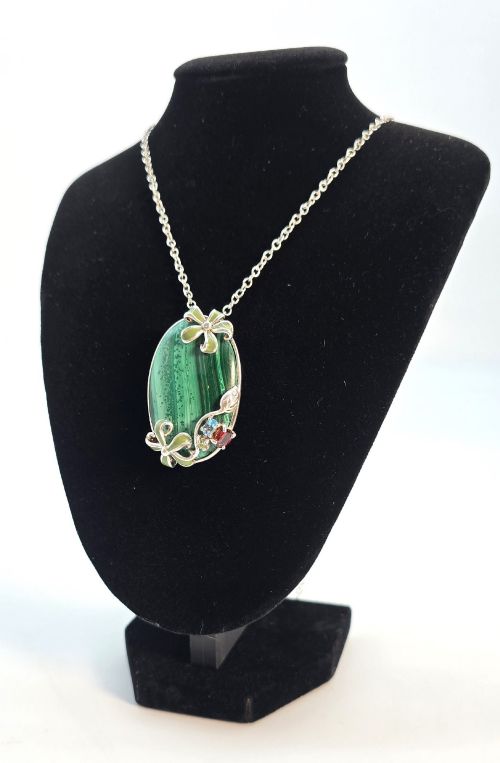
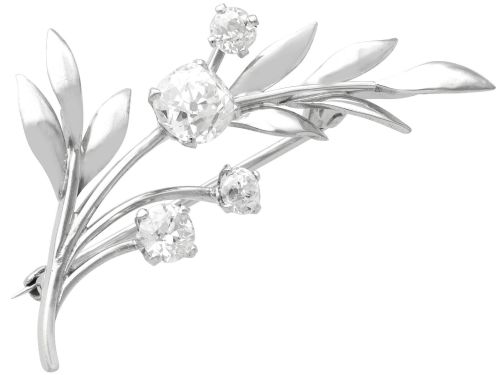
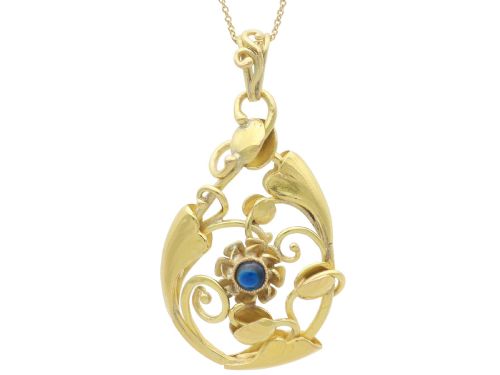
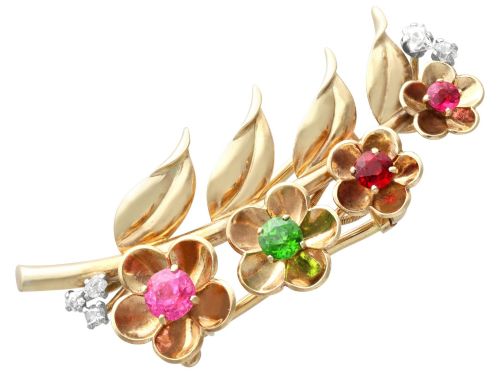
These pieces of vintage botanical jewellery bring together silver, gold, enamel and precious stones to capture leaves, flowers and branches.
Vintage Botanical Jewellery
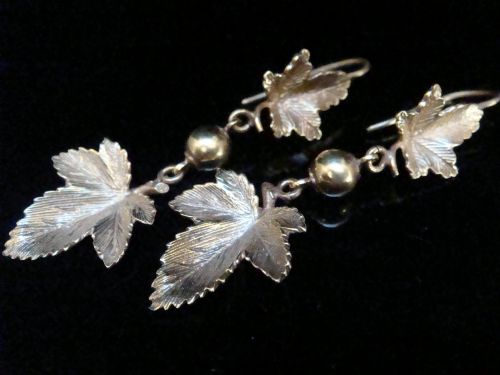
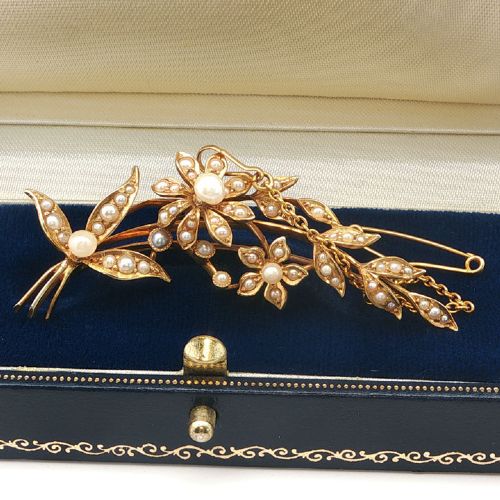
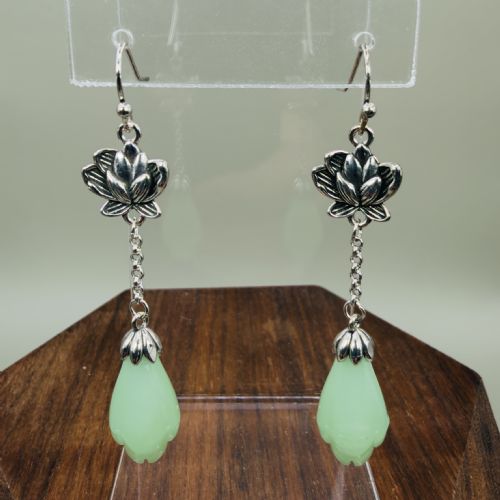
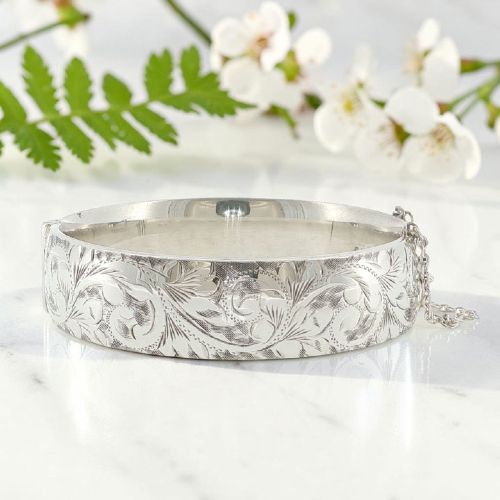
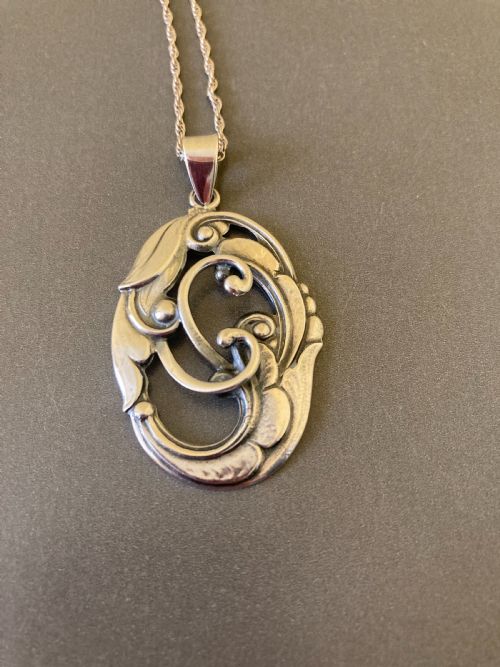
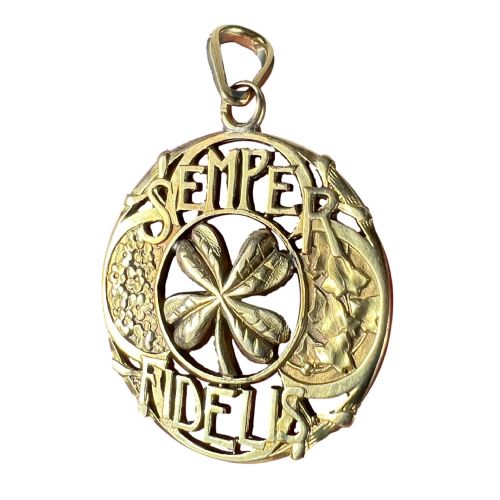
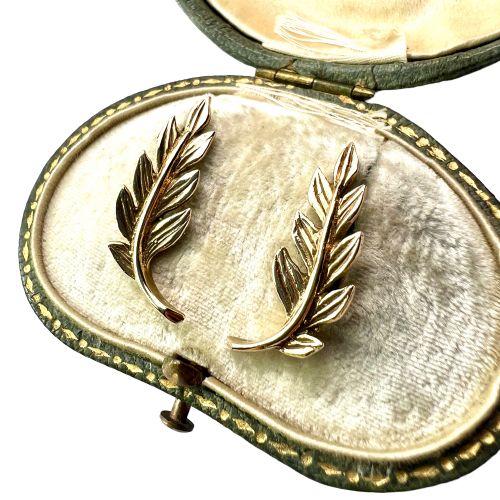
When you search for vintage botanical jewellery, you encounter brooches, earrings, pendants and rings modelled on leaves, acorns, lotus flowers and clover. The selection spans periods from the Victorian era and Edwardian times through Art Nouveau, Art Deco and the mid-century, reflecting changing tastes in natural forms.
You are most likely to meet silver and gold pieces set with enamel, diamonds, pearls or coloured stones. Forms range from delicate drop earrings to substantial floral spray brooches and carved pendants produced across Britain, France and Scandinavia.
Materials and technique
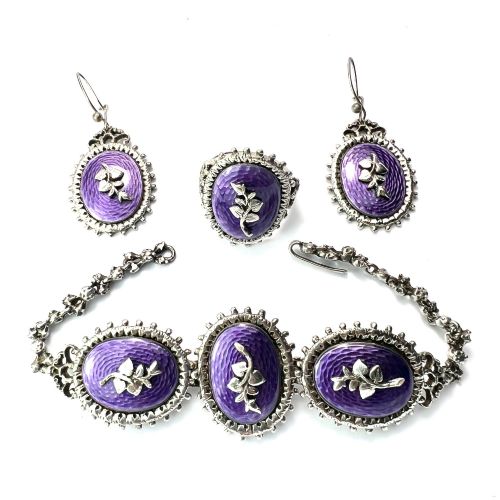
Maker's workshops utilised silver, yellow gold, rose gold and white gold as the foundational metals for casting and hand-engraving foliage. Enamel work, particularly plique-à-jour and multi-coloured shading, added vibrant colour to pansies, leaves and fairy wings.
Gems such as diamonds, garnets, peridot, sapphires and pearls were flush-set or mounted in collets to trace the curves of flower heads and stems. Fine piercing, repoussé work and twisting wire gave three-dimensional depth to petals, acorns and vines.
Vintage Botanical Jewellery Retail Price Guide 2026
Typical asking prices for vintage botanical jewellery among the pieces listed under this phrase on Sellingantiques today, from the lower quarter to the upper quarter. They describe what is for sale here now, not the wider market.
Oak leaves, acorns and mistletoe dominate the forest floor of these historical designs.
What separates the tiers
The distinction between ordinary production and superior work lies in the hand-finishing of the metal and the precision of the stone setting. Master workshops achieved organic fluidity in leaf veins and petal edges that lesser pieces miss, often leaving casting marks or rigid lines.
Enamel survival and quality define the upper range, where translucent glazing allows light through the metal work. Pieces bearing recognizable maker marks and complex multi-stone configurations demonstrate superior design ambition.
Cartier·Harold Arthur Lazarus·Georg Jensen·Meyle & Mayer
The Vintage Botanical Jewellery Glossary
- Plique-à-jour
- An enamelling technique where the enamel is fired without a backing, creating a translucent, stained-glass effect. It is frequently found on delicate wings and petals in Art Nouveau pieces.
- Repoussé
- A metalworking method where the design is hammered into relief from the reverse side. This technique gives depth to copper and silver boxes and floral motifs.
- Dormeuse
- A type of secure-fitting earring designed to be worn comfortably while sleeping. They often feature lever-backs or screw-back mechanisms.
- Essex crystal
- Reverse-crystal intaglio pieces featuring carved and painted animal or floral subjects beneath a high dome of rock crystal. The optical effect creates a three-dimensional image.
- Marcasite
- Small faceted pyrite stones set closely into silver mounts to provide glittering contrast. It is characteristic of Art Deco and later vintage items.
Vintage Botanical Jewellery: Frequently Asked Questions
How do I clean vintage silver and enamel jewellery?
Use a soft, dry microfiber cloth to gently wipe away surface dust and skin oils from the metal and stones.
Avoid liquid dips and ultrasonic cleaners, as harsh chemicals can dissolve historical enamel and loosen fragile stone settings.
Can these antique earrings be converted for pierced ears?
Many Victorian and Edwardian examples utilise screw-back or clip-on mechanisms designed for unpierced lobes during their respective eras.
A skilled jeweller can often adapt the fixings without altering the original botanical drop or damaging the gold and silver work.
How do I identify Art Nouveau botanical pieces?
Look for whiplash curves, asymmetrical compositions and realistic organic details such as mistletoe leaves, lotus flowers and trailing vines.
Materials like plique-à-jour enamel and moonstones are typical signatures of this period's focus on nature.
Are these pieces suitable for everyday wear?
Sturdy gold rings and heavy silver bangles handle regular use well, provided the stone claws and hinges remain secure.
Delicate enamel brooches and fine antique drop earrings require careful handling to prevent chipping or bending the slender stems.