


Vintage Book Stand Table
A vintage book stand table brings together surface space and accessible storage, making it a practical addition to any room.
Vintage Book Stand Table
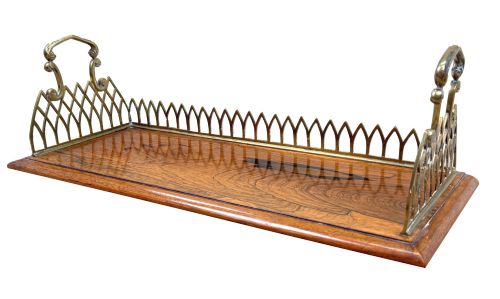
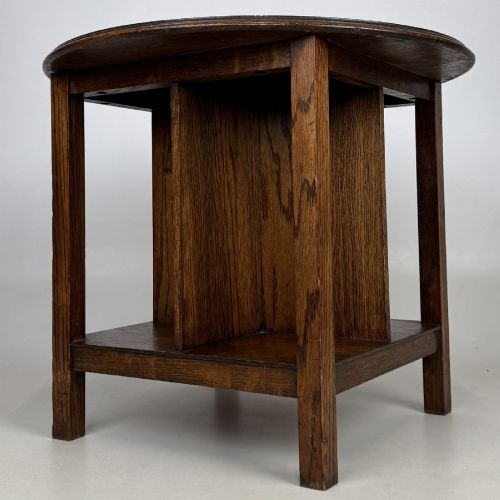
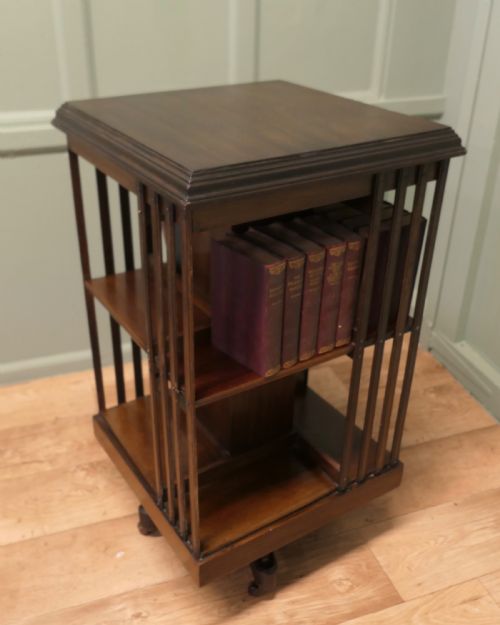
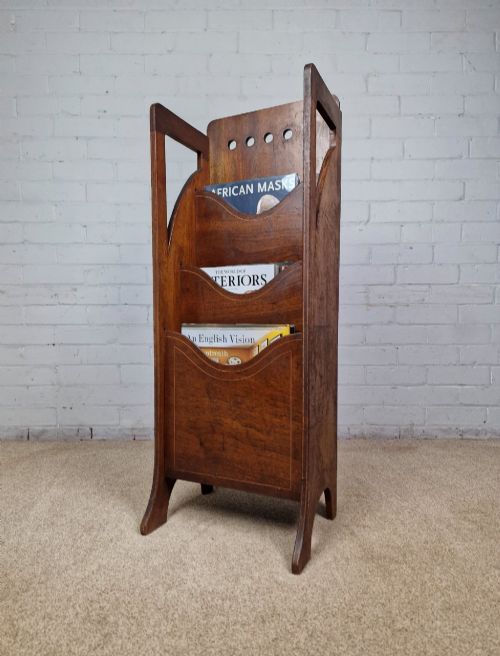
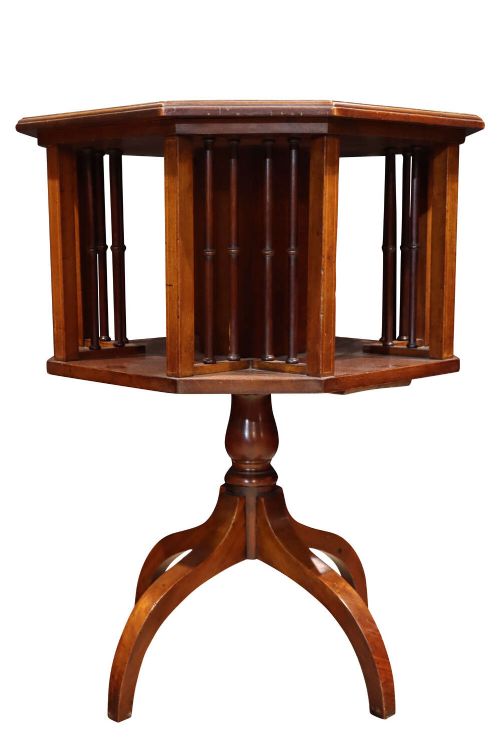
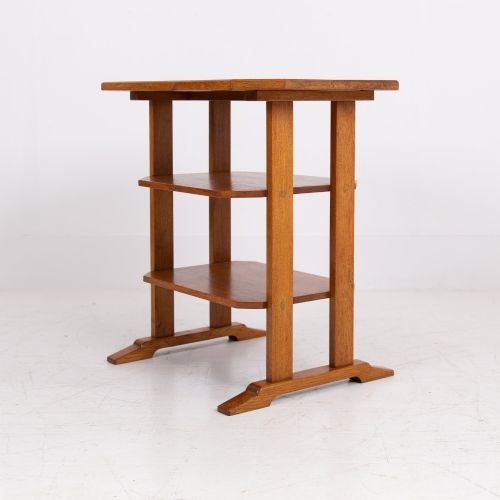
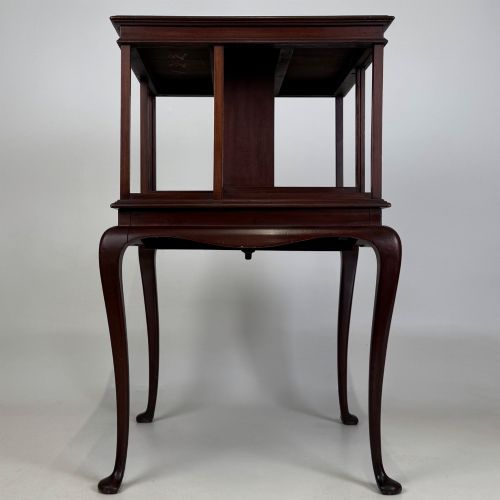
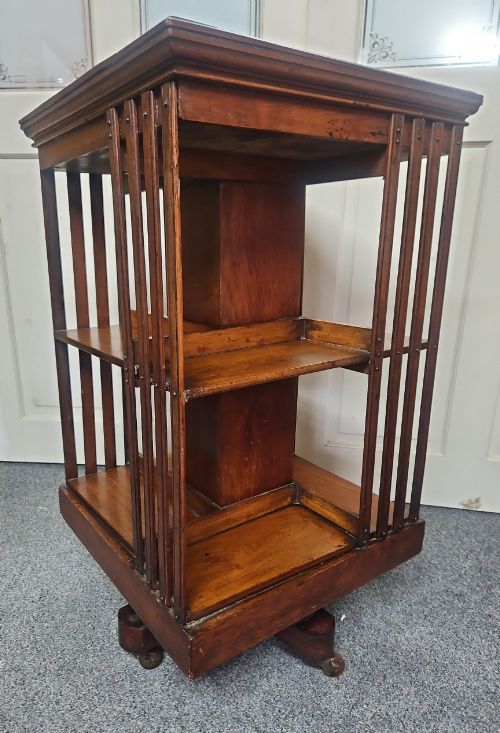
A vintage book stand table combines the everyday utility of an occasional or side table with integrated shelving or a revolving mechanism for books. Buyers searching for a vintage book stand table often encounter revolving bookcases, reading tables, and hybrid magazine racks dating from the Victorian and Edwardian eras through the Art Deco period.
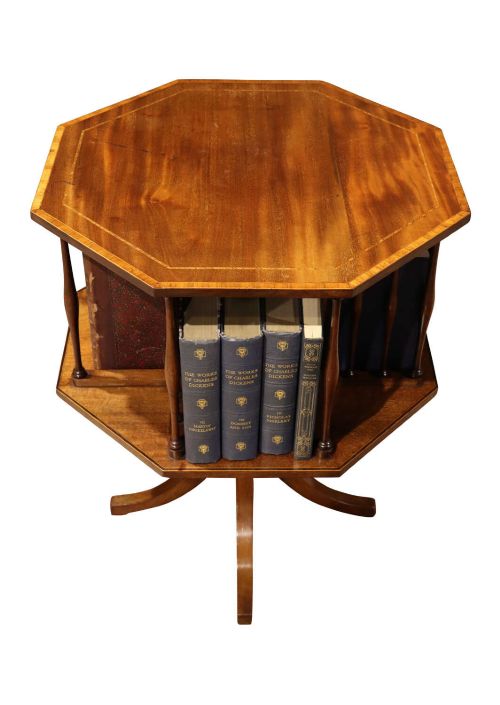
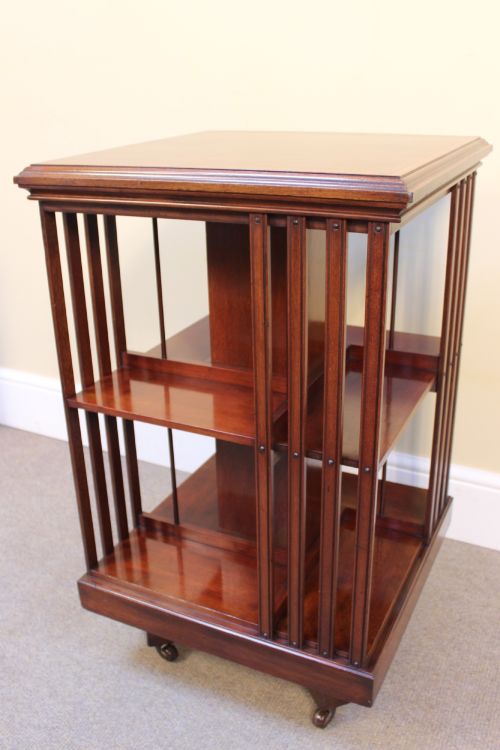
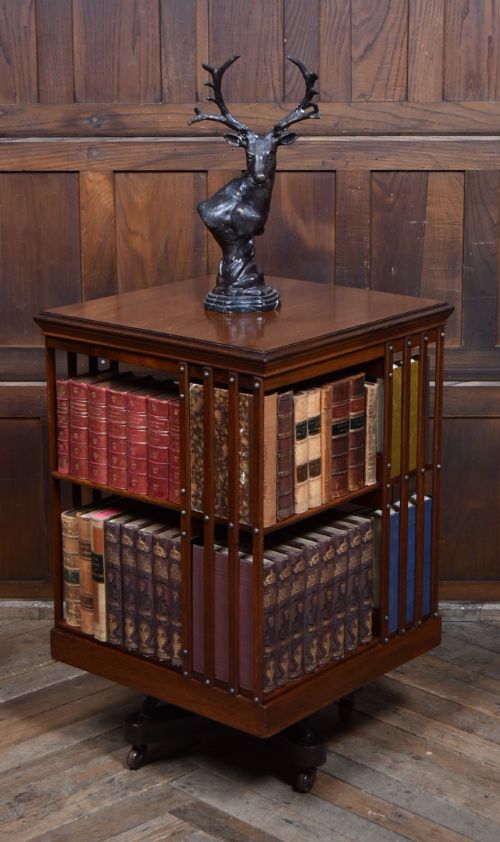
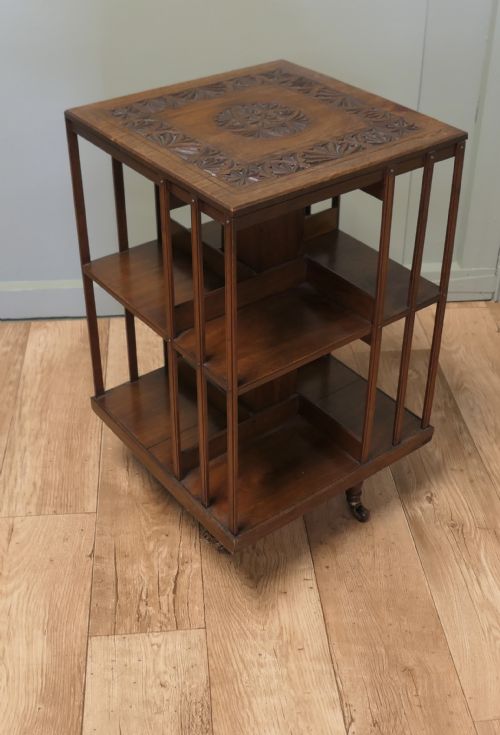
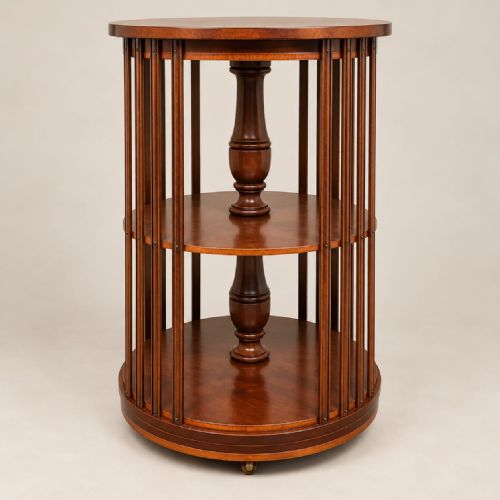
The most common formats on this page are revolving mahogany or oak bookcases and tiered side tables designed to sit beside an armchair or desk. These pieces reflect the functional domestic requirements of the nineteenth and early twentieth centuries, providing compact storage for libraries and sitting rooms.
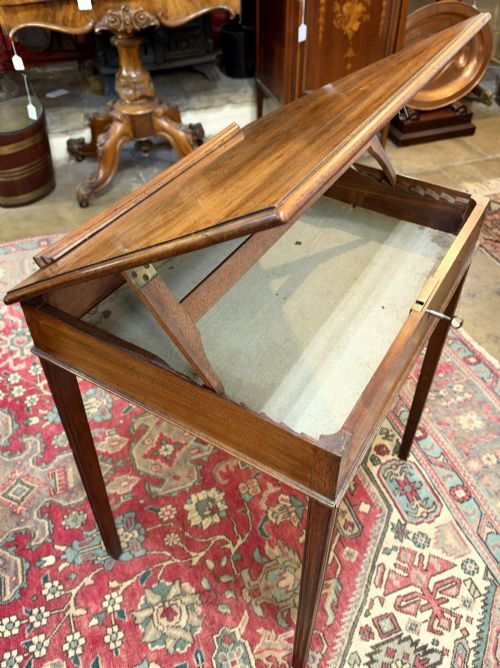
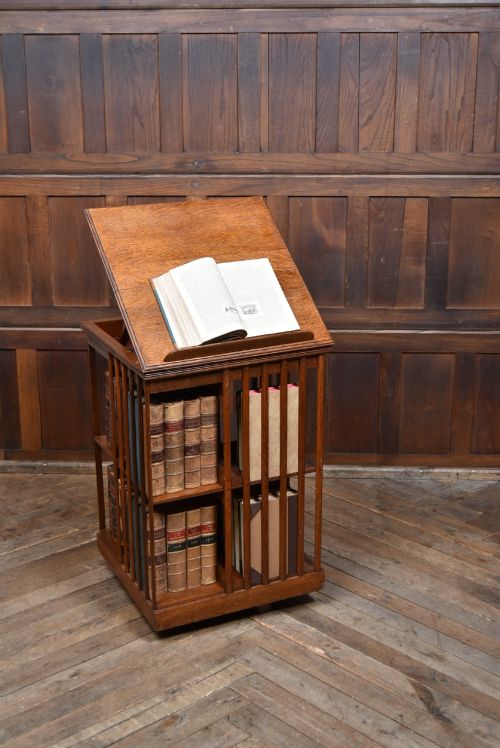
Origins span British workshops of the Edwardian and Victorian periods, alongside continental examples such as French library carts and Florentine stands. Construction encompasses multi-shelf revolving designs, side tables with built-in book troughs, and adjustable reading surfaces.
Materials and construction
Timbers selected by makers are predominantly mahogany and oak, frequently enhanced by walnut, satinwood, and pine. Hardwoods were chosen for their structural strength, particularly in revolving models where a central spindle must support the weight of numerous volumes.
Metal components such as brass, iron, and cast iron appear in adjustable reading stands and mechanical internal pivots. These elements provided the necessary tension and durability for tables designed to tilt, rotate, or alter in height.
Vintage Book Stand Table Retail Price Guide 2026
Typical asking prices for vintage book stand table among the pieces listed under this phrase on Sellingantiques today, from the lower quarter to the upper quarter. They describe what is for sale here now, not the wider market.
Distinguishing quality in construction
The refinement of the revolving mechanism defines the upper tier of production, operating smoothly without listing or friction. Lesser examples suffer from unbalanced weight distribution and stiff rotation.
Cabinetwork execution separates standard production from superior pieces, seen in precise joinery, figured timber selection, and delicate inlay work. Plain secondary woods and heavy, unrefined framing indicate utilitarian manufacture.
Finnigans·Heals·Carters Of London
The Vintage Book Stand Table Glossary
- Revolving bookcase
- A freestanding tiered bookcase built upon a concealed turntable base that allows books to be accessed from any angle. It is commonly square or octagonal in plan.
- Reading table
- A specialised table featuring an adjustable or sloping top designed to hold books, music sheets, or writing materials at an ergonomic angle.
- Magazine rack
- A piece of furniture incorporating vertical partitions or troughs specifically designed to hold periodicals and newspapers upright.
- Inlay
- A decorative technique where contrasting woods, shell, or brass are fitted into flush recesses within the primary timber surface to create patterns.
Vintage Book Stand Table: Frequently Asked Questions
What is a revolving book table?
A revolving book table is a compact piece of furniture with shelves that rotate on a central pivot, allowing multiple books to be stored and accessed within arm's reach.
These items were popular in libraries and studies during the Victorian and Edwardian periods for keeping reference volumes close to a desk or armchair.
How do I date a wooden book stand?
Dating relies on identifying timber choices, construction methods, and stylistic movements such as Arts and Crafts, Art Nouveau, or Edwardian inlaid mahogany.
Examining secondary woods, fixings, and the style of any carved or turned elements helps narrow the period of manufacture.
Were these tables used for dining?
No, these tables were designed for reading rooms, studies, and drawing rooms to hold books, periodicals, and writing materials.
The inclusion of book troughs, revolving tiers, and adjustable reading slopes indicates they served literary and administrative rather than dining purposes.
How do I care for antique mahogany?
Maintain antique mahogany by keeping it away from direct heat sources and strong sunlight, which can dry out the timber and fade the polish.
Apply a traditional beeswax polish occasionally and buff with a soft cloth to preserve the natural lustre of the wood.