
Vintage Book Shelving
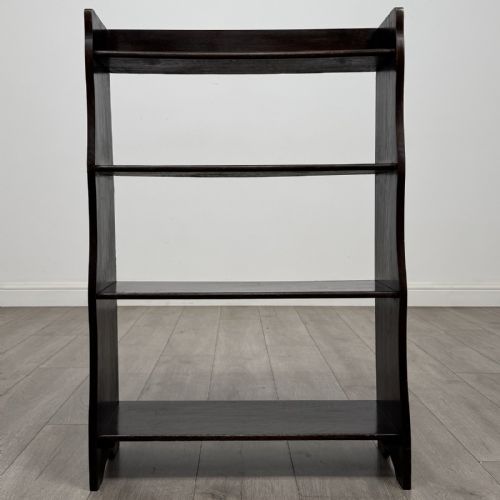
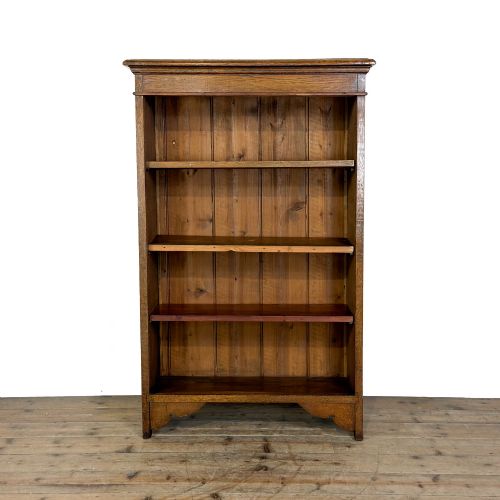
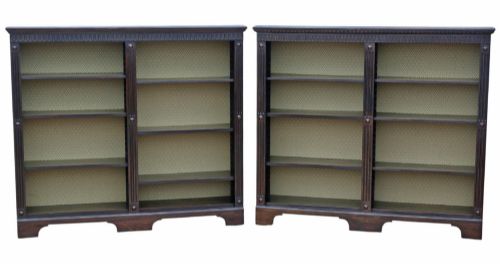
These vintage book shelving pieces range from Edwardian oak open bookcases to Arts and Crafts designs, offering practical display space for libraries and living rooms.
Vintage Book Shelving
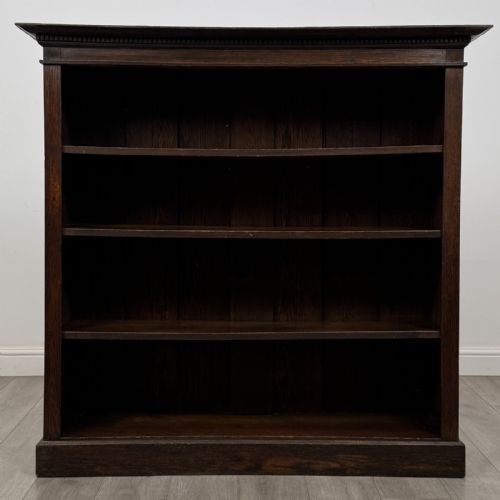
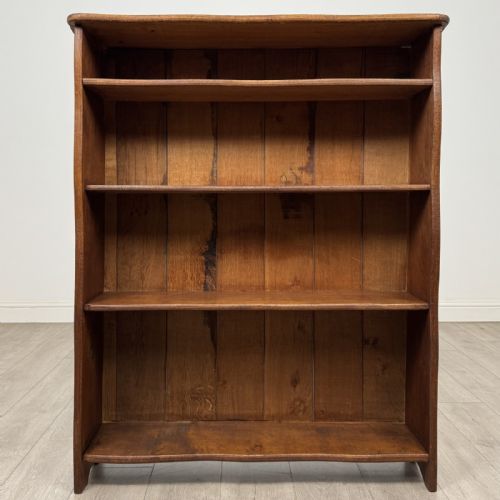
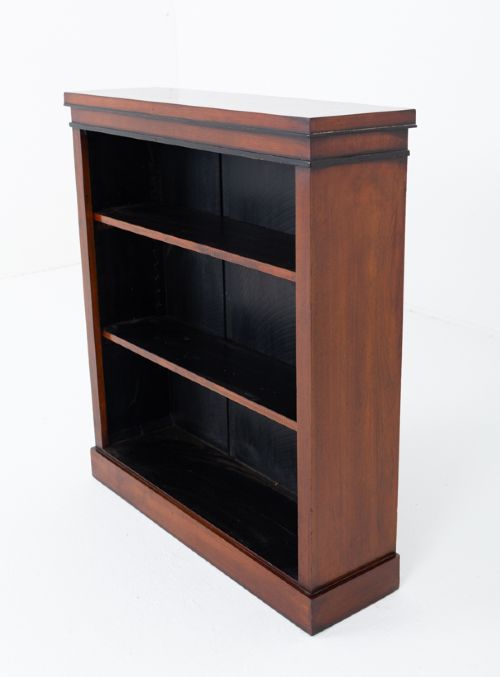
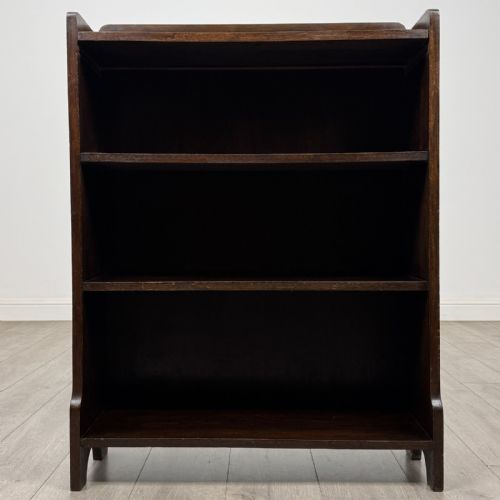
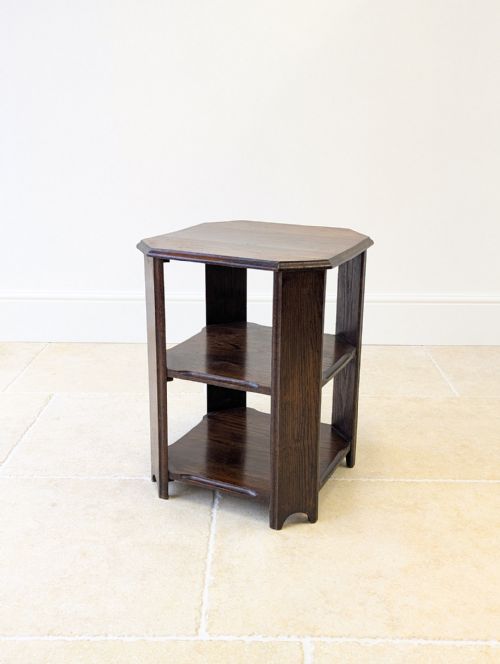
Vintage book shelving encompasses a variety of timber furniture designed to hold books, including open bookcases, whatnots, wall shelves, and side tables with shelves. These items serve as functional storage solutions while bringing period character into contemporary rooms.
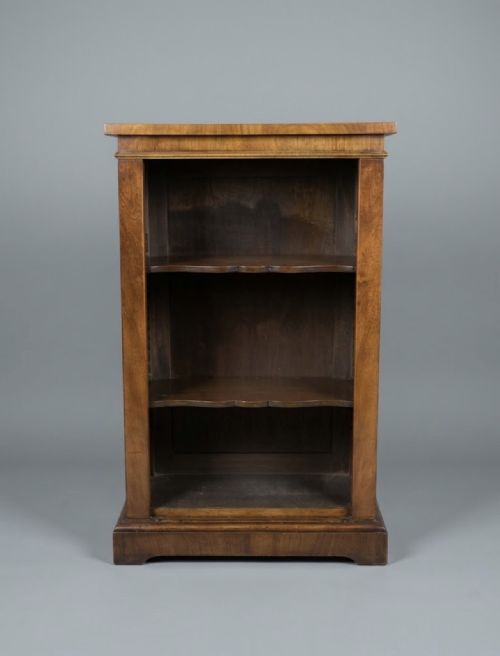
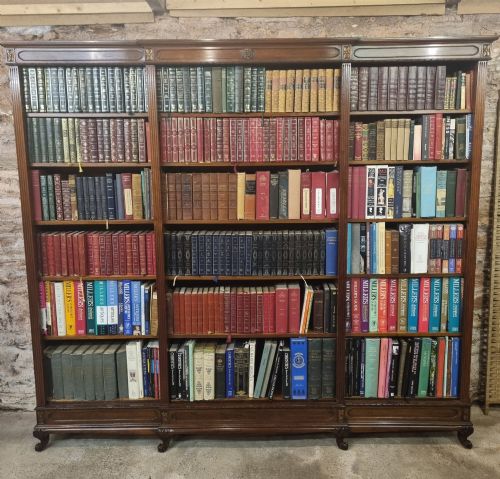
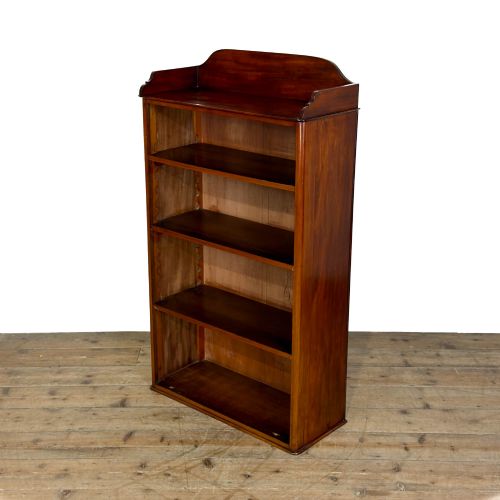
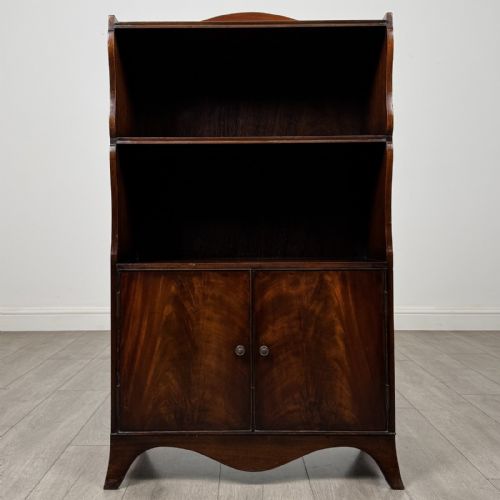
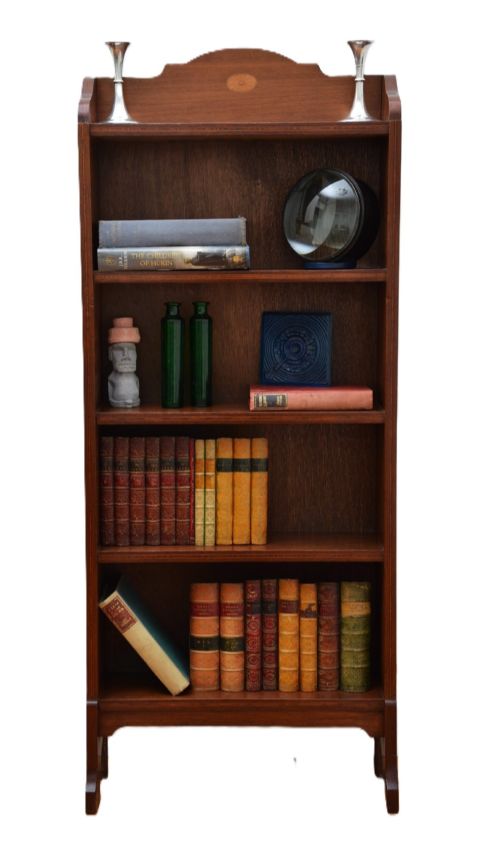
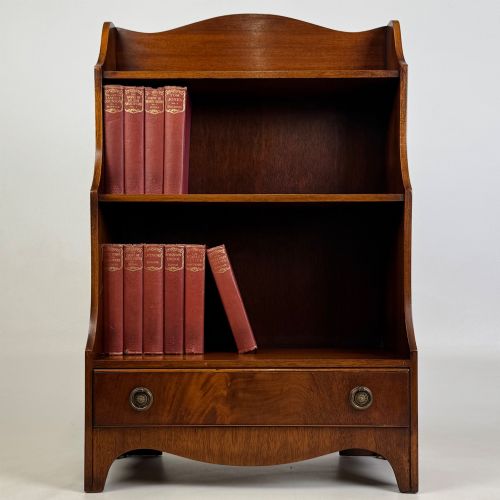
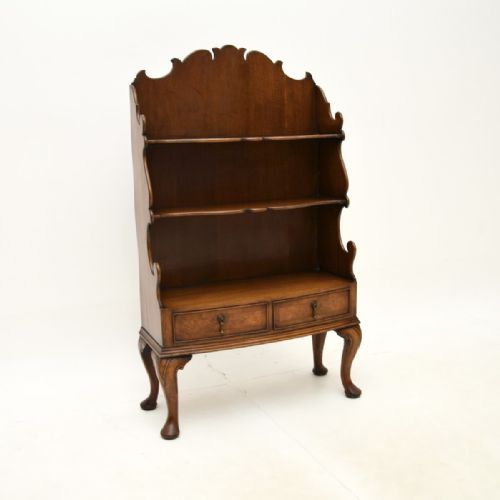
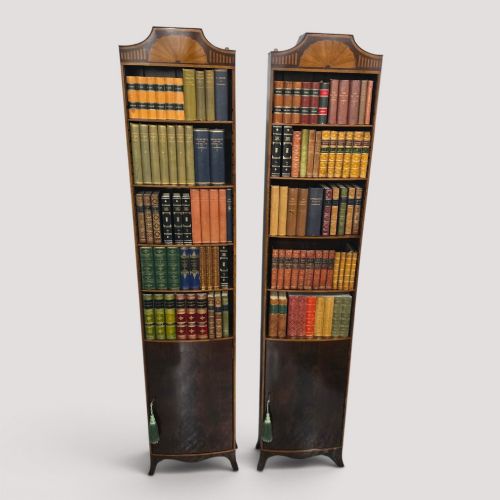
The pieces you meet most often on this page date from the Victorian, Edwardian, and early twentieth-century periods. Oak and mahogany dominate the selection, appearing in forms ranging from slim open bookcases with raised galleries to glazed cabinets and cascading tier structures.
How these pieces were made
Cabinet makers utilised solid hardwoods such as oak, mahogany, and walnut, often applying satinwood inlay, carved details, or turned legs to enhance the appearance. Construction methods focused on durability, utilising adjustable shelving mechanisms and solid timber panels.
Makers also incorporated brass hardware, glazed doors, and raised galleries on top surfaces. Workshops produced items ranging from rustic pine country pieces to refined Arts and Crafts designs with distinct beaded edges and shaped sides.
Listings feature timbers including oak, mahogany, walnut, pine, and satinwood inlay across Victorian, Edwardian, and 1930s periods.
What varies in quality
Quality rests primarily in the choice of timber and the precision of the construction, such as the thickness of the mahogany or oak boards and the smoothness of adjustable shelf supports. Pieces from notable firms or those displaying refined inlay work demonstrate superior workshop practices.
Proportion and detail separate standard utility items from finer examples, such as those with carved galleries, shaped sides, or balanced breakfront designs. The integrity of the original timber surfaces and the absence of clumsy alterations determine the standing of each piece.
Bowman Brothers London·Liberty·Ercol·Heals
The Vintage Book Shelving Glossary
- Breakfront
- A cabinet or bookcase where the central section projects forward from the flanking sections. This configuration adds architectural depth to larger pieces.
- Gallery
- A low rail or decorative border along the top edge of a piece of furniture, designed to prevent items from sliding off.
- Whatnot
- A piece of open shelving with multiple tiers supported by slender pillars or columns, traditionally used for displaying books and ornaments.
- Barristers stacking bookcase
- A bookcase composed of separate modular sections with glass doors that lift and slide inward, allowing units to stack vertically.
- Satinwood inlay
- A decorative technique where contrasting light-coloured satinwood is inserted into recesses in a darker timber surface to create patterns.
Vintage Book Shelving: Frequently Asked Questions
How do I choose the right size bookcase?
Consider the ceiling height and wall space available in your room, keeping in mind that slim or narrow formats fit well in tighter corners.
Measure your book collection beforehand to check whether standard shelves or adjustable tier heights will accommodate larger volumes.
Are the shelves adjustable on these bookcases?
Many period bookcases feature adjustable shelving systems utilising wooden ratchets or metal pins, allowing you to alter shelf heights to suit your books.
Fixed shelves also appear frequently, particularly on smaller Edwardian and Victorian open bookcases, so check individual descriptions for details.
How should I care for antique oak and mahogany?
Keep wooden furniture away from direct heat sources and strong sunlight to prevent the timber from drying out or splitting over time.
Apply a suitable beeswax polish occasionally to nourish the grain and maintain the natural lustre of the polished surface.
What is an open bookcase?
An open bookcase is a freestanding shelving unit without doors, providing direct access to books from the front.
This form became particularly popular during the Edwardian period for everyday library use and informal living spaces.