






Vintage Book Rest
A vintage book rest supports volumes on a desk or table, combining utility and period craftsmanship to organise your library.
Vintage Book Rest
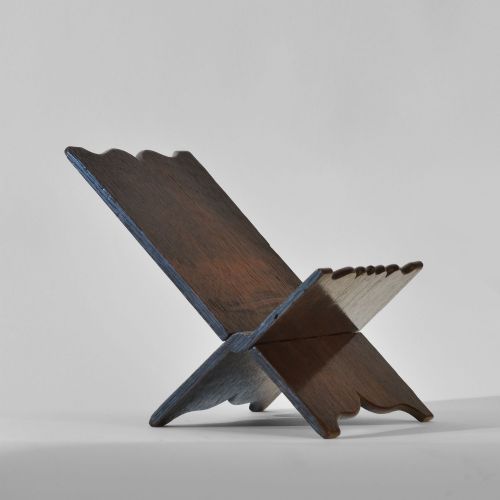
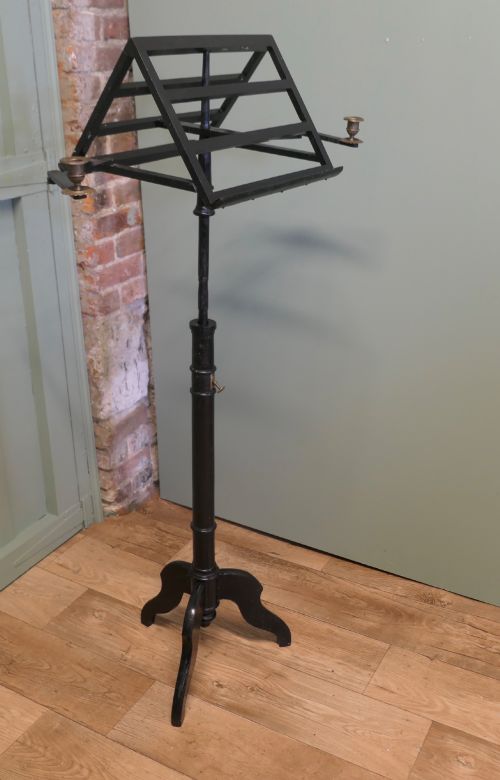
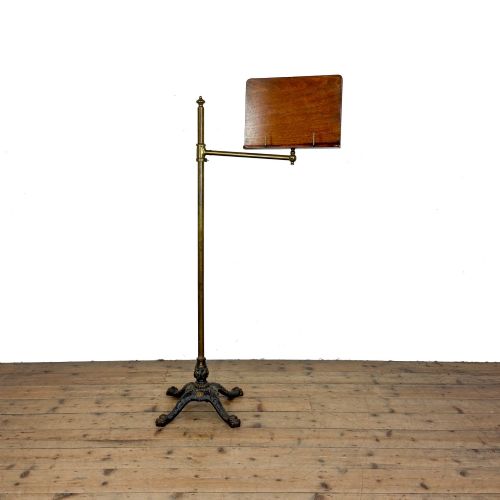
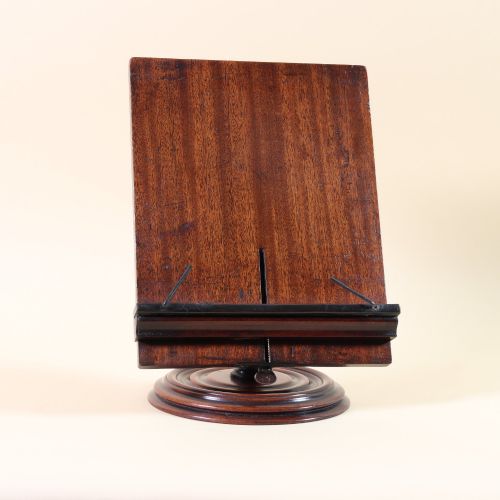
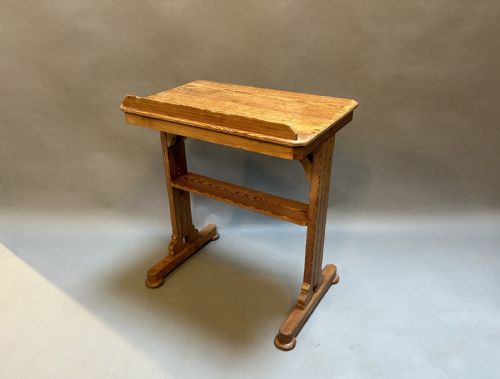
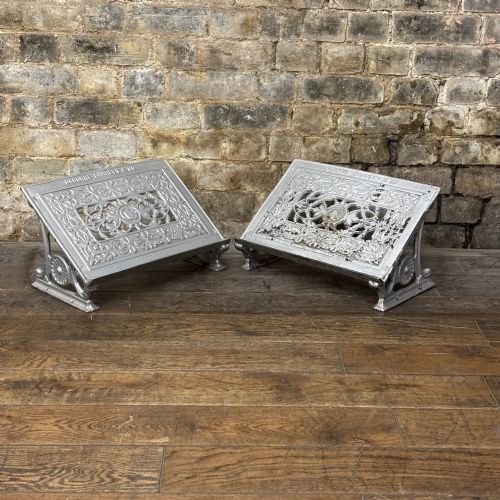
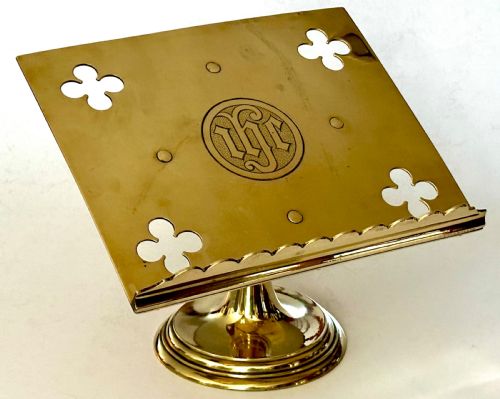
A vintage book rest encompasses adjustable reading stands, folding pedestals, desk-top book slides, and sculptural bookends designed to hold volumes open or upright. The pieces appearing here span from the Regency era through to the 1930s, taking forms such as music stands, lecterns, and extending slides.
Materials and construction
Cabinet makers utilised dense hardwoods including mahogany, walnut, oak, and teak, frequently employing turning and carving techniques for structural frames and book supports. Mother of pearl inlay and brass mounts provided decorative detail on select pieces, whilst cast iron offered sturdy weight for functional book rests and church lecterns.
Adjustable mechanisms incorporated brass fittings, extending slides, and ratchets that allowed users to alter the angle and width of the stand. Folding designs relied on clever hinges and pivoting joints, enabling the stands to pack flat when not in use.
Vintage Book Rest Retail Price Guide 2026
Typical asking prices for vintage book rest among the pieces listed under this phrase on Sellingantiques today, from the lower quarter to the upper quarter. They describe what is for sale here now, not the wider market.
Materials span traditional British hardwoods like oak, mahogany, and walnut alongside exotic teak, coromandel, brass, and cast iron.
Assessing quality and execution
The distinction between standard production and superior pieces lies in the precision of the joinery, the quality of the timber selection, and the intricacy of any carved ornamentation. Finer examples display carefully matched wood grain, smooth mechanical action in adjustable hinges, and securely fitted brass or mother of pearl details.
The refinement of the casting in iron components or the depth of hand-carved foliage on hardwood and teak separates exceptional commissions from simpler workshop output. Maker attribution, such as signed pieces by known firms, further elevates the standing of an individual reading stand or book slide.
Osborne Garrett Co·Harrods·Carters of London
The Vintage Book Rest Glossary
- Book slide
- An extending desk accessory with two upright ends that pushes together or pulls apart to hold a varying number of volumes upright.
- Lectern
- A tall stand with a sloping top designed to hold a book or notes at a comfortable height for a standing reader or speaker.
- Reading stand
- A furniture piece with an adjustable or fixed slanted surface created to support books, music scores, or papers at an ergonomic angle.
- Bookend
- A pair of heavy supports placed at the ends of a row of books to keep them from falling over, often cast in metal or carved from hardwood.
- Anglo-Indian
- A term describing items made in India during the British period, typically featuring dense carved teak, coromandel, or exotic hardwoods.
Vintage Book Rest: Frequently Asked Questions
How do I adjust a vintage book rest?
Many vintage reading stands use brass ratchets, hinged struts, or sliding mechanisms underneath the platform to alter the reading angle.
Operate these moving parts with care, supporting the weight of the wooden rest rather than forcing the metal components into place.
Were these stands used for music or reading?
Makers produced adjustable stands to serve both purposes, accommodating heavy folio volumes, Bibles, and sheet music alike.
Heavier cast iron and brass versions frequently served in churches or studies, whilst lighter folding wooden stands suited domestic drawing rooms.
How do I care for wooden book slides?
Protect hardwood surfaces like mahogany, walnut, and teak by keeping them away from direct heat sources and sudden humidity changes.
Apply a traditional wax polish occasionally to nourish the timber and maintain the natural lustre of the grain.
What is an extending book slide?
An extending book slide is a desktop rack featuring a central base track and two sliding ends that adjust to fit your collection.
This design allows the holder to expand or contract as volumes are added or removed from the display.