





Vintage Book Binding
These vintage book binding selections span centuries of craftsmanship, offering tactile history and decorative depth for interiors and collections.
Vintage Book Binding
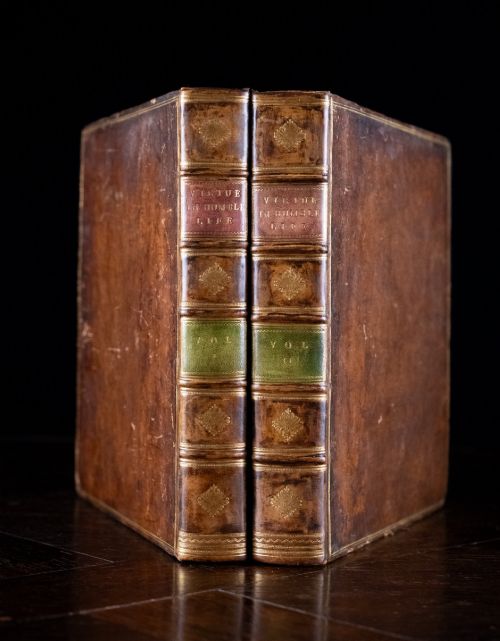
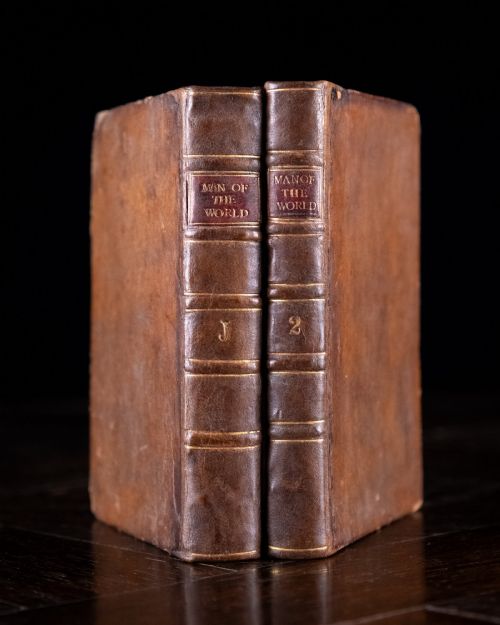
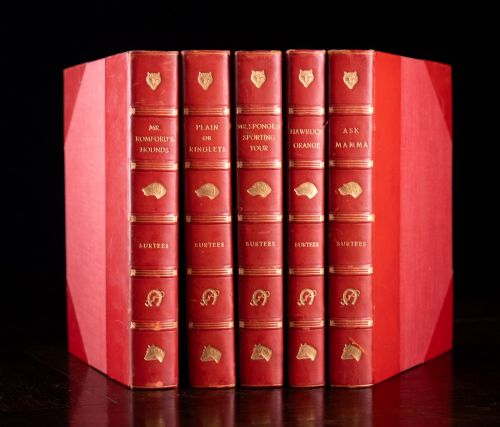
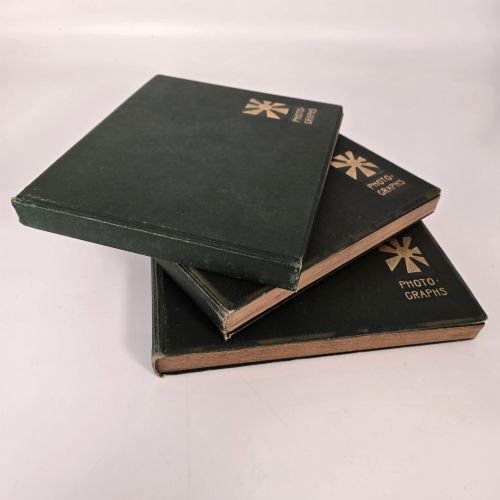
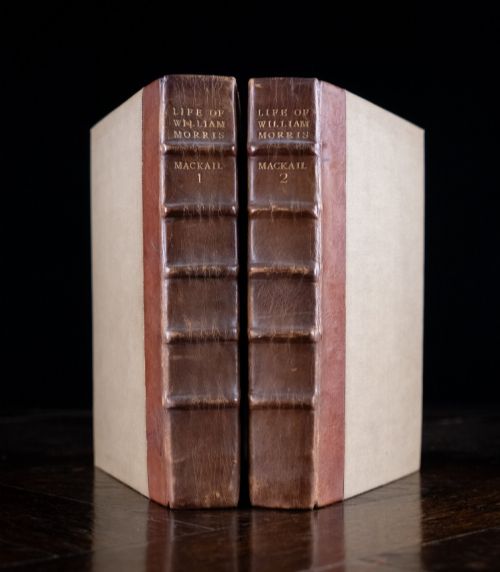
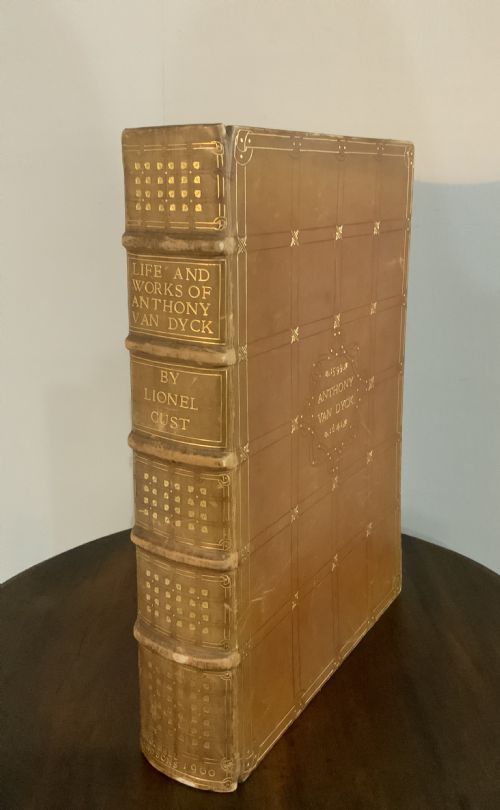
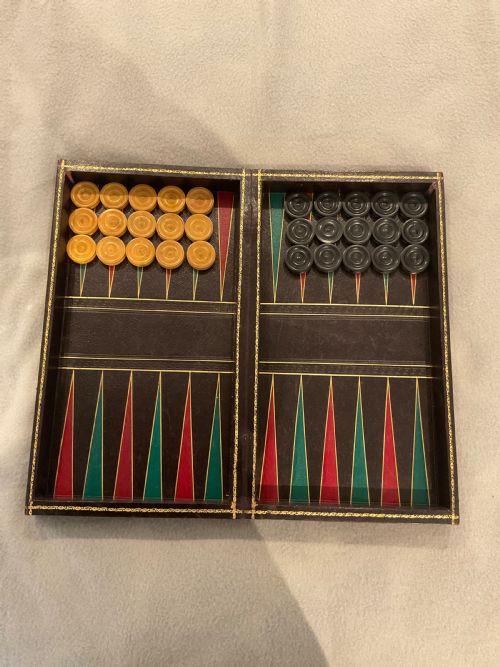
Vintage book binding covers antique books, multi-volume sets, and decorative items derived from them, such as photo albums, desk accessories, and games boards. The selection draws primarily from the eighteenth, nineteenth, and early twentieth centuries, encompassing Victorian, Edwardian, and Regency periods alongside French and English origins.
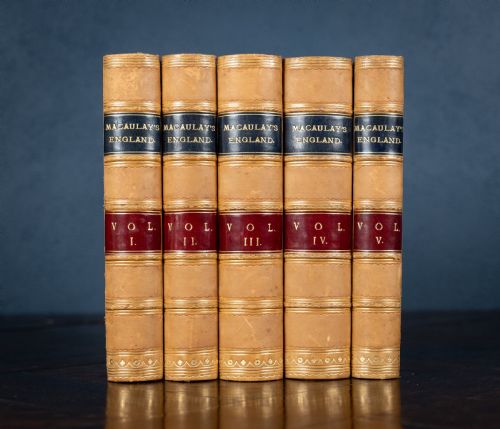
Buyers encounter individual volumes as well as extensive uniform sets of novels, histories, and reference works. Beyond standard reading material, the category includes specialised pieces like leather-bound faux book games boards, miniature works in bookcases, and burr walnut library book holders.
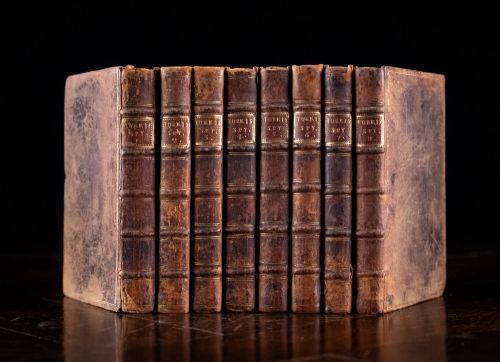
The physical format ranges from single octavos to long runs of matching volumes designed for nineteenth-century libraries. Examples span from early eighteenth-century editions to Art Deco-era printings, reflecting diverse utilitarian and decorative purposes.
Materials and construction methods
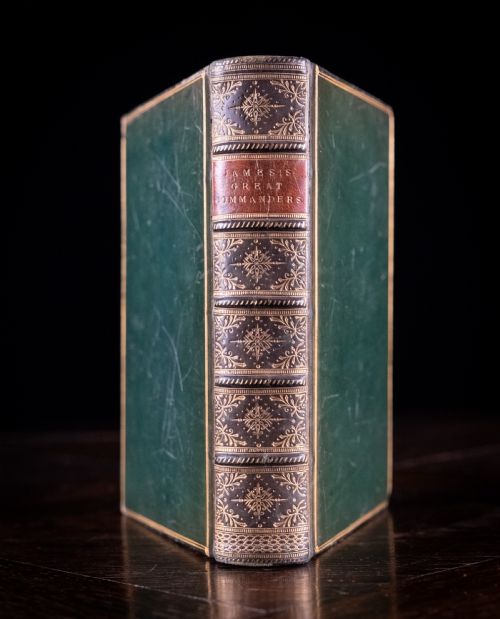
Binders utilised natural materials including calfskin, vellum, and cloth over sturdy paper boards. Leather surfaces frequently received detailed decoration through gold leaf tooling, adding lustrous contrast to dark calf and morocco bindings.
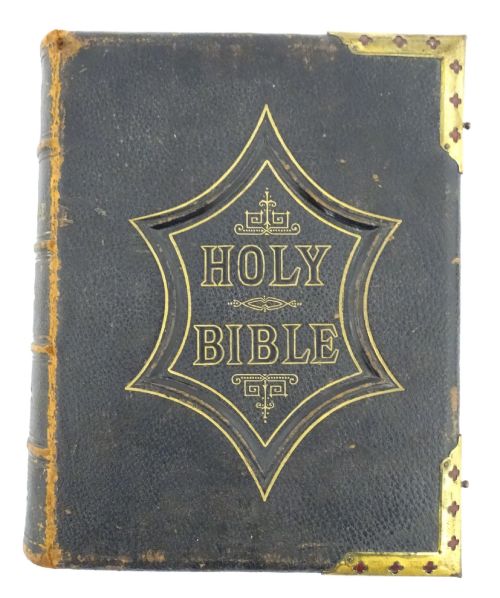
Spines and covers often incorporate brass hardware, particularly in functional library accessories or heavy sets. Paper pages inside are bound using traditional stitching and sewing techniques designed to withstand frequent consultation.
Typefaces and illustrations were applied using relief printing, engraving, and hand-finishing methods. Bindings range from simple paper-covered boards to elaborate full-leather and gilt-tooled editions.
Vintage Book Binding Retail Price Guide 2026
Typical asking prices for vintage book binding among the pieces listed under this phrase on Sellingantiques today, from the lower quarter to the upper quarter. They describe what is for sale here now, not the wider market.
Some items disguise themselves entirely as literature, functioning as hidden games boards.
Distinctions in craftsmanship and condition
Quality separates along the integrity of the original materials and the precision of the hand-finishing. Fine gold tooling and crisp embossing on leather retain their definition better over centuries than worn or shallow impressions.
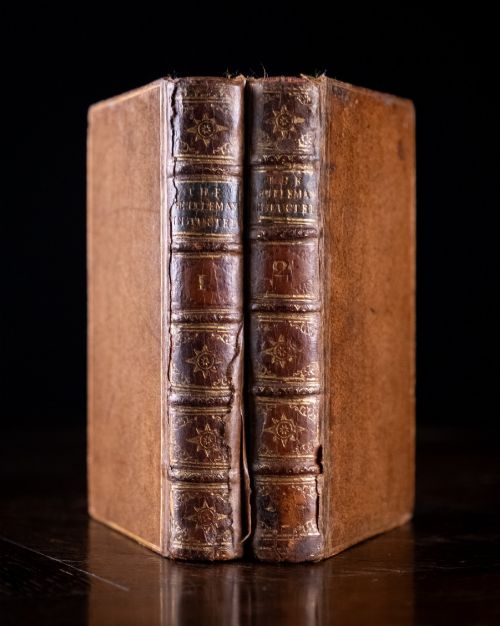
Uniformity determines the value of multi-volume sets, where matching bindings and consistent fading create a cohesive appearance on library shelves. Complete runs from specific publishers or historical editions hold distinct structural coherence compared to mixed gatherings of rebound volumes.
J. & R. Tonson·J. Wheble
The Vintage Book Binding Glossary
- Vellum
- A fine parchment typically made from calfskin, prized for its smooth, durable surface and pale colour.
- Calfskin
- A soft, supple leather derived from the skin of a calf, frequently utilised for smooth, high-grade book covers.
- Gilt tooled
- A decorative technique applying gold leaf to leather bindings through heated metal stamps and rolls.
- Cloth
- Woven textile material used for publisher bindings from the nineteenth century onward, replacing full leather for many standard editions.
Vintage Book Binding: Frequently Asked Questions
How do I care for leather bound books?
Keep vintage volumes away from direct sunlight and excessive humidity to prevent the leather from drying out or cracking.
Dust them gently with a dry cloth and ensure adequate air circulation around your library shelves.
How do I identify a book set's period?
Check the title page for printed publication dates, or examine the style of the typography and binding materials.
Victorian and Georgian bindings display distinct tooling patterns and spine ribs that help narrow down their decade of origin.
What is the difference between vellum and leather?
Vellum is an untanned, smooth parchment made from skin, offering a pale and resilient surface.
Leather is tanned animal hide that provides flexibility, richer textures, and darker tones suited for intricate gold tooling.