

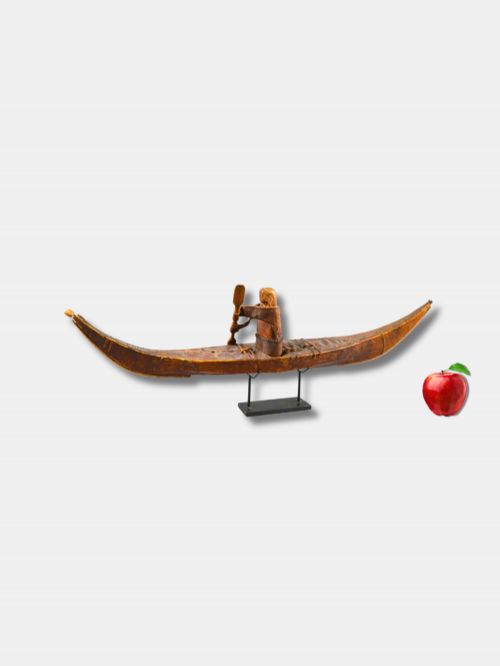


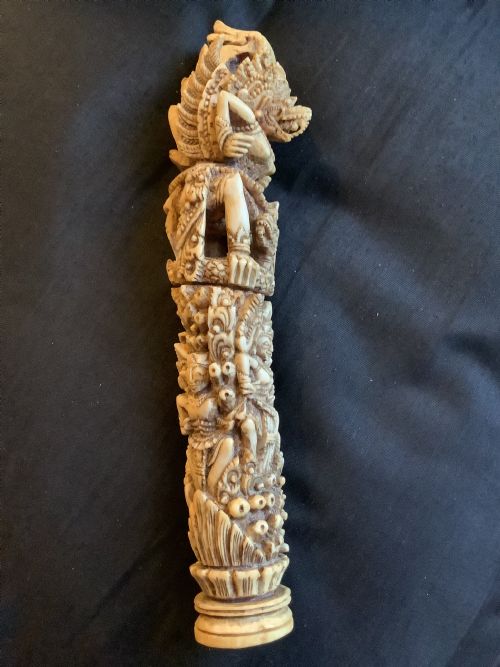
Vintage Bone Sculpture
These vintage bone sculpture pieces bring tangible history into a room, offering tactile connection to diverse global traditions and folk art forms.
Vintage Bone Sculpture
When you search for vintage bone sculpture, you enter a diverse field of carved organic materials spanning figures, animals, and curiosities. The pieces on this page encompass works originating from Inuit, African, Anglo-Indian, and European traditions, reflecting varied cultural purposes from utilitarian objects to pure display.
You are most likely to encounter nineteenth-century works alongside Edwardian examples, mixing folk art objects with animal studies and figurative sculptures. Common forms include realistic animal models like elephants and hippopotamuses, alongside functional or decorative items such as pipes and sword handles.
Materials extend beyond plain bone to include whalebone, staghorn, deer antler, and horn, often combined with wood, metal, or tanned seal skin. This variety ensures that every item carries distinct textural qualities unique to its geographic origin and period.
How they were made
Carvers utilised dense organic materials, principally bone, whalebone, staghorn, and antler, often working alongside secondary elements like wood and metal mounts. These natural substances demanded careful hand-tooling to follow the grain and natural contours of the raw material.
Techniques relied entirely on manual dexterity, employing knives, saws, and files to shape detailed figures such as kayaks, animals, and human forms. Surface decoration frequently involved incised detailing, polishing, and occasional combination with tanned seal skin or ebony to create contrast.
Vintage Bone Sculpture Retail Price Guide 2026
Typical asking prices for vintage bone sculpture among the pieces listed under this phrase on Sellingantiques today, from the lower quarter to the upper quarter. They describe what is for sale here now, not the wider market.
A solitary porcelain cherub with a basket sits rather surprisingly among a formidable gathering of deer antlers, hippopotamuses, and whalebone statues.
What varies in quality
Quality rests principally in the precision of the carving and the natural liveliness of the subject, whether depicting an animal study or a human figure. Superior examples display careful attention to anatomical proportions and textures rather than mechanical repetition.
The preservation of the original organic material and any accompanying elements, such as wooden bases or metal mounts, influences the integrity of the piece. Handling marks and patination acquired over the decades should appear natural and undisturbed.
The Vintage Bone Sculpture Glossary
- Whalebone
- Dense skeletal material derived from cetaceans, historically utilised by Inuit and maritime carvers for durable figures and implements.
- Staghorn
- The shed or harvested antler of a stag, valued by carvers for its dense core and exterior texture suitable for detailed work.
- Memento mori
- An artistic or symbolic reminder of the inevitability of death, frequently rendered in bone or ivory during the nineteenth and early twentieth centuries.
- Whimsey
- A decorative or curious item carved by hand during spare time, often associated with prisoners of war or sailors.
- Patina
- The surface sheen and colour developed on organic materials through age, handling, and environmental exposure over many decades.
Vintage Bone Sculpture: Frequently Asked Questions
What is vintage bone sculpture?
Vintage bone sculpture encompasses carved objects fashioned from animal skeletal materials, antler, and horn across various global cultures and historical periods.
These pieces range from folk art animal studies and tribal artefacts to decorative figures and curiosities produced during the nineteenth and early twentieth centuries.
How do I care for bone items?
Bone and antler benefit from stable indoor environments away from direct heat sources and strong sunlight, which can dry out the natural material.
Dusting gently with a dry, soft cloth preserves the surface patination without introducing moisture or harsh chemical cleaners.
How are different periods identified?
Periods are identified through stylistic conventions, the specific tools evident in the carving marks, and the types of secondary materials used in construction.
Documentation, provenance, and characteristic wear patterns also help separate nineteenth-century works from later twentieth-century examples.
Where did these carvings originate?
Carvings originate from diverse geographical regions, including Inuit communities in the Arctic, African tribal workshops, and Anglo-Indian artisans.
Each region employed distinct subjects and carving techniques native to their cultural traditions and available materials.