

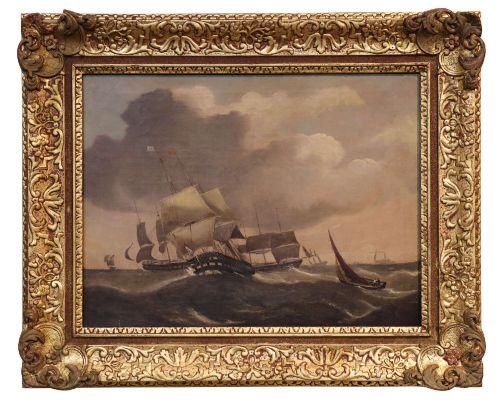


Vintage Boat Canvas Picture
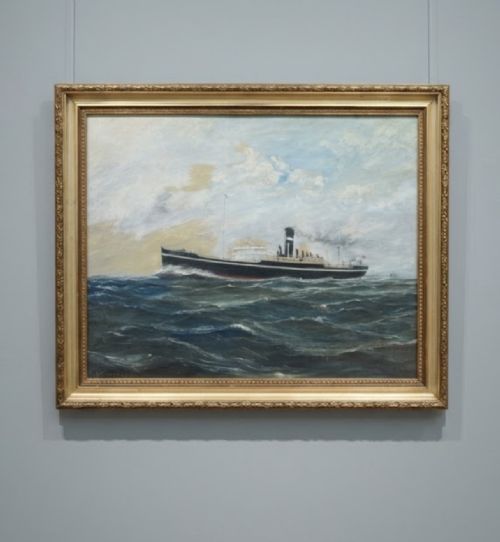
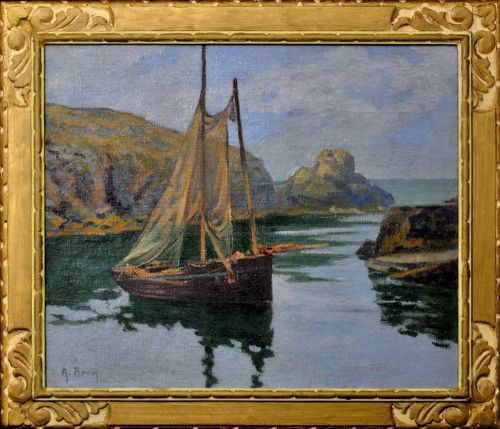
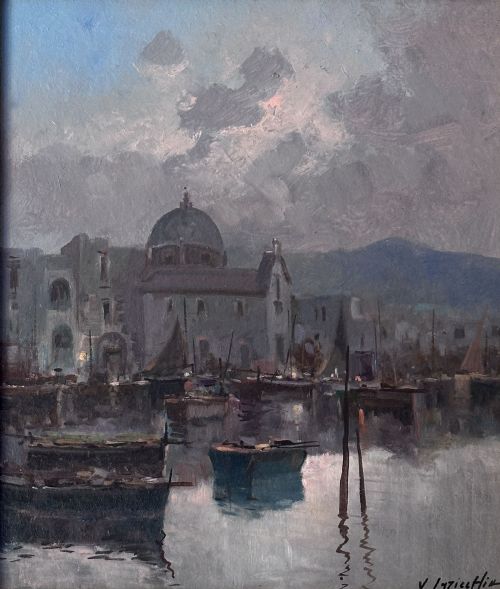
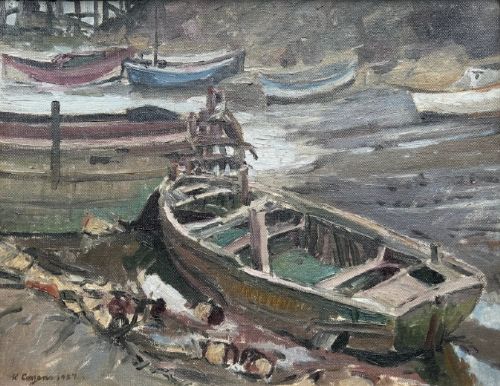
A vintage boat canvas picture captures the enduring maritime romance of sailing vessels and coastal harbours through the rich textures of oil paint.
Vintage Boat Canvas Picture
A vintage boat canvas picture brings maritime scenes and coastal life into interior spaces, capturing harbours, shipping vessels, and open seas. These works span from the nineteenth century through the mid-twentieth century, recording naval and fishing heritage.
Buyers frequently encounter works executed in oil paint upon canvas or board, often held within period frames. The subjects range from calm river moorings to dramatic heavy seas and coastal townscapes.
Originating across British, French, and American schools, these pieces demonstrate styles from Victorian marine realism to mid-century impressionism. Each composition preserves a distinct era of nautical history through painted maritime pigment.
What varies in quality
The sophistication of brushwork and the artist's command of light distinguish finer marine paintings from simpler decorative works. Capturing the movement of water and atmospheric coastal conditions requires considerable technical skill.
Material preservation also influences the character of each piece, including the stability of the oil pigment and the integrity of the canvas or board. Original period framing contributes significantly to the overall aesthetic coherence of the artwork.
Vintage Boat Canvas Picture Retail Price Guide 2026
Typical asking prices for vintage boat canvas picture among the pieces listed under this phrase on Sellingantiques today, from the lower quarter to the upper quarter. They describe what is for sale here now, not the wider market.
Listings feature works spanning the nineteenth century through the 1960s, executed primarily in oil paint on canvas and board.
Kenneth Cozens·Elisabeth Bardon·Charles Napier Hemy·Alfred Henry Vickers·George Henry Knight·Edward Henry Holder·Owen Bowen·Frank Myers Boggs·John William Gilroy
The Vintage Boat Canvas Picture Glossary
- Oil paint
- A slow-drying paint made of pigment particles suspended in a drying oil, commonly linseed. It allows for rich colour blending and textured impasto applications.
- Impasto
- A technique where paint is laid on an area of the surface in very thick layers, usually thick enough that the brush or painting-knife strokes are visible.
- Giltwood
- Wood that has been treated with a thin layer of gold leaf or gilt powder, frequently utilised for decorative antique picture frames.
- Board
- A rigid flat panel, often wood or composition material, used as an alternative support to stretched canvas for oil paintings.
- Maritime
- Relating to the sea, ships, or seafaring life, forming the principal subject matter of these coastal paintings.
Vintage Boat Canvas Picture: Frequently Asked Questions
How do I date a marine painting?
Dating relies on stylistic evidence, artist signatures, and the materials used for the canvas and stretcher frames. Victorian works often show tighter academic realism, whereas mid-century pieces embrace freer impressionist brushwork.
Examining the back of the canvas or board can reveal old labels, framing stamps, or inscriptions that help narrow down the period of creation.
Where should I hang a coastal artwork?
These paintings suit spaces with steady ambient light, away from direct sunlight which can degrade oil pigments over extended periods. Placing them in principal rooms allows the maritime subject to become a natural focal point.
Ensure the wall environment avoids excessive humidity fluctuations to protect both the canvas support and any giltwood frame present.
What is the difference between canvas and board?
Canvas is a woven fabric stretched across a wooden frame, offering slight give and a textured surface weave. Board provides a rigid, solid support made of wood or composite material.
Both materials were widely utilised across the nineteenth and twentieth centuries, with artists selecting grounds based on personal preference and portability.
How do I care for an antique oil painting?
Maintenance involves keeping the surface free of dust using a very soft, dry brush without applying pressure to the pigment. Avoid using liquid cleaners or damp cloths on the painted surface.
Professional conservators should handle any structural repairs to the canvas or cleaning of discoloured varnish layers.