



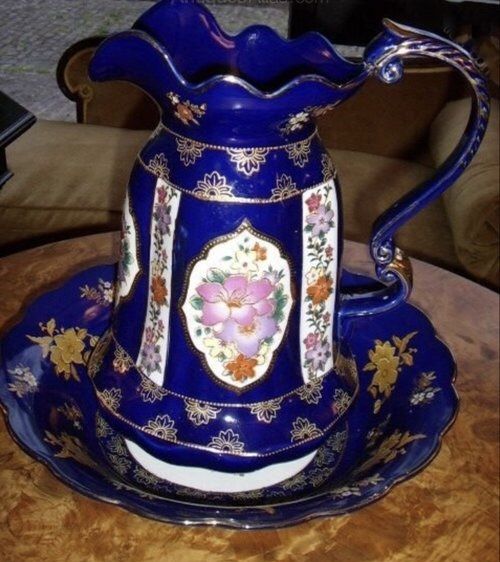


Vintage Blue Porcelain Set
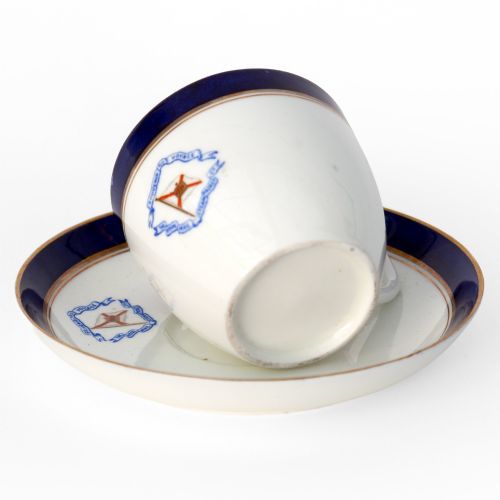
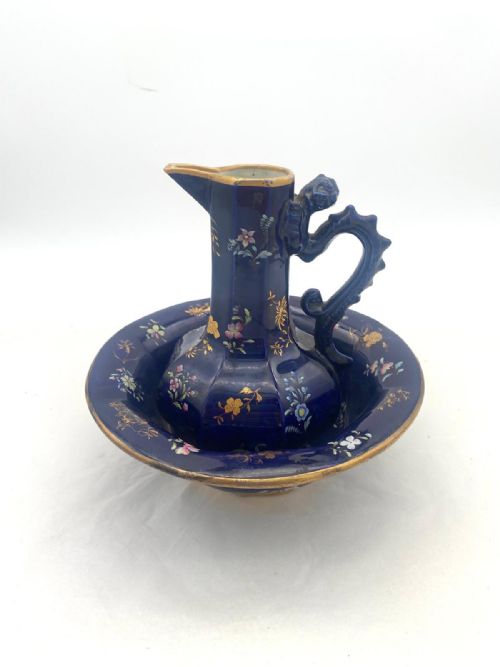
A vintage blue porcelain set brings together coordinated ceramic pieces designed for dining, display or daily washstand routines.
Vintage Blue Porcelain Set
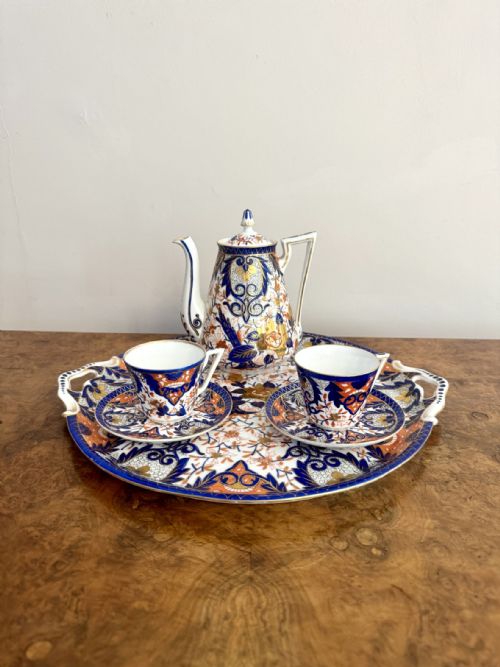
A vintage blue porcelain set encompasses coordinated groupings intended for tea, coffee, dining or washing. Buyers searching for a vintage blue porcelain set encounter diverse configurations ranging from extensive afternoon tea services to matched jug and basin ensembles.
The material composition spans traditional porcelain alongside bone china, earthenware, and ironstone. These pieces emerge across periods stretching from the eighteenth century through the Victorian and Edwardian eras into the nineteen-thirties.
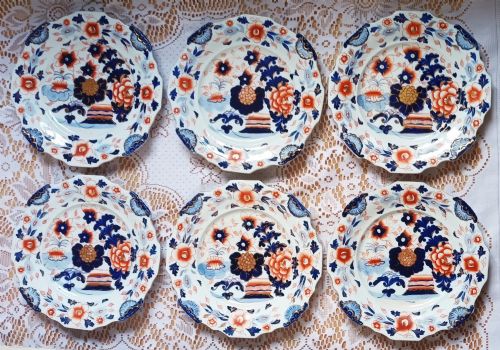
Styles vary from Japanese Imari and French Rococo Revival to Georgian patterns and Art Deco designs. Most frequently, buyers meet tea services, dessert services, and bathroom washstand sets featuring cobalt blue glazes.
Manufacturing methods and materials
Potters shaped these objects using porcelain, bone china, earthenware, and ironstone as base bodies. Glazes in cobalt blue provided the foundational colour before secondary decoration took place.
Makers applied enamel paints and gold leaf accents over or beneath the glaze to build intricate floral, bird, or geometric patterns. Kiln firing fixed these colours permanently into the ceramic surface.
Vintage Blue Porcelain Set Retail Price Guide 2026
Typical asking prices for vintage blue porcelain set among the pieces listed under this phrase on Sellingantiques today, from the lower quarter to the upper quarter. They describe what is for sale here now, not the wider market.
Listings feature items from the eighteenth century, Victorian era, and nineteen-thirties utilising porcelain, bone china, ironstone, and gold leaf.
Distinctions in quality
Quality differentiates through the fineness of the ceramic body and the precision of the hand-painted blue glaze. Superior examples display crisp definition in complex motifs without blurring or pooling.
The preservation of delicate gold leaf gilding and enamel highlights dictates the standing of an individual set. Complete services retaining all original matching components command greater recognition than assembled or partial groupings.
Royal Crown Derby·Masons Ironstone·Coalport·Doulton Burslem·Wedgwood·Worcester·Copeland Spode·Sutherland
The Vintage Blue Porcelain Set Glossary
- Porcelain
- A hard, white, vitrified ceramic material fired at high temperatures. It rings when struck and remains impervious to liquids even without glaze.
- Ironstone
- A heavy, durable type of earthenware patented in the nineteenth century. It offered a robust alternative to true porcelain while accepting blue transfer-printed decoration readily.
- Imari
- A decorative style originating in Japan characterised by underglaze blue combined with iron red and gold. European factories copied these distinctive patterns extensively.
- Garniture
- A matched set of three or more ornamental vases or vessels designed to be displayed together on a mantelpiece or sideboard.
- Trio
- A matched three-piece grouping consisting of a teacup, saucer, and matching tea plate.
Vintage Blue Porcelain Set: Frequently Asked Questions
How do I date a blue porcelain set?
Dating relies on maker marks, registration numbers, and stylistic cues found on the base of the ceramic pieces. Comparing the shape and transfer-print style to documented historical periods narrows down the decade of production.
Changes in ceramic bodies, such as the transition from soft-paste porcelain to ironstone or bone china, provide further chronological markers. Expert reference books cataloguing factory marks remain essential tools for precise dating.
Were tea services used daily or saved?
Large afternoon tea services and extensive dessert sets were typically reserved for formal entertaining and guest hospitality rather than everyday meals. Smaller trios and single cup-and-saucer sets saw more frequent routine use.
Households maintained separate services depending on the occasion, which explains why many surviving sets retain a high proportion of their original pieces.
What is the difference between porcelain and ironstone?
Porcelain is a true ceramic fired at extremely high temperatures until vitrified and translucent. Ironstone is a dense, opaque earthenware developed to imitate porcelain while offering greater physical strength for heavy utility items.
Jug and basin sets and larger kitchen wares were frequently cast in ironstone for durability. Tea services and decorative plates were more commonly rendered in true porcelain or bone china.