


Vintage Blue Plate
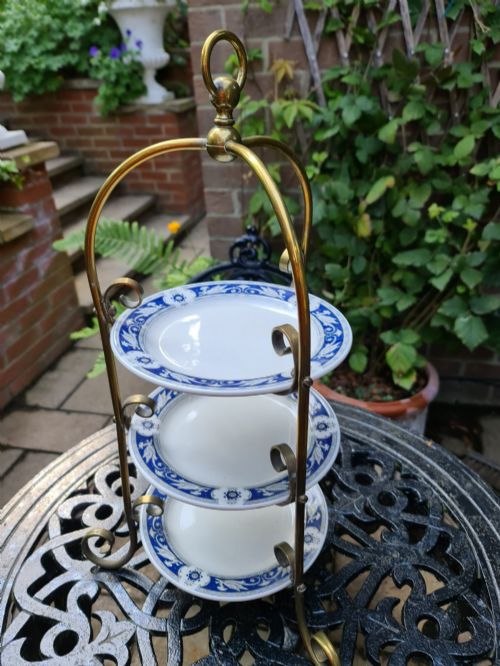
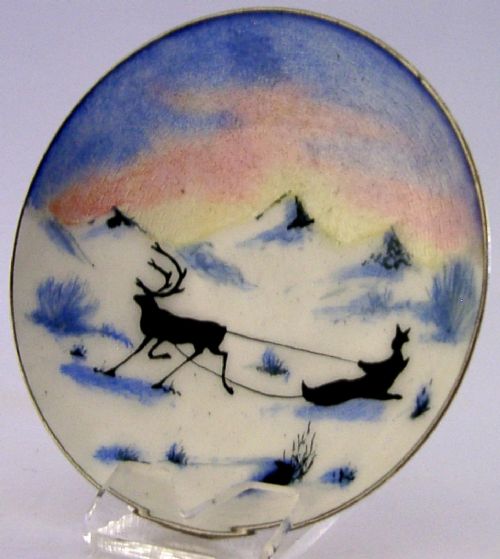
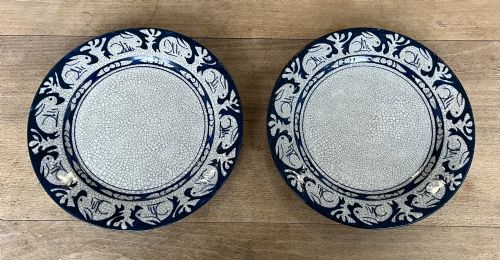
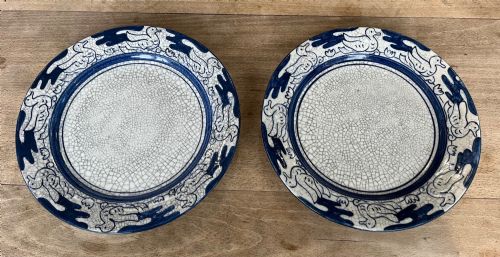
A vintage blue plate brings depth and pattern to a table or wall, drawing the eye with rich cobalt decoration.
Vintage Blue Plate
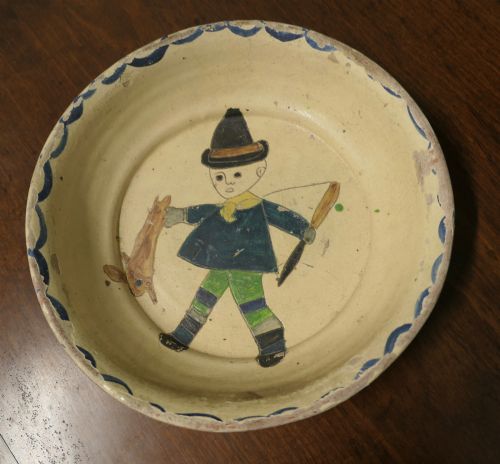
When searching for a vintage blue plate, buyers encounter a broad selection spanning earthenware, porcelain, and ceramic forms designed for display or dining. The inventory includes cabinet plates, decorative chargers, serving platters, and dishes produced across the eighteenth, nineteenth, and twentieth centuries.
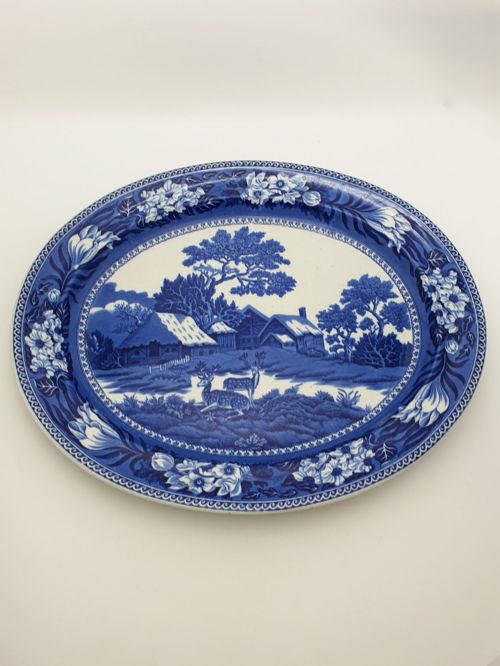
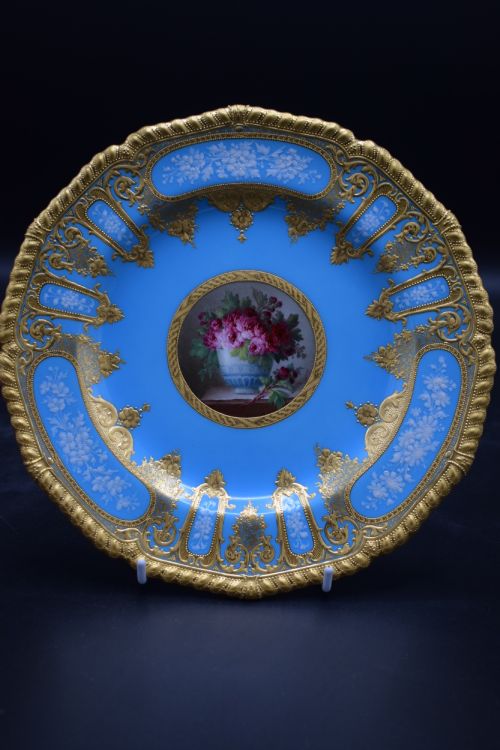
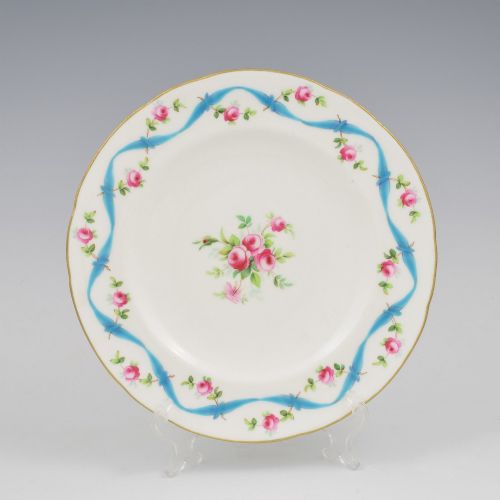
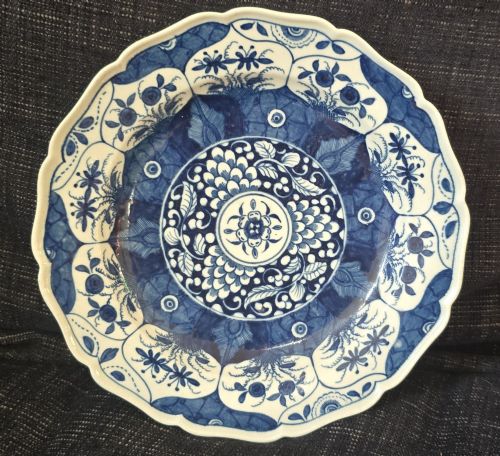
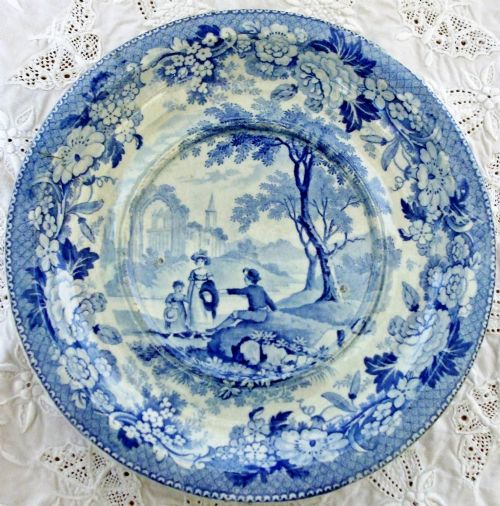
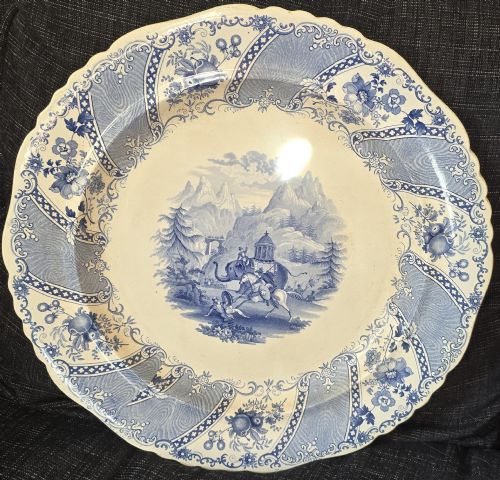
Many examples showcase traditional English transferware, Japanese Imari patterns, and Dutch Delftware styles. These pieces range from large wall chargers to cabinet plates bearing painted fruit and intricate floral motifs.
How they were made
Potters utilised earthenware and bone china bodies, applying cobalt blue pigments beneath a protective glaze before firing. Transfer printing allowed intricate pictorial scenes, such as historical and architectural subjects, to be applied efficiently to large surfaces.
Hand-painted elements, gold leaf accents, and enamel work frequently enriched the finished ceramics. Artisans shaped chargers, plates, and dishes using traditional moulding and throwing techniques before applying distinctive blue scales, florals, and borders.
Vintage Blue Plate Retail Price Guide 2026
Typical asking prices for vintage blue plate among the pieces listed under this phrase on Sellingantiques today, from the lower quarter to the upper quarter. They describe what is for sale here now, not the wider market.
Listings feature porcelain, earthenware, and bone china pieces spanning the eighteenth to the twentieth centuries, utilising transferware, glaze, and gold leaf techniques.
What varies in quality
The crispness and depth of the blue transfer or hand-painted detail define the upper tiers of quality. Finer items exhibit precise brushwork, balanced composition, and well-preserved gilt or enamel highlights.
The clarity of the glaze and the weight of the ceramic body also separate standard utility wares from superior cabinet and display pieces. Artist signatures and established pottery marks often accompany the most accomplished examples.
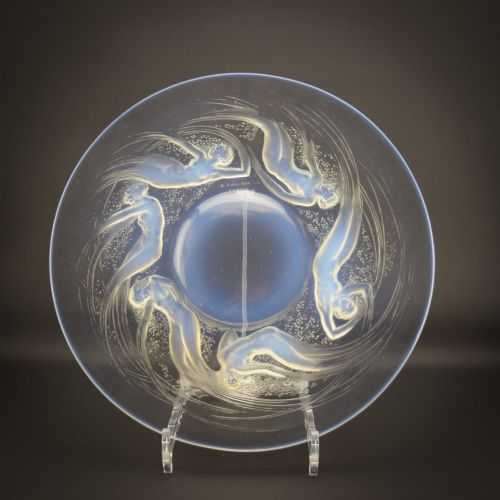
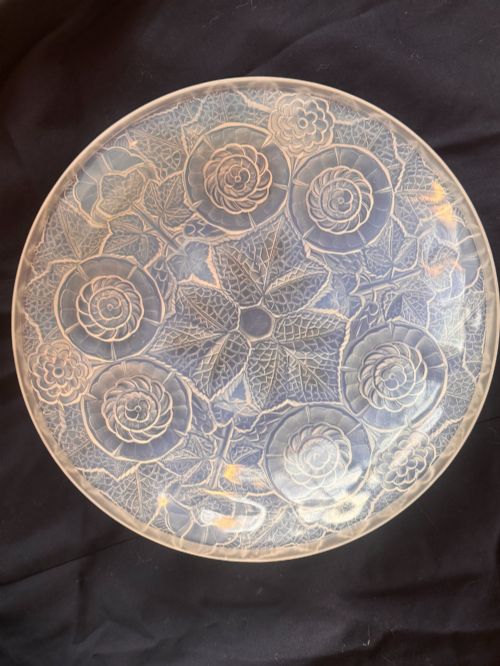
Royal Crown Derby·Royal Worcester·George Jones·William Smith And Co·John Rogers And Son·Hicks And Meigh·Doulton Lambeth·Rene Lalique
The Vintage Blue Plate Glossary
- Transferware
- Pottery decorated by applying a printed design from an engraved copper plate onto the ceramic surface using tissue paper. This technique enabled intricate multi-toned pictorial scenes to be produced consistently.
- Charger
- A large decorative plate traditionally used for ceremonial purposes or placed beneath smaller course plates. These substantial pieces frequently feature elaborate painted or transfer-printed designs.
- Imari
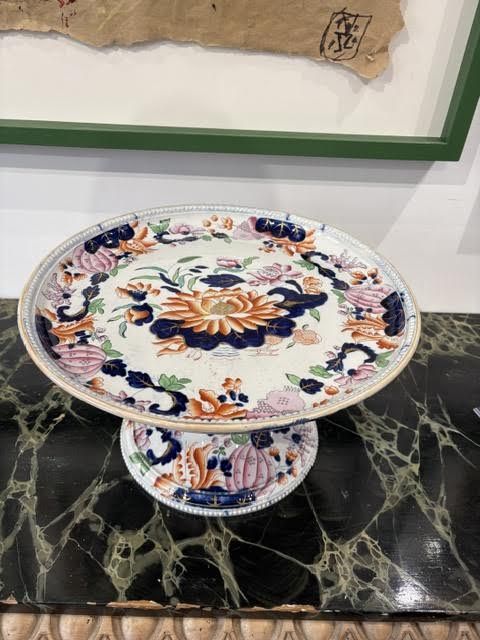
- A style of Japanese porcelain characterised by a palette of cobalt blue, iron red, and gold. European factories frequently copied these distinct aesthetic motifs during the eighteenth and nineteenth centuries.
- Delftware
- Tin-glazed earthenware produced in the Netherlands and England, typically featuring blue and white designs inspired by imported Chinese porcelain. The opaque white glaze provides a smooth ground for painted decoration.
- Cabinet plate
- A decorative ceramic plate intended for display in a cabinet or on a wall rather than for everyday dining. These items often showcase exceptional painted artwork by named artists.
Vintage Blue Plate: Frequently Asked Questions
What is a vintage blue plate used for?
These plates serve primarily as decorative wall hangings, cabinet display items, or serving platters for special occasions. Their striking blue pigments add strong visual contrast to both traditional and contemporary interiors.
Larger chargers and platters can anchor a tablescape or be mounted on walls using appropriate display hangers. Smaller dishes function well for holding small items or serving desserts.
How do I identify the period of a blue and white plate?
Pottery marks, backstamps, and impressed ciphers on the underside offer the most reliable guide to a piece's age and origin. Stylistic clues such as transfer print subjects, paste composition, and glaze characteristics also help narrow down the decade.
Victorian and Georgian pieces often feature specific registry marks or maker initials that date the manufacture precisely. Comparing the pattern style to known factory archives confirms the historical context.
Are these plates safe for daily dining?
Many antique and vintage ceramic plates contain older glazes that may not meet modern food safety standards for acidic foods. It is generally advisable to treat older decorative plates and hand-painted cabinet pieces as display objects rather than everyday tableware.
Items intended purely for display should be kept away from heavy utensil use to preserve the glaze and any delicate enamel or gold leaf details. Gentle hand washing without harsh detergents protects the surface if cleaning is necessary.
How do Imari styles differ from standard blue and white pottery?
Imari wares incorporate contrasting iron red and gold leaf alongside cobalt blue decoration, creating a much richer palette. Standard blue and white ceramics rely solely on shades of cobalt against a white or cream ground.
Japanese Imari pieces and their European transferware or painted equivalents display densely packed floral and brocade motifs. This aesthetic differs from the narrative or landscape scenes typical of traditional English transferware.