

Vintage Blue Lamps
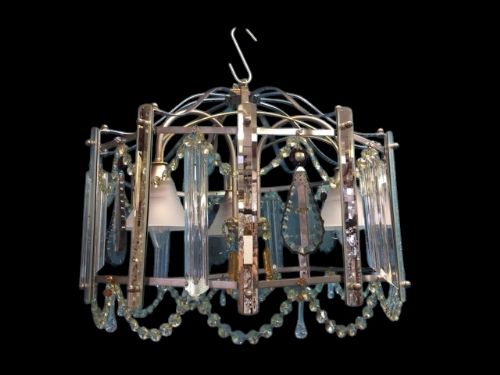
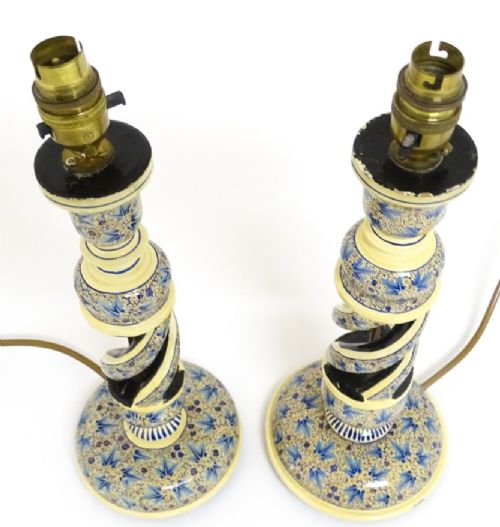
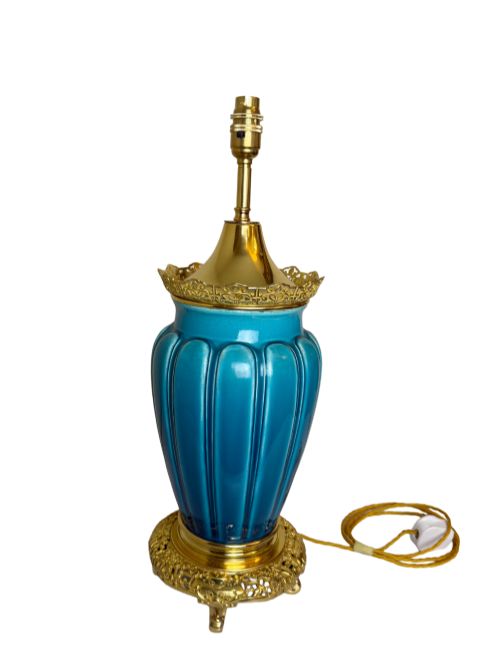
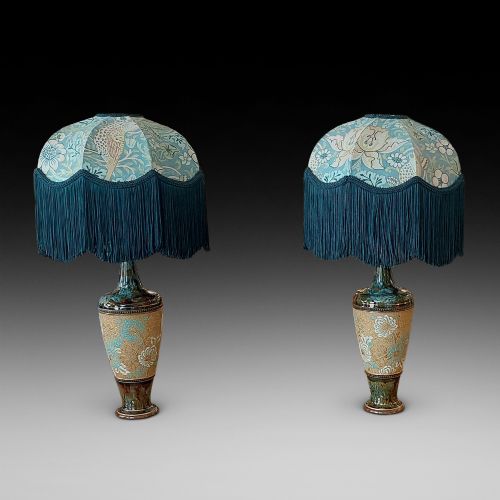
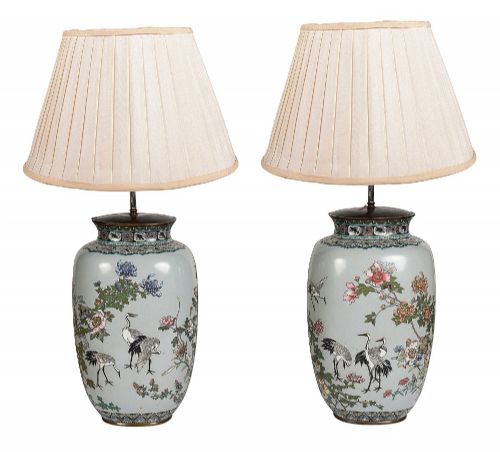
These vintage blue lamps bring together hand-painted porcelain, rich brass and converted jars from the seventeenth to the twentieth centuries to anchor a room.
Vintage Blue Lamps
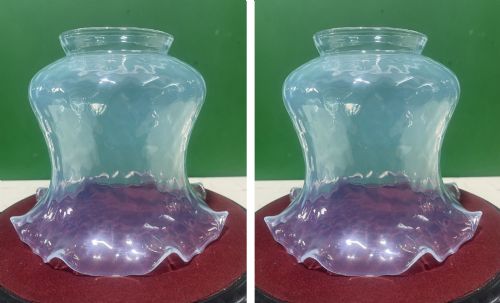
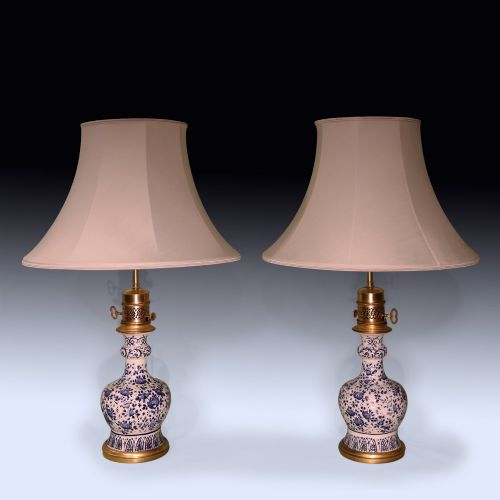
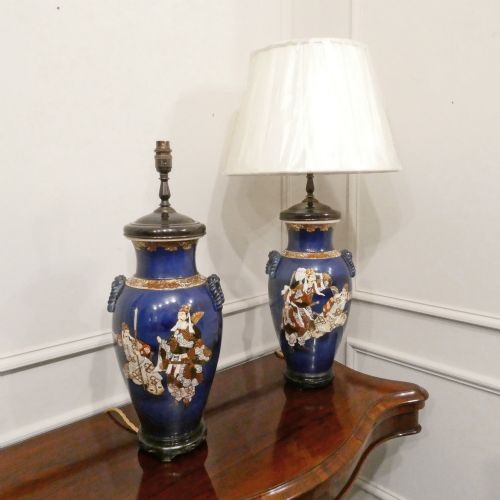
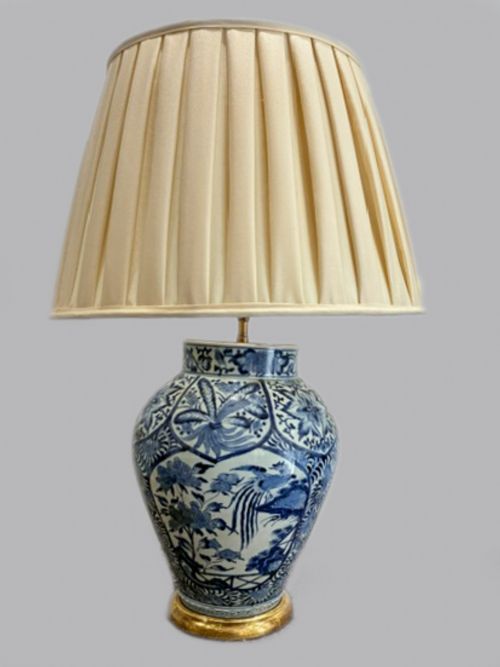
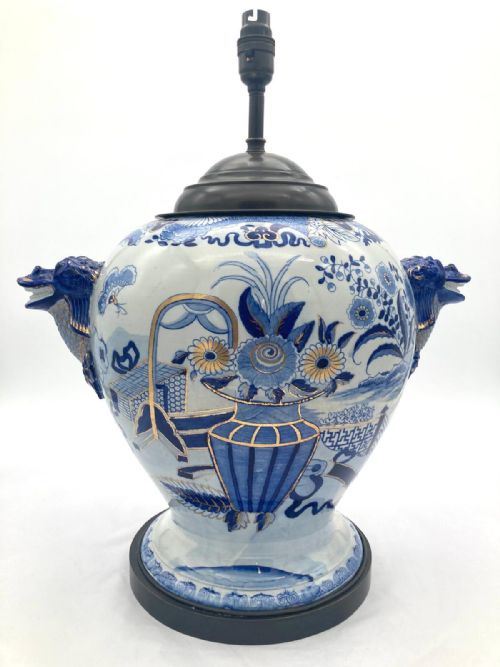
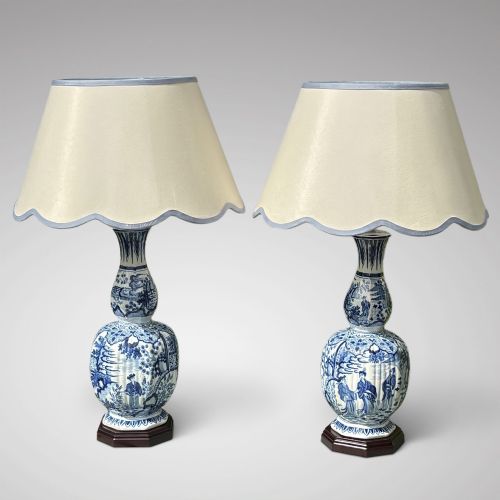
Vintage blue lamps encompass a broad span of decorative lighting, ranging from converted Japanese Satsuma vases and Delft vessels to Victorian oil lamps with coloured fonts. When exploring vintage blue lamps, buyers frequently encounter pairs of porcelain table lamps alongside floor-standing brass columns and hand-painted Kashmiri pieces.
The materials vary from nineteenth-century porcelain and stoneware to polished brass and cast bronze, reflecting styles that stretch from Victorian and Edwardian to Art Deco and Chinoiserie. Many examples originate from conversions of earlier vases and jars, mounted with electrical fittings while retaining their original ceramic bodies.
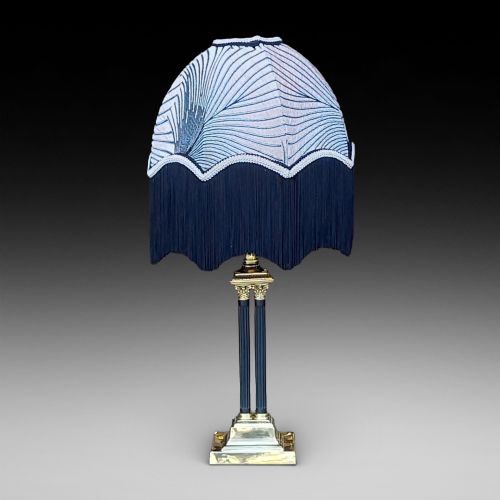
The selection includes specific forms such as Corinthian and Doric column table lamps, slender floor lamps, and matching pairs designed for bedside or living room placement. These objects bridge utilitarian lighting and decorative art, drawing on periods when ceramics and metalwork were combined by hand.
Materials and Construction
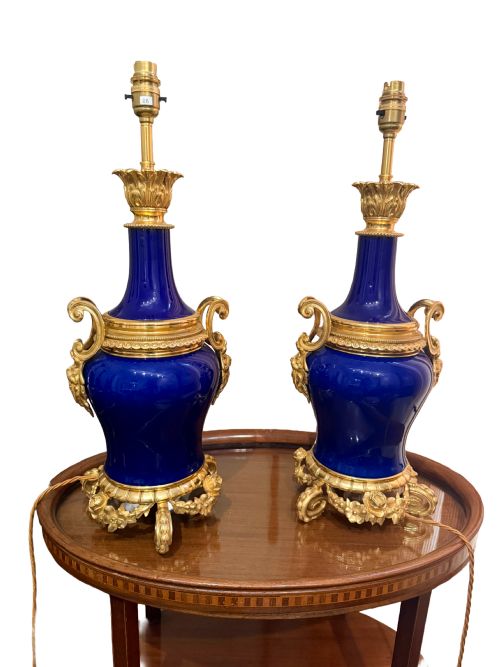
Ceramic bodies, including porcelain, stoneware, and delftware, form the core of many pieces, often glazed in shades of cobalt and turquoise and subsequently mounted with bronze, ormolu, or brass hardware. Artisans shaped metal elements through casting and plating, creating sturdy column standards and decorative bases.
Fabric shades and glass elements complement the metal and ceramic structures, while hand-painting techniques apply intricate surface patterns directly onto earthenware and porcelain bases. Wiring and conversion work adapt historical vessels for modern electrical use without losing their original aesthetic.
Vintage Blue Lamps Retail Price Guide 2026
Typical asking prices for vintage blue lamps among the pieces listed under this phrase on Sellingantiques today, from the lower quarter to the upper quarter. They describe what is for sale here now, not the wider market.
Factors of Quality
The fineness of the painting and the precision of the ceramic glazes distinguish standard productions from superior works, particularly in hand-painted Japanese Satsuma and Chinese ginger jars. Superior examples exhibit crisp detail in the motifs and a balanced, harmonious colour saturation across the entire ceramic body.
The metal mounts, whether gilt bronze, ormolu, or heavy brass, dictate the structural integrity and tactile weight of the piece, with finely chased or cast metalwork indicating higher workshop standards. The harmony between the converted vessel and its hardware determines the overall cohesion of the lamp.
Royal Doulton·Hicks and Meigh·Baccarat
The Vintage Blue Lamps Glossary
- Ormolu
- Gilt bronze mounts applied to furniture and lighting fixtures. This technique involves gilding a finely cast bronze object with a mercury-gold amalgam to achieve a rich metallic finish.
- Cloisonné
- Enamelling technique where thin metal wires form raised barriers on a ceramic or metal base to hold coloured glass pastes. The piece is then fired and polished to a smooth finish.
- Satsuma
- Japanese earthenware pottery traditionally characterised by a ivory craquelure glaze decorated with polychrome and gilt motifs. These ceramics were frequently exported and later converted into lamps.
- Plafonnier
- A ceiling-mounted bowl light or shallow shade fixture popular during the Art Deco period. It directs light downward while sitting close to the ceiling surface.
- Font
- The oil reservoir section of an antique lamp, often made of coloured glass or ceramic. In many surviving examples, this container sits above a metal or glass base.
Vintage Blue Lamps: Frequently Asked Questions
How do I date an antique blue lamp?
Dating relies on examining the manufacturing style of the ceramic body, the patination of the brass or bronze mounts, and any visible maker marks or registry numbers. Stylistic cues from periods like the Victorian era or Art Deco help narrow down the decade of production.
Converted vessels may carry an age earlier than the electrical fittings, as seventeenth and eighteenth-century vases were often adapted into lamps much later in their lifespan.
What is a converted lamp?
A converted lamp is an antique vessel, such as a ginger jar, vase, or candlestick, that has been professionally adapted to house electrical lamp fittings.
This practice preserves decorative porcelain and stoneware objects by giving them a functional role as table lighting.
How should I clean a painted ceramic lamp?
Dusting gently with a soft, dry cloth is usually sufficient for maintaining hand-painted surfaces and delicate glazes on porcelain and stoneware.
Harsh chemical cleaners and excessive moisture should be avoided to protect the original paintwork and any gilt bronze or ormolu mounts.