

Vintage Blade
Vintage blade finds group steel edged weapons and concealed cane swords from Victorian, Edwardian, and twentieth century periods.
Vintage Blade
A vintage blade covers edged objects ranging from military bayonets and sabres to concealed sword sticks housed inside wooden walking canes. The selections span the Victorian, Edwardian, and interwar eras, incorporating European, Japanese, and Indian forms.
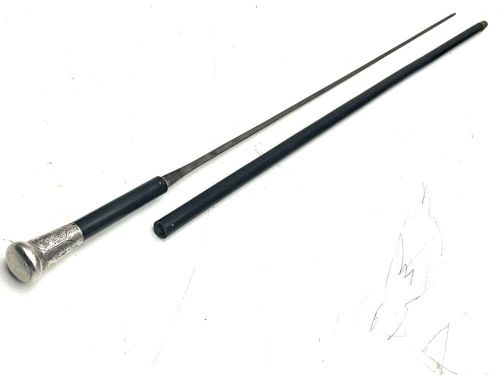
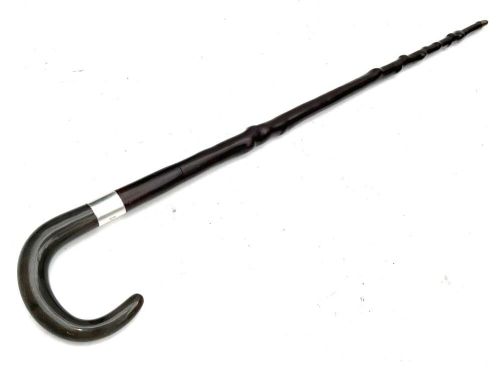
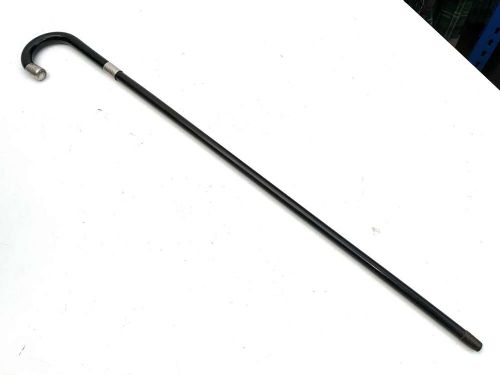
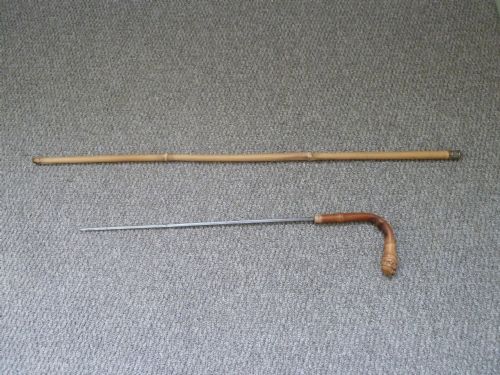
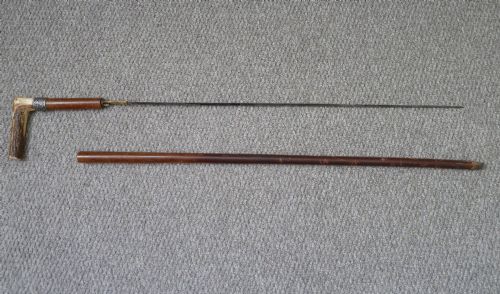
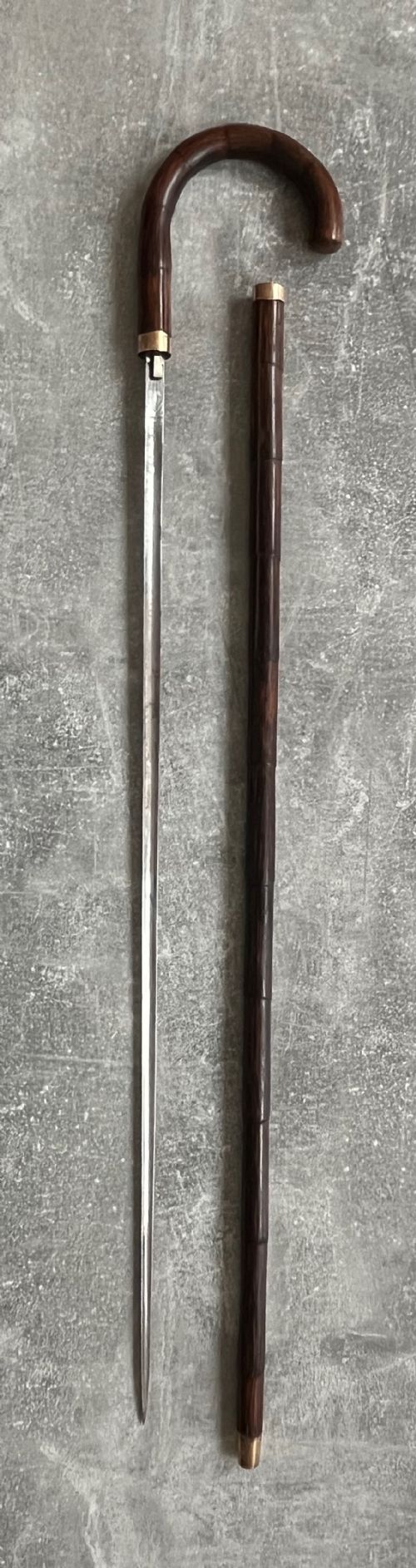
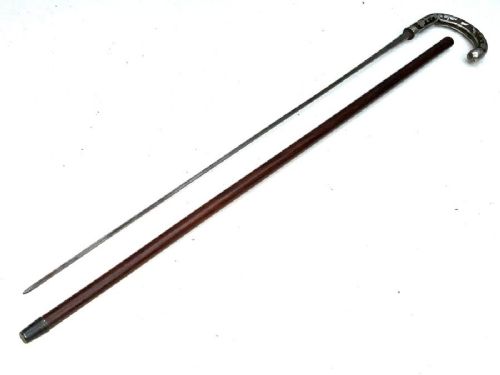
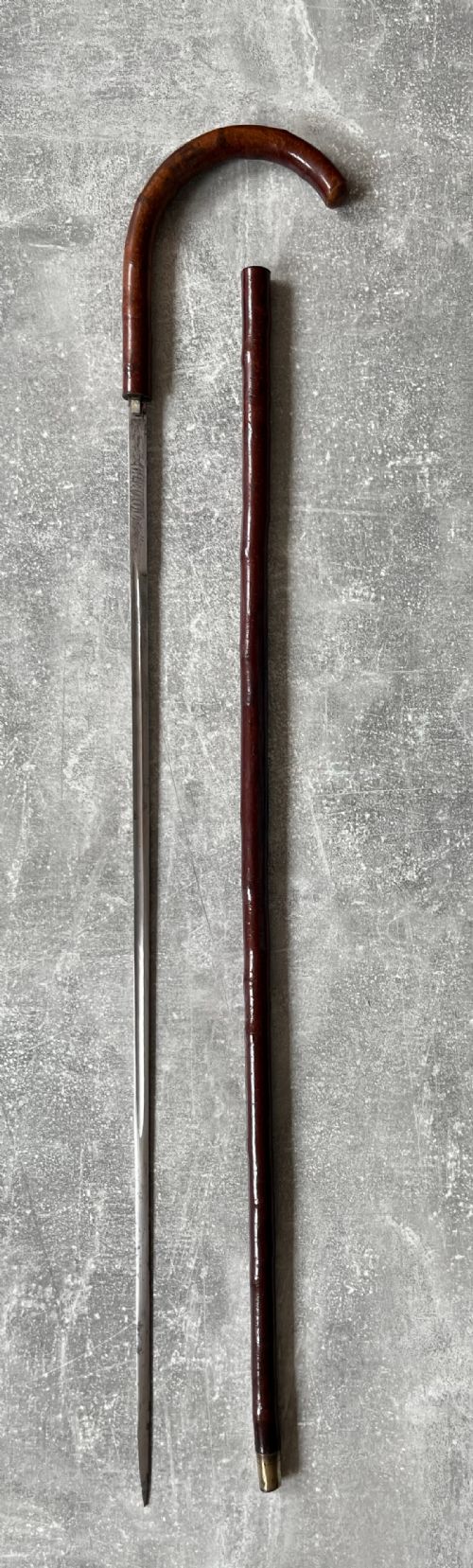
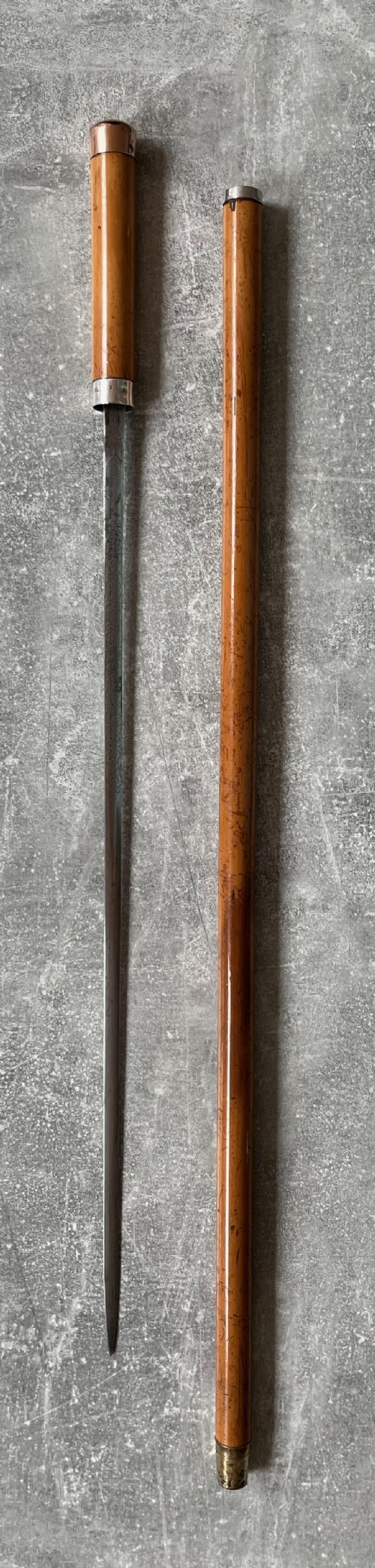
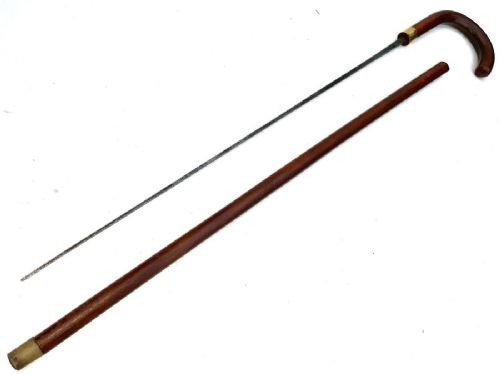
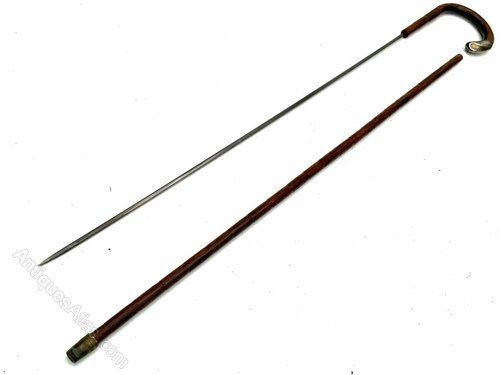
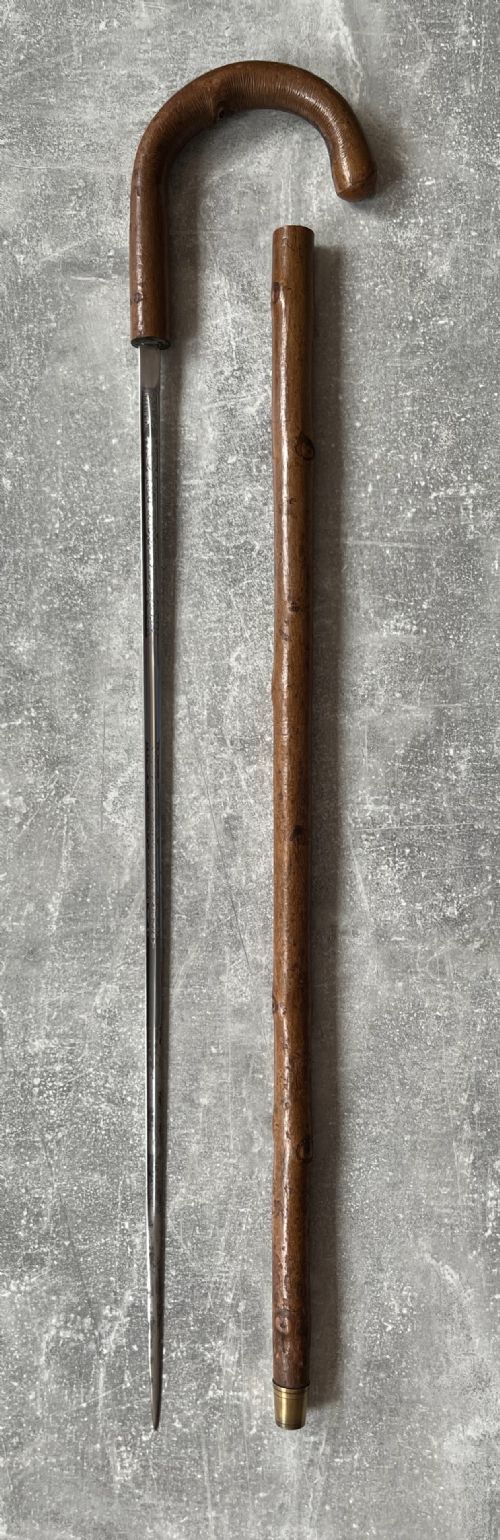
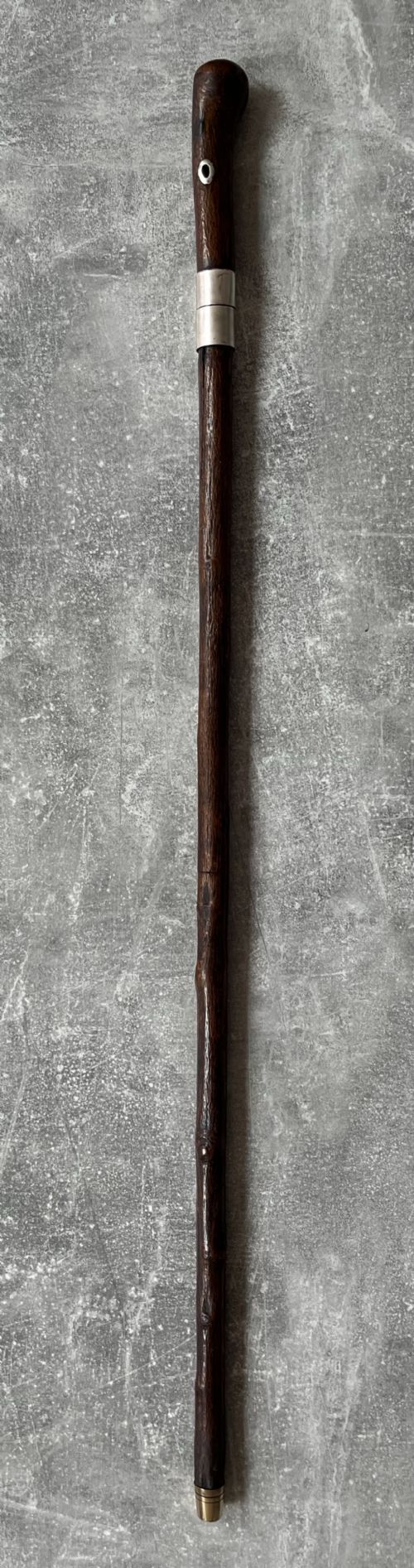
Concealed sword sticks represent a major category on this page, often pairing malacca, hazel, or partridge wood shafts with steel Toledo blades. Makers utilised horn, silver collars, and porcelain handles to disguise the hidden weapons.
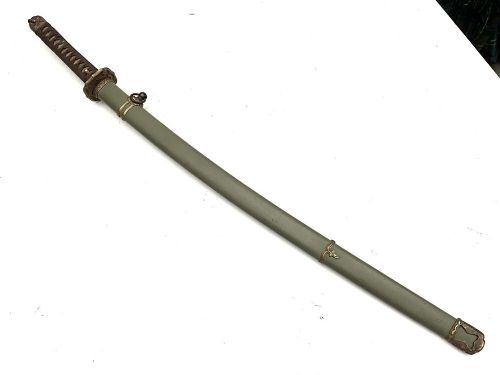
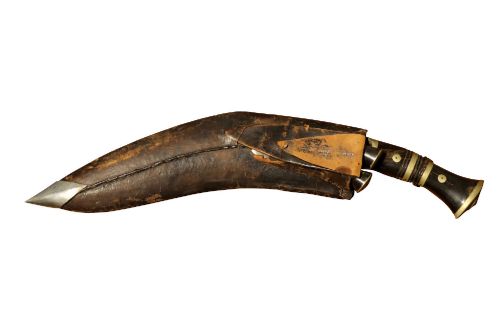
Military items also appear frequently, including cavalry sabres, bayonets, and officers' swagger sticks. Collectors additionally encounter Asian edged forms like the Japanese wakizashi and Malay kris alongside domestic desk accessories.
How they were made
Makers shaped the structural shafts from natural materials such as malacca, hazel, partridge wood, cherrywood, and blackthorn. These organic handles and canes frequently combined with brass, silver, gold plate, and leather mounts.
The internal blades rely on forged steel, sometimes bearing etched decoration or specific workshop signatures like those from Toledo and Wilkinson. Smiths mounted these blades securely inside wooden channels, often employing button release mechanisms for concealment.
Vintage Blade Retail Price Guide 2026
Typical asking prices for vintage blade among the pieces listed under this phrase on Sellingantiques today, from the lower quarter to the upper quarter. They describe what is for sale here now, not the wider market.
Several walking sticks hide secret blades beneath polite porcelain and horn handles, proving that Victorian gentlemen enjoyed an unexpected edge.
What varies in quality
Superior examples demonstrate meticulous integration between the outer wooden cane and the internal steel blade, ensuring smooth deployment without looseness in the shaft. Maker provenance, such as recognised blade signatures, elevates the standing of an item.
The choice of decorative elements dictates the tier of craftsmanship, distinguishing standard utilitarian pieces from luxury versions featuring detailed silver mounts, Sevres porcelain, or carved horn handles.
Wilkinson Blade·Brigg·Rubery Owen Blade Workshop
The Vintage Blade Glossary
- Toledo blade
- A steel blade forged in the Spanish city of Toledo, renowned for flexibility and strength. These blades appear frequently in nineteenth century sword sticks.
- Wakizashi
- A traditional Japanese short sword carried by samurai warriors during the Edo period and earlier eras. Collectors value the distinct folding steel construction and historical mountings.
- Bayonet
- A close combat weapon designed to fit onto the muzzle of a rifle. Examples on this site include nineteenth century patterns with metal and wood fittings.
- Malacca
- A sturdy rattan cane imported from Southeast Asia, prized for its mottled brown finish and resilience. It served as a primary material for walking sticks and sword canes.
- Kris
- An asymmetric dagger originating from the Malay archipelago, characterised by distinctive wavy or straight blades. These regional weapons reflect traditional forging techniques.
Vintage Blade: Frequently Asked Questions
What materials make up a sword stick?
Sword sticks combine a natural wooden shaft, such as malacca, hazel, or partridge wood, with a concealed steel blade inside. Mounts often incorporate silver, brass, horn, or porcelain.
Makers fitted these materials together to disguise the hidden weapon completely while maintaining the utility of a standard walking cane.
How do you release the blade in a cane?
Many sword sticks utilise a mechanical button release set into the collar or handle to unlock the internal blade from the scabbard shaft.
Others rely on a friction fit where the user pulls the handle firmly to separate the two sections.
What is the difference between a bayonet and a sabre?
A bayonet is a relatively short edged weapon designed to attach directly to the barrel of a military rifle for close combat. A sabre is a heavier, longer cavalry sword built for slashing.
Both military forms survive from the nineteenth and twentieth centuries with varying scabbard materials.
How are antique sword sticks dated?
Dating relies on identifying the prevailing style of the wooden shaft, metal mounts, and hallmarked silver collars. Victorian and Edwardian examples often feature distinct manufacturing traits and maker signatures.
Blades themselves can sometimes carry stamps or etching styles characteristic of specific nineteenth century workshops.