


Vintage Black Mirror
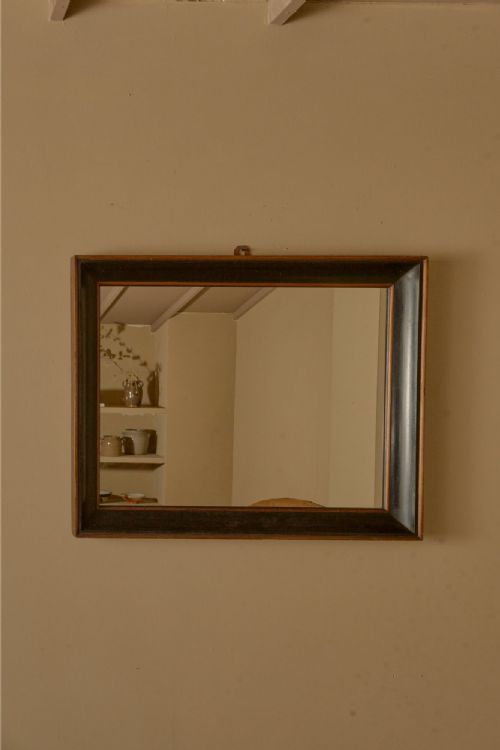
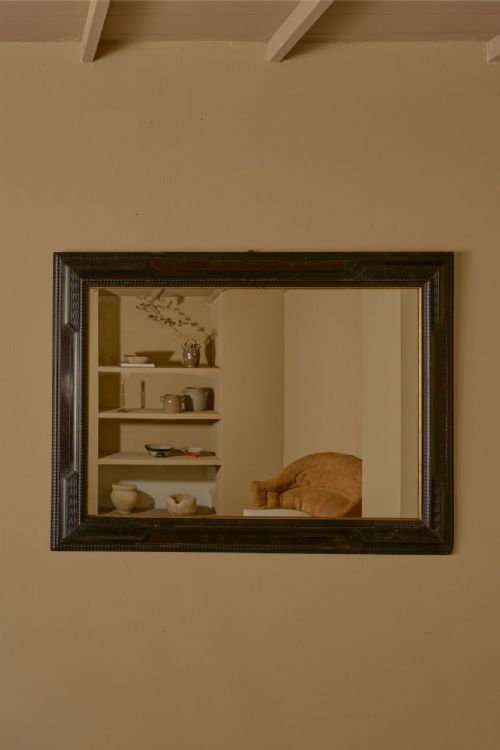
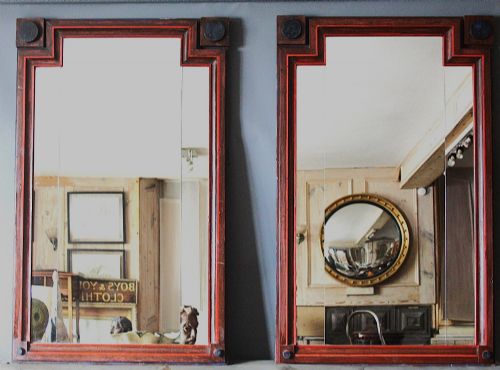
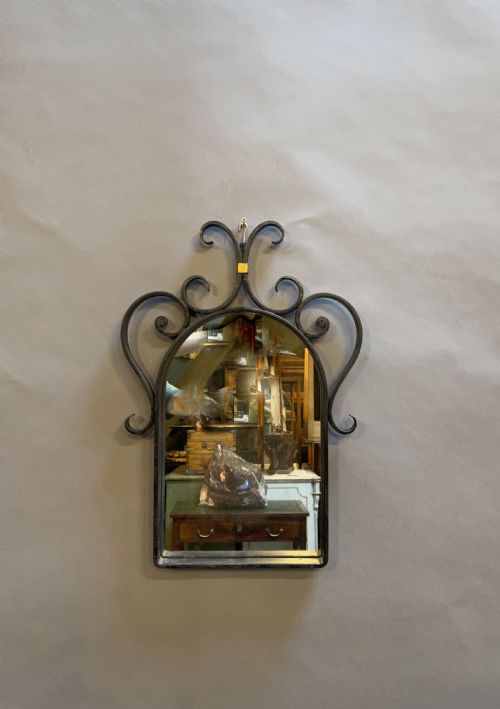
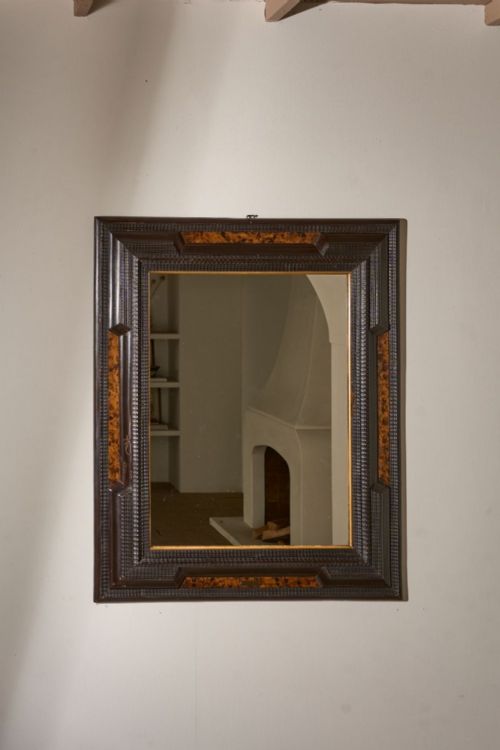
A vintage black mirror brings depth and contrast to an interior, drawing the eye through dark frames, ebonised wood and aged glass.
Vintage Black Mirror
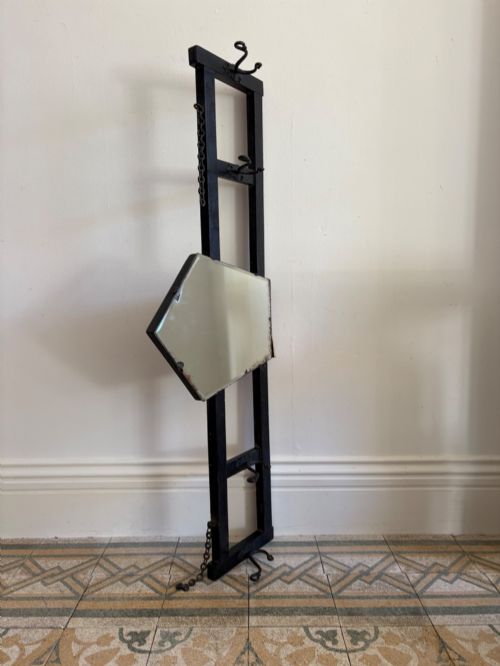
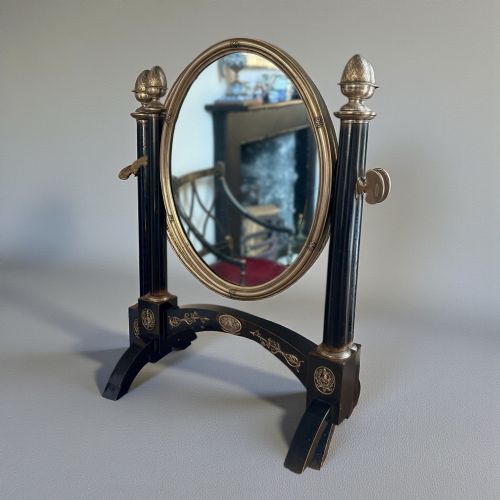
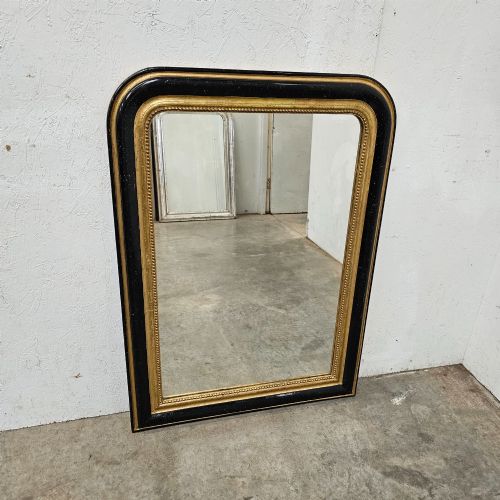
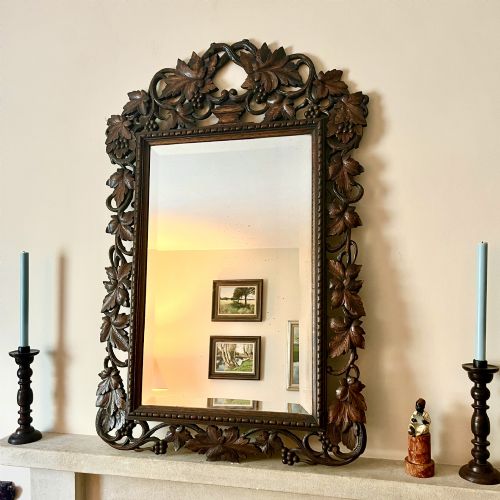
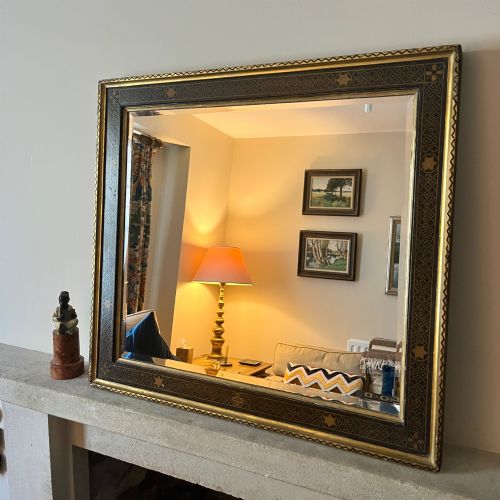
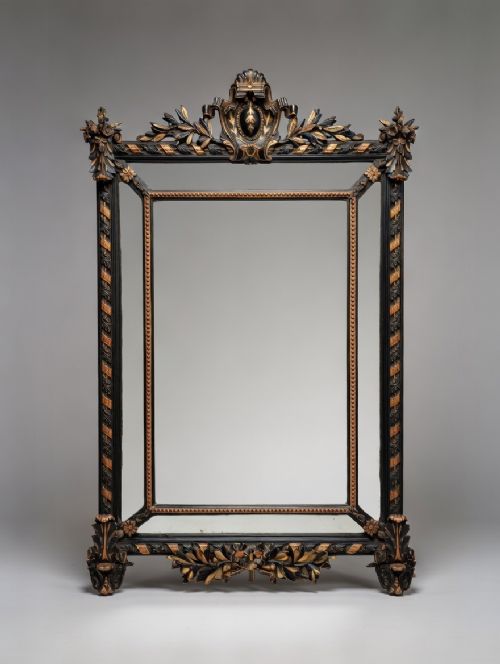
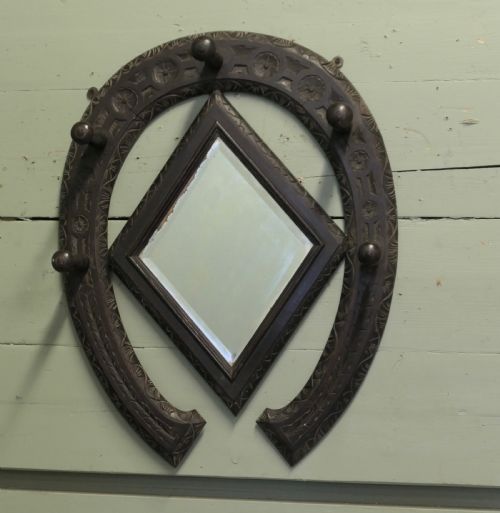
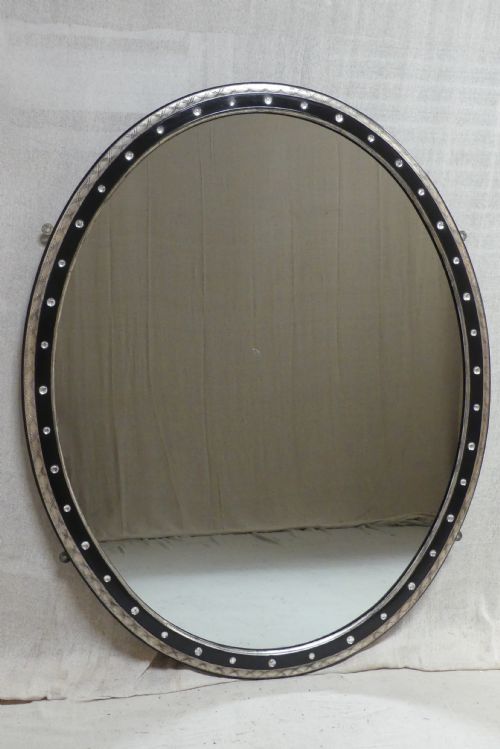
A vintage black mirror encompasses wall mirrors, overmantel mirrors and dressing table mirrors framed in dark materials. These pieces span the nineteenth century through the art deco era, incorporating periods such as the Victorian and Edwardian epochs.
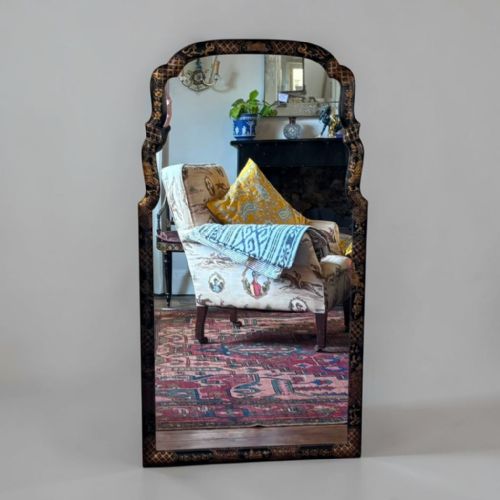
The selections frequently feature ebonised wood, black lacquer or dark paint finishes alongside decorative elements like gilt highlights. Wall mirrors and overmantel mirrors dominate the offerings, often displaying styles ranging from Chinoiserie to Gothic Revival.
Materials and construction
Frames rely on wood, ebonised timber and gesso, shaped into carved profiles or smooth lacquered surfaces. Artisans applied gold leaf, parcel-gilt details or painted decoration to contrast against the dark timber.
Mirror glass sits within these structures, occasionally incorporating acid etching, engraving or fairground distortion techniques. Brass fixtures and iron hardware support the hanging or standing elements of the furniture.
Vintage Black Mirror Retail Price Guide 2026
Typical asking prices for vintage black mirror among the pieces listed under this phrase on Sellingantiques today, from the lower quarter to the upper quarter. They describe what is for sale here now, not the wider market.
Some nineteenth-century glass distortion mirrors survive from fairgrounds, offering a wonderfully warped reflection of the Victorian visitor.
Judging the range
The distinction between tiers rests upon the execution of the frame carving, the depth of the ebonisation and the preservation of original gilding. Hand-carved bird or scroll details display precise chisel work that elevates the craftsmanship.
Glass condition also dictates the standing of a piece, where original silvering shows an authentic aged patina rather than modern replacement. The integration of decorative styles, such as detailed Chinoiserie motifs or faux tortoiseshell effects, marks the more ambitious works.
The Vintage Black Mirror Glossary
- Ebonised
- Wood treated to imitate ebony, producing a dense black finish popular on nineteenth-century frames. This process involved staining or painting timber to achieve a uniform dark surface.
- Chinoiserie
- European interpretations of Chinese artistic motifs, frequently applied in black lacquer on mirrors and furniture. These designs often feature gilt figures, landscapes and pavilions.
- Overmantel mirror
- A large mirror designed to hang above a fireplace mantelpiece. These pieces often anchor the proportions of a reception room.
- Parcel-gilt
- Partially gilded woodwork where gold leaf highlights specific carved areas against a dark background. This technique accentuates relief details on ebonised frames.
Vintage Black Mirror: Frequently Asked Questions
How do I style a black mirror?
Position the piece against a lighter wall to let the dark frame stand out as a focal point in a room.
Pair it with complementary wood tones or metallic accents to balance the heavy visual weight of the black finish.
Are these frames made of solid ebony?
Most frames use alternative timbers like oak or pine finished with an ebonised coating rather than solid ebony. This technique provided the desired dark appearance while remaining structurally practical for large wall pieces.
What periods do these mirrors come from?
The pieces originate primarily from the nineteenth and early twentieth centuries, spanning Victorian, Edwardian and Art Deco eras.
Stylistic markers like hand-carved details or specific lacquer methods help identify these distinct historical periods.
How should I clean an antique mirror?
Use a soft, dry cloth to remove dust from the carved frame without disturbing the aged surface or gilding.
Apply a mild glass cleaner sparingly to the mirror plate, avoiding contact with the wooden edges or old silvering.