







Vintage Black Lanterns
These vintage black lanterns bring heavy metalwork and glass together to light dark hallways, carriage drives and castle walls with enduring industrial strength.
Vintage Black Lanterns
Vintage black lanterns encompass heavy outdoor lighting, railway oil lamps, carriage lamps and indoor wall brackets made across the nineteenth and twentieth centuries. Buyers search for these pieces to anchor a room or garden with industrial weight, period character and dark metal finishes.
The selection on this page leans heavily toward utilitarian railway memorabilia, carriage lights and sturdy wrought iron wall lanterns. Examples stretch from Victorian street lamps and Gothic castle lights down to mid-century railway oil lamps and Arts and Crafts chandeliers.
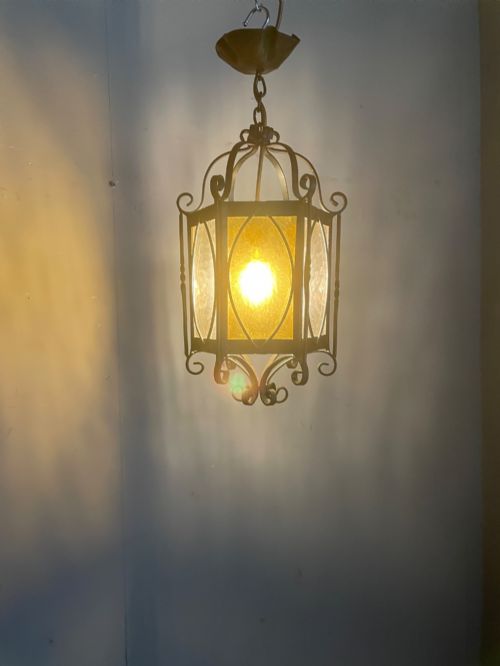
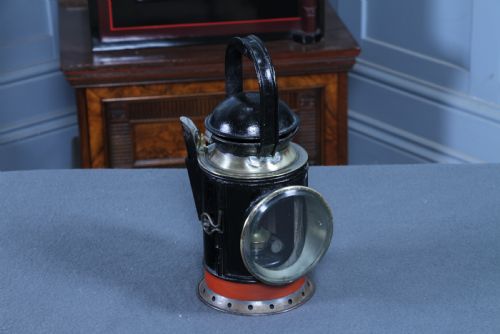
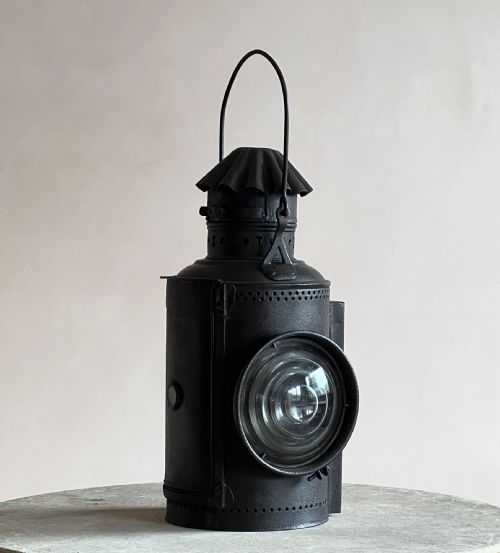
Forms vary from hexagonal hall lanterns and octagonal outdoor lights to spherical street lamps and complex railway inspector lamps. Each object carries the specific marks of its original service, whether mounted beside a porch or carried down a railway track.
Materials and construction methods
Makers built these pieces primarily from wrought iron, cast iron, copper and brass, combining heavy metals with panes of clear or frosted glass. Iron and steel components received dark protective finishes, often paired with polished brass fittings or copper hoods to shed weather.
Construction relies on traditional blacksmithing, casting and riveting techniques designed to withstand harsh outdoor conditions and constant movement. Glazing is secured with metal framing bars, and oil or candle chambers incorporate soldered joints and hinged access doors.
Vintage Black Lanterns Retail Price Guide 2026
Typical asking prices for vintage black lanterns among the pieces listed under this phrase on Sellingantiques today, from the lower quarter to the upper quarter. They describe what is for sale here now, not the wider market.
Listings demonstrate a strong presence of nineteenth-century ironwork alongside early twentieth-century railway memorabilia in copper, brass and cast iron.
Distinctions in quality and execution
Quality rests on the integrity of the metalwork, the weight of the castings and the survival of original components such as brackets, burners and lenses. Hand-forged wrought iron and blacksmith-made frames demonstrate superior craftsmanship compared to later mass-produced alternatives.
The presence of maker marks, railway company stamps or specialised lenses, such as tri-colour railway glass, elevates an object above standard utility pieces. Original glass panels and intact mounting hardware preserve the historical honesty of the piece.
Foster And Pullen·Daris
The Vintage Black Lanterns Glossary
- Carriage Lamp
- A specialised side lamp mounted to horse-drawn carriages or early motor cars, designed with glass lenses to project light forward and signal sideways.
- Wrought Iron
- Iron that has been heated and shaped by a blacksmith's hammer, showing fibrous grain patterns and individual hammer marks rather than uniform casting seams.
- Frosted Glass
- Glass treated to diffuse light evenly through acid etching or sandblasting, commonly used in nineteenth-century porch and hall lighting to soften glare.
- Gothic Revival
- An architectural and decorative style drawing on medieval forms, identified here in heavy iron wall lights with pointed arches and quatrefoil motifs.
- Tri-Colour Lens
- A specialised railway lamp glass incorporating multiple colour sections, allowing inspectors to signal different operational messages with a single lantern.
Vintage Black Lanterns: Frequently Asked Questions
How were railway lanterns used?
Railway lanterns served multiple operational duties, from inspecting tracks and signaling trains to illuminating station masters' offices at night. Railway staff carried hand lanterns or mounted oil lamps directly onto locomotives and signal posts.
These working lights were built for harsh outdoor conditions, utilising durable metal bodies and specialised lenses to project clear signals across long distances in all weather.
Where should I hang a carriage lamp?
Carriage lamps look best mounted beside exterior doorways, entrance porches or flanking a garage where their historical profile can be clearly appreciated. Their original purpose was exterior illumination, making them naturally suited for outdoor positions.
Indoors, smaller carriage lamps and wall lanterns work well mounted in hallways, studies or beside fireplaces to provide warm, focused accent lighting.
How do I date a cast iron lantern?
Dating relies on examining the manufacturing techniques, mounting hardware, fastener types and overall design style relative to known periods. Victorian and Edwardian pieces often display heavier cast iron components and hand-cut glass panels compared to mid-century iterations.
Maker stamps, railway company initials like GWR or LNER, and patent numbers stamped into the metal provide precise chronological markers.
Can these old oil lamps be wired for electricity?
Many railway and carriage lamps can be safely converted for modern electrical use by running discreet internal wiring through the original burner assemblies. Professional conversion preserves the exterior appearance while allowing standard domestic bulbs.
Original oil reservoirs and burners should be retained where possible to maintain the historical integrity of the piece, even if the interior is adapted for light.