

Vintage Black Chairs
These vintage black chairs combine dark finishes with robust utility, offering strong lines and enduring practicality for any interior.
Vintage Black Chairs
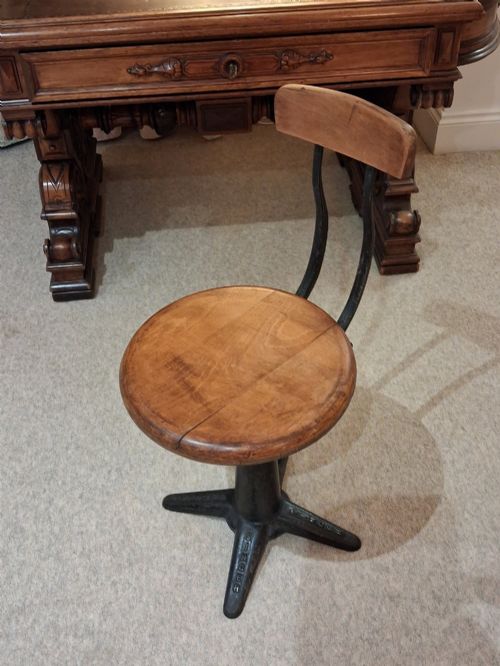
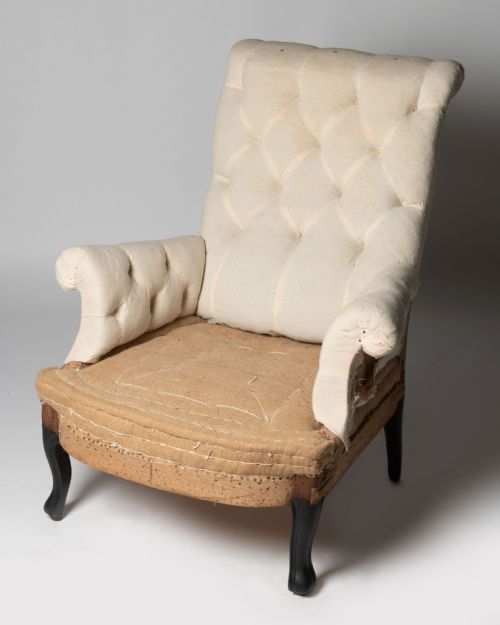
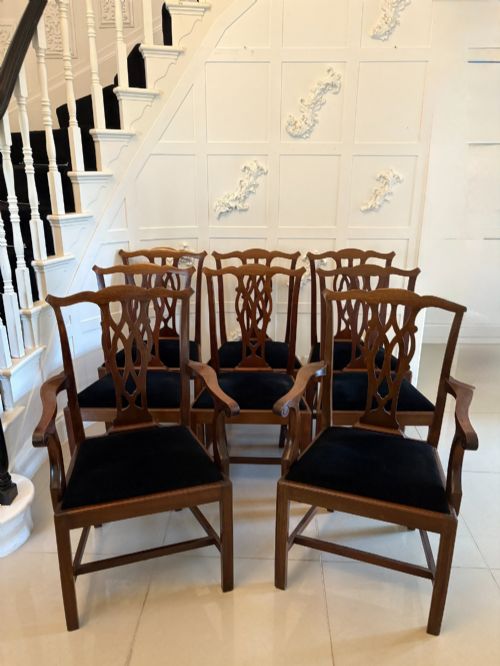
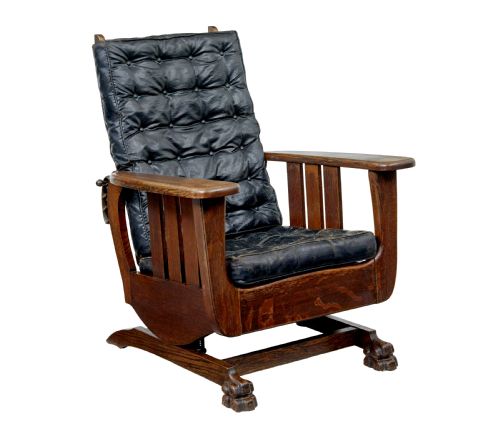
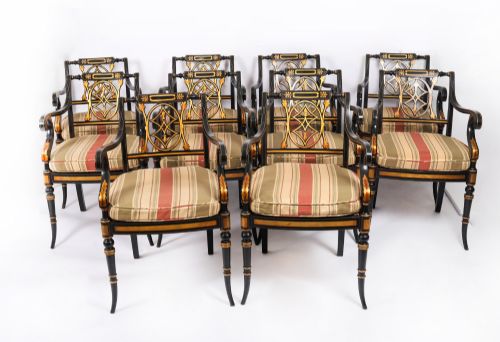
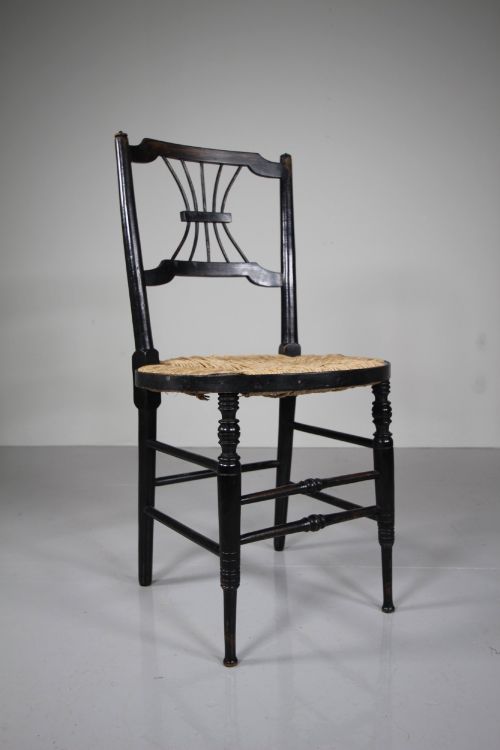
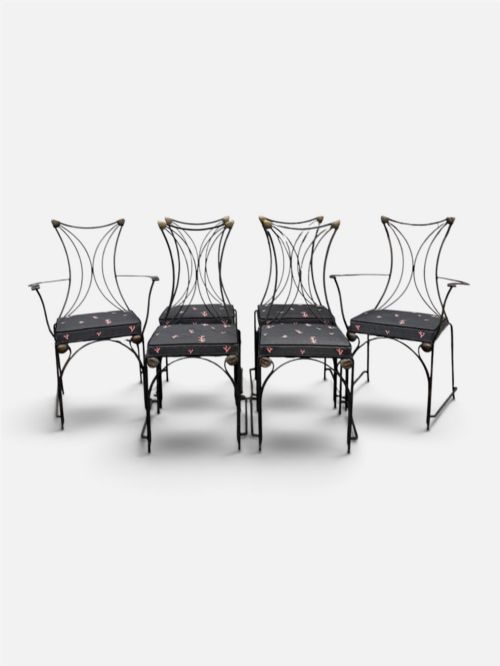
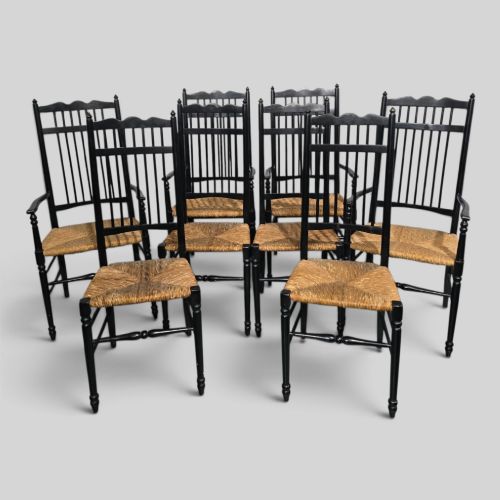
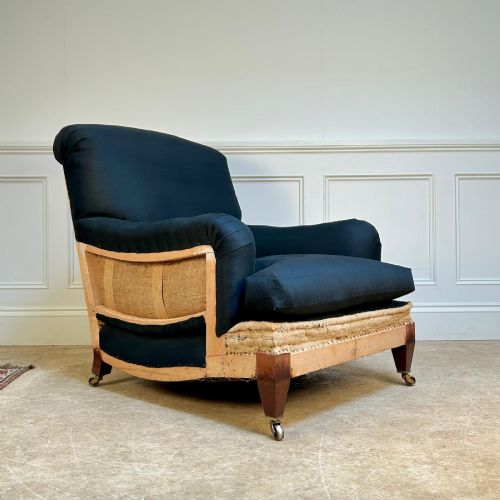
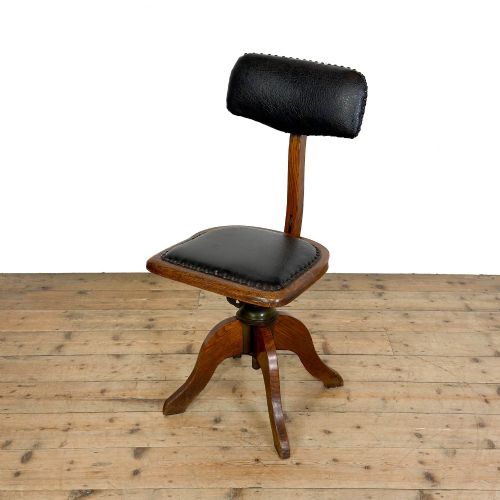
Vintage black chairs encompass a diverse range of seating forms finished in dark tones, including ebonised wood, painted surfaces, and ebony. When searching for vintage black chairs, buyers encounter dining chairs, armchairs, rocking chairs, and office seating originating from various periods.
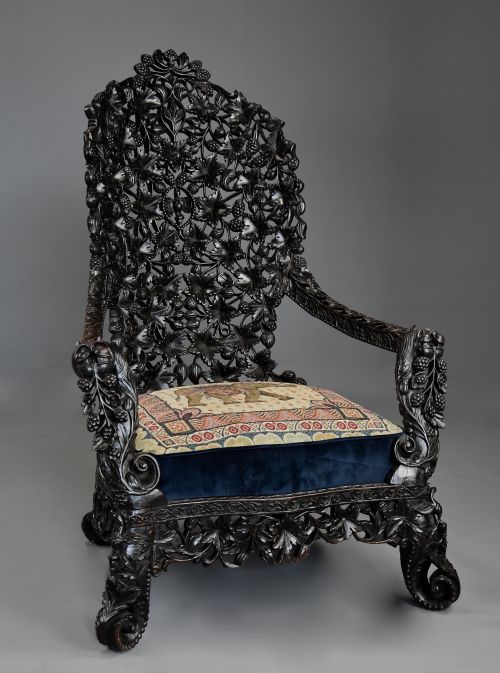
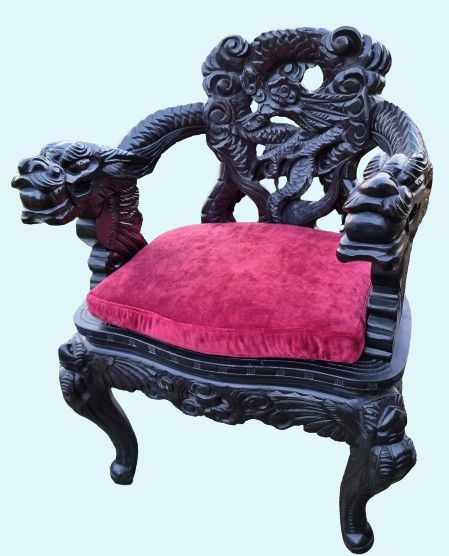
The selection includes examples from the nineteenth century through the 1930s, spanning styles such as Regency, Victorian, Arts and Crafts, and Art Deco. Ebonised dining sets and carved hardwood or blackwood armchairs frequently appear alongside country rocking chairs in original paint.
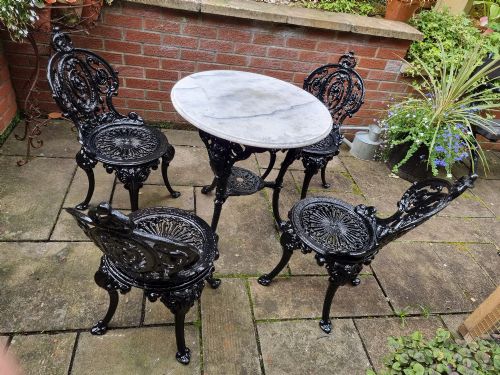
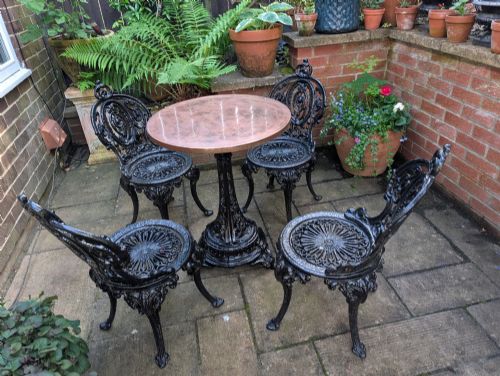
Makers and workshops from Britain, France, Scandinavia, and Asia contributed to this group, utilising native and exotic timbers. Buyers often find sets of dining chairs alongside individual library armchairs and garden bistro seating.
How they were made
Construction relies heavily on traditional timber framing, utilising hardwoods such as mahogany, oak, walnut, beech, and birch, alongside exotic woods like ebony and blackwood. Joinery techniques include mortise and tenon joints for stability, paired with hand-carved details on regional and revival pieces.
Surface finishes define many of these pieces, employing ebonisation to mimic costly ebony, alongside original painted layers and traditional polishing methods. Metal elements such as cast iron and brass appear on garden sets and structural frames, while seating surfaces often incorporate cane, leather, and upholstery.
Vintage Black Chairs Retail Price Guide 2026
Typical asking prices for vintage black chairs among the pieces listed under this phrase on Sellingantiques today, from the lower quarter to the upper quarter. They describe what is for sale here now, not the wider market.
A nineteenth-century rocking chair fashioned from actual stags' antlers brings an unexpected woodland theatricality to the dark seating category.
What varies in quality
Quality rests in the crispness of carved detail and the integrity of the structural timber, distinguishing mass-produced items from finer workshop output. The retention of original surfaces, whether ebonised polish or early paint, significantly influences the integrity of each piece.
Proportion and balance dictate the success of revival and vernacular designs, where harmonious lines separate standard utility items from superior examples. The condition of integrated materials, such as tight cane work or durable leather upholstery, reflects the original standard of manufacture.
William Morris·W.Williamson and Sons
The Vintage Black Chairs Glossary
- Ebonised wood
- Timber treated with stain or paint to imitate ebony. This dark finish gained popularity during the nineteenth century for formal dining and library seating.
- Bergere
- An enclosed upholstered armchair with a wooden frame. Cane panels frequently form the back and sides of these seats.
- Sabre leg
- A concave tapering furniture leg that curves outward towards the foot. This form appears commonly on Regency seating.
- Cockpen chair
- A lattice-backed chair inspired by Chinese Chippendale designs. These items feature geometric openwork splats derived from Asian export pieces.
Vintage Black Chairs: Frequently Asked Questions
How do I clean ebonised wood?
Dust regularly with a soft, dry cloth to prevent surface scratching. Avoid abrasive cleaners and excess moisture to protect the dark finish.
Apply occasional professional wax polish intended for antique furniture to maintain the sheen. Test any treatment on an inconspicuous area first.
Are these chairs suitable for daily use?
Many sturdy dining and office chairs remain entirely functional for everyday seating. Check the stability of the joints before committing to heavy daily service.
Upholstered armchairs and antique rocking chairs often require more mindful handling. Lighter side chairs function well in low-traffic spaces.
How do I identify a Regency chair?
Look for classical revival motifs, sabre legs, and characteristic ebonised finishes. Proportions tend to be refined and draw upon ancient Greek and Roman models.
Inspect the construction methods and joinery details typical of the early nineteenth century. Cane seats and brass inlay frequently accompany these designs.
What is the difference between ebonised and ebony?
Ebony is a dense, naturally dark heartwood sourced from tropical trees. It is heavy and utilised solid throughout an entire object.
Ebonised wood is a domestic timber, such as beech or mahogany, stained or painted black. This technique provided the visual appeal of costly exotic material at a lower expense.