


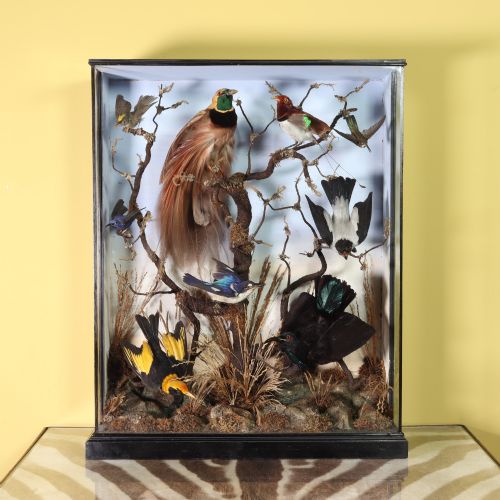


Vintage Bird Specimen
These vintage bird specimen pieces are preserved natural history displays and taxidermy mounts that bring nineteenth and early twentieth-century ornithology into a modern interior.
Vintage Bird Specimen
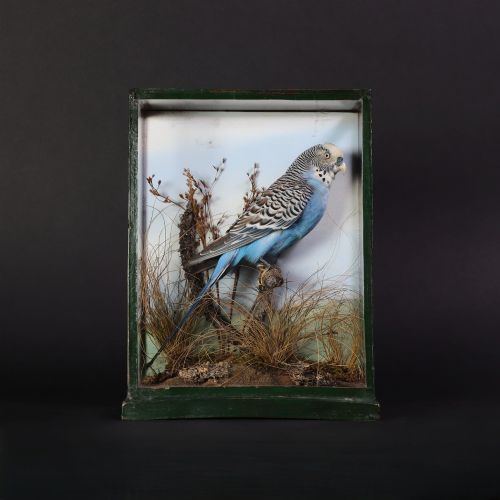
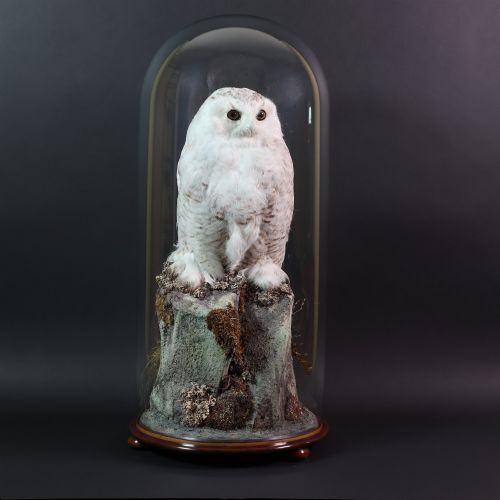
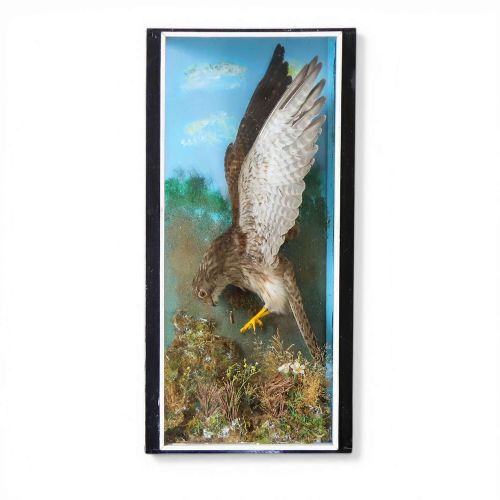
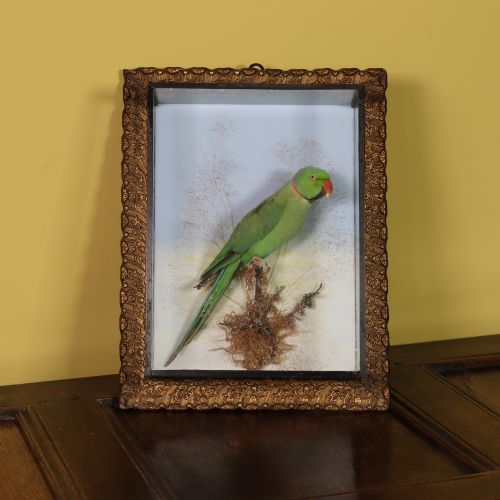
A vintage bird specimen encompasses cased dioramas, domed displays, picture frame cases, and individual mounts representing British and exotic ornithology. When searching for vintage bird specimen examples, buyers encounter works ranging from single wading birds and waterfowl to complex multi-species arrangements from distant continents.
The objects span the Victorian, Edwardian, and early twentieth-century periods, capturing a time when natural history enthralled domestic collectors. Most pieces follow established taxidermy traditions, housed in timber frames or glass domes to protect delicate plumage from dust and handling.
Materials and construction methods
Makers constructed these displays using glass, wood, preserved specimens, feathers, moss, and paint. Taxidermists mounted the avian skins over structured bodies, arranging them within painted or natural timber cases alongside artificial foliage.
Enclosures often utilised curved glass domes or wooden picture frames fitted with backboards. Interior settings were hand-painted to mimic natural habitats, incorporating dried moss and painted backdrops to provide depth and context for the specimens.
Vintage Bird Specimen Retail Price Guide 2026
Typical asking prices for vintage bird specimen among the pieces listed under this phrase on Sellingantiques today, from the lower quarter to the upper quarter. They describe what is for sale here now, not the wider market.
Listings feature Victorian, Edwardian, and early twentieth-century periods alongside materials such as glass, wood, feathers, moss, and paint.
Judging quality in taxidermy displays
Quality rests upon the lifelike posture of the avian subject and the skill employed in setting the plumage. Superior examples retain natural proportions and vitality, avoiding the stiff or distorted appearances found in lesser historic work.
The enclosure itself dictates overall merit, with clean joinery in the timber case and unblemished glass elevating the display. Signed work by recognised practitioners carries greater distinction through careful attention to internal habitat detail.
J Griffiths of Burford·William Bazeley and Sons·James Gardner·W F Homer London
The Vintage Bird Specimen Glossary
- Taxidermy
- The art of preparing, stuffing, and mounting the skins of animals for display. This technique forms the foundation of every avian specimen encountered on the page.
- Diorama
- A three-dimensional scene depicting wildlife within a modelled natural habitat. These enclosed settings use painted backgrounds and botanical elements to simulate an outdoor environment.
- Dome
- A convex glass cover resting on a wooden base to protect delicate specimens. This housing style allows all-round visibility while keeping dust away from fragile feathers.
- Specimen
- An individual animal or part of an animal used as an example of its species for study or display. In these listings, the term refers to preserved birds set within protective enclosures.
Vintage Bird Specimen: Frequently Asked Questions
What periods do these bird specimens come from?
The listings span from the late nineteenth century through the Edwardian era and into the early twentieth century. Victorian examples often feature elaborate multi-species arrangements or glass domes.
Later pieces from the nineteen-twenties and nineteen-thirties frequently utilise simpler oak or painted cases to house single birds like kestrels or ducks.
Are the display cases removable?
Most antique taxidermy cases and glass domes are fixed or sealed to protect the internal environment from dust and insects. Opening them can damage the fragile historic seals and expose the preserved specimens to harm.
Leave the enclosures intact and handle the entire wooden base or frame when moving the piece from one location to another.
How do I identify different display styles?
Victorian examples tend towards elaborate architectural timber frames or glass domes filled with lush moss and multiple birds. Edwardian and later pieces often present cleaner lines in oak or painted wooden boxes.
Picture frame cases offer a flat profile designed for wall hanging, whereas dioramas use painted backgrounds to create a sense of depth behind the mounted subject.