



Vintage Bible Stand
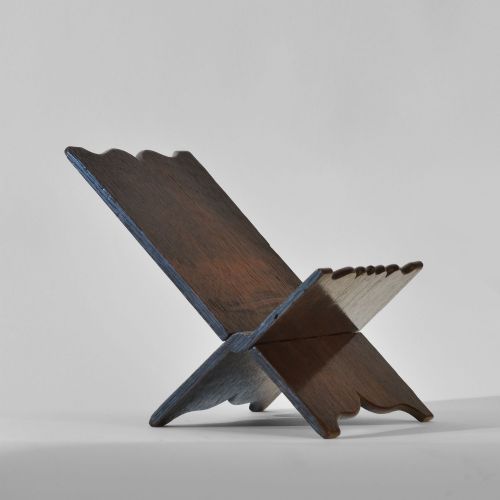
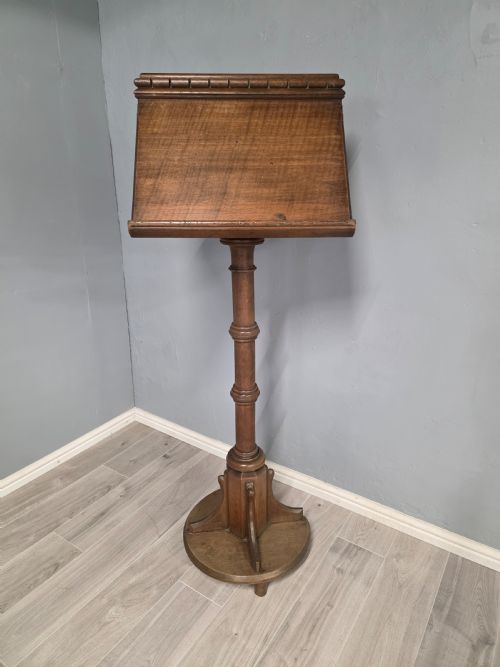
A vintage bible stand gathers texts at a convenient height, offering solid timber construction and period character to any study or room.
Vintage Bible Stand
A vintage bible stand comprises reading furniture designed to support large volumes, spanning church lecterns, table models and floor-standing reading desks. These pieces originate across the eighteenth, nineteenth and early twentieth centuries, reflecting ecclesiastical and domestic use.
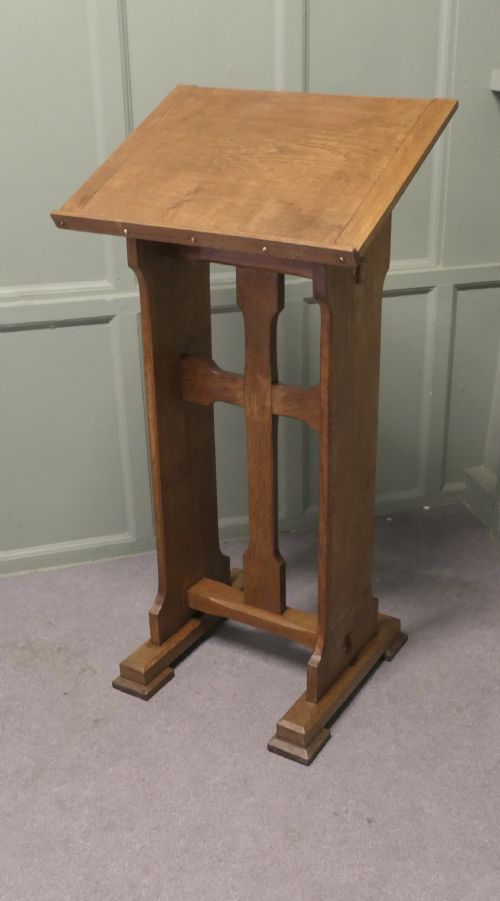
The pieces on this page appear in materials like oak, pine, mahogany and cast iron, with styles ranging from Gothic Revival and Arts and Crafts to Georgian designs. Buyers frequently encounter oak lecterns and book stands from the Victorian and Edwardian periods.
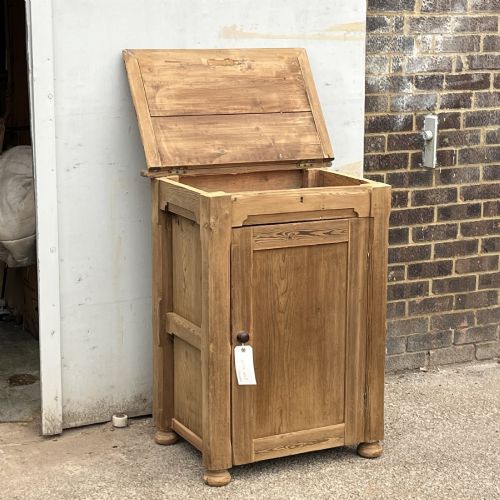
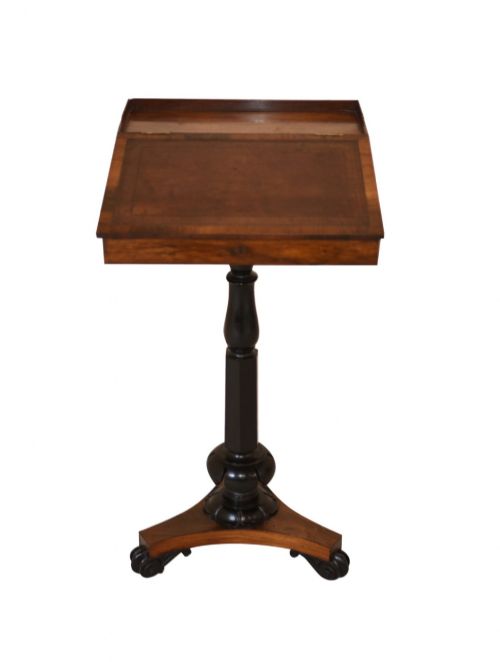
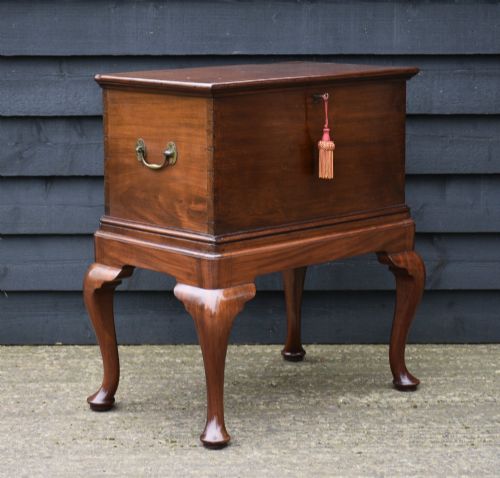
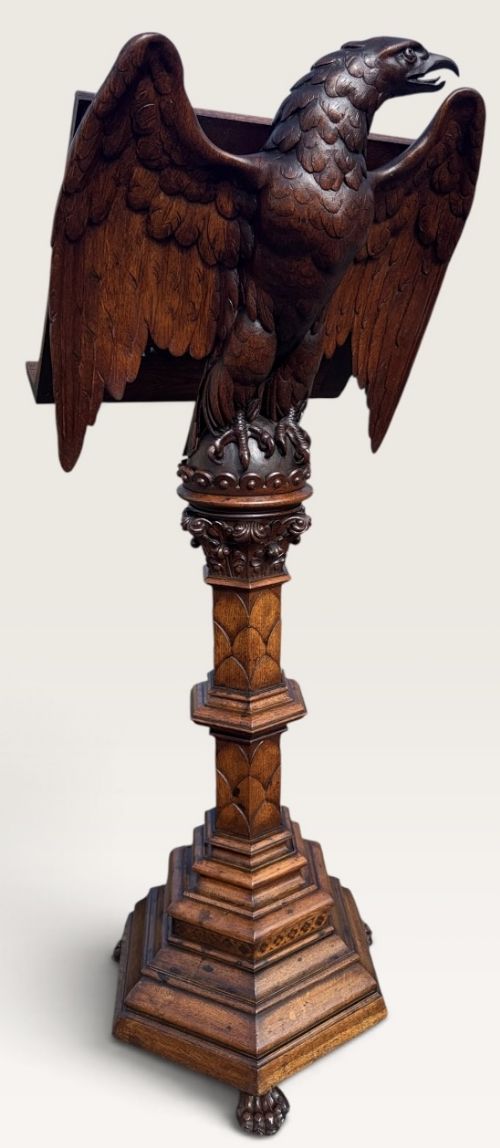
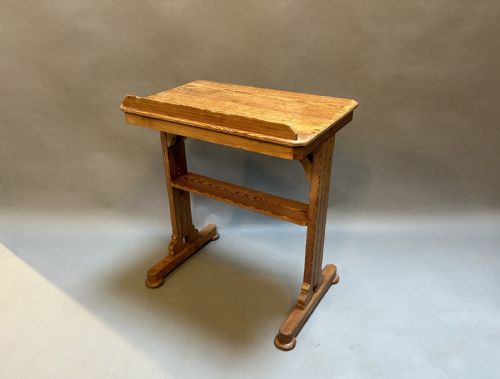
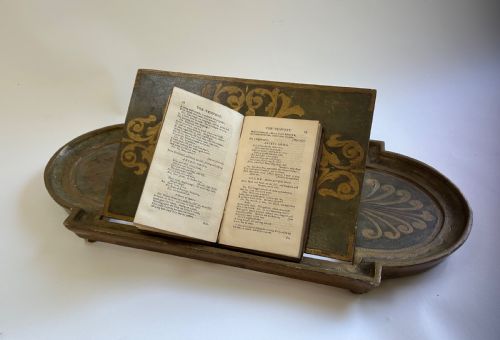
Forms vary from compact folding pedestals and desk boxes on stands to large carved eagle lecterns and church cupboards. Each object serves the practical purpose of holding a heavy book at a readable angle.
What varies in quality
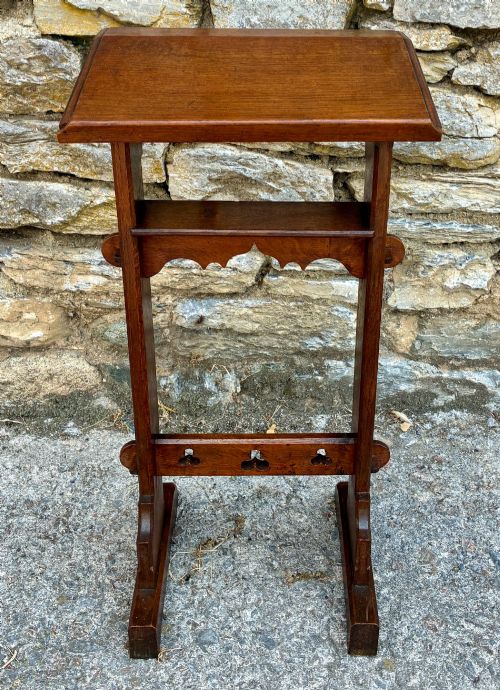
Quality rests upon the selection of timber and the ambition of the carving, distinguishing utilitarian pine church pieces from finely figured mahogany or golden oak Arts and Crafts items. Hand-carved details, such as figural eagles or Gothic tracery, demonstrate superior craftsmanship.
Structural alterations and later modifications affect the integrity of the piece, as seen in items combining older desks with later stands or modified church cupboards. Original brasswork and robust pivoting mechanisms elevate the standard of a reading stand.
Vintage Bible Stand Retail Price Guide 2026
Typical asking prices for vintage bible stand among the pieces listed under this phrase on Sellingantiques today, from the lower quarter to the upper quarter. They describe what is for sale here now, not the wider market.
Carved wooden eagles watch over the pages, keeping a sharp eye on the reader's progress.
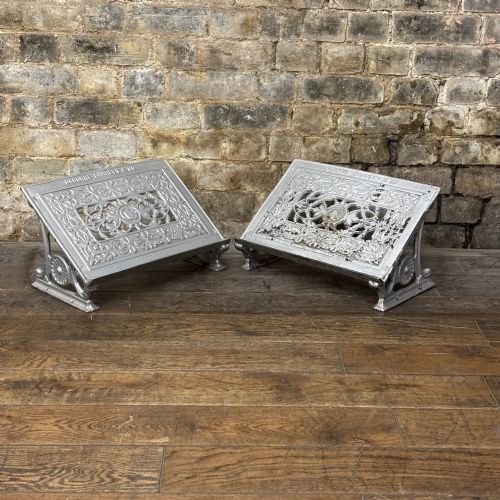
Osborne Garrett & Co
The Vintage Bible Stand Glossary
- Lectern
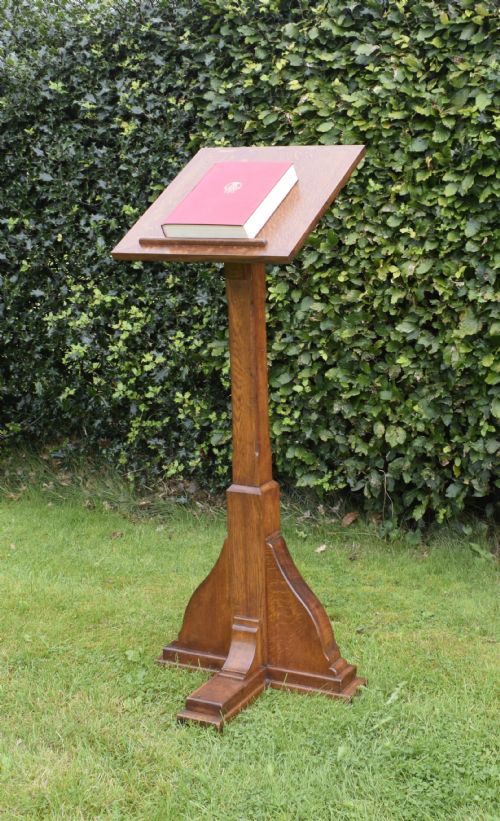
- A tall desk with a sloping top designed to hold a book for a standing reader. These often feature in church settings or large reception rooms.
- Gothic Revival
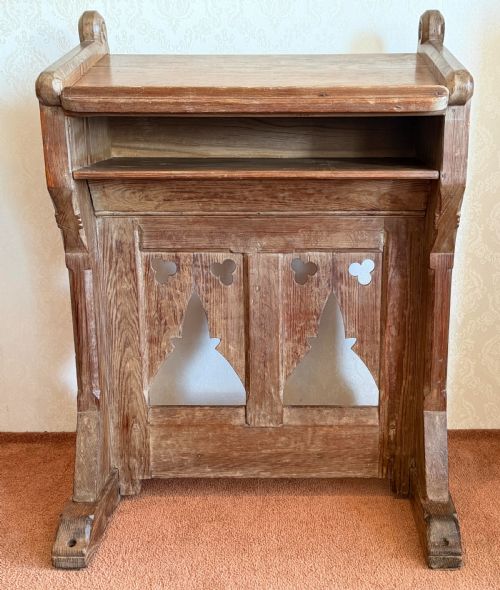
- An architectural and decorative style drawing on medieval ecclesiastical forms. Pieces in this style frequently display pointed arches and heavy carved tracery.
- Arts and Crafts
- A design movement valuing hand-craftsmanship and simple, honest materials. Furniture from this tradition showcases plain golden oak and exposed construction.
- Ebonised Wood
- Timber treated with a dark stain or finish to imitate ebony. This technique gained popularity during the nineteenth century for a dramatic, dark surface.
- Bible Box
- A small wooden chest used to store sacred texts, sometimes placed upon a dedicated stand or table. These date from the eighteenth century and earlier.
Vintage Bible Stand: Frequently Asked Questions
What is a bible stand?
A bible stand is a piece of furniture designed to hold large books at a comfortable reading angle. They range from small table rests to large floor lecterns.
Historically used in churches and studies, these stands support heavy volumes like bibles and ledgers during reading.
How do I date a lectern?
Dating relies on observing the timber species, construction methods and stylistic markers such as Gothic Revival or Arts and Crafts details. Nineteenth-century examples often use heavy oak and cast iron.
Cabinetry techniques and wear patterns also help place a piece within periods like the Victorian era or the early twentieth century.
Where were church lecterns used?
Church lecterns stood in chancels and naves to support service books for clergy members reading to congregations. Their imposing height ensured voices carried across the room.
Over time, many ecclesiastical pieces transitioned into domestic studies, libraries and reception spaces.
Can I use a stand for modern books?
These sturdy stands accommodate large modern volumes, cookery books or display items just as well as historical texts. Adjustable brass Rests and firm wooden slopes secure the pages.
Their solid construction provides a reliable surface for daily reading in a study or kitchen.