






Vintage Beer Mug
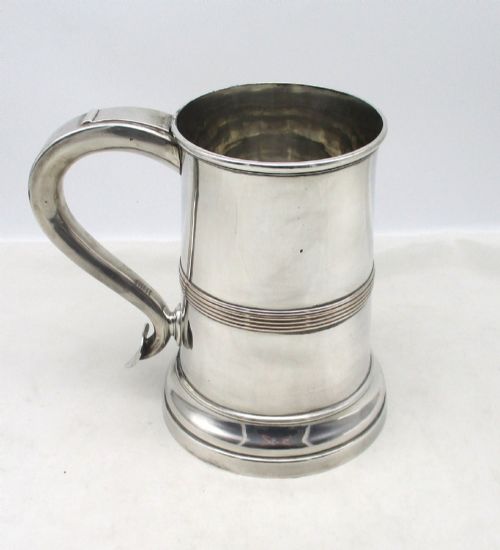
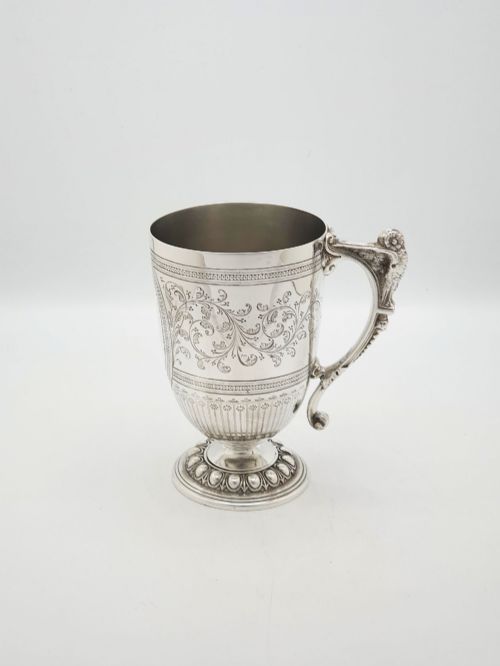
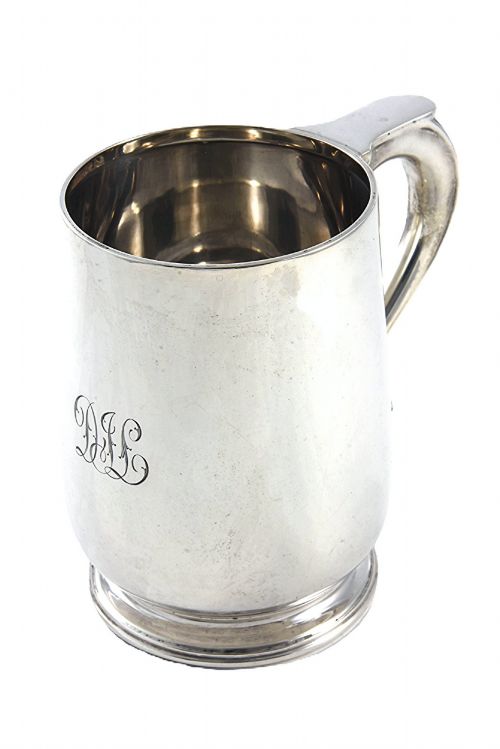
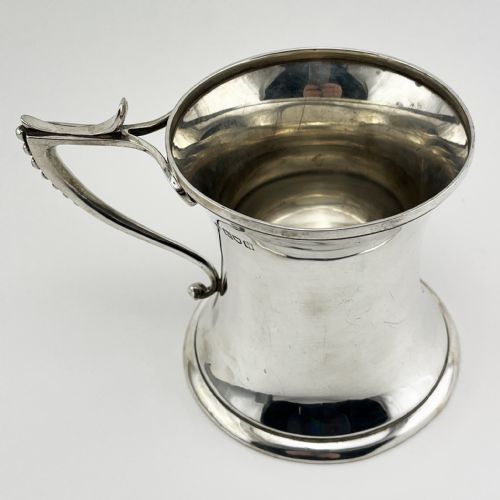
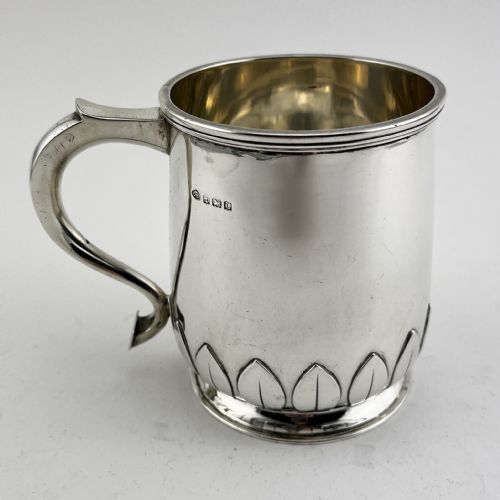
When you search for a vintage beer mug, you meet sturdy drinking vessels crafted in silver, pewter, pottery, and glass across several centuries.
Vintage Beer Mug
A vintage beer mug encompasses heavy drinking vessels designed for ale, beer, and stout, ranging from small mugs to large quart tankards. When searching this phrase, buyers encounter forms spanning the eighteenth, nineteenth, and twentieth centuries, produced in Britain, Germany, and beyond.
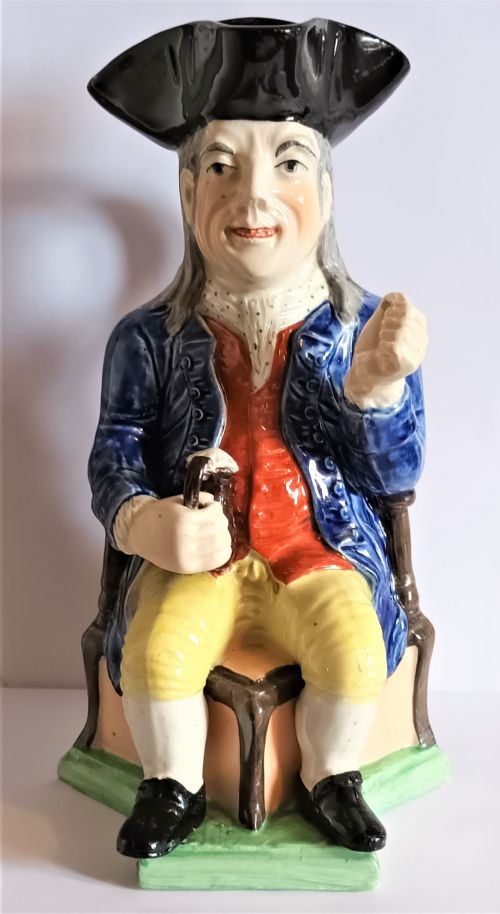
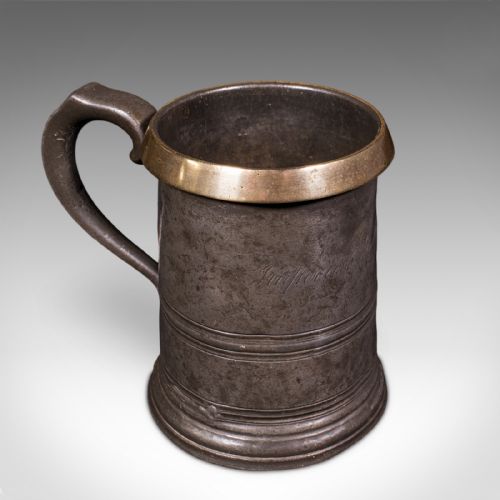
The most common examples on this page are pewter and silver-plated tankards from the Victorian and Georgian periods, alongside pottery jugs and German steins. These pieces reflect historic public house traditions and domestic drinking habits, varying widely in capacity and ornament.
Materials and construction
Metal vessels in this selection rely on pewter, sterling silver, silver plate, copper, and Old Sheffield plate, shaped through casting, hammering, and soldering. Silver-plated items often combine a base metal with a thin outer layer, while pewter examples utilise traditional tin alloys shaped into sturdy bodies with applied handles.
Ceramic and glass examples incorporate earthenware, faience, and pottery with hand-painted polychrome glazes or salt glazing. Metal mounts, hinged lids, and glass bottoms are added to specific tankards, requiring precise metalwork and glass-fitting techniques.
Vintage Beer Mug Retail Price Guide 2026
Typical asking prices for vintage beer mug among the pieces listed under this phrase on Sellingantiques today, from the lower quarter to the upper quarter. They describe what is for sale here now, not the wider market.
Materials represented include sterling silver, Old Sheffield plate, copper, pewter, glass, and glazed pottery.
Judging quality in drinking vessels
Quality rests in the weight of the metal, the crispness of any embossed or engraved decoration, and the integrity of joints and handles. Solid silver and heavy gauge pewter demonstrate superior material substance compared to thin plated alternatives.
Construction details reveal finer craftsmanship, such as neatly soldered seams, well-fitted hinged lids that close flush, and makers' marks or touchmarks stamped clearly into the base. Hand-painted ceramic glazes and balanced proportions further distinguish superior examples from standard utilitarian wares.
Watts & Harton·Hadley Worcester·Mettlach
The Vintage Beer Mug Glossary
- Tankard
- A tall drinking vessel with a single handle, frequently fitted with a hinged lid. They are most commonly found in pewter, silver, or plated metals.
- Pewter
- A malleable metal alloy consisting primarily of tin, combined with copper and antimony. It was widely used for tavern and domestic drinking vessels.
- Old Sheffield Plate
- A composite material formed by fusing a thin sheet of silver to a thicker copper core. It predates modern electroplating techniques.
- Stein
- A traditional German drinking mug, typically made of stoneware or pottery. They often display polychrome glazes or detailed moulded scenes.
- Touchmark
- An official stamp impressed into pewter by a maker or guild member to certify quality and standard. These marks help identify the origin and maker of the piece.
Vintage Beer Mug: Frequently Asked Questions
What is a vintage beer mug?
A vintage beer mug is a historical drinking vessel produced in materials like silver, pewter, pottery, or glass for consuming ale and beer. These items include simple domestic mugs and large tavern tankards.
They reflect the drinking culture of past centuries, encompassing British pub wares and continental European steins.
How were pewter tankards used?
Pewter tankards served as durable drinking vessels in public houses, inns, and private homes for daily ale consumption. Their sturdy construction allowed them to withstand heavy commercial use.
Many featured hinged lids to keep contents covered, while glass-bottomed variants allowed drinkers to monitor their surroundings.
How do I date a silver mug?
Dating a silver mug involves examining hallmarks stamped directly onto the metal, which indicate the assay office, year of production, and maker. Stylistic clues also help narrow the timeframe.
Georgian and Victorian silver pieces display distinct decorative motifs, handle shapes, and manufacturing techniques characteristic of their era.
Are German steins different from tankards?
German steins are typically ceramic or stoneware vessels featuring painted or moulded decorations, often with decorative pewter lids and thumb-lifts. British tankards lean towards plain or engraved metals and earthenware.
Both serve the same primary function but stem from distinct regional craft traditions and material preferences.