




Vintage Beech Armchairs
Vintage beech armchairs combine robust turnings and steam-bent curves to deliver enduring seating across domestic and office spaces.
Vintage Beech Armchairs
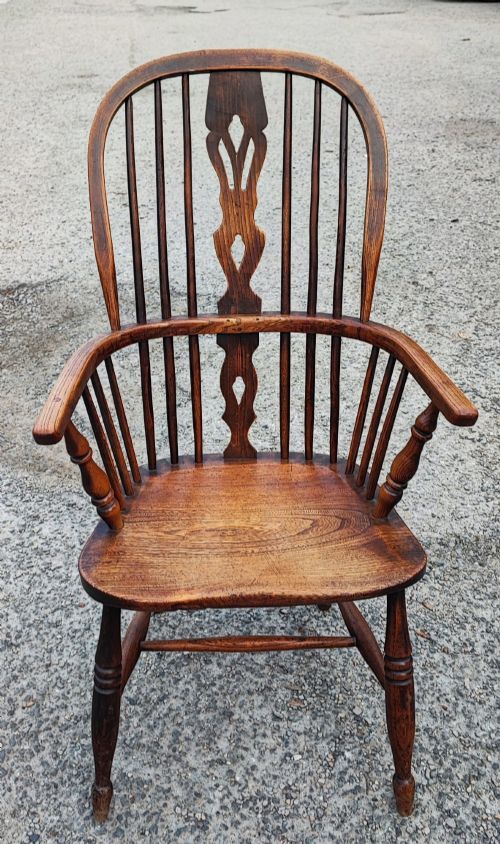
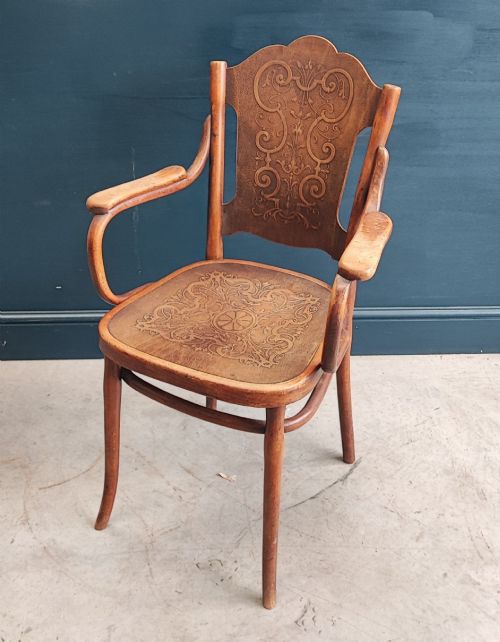
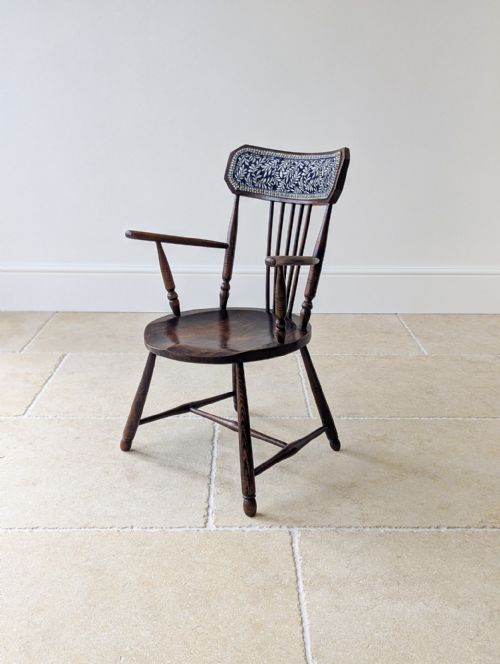
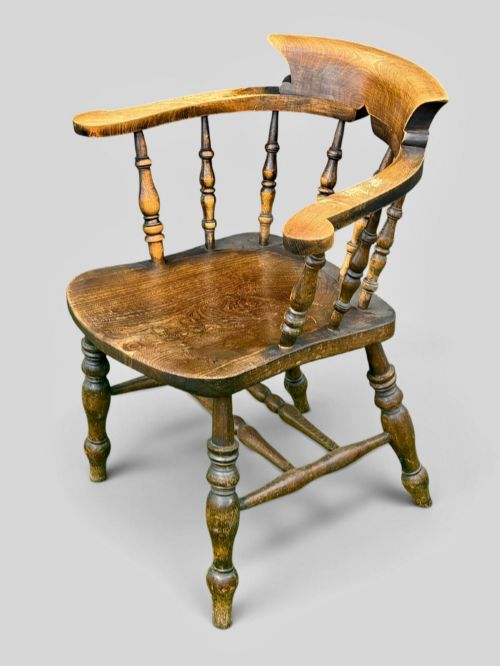
Vintage beech armchairs span periods from the nineteenth century through the Edwardian era and into the nineteen-thirties, taking shapes such as Windsor rockers, captains chairs, desk chairs, and bentwood carvers. The selection relies heavily on country house forms, Arts and Crafts ideals, and industrial bentwood production.
The buyer meets traditional spindle backs alongside upholstered armchairs, office swivels, and bistros seats. Solid beech often partners with elm, ash, and mahogany in framing these diverse seating forms.
Materials and construction
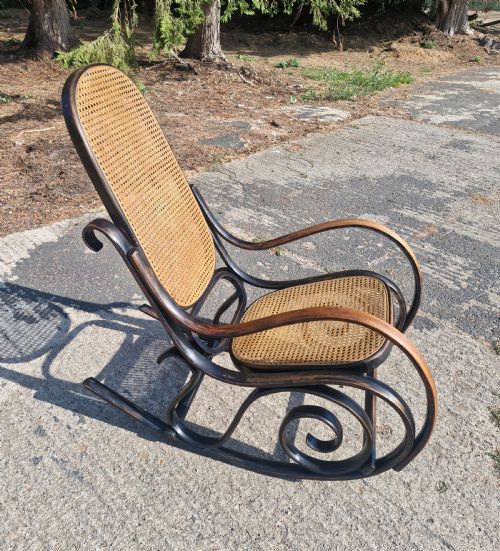
Construction relies on the natural elasticity of beech, which accepts steam-bending to form curved armrests and continuous bentwood frames as seen in early twentieth-century examples. Joinery frequently incorporates turned spindles, pegged joints, and steam-bent components.
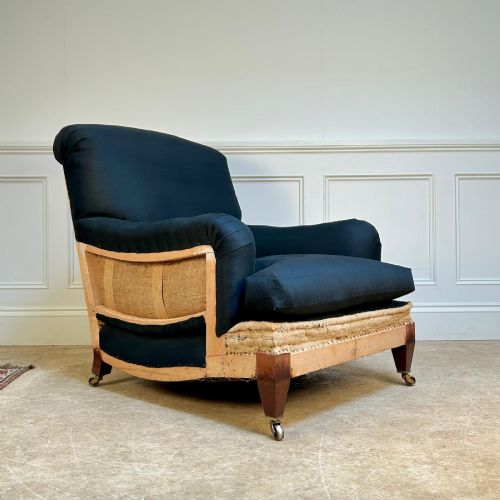
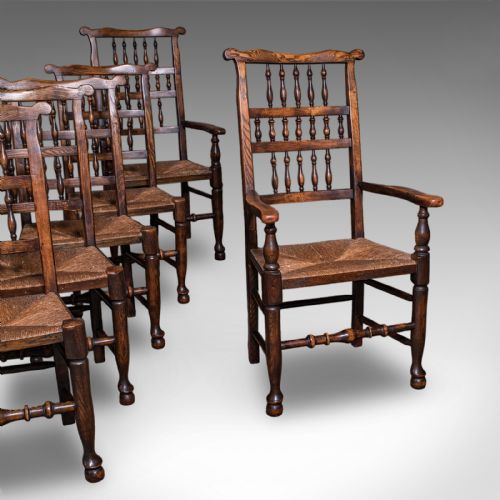
Makers paired beech with elm for shaped seats, adding brass hardware, leather hides, rush, cane, and hessian webbing for upholstery and seating support. The marriage of solid turned timber with woven elements defines the structural integrity of these chairs.
Vintage Beech Armchairs Retail Price Guide 2026
Typical asking prices for vintage beech armchairs among the pieces listed under this phrase on Sellingantiques today, from the lower quarter to the upper quarter. They describe what is for sale here now, not the wider market.
Listings feature beech combined with elm, ash, brass, leather, hessian, and rattan cane across Victorian and Edwardian periods.
Distinctions in manufacture
Quality rests in the precision of the turning, the tightness of the joinery, and the integrity of the steam-bent sections. Superior examples retain original surface patination, tight structural framing, and authentic seating materials like rush or cane without modern replacements.
The grade of timber selection and the complexity of the spindle work distinguish standard utility seating from finer workshop productions and branded bentwood manufactures.
Jacob and Josef Kohn·Thonet·Morris and Co·Liberty of London·William Birch
The Vintage Beech Armchairs Glossary
- Bentwood
- Wood shaped by exposure to steam and pressure. This technique produced curved frames for rocking and bistro chairs.
- Windsor chair
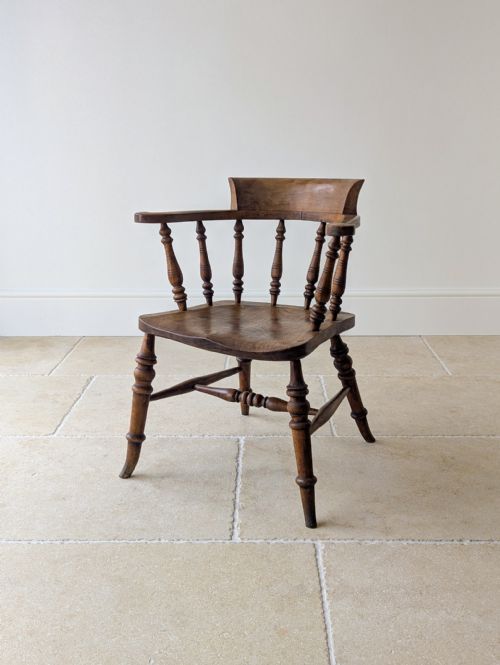
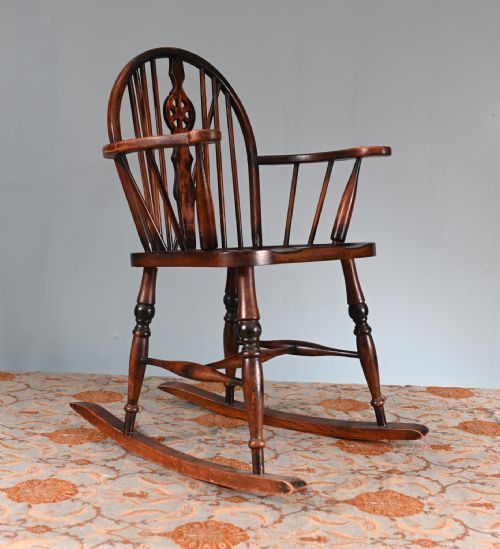
- A chair built with a solid wooden seat into which the legs and back spindles are wedged directly. Common iterations include wheelbacks and lath backs.
- Carver chair
- An armchair designed to match a set of dining chairs, traditionally placed at the head of the table. These often feature open arms and sturdy supports.
- Bergere
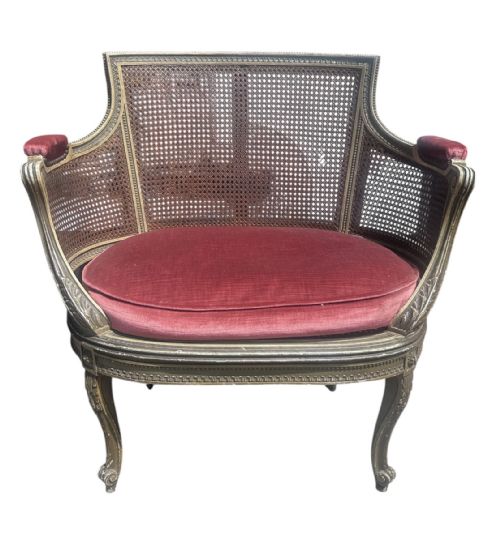
- An enclosed upholstered armchair with wooden framing and cane or wicker side panels. French examples frequently utilise this form.
- Smokers bow
- A low-backed Windsor armchair with a continuous curved armrail, often utilised in captain and office settings.
Vintage Beech Armchairs: Frequently Asked Questions
How do I identify a bentwood armchair?
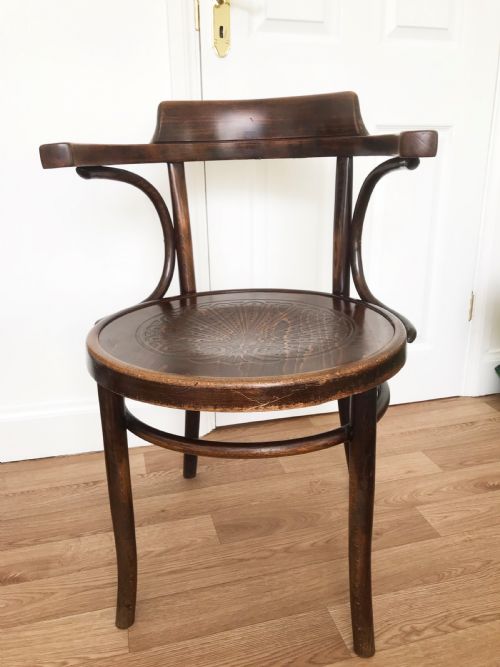
Bentwood armchairs rely on steam-heated solid beech rods curved into rounded frames and loops. They are remarkably light and feature continuous lines without heavy corner joints.
Look for manufacturer stamps or paper labels beneath the seat, alongside screw-in legs or bolted arm connections common in production models.
Where were Windsor armchairs used?
Windsor armchairs served primarily in farmhouse kitchens, country houses, and rustic domestic interiors. Their durable construction suited daily sitting and working tasks.
Many examples paired beech frames with elm seats to withstand heavy domestic wear over generations.
Are desk chairs adjustable?
Office and desk chairs from the Edwardian period onwards frequently introduced swivel mechanisms and revolving beech bases. Some incorporated tilt actions and height adjustments.
These functional additions served office spaces, libraries, and commercial environments from the late nineteenth century onward.
How do I care for cane seats?
Cane and rush seating requires gentle cleaning with a damp cloth and occasional humidification to prevent the natural fibres from drying and splitting. Avoid harsh chemical cleaners.
Keep these chairs away from direct heat sources and radiators to maintain the elasticity of the woven material.