

Vintage Bedroom Stand
These vintage bedroom stand pieces bring practical daily surface space and dressing glass to chambers through mahogany, oak, and burr walnut forms.
Vintage Bedroom Stand
When you search for a vintage bedroom stand, you encounter a varied assortment of chamber furnishings designed for personal grooming and storage. The listings here centre on utilitarian and dressing forms spanning the Victorian, Edwardian, and early twentieth-century periods.
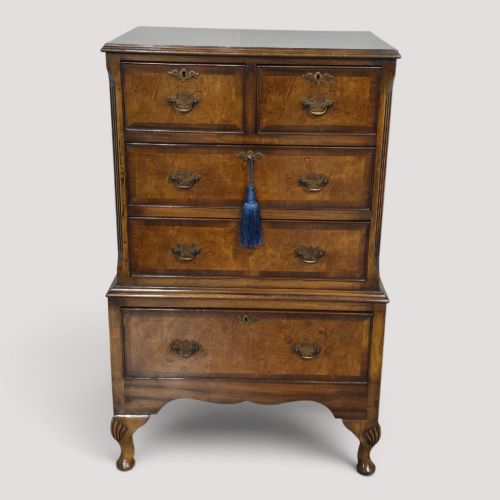
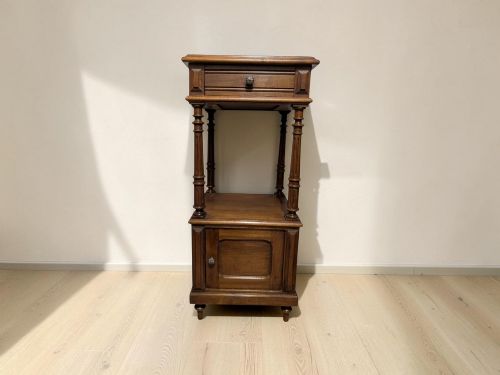
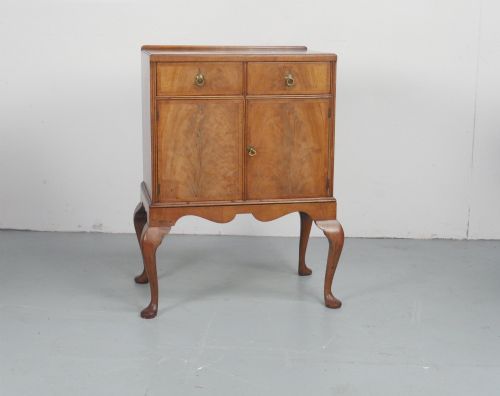
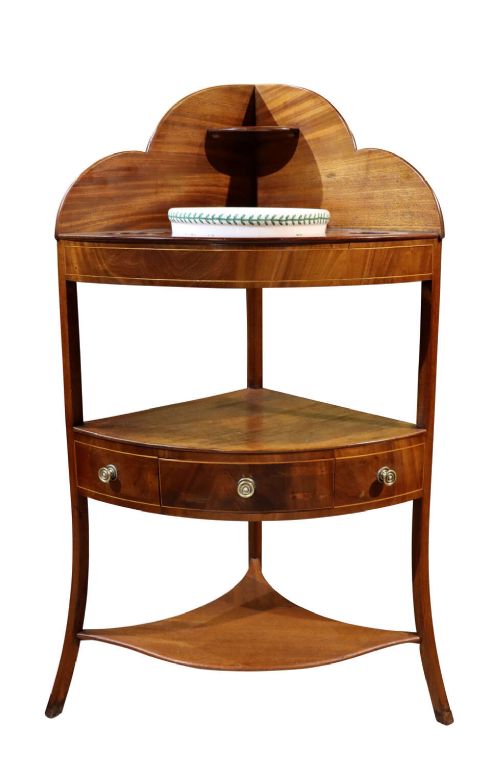
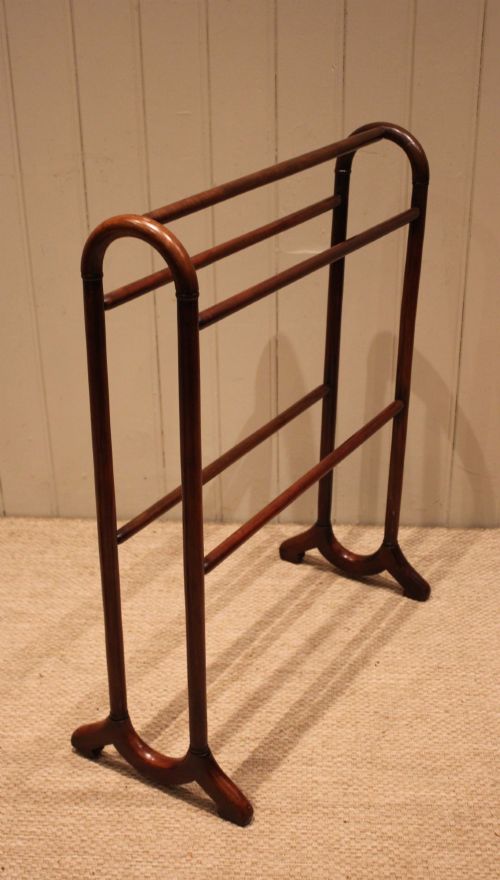
The most common examples you meet on this page are mahogany cheval mirrors, luggage stands, washstands, bedside cabinets, and towel rails. These pieces range from simple oak luggage racks from hotels to inlaid Edwardian dressing stands and Georgian-style walnut chests on stands.
Makers and designers drew upon a rich vocabulary of styles, including Queen Anne Revival, French Chateau, and Chinoiserie. Each type served a specific domestic function in the Victorian or Edwardian bedroom, from holding suitcases to supporting basins and shaving mirrors.
Materials and construction methods
Cabinet makers relied heavily on solid mahogany, oak, and walnut, often selecting figured burr walnut veneers for high-status surfaces. Timber was seasoned, planed, and joined using traditional techniques to withstand daily chamber use.
Metal hardware played a functional and decorative role, with brass castors fitted to heavy mirrors and stands for mobility. Marble tops provided durable, water-resistant surfaces for washstands, whilst glass formed the pivoting plates of cheval mirrors.
Inlaid decoration utilised contrasting timbers to create geometric or floral motifs, particularly on Edwardian pieces. Hand-polishing finished the wood, bringing out the natural grain and providing a protective sheen.
Vintage Bedroom Stand Retail Price Guide 2026
Typical asking prices for vintage bedroom stand among the pieces listed under this phrase on Sellingantiques today, from the lower quarter to the upper quarter. They describe what is for sale here now, not the wider market.
Listings feature mahogany, oak, and walnut across Victorian and Edwardian periods.
Distinctions in quality and execution
The division between standard utility items and superior examples lies in the selection of primary timbers and the crispness of secondary details. Pieces utilising highly figured burr walnut or dense mahogany with tight grain structure sit firmly at the upper end of the scale.
Execution of carved elements and inlaid marquetry reveals the competence of the workshop. Sharp, clean lines in cabriole legs or precise brass fittings distinguish master craftsmanship from mass-produced provincial output.
Structural integrity and the retention of original components, such as brass castors or mirrored glass, determine the standing of a piece. Alterations or replacement hardware alter the historical coherence of the item.
Flashman & Co
The Vintage Bedroom Stand Glossary
- Cheval mirror
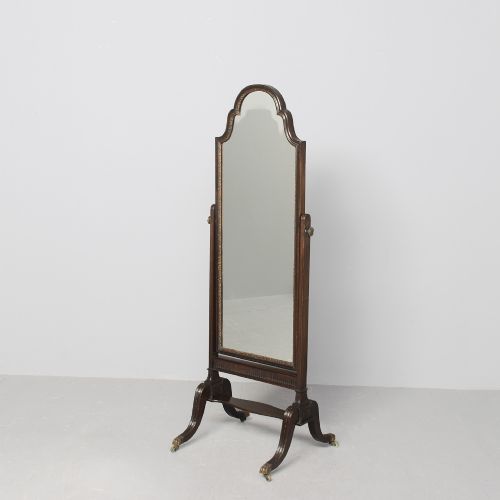
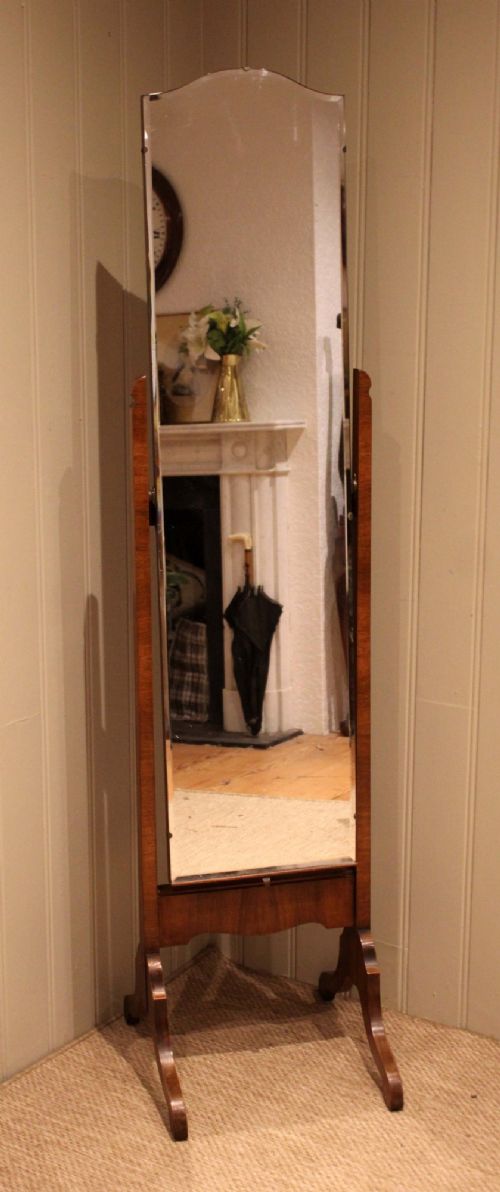
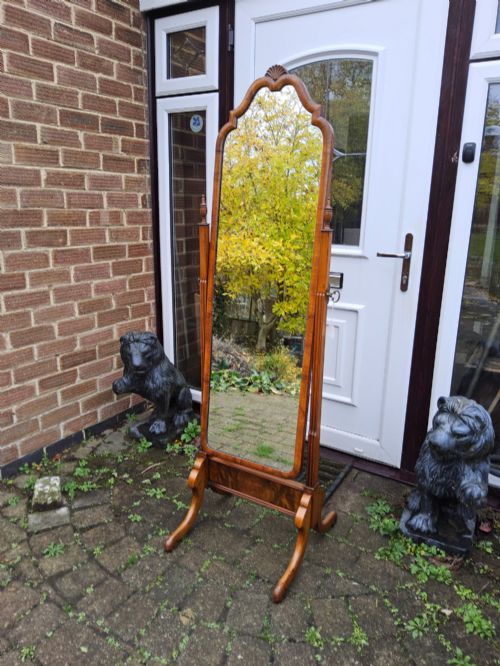
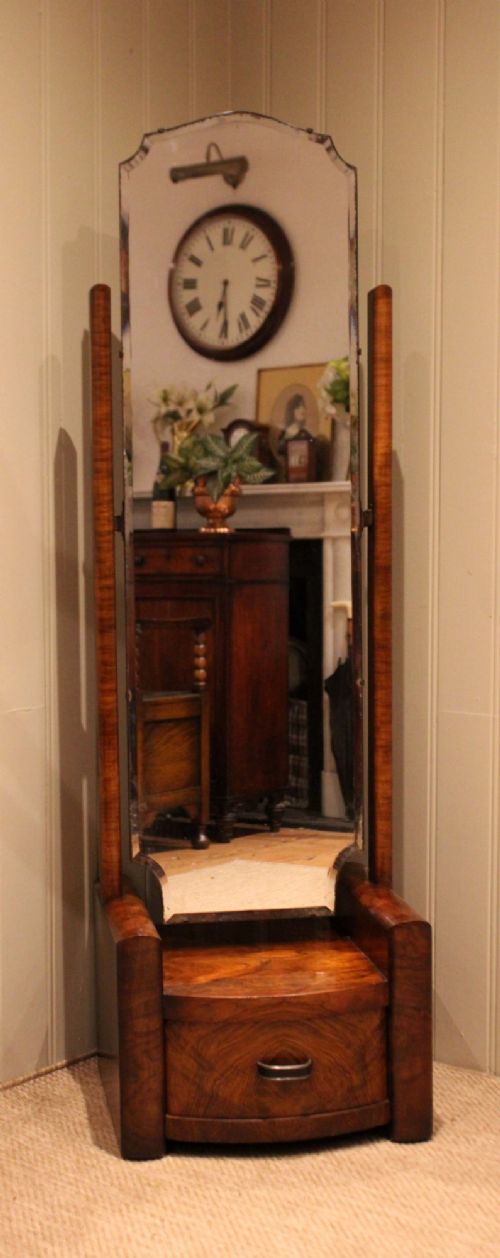
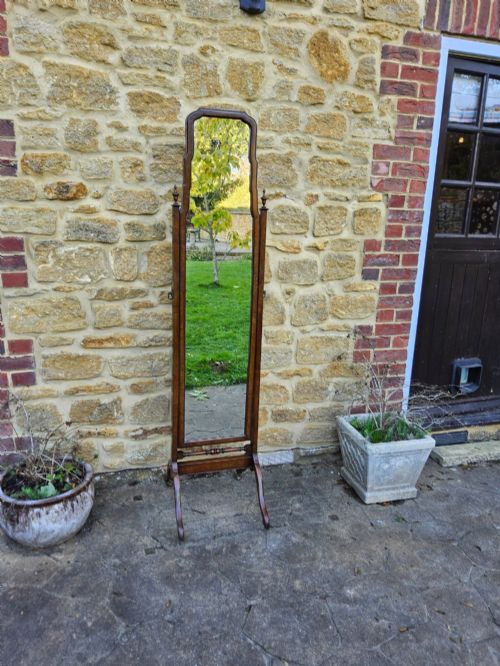
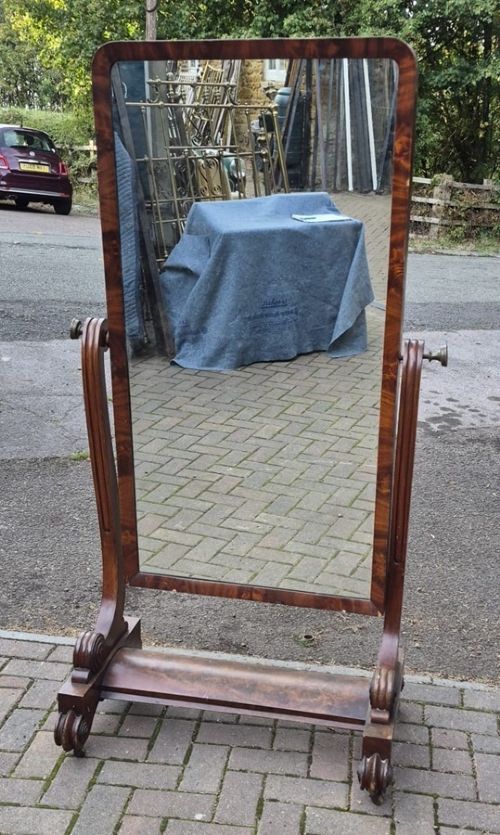
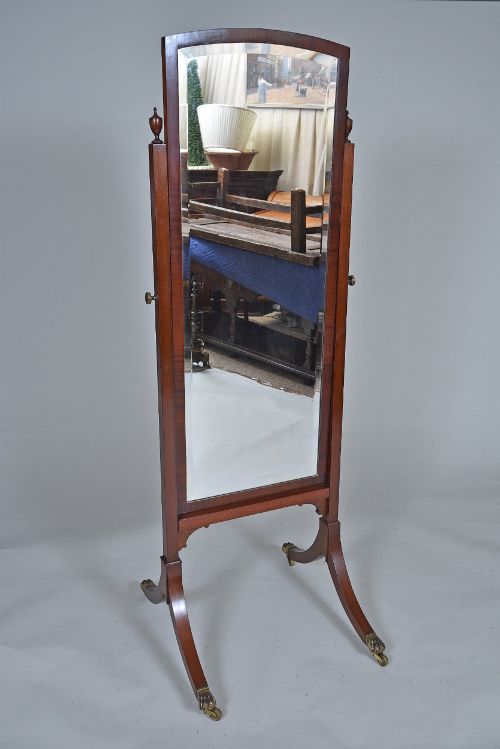
- A large freestanding dressing mirror suspended on a pivoting frame between vertical pillars. It allows a full-length view and typically stands on four splayed legs or a heavy platform base.
- Luggage rack
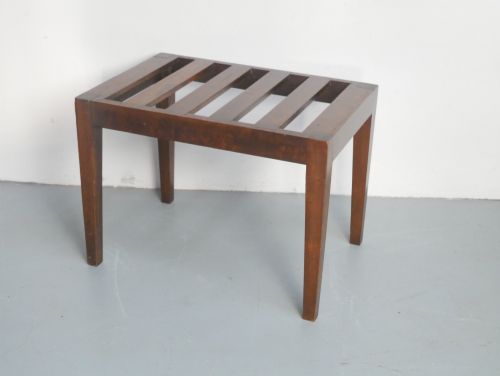
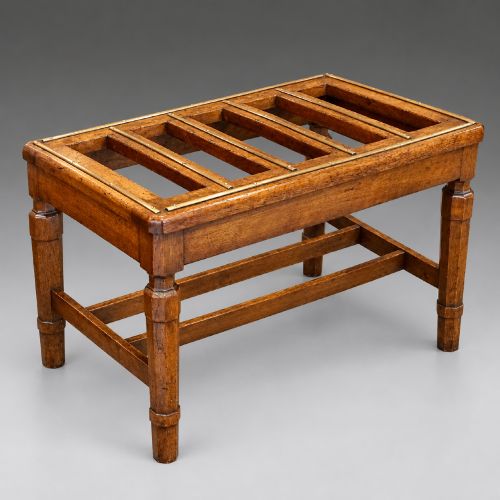
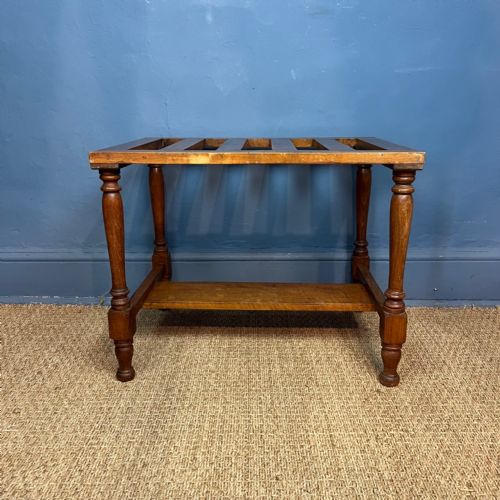
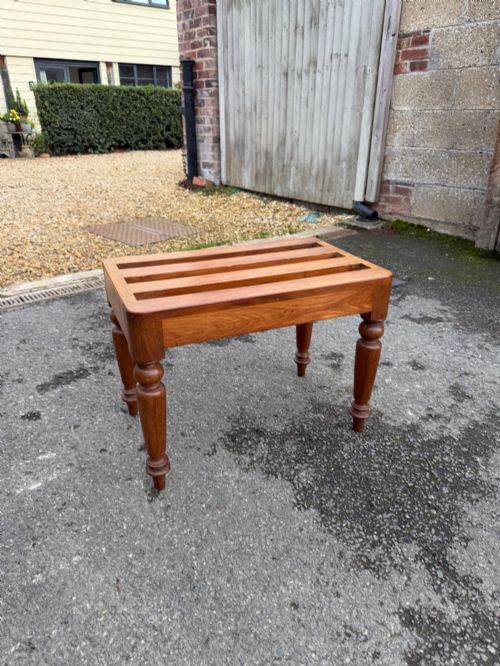
- A low folding or fixed stand designed to hold a suitcase off the floor at a convenient height for packing. Examples often feature slatted wooden tops and sturdy wooden or metal frames.
- Washstand
- A dedicated chamber table fitted with a marble or wooden top to hold a wash basin and jug. Many incorporate splashbacks and lower undershelves for water storage.
- Cabriole leg
- A furniture leg that curves out and then in, resembling the leg of an animal. This form became popular during the eighteenth century and saw revivals in later periods.
Vintage Bedroom Stand: Frequently Asked Questions
What is a cheval mirror used for?
A cheval mirror provides a full-length reflection for dressing and grooming in the bedroom. Its pivoting frame allows the user to adjust the angle of the glass.
Historically, these tall mirrors stood freely on the floor, often positioned near a window or dressing table to catch natural light.
How do I identify an Edwardian washstand?
Edwardian washstands frequently feature marble tops designed to resist water damage from washing basins and jugs. They often include tiled splashbacks and lower wooden shelves.
Mahogany and oak were the primary timbers utilised by makers during this era, frequently incorporating simple inlaid decorations.
Were luggage racks only for hotels?
Luggage racks served both grand domestic guest chambers and commercial establishments like hotels. Sturdy wooden variants provided guests a clean surface for unpacking suitcases.
Many surviving examples retain traces of their institutional origins whilst functioning perfectly in modern homes.
What distinguishes a tallboy chest?
A tallboy combines a chest of drawers with additional height, providing substantial vertical storage without taking up excessive floor space. These pieces often date from the Edwardian period or earlier.
They utilise figured timbers such as mahogany or burr walnut, showcasing the skill of period cabinet makers.