



Vintage Bear Sculpture
These vintage bear sculpture pieces bring character and tactile presence to a room, ranging from small wooden carvings to substantial bronze animals.
Vintage Bear Sculpture
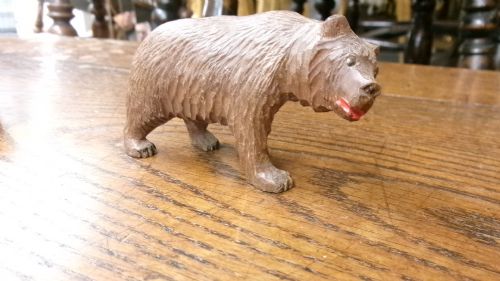
When you search for a vintage bear sculpture, you are looking at figurative representations of bears created in wood and metal during the nineteenth and early twentieth centuries. These objects range from miniature wooden figures and tobacco boxes to large bronze statues and functional stick stands.
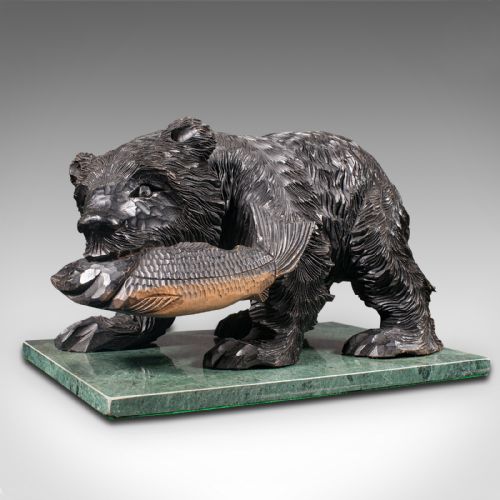
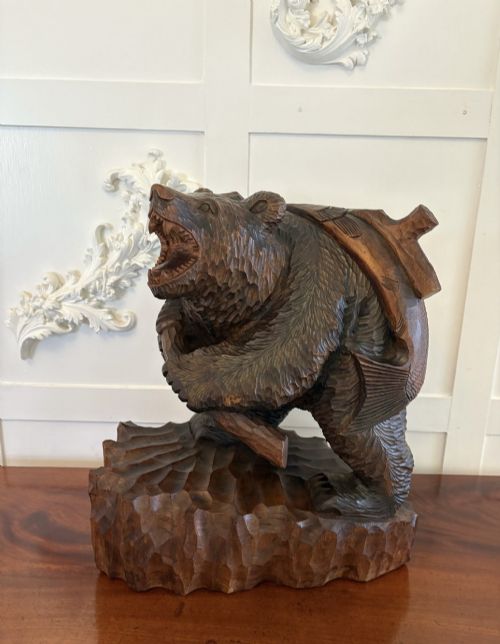
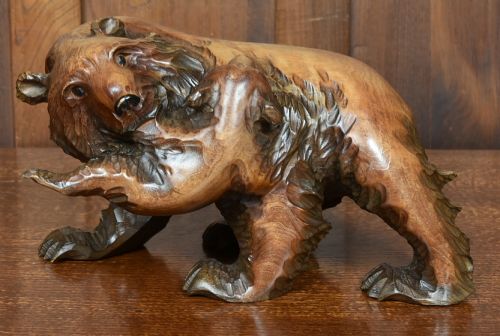
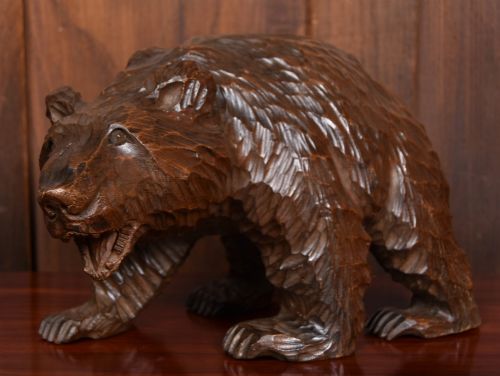
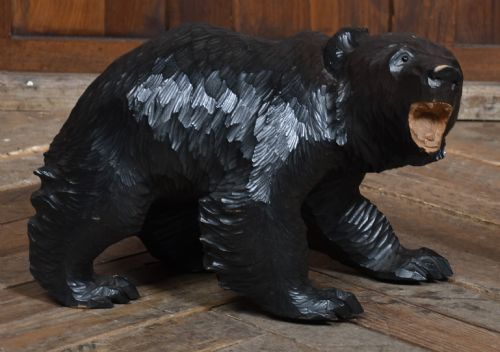
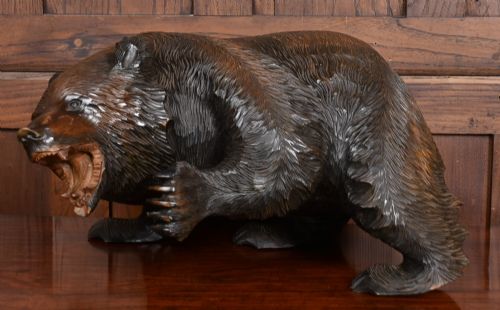
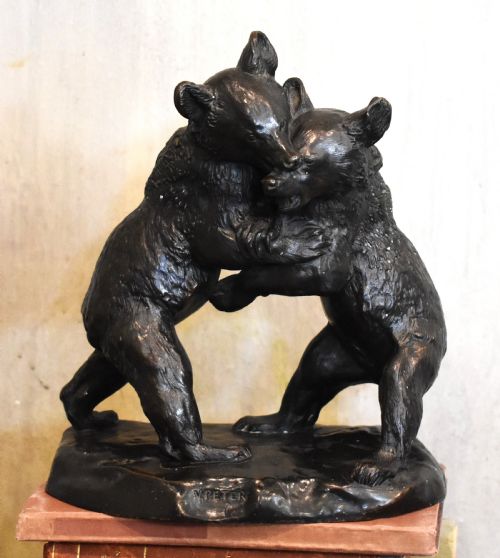
The versions you are most likely to meet on this page divide into two distinct traditions: European Black Forest carvings and Japanese folk art wood carvings known as Kibori Kuma. Each tradition brings a different sculptural language, from the expressive realism of French animalier bronzes to the textured hand-carved surfaces of linden wood bears carrying fish.
How they were made
Carvers shaped these pieces primarily from solid woods such as linden wood, cedar, and hardwood, often enhancing the natural grain with stain or leaving the surface with visible tool marks. Metal pieces utilised bronze cast by traditional foundry methods, sometimes finished with gilding or patination.
Makers achieved detail through hand-chiselling, as seen in the fur texture of Black Forest figures and the specific anatomical postures of Kibori Kuma. Inset glass or metal stud eyes frequently provided the final focal point on wooden animal carvings.
Vintage Bear Sculpture Retail Price Guide 2026
Typical asking prices for vintage bear sculpture among the pieces listed under this phrase on Sellingantiques today, from the lower quarter to the upper quarter. They describe what is for sale here now, not the wider market.
One remarkably specialised nineteenth-century bear carving doubles as a dentist, bringing a distinct touch of Victorian humour to the animalier tradition.
What varies in quality
The success of a piece depends upon the anatomical accuracy and the liveliness of the carving or casting. Sculptures that capture tension in the limbs or realistic fur texture stand apart from stiffly rendered examples.
Materials and scale also drive distinction, as larger solid bronze statues or complex multi-figure Black Forest groupings demonstrate greater ambition and technical skill from the maker.
Victor Peter·Christophe Fratin
The Vintage Bear Sculpture Glossary
- Black Forest
- A style of wood carving originating from the Brienz region of Switzerland and the Black Forest region of Germany. These pieces typically depict animals, particularly bears, rendered in linden wood.
- Kibori Kuma
- A style of Japanese wooden bear sculpture originating from Hokkaido folk art traditions. These bears are frequently carved holding fish or berries.
- Animalier
- A nineteenth-century artistic movement focused on the realistic depiction of animals. Sculptures in this tradition concentrate on musculature, movement, and natural behaviour.
- Humidor
- A specialised box or container designed to keep tobacco moist. In wood carving, these objects were sometimes sculpted into the form of a recumbent bear.
Vintage Bear Sculpture: Frequently Asked Questions
How do I identify Black Forest carvings?
Black Forest carvings are typically rendered in linden wood and depict woodland animals, most notably bears, often with glass eyes and deep brown staining.
These pieces originate from European mountain regions during the nineteenth century and frequently combine decorative appeal with practical functions like tobacco boxes or stick stands.
What is a Kibori Kuma bear?
Kibori Kuma is a traditional style of Japanese wood carving from Hokkaido that portrays bears, usually with textured fur and often carrying a salmon.
These folk art sculptures emerged in the early twentieth century and show distinct hand-chiselled surface patterns.
Are these bronze bears cast in one piece?
Bronze sculptures from the nineteenth century were typically cast using the lost-wax method, which could involve multiple cast components assembled together.
Foundries such as those associated with animalier sculptors ensured that joints were concealed and patinated to maintain a unified appearance.
How do I care for wooden bear carvings?
Wooden sculptures require stable indoor humidity levels to prevent the timber from splitting or warping over time. Dusting gently with a soft dry brush helps preserve the carved surface details and natural finish.