





Vintage Beach Painting
A vintage beach painting brings the atmosphere of the nineteenth and twentieth-century shoreline directly into a room, capturing coastal light and maritime movement.
Vintage Beach Painting
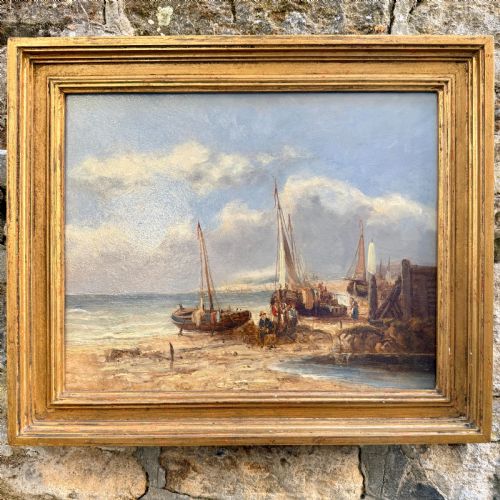
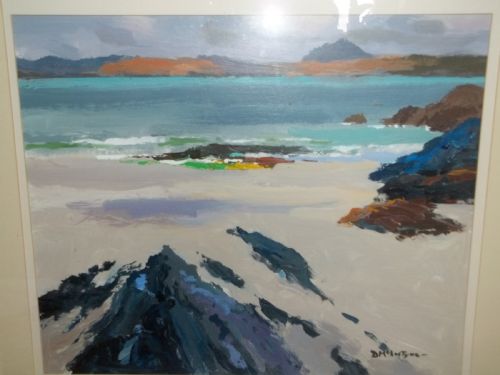
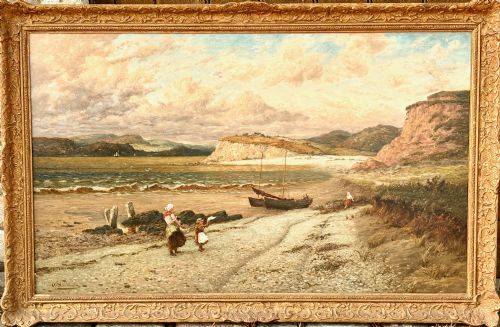
A vintage beach painting captures coastal scenes, rocky shores, harbours, and seaside villages created across the nineteenth and twentieth centuries. Buyers seeking this phrase will find works ranging from traditional Victorian watercolours to mid-century impressionist and fauve canvases.
The most common formats on this page are framed oil paintings and watercolours executed on canvas, paper, or board. These pieces depict locations from British fishing ports to French coastal views.
Materials and methods
Artists relied primarily on oil paint or watercolour applied to canvas, prepared wood panels, or heavy paper. Oil mediums allowed for textured impasto strokes representing churning waves and sandy shores, while watercolour provided transparent washes for atmospheric skies and calm seas.
Framing often complements the period, utilising wood frames, ebonised surrounds, or hand-enamelled polychrome settings to protect and present the artwork.
Vintage Beach Painting Retail Price Guide 2026
Typical asking prices for vintage beach painting among the pieces listed under this phrase on Sellingantiques today, from the lower quarter to the upper quarter. They describe what is for sale here now, not the wider market.
Listings feature works spanning the nineteenth century through the 1960s, executed in oil and watercolour on canvas, paper, and wood.
Quality and execution
Quality rests upon the artist's ability to capture natural light, atmosphere, and spatial depth within the coastal setting. Superior works demonstrate confident brushwork and precise handling of maritime elements rather than rigid adherence to topography.
The relationship between the medium and the support dictates longevity and visual impact, with well-preserved canvases and stable pigments retaining their intended chromatic harmony.
Donald McIntyre·William Banks Fortescue·Joseph Edward Hennah·Sir William Russell Flint·George Hamilton Constantine
The Vintage Beach Painting Glossary
- Impressionism
- A nineteenth-century painting style characterised by relatively small, thin, yet visible brush strokes and an emphasis on accurate depiction of light. It forms a cornerstone for many twentieth-century coastal works.
- Seascape
- A work of art that depicts the sea, beaches, ships, or coastal views. These subjects dominated maritime art throughout the Victorian era and beyond.
- Impasto
- The process or technique of laying on paint or spreading paint thickly on a canvas so that it stands out from a flat surface. This technique frequently renders the churn of waves or rough sand.
- Watercolour
- Artists' paint made with a water-soluble binder and transparent pigments, applied primarily to paper. It offers luminous effects suited to capturing shifting coastal weather.
Vintage Beach Painting: Frequently Asked Questions
How do I date a beach painting?
Dating relies on stylistic clues, framing materials, and artist signatures recorded in the inventory. Victorian works often show tighter academic detail, while mid-century pieces lean towards impressionistic abstraction.
Examining the canvas backing or paper type provides additional context regarding the specific decade of creation.
Where should I hang these paintings?
These coastal scenes suit living rooms, studies, or hallways where natural light can illuminate the brushwork. Placing them away from direct sunlight protects organic pigments on paper and canvas.
Pairing a framed oil painting with neutral wall colours allows the maritime palette to stand out.
Are watercolours fragile?
Watercolour paintings on paper require glass protection and stable indoor humidity to prevent fading and paper degradation. Proper framing preserves the delicate pigments applied by nineteenth and twentieth-century artists.
Keeping them out of direct sunlight ensures the transparent washes retain their original tone.
What subjects appear in these scenes?
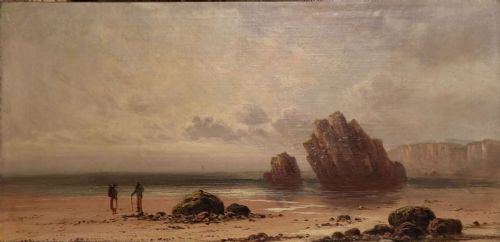
The listings feature fishing boats, lighthouses, sandy bays, and rocky sea stacks across British and European coastlines. Figures such as bathers, fishermen, and children appear in works spanning the Victorian period to the mid-twentieth century.
Each location reflects the artist's engagement with local topography and maritime industry.