






Vintage Bathroom Furniture
These vintage bathroom furniture pieces bring period character to a home, offering sturdy woods and fitted marble tops that buyers want for authentic interior styling.
Vintage Bathroom Furniture
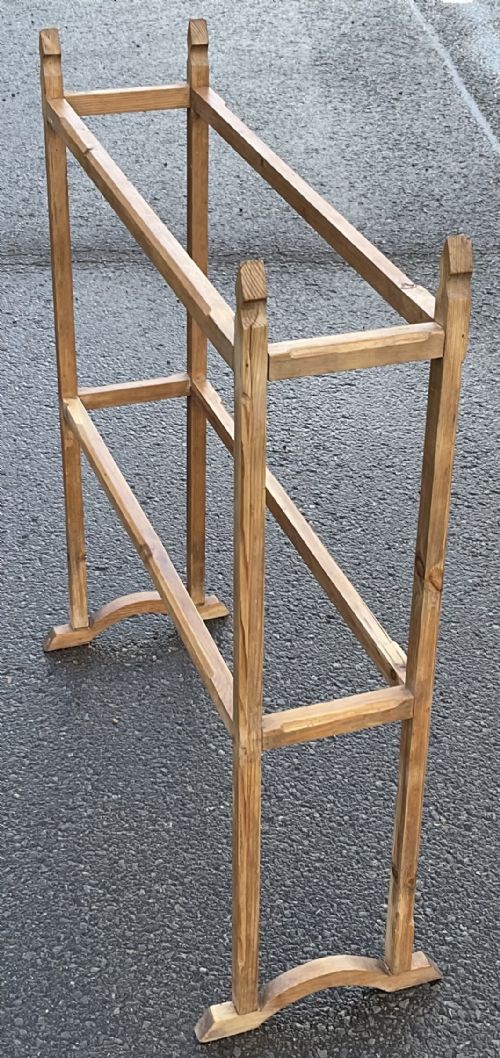
Vintage bathroom furniture comprises period items like washstands, towel rails, wall cabinets, and towel rails and airers used in domestic settings. These utilitarian pieces span the nineteenth and early twentieth centuries, encompassing Victorian, Edwardian, and Art Deco eras alongside Arts and Crafts and rustic country designs.
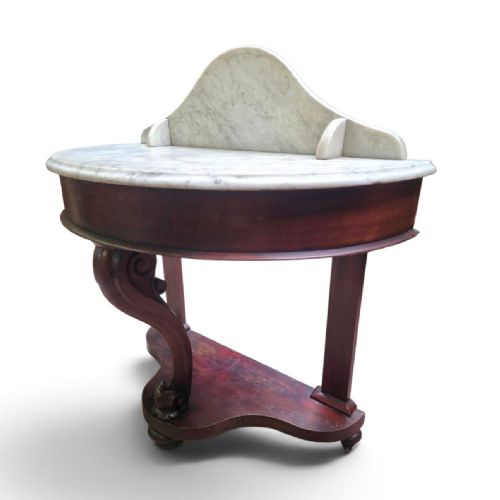
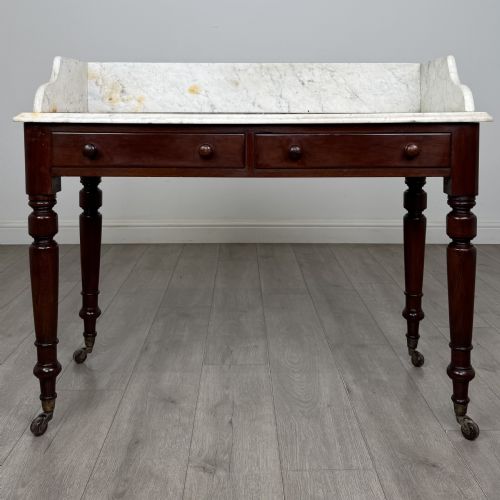
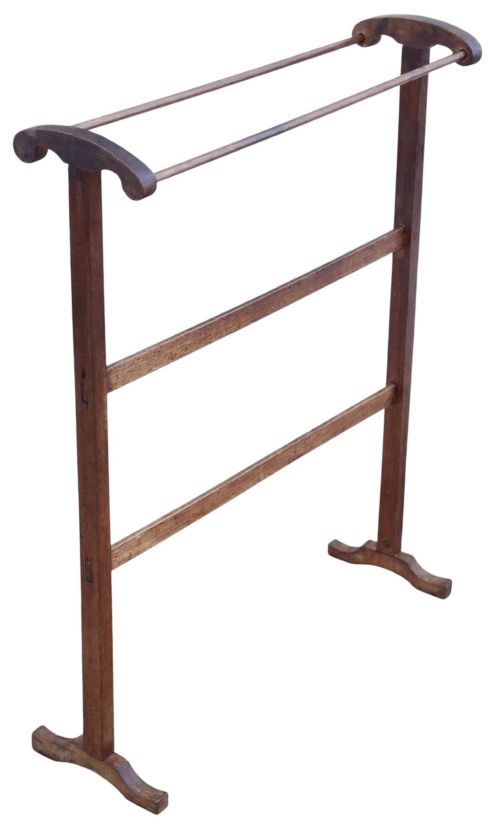
The pieces on this page are predominantly washstands and towel rails, reflecting the domestic sanitation arrangements of past decades. Washstands appear frequently with fitted marble tops, while towel rails range from simple wooden stands to five-bar designs.
Makers and workshops of the nineteenth and twentieth centuries constructed these utilitarian items in mahogany, oak, walnut, pine, and satinwood. Styles shift from ornate Victorian execution to clean Edwardian lines and geometric Art Deco forms.
Materials and construction methods
Cabinetmakers utilised hardwoods such as mahogany, oak, walnut, and satinwood alongside softer pine for carcass construction and freestanding frames. Selected pieces incorporate brass hardware and ceramic components.
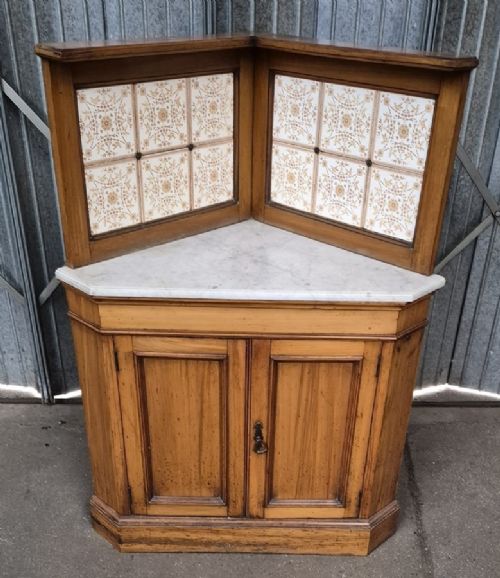
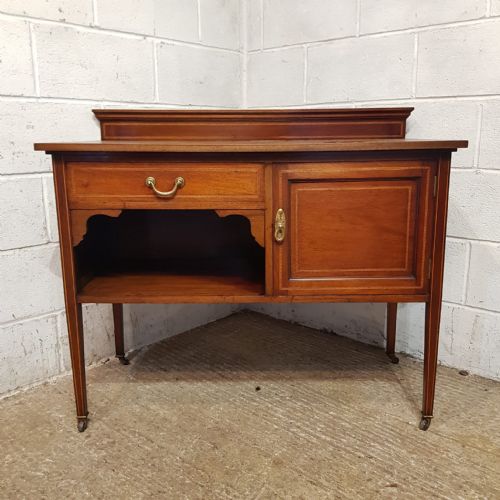
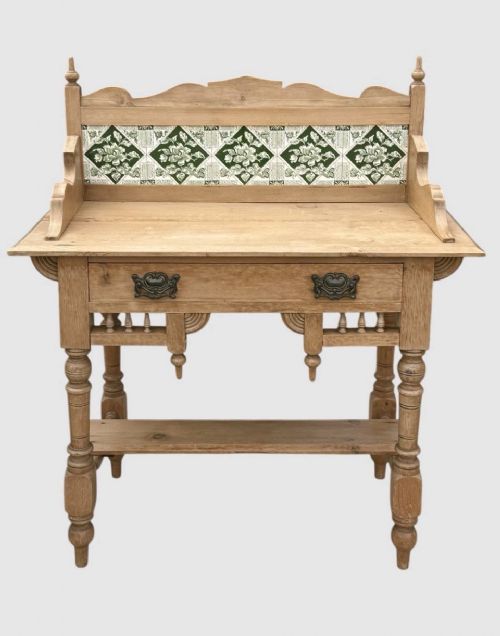
Marble tops provide a durable, water-resistant surface for washstands, paired frequently with tiled splashbacks and wooden cabinetry. Inlaid decoration and carved details appear across various periods, particularly on mahogany and walnut examples.
Vintage Bathroom Furniture Retail Price Guide 2026
Typical asking prices for vintage bathroom furniture among the pieces listed under this phrase on Sellingantiques today, from the lower quarter to the upper quarter. They describe what is for sale here now, not the wider market.
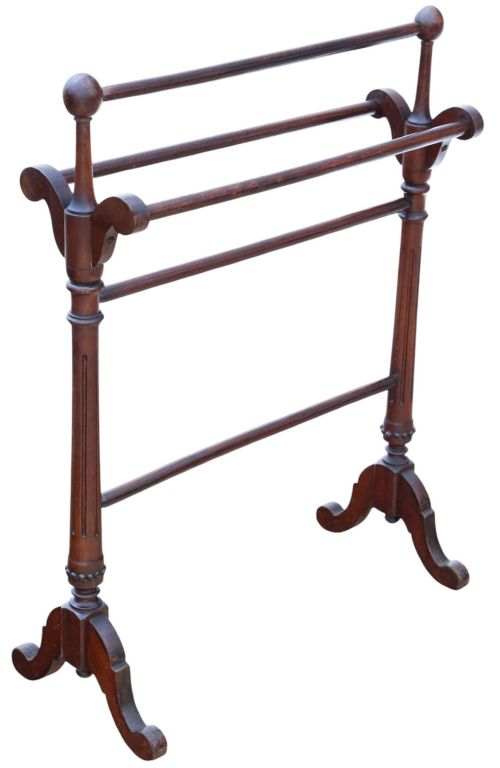
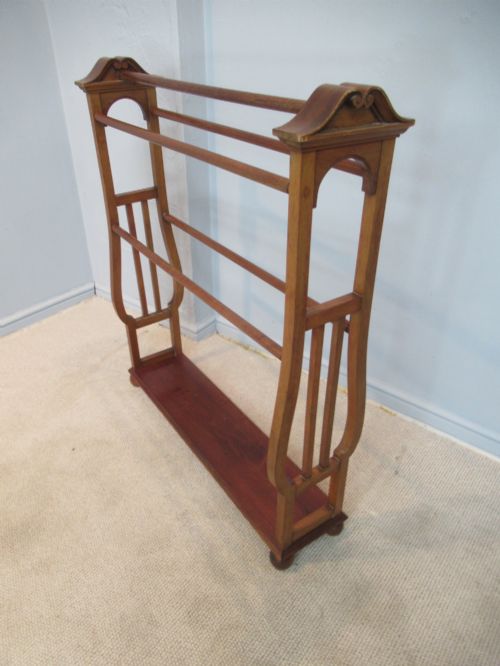
Some towel rails offer up to five bars for domestic drying, proving that Victorian laundry management took household organisation quite seriously.
What separates the finest pieces
Quality rests in the selection of timbers, such as figured mahogany or walnut, and the precision of joinery in washstands and towel rails. Finer examples display careful inlay work, solid brass fittings, and intact marble slabs.
The integrity of the structural frame dictates longevity, separating robust pieces built for daily domestic use from lighter constructions. Original hardware and undisturbed surface finishes contribute to the standing of an item.
Walker & Sons·Gillows
The Vintage Bathroom Furniture Glossary
- Washstand
- A piece of bedroom or bathroom furniture designed to hold a basin, jug, and washing accessories. These items frequently feature marble tops and tiled splashbacks.
- Towel rail
- A freestanding wooden frame utilised for hanging and drying towels. Designs vary from simple single bars to multi-bar configurations.
- Splashback
- A vertical panel rising behind a washstand top to protect the wall from water splashes. They are commonly faced in ceramic tiles or marble.
- Inlay
- A decorative technique where contrasting pieces of wood or other materials are inserted into a recessed surface. This method appears on satinwood and mahogany furniture.
- Marble top
- A solid stone slab fitted to the surface of a washstand to provide a waterproof working area. These slabs vary in colour and veining according to the stone used.
Vintage Bathroom Furniture: Frequently Asked Questions
What is vintage bathroom furniture?
Vintage bathroom furniture includes nineteenth and early twentieth-century utilitarian items such as washstands, towel rails, and wall cabinets.
These pieces were made before modern fitted bathrooms became standard, serving practical washing and storage needs in bedrooms and dressing rooms.
How were washstands used originally?
Washstands held a ceramic basin and water jug for morning washing before indoor plumbing was common in every room.
The marble tops and tiled splashbacks provided practical, waterproof surfaces that resisted water damage during daily use.
How do I identify an Edwardian washstand?
Edwardian washstands typically date from around 1900 to 1910, featuring lighter woods like mahogany or satinwood and cleaner decorative lines than earlier Victorian pieces.
They frequently combine a marble top with tiled backs and simple cabinetry.
Can I use an antique washstand today?
Antique washstands adapt well into modern homes as bathroom sink vanities or hallway console tables with period character.
The stone tops remain practical for placement of contemporary toiletries.
What woods are common in these pieces?
Makers constructed these items using hardwoods like mahogany, oak, walnut, and satinwood, alongside pine for utilitarian country furniture.
Brass fittings and marble slabs frequently accompany these timber structures.