



Vintage Barware Tantalus
A vintage barware tantalus secures spirits under lock and key, combining practical hospitality with secure display in period interiors.
Vintage Barware Tantalus
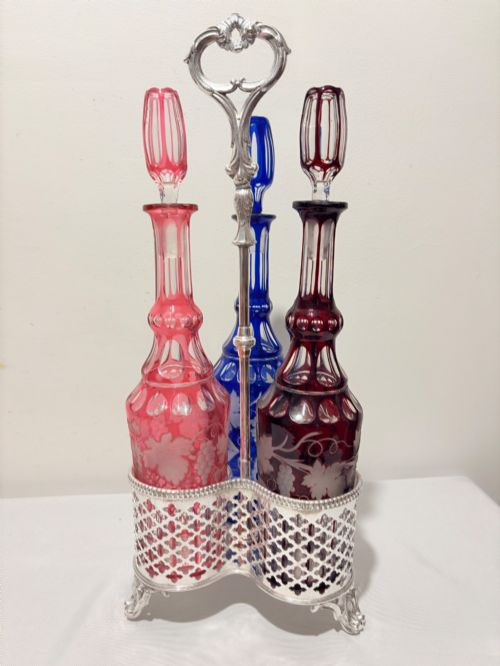
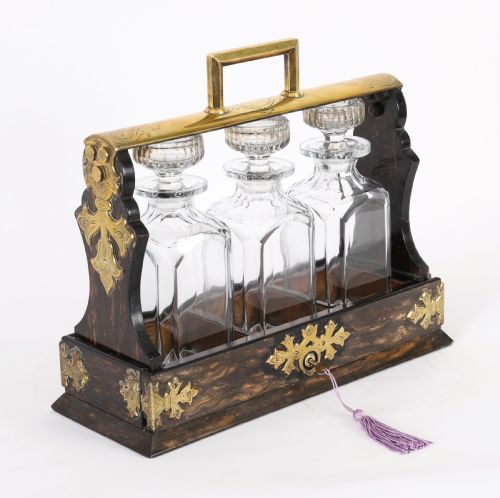
A vintage barware tantalus provides a secure frame to house spirit decanters, preventing unauthorized access to expensive liquor while displaying cut crystal for evening entertaining. These drink security stands appear in various configurations, most commonly holding two or three bottles within a locking metal mechanism.
The selections available range from sturdy Victorian oak boxes and Edwardian frameworks to sleek Art Deco chrome designs. Alongside traditional lockable stands, you encounter related barware including liqueur boxes, spirit barrels, and open decanter sets.
Origins stretch across the nineteenth and twentieth centuries, incorporating Georgian influences, Black Forest carvings, and modernism. Oak and coromandel wood form the primary chassis for these locking frames, fitted with silver plated mounts and cut crystal vessels.
How they were made
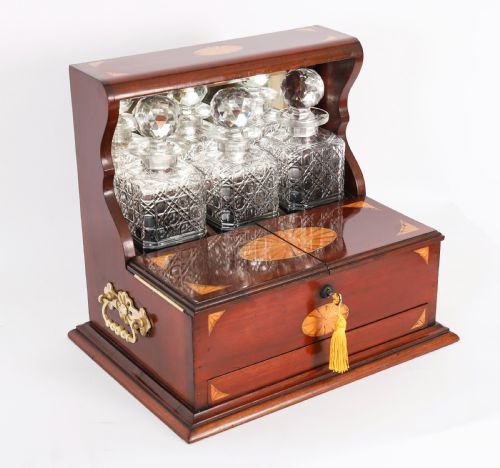
Cabinetmakers constructed the main framework using dense timbers such as oak, mahogany, satinwood, and coromandel, often embellishing the surfaces with marquetry stringing or intricate wood carving. Metalworkers cast mounts, handles, and locking arms in brass or plated them in silver, creating the drop-bar mechanisms necessary to secure the glass stoppers.
Vessels were blown and shaped from glass or crystal, utilising deep diamond and hobnail cutting techniques to catch the light. Silver smiths and specialist makers then fitted matching stoppers and secured operational locks requiring a key to release the handle.
Listings feature oak, coromandel, and mahogany frames alongside silver-plated mounts and cut crystal decanters spanning the Victorian and Art Deco eras.
What varies in quality
The calibre of a vintage barware tantalus depends significantly on the weight and clarity of the crystal decanters and the precision of the locking mechanism. Superior examples feature heavy, hand-cut crystal bottles that match the exact contours of the frame without rattling.
Cabinetwork distinguishes standard production pieces from exceptional items, with finer models displaying marquetry inlay, book-matched veneers, and substantial silver-plated mounts. The presence of original working keys and fully integrated games compartments elevates the craftsmanship level.
The Goldsmith Co.·Hukin and Heath·Jacques Adnet
The Vintage Barware Tantalus Glossary
- Tantalus
- A locking drink container stand designed to prevent guests or servants from accessing the spirits inside. It is named after the mythological figure who could see water and fruit just out of reach.
- Cave a liqueur
- A French liqueur box or tantalus cabinet, often lined with velvet or gilt bronze to hold crystal decanters and matching glasses securely. These portable cellars were popular for after-dinner entertaining in the nineteenth century.
- Silver plate
- A base metal coated with a thin layer of silver, widely utilised for the handles, lock bars, and nameplates of Edwardian and Victorian frames. It offers the appearance of solid silver at a sturdier structural weight.
Vintage Barware Tantalus: Frequently Asked Questions
How do you open a tantalus?
Most antique locking frames require a matching key inserted into the central lock to release the top metal bar. Once unlocked, the handle pivots or lifts upward to allow the decanters to slide free from their fitted slots.
Without the original key, opening the mechanism without damaging the surrounding wood or silver plate requires a specialist locksmith. Many surviving pieces retain their functional locks and original keys.
What is the difference between a tantalus and a decanter set?
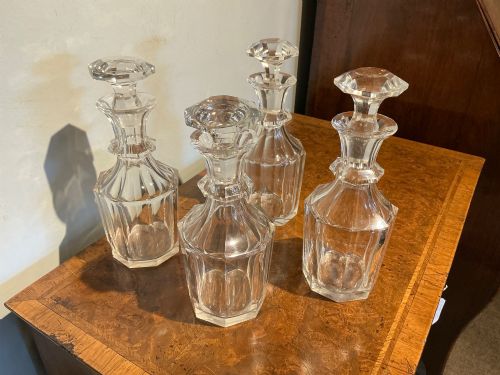
A decanter set simply groups matching glass bottles on a tray or inside an open frame for serving. A tantalus adds a physical locking bar that traps the decanter stoppers beneath a metal strap.
This security feature was introduced in the nineteenth century to keep household spirits rationed. Both serve similar decorative roles on a sideboard, but only the tantalus prevents unmonitored pours.
How do you clean vintage decanters?
Crystal decanters benefit from gentle hand washing with warm water and mild detergent. A soft bottle brush helps reach the interior base without scratching the glass.
Harsh abrasives and sudden temperature changes risk cracking antique crystal or damaging silver collars. Storing bottles unstopped after cleaning prevents moisture accumulation inside.
Where were tantalus sets used?
These locking drink stands sat proudly on sideboards, dining tables, and dedicated smoking rooms in grand homes. They provided hosts with a secure way to offer after-dinner whiskey, brandy, and gin.
In modern interiors, they function as striking decorative barware centrepieces. They continue to store and display vintage glassware while adding period character to a room.