



Vintage Barware Pitcher
These vintage barware pitchers bring serious style to the home bar, spanning eras from Victorian cut glass to sleek Art Deco cocktail shakers.
Vintage Barware Pitcher
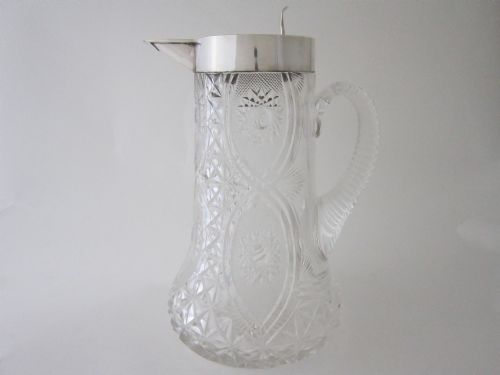
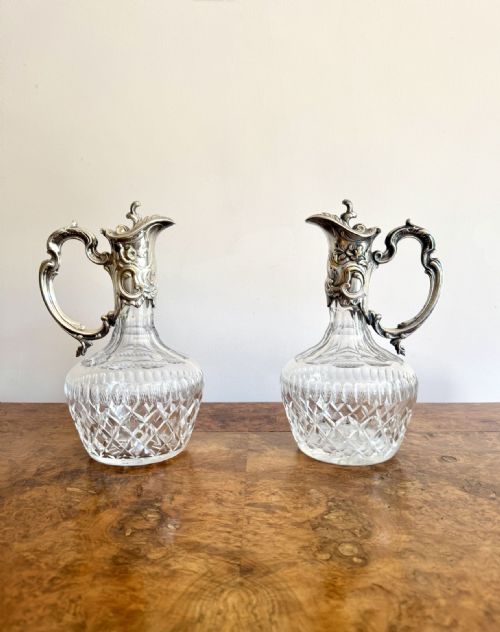
When searching for a vintage barware pitcher, collectors encounter a diverse array of serving vessels designed for wine, spirits, and mixed drinks. The selections here range from elaborate Victorian and Edwardian claret jugs to streamlined Mid-Century Modern cocktail mixers and jugs.
The most common forms on this page include silver-plated and cut glass claret jugs alongside Art Deco cocktail shakers. Pieces originating from the Victorian, Edwardian, and mid-twentieth-century periods dominate the selection.
These items served both functional and decorative roles in entertaining, evolving from heavy glass wine ewers into metal cocktail shakers by the mid-century. Each piece reflects the social habits and design shifts of its specific decade.
How they were made
Maker workshops combined heavy clear or coloured glass vessels with metal mounts, often utilising sterling silver or silver plate. Cut glass bodies provide weight and texture, while enamel details appear on select pieces from the Art Deco period.
Metal components involved casting and mounting, attaching hinged lids, handles, and spouts securely to the glass bodies using cork or collars. Silversmiths utilised traditional techniques to shape mounts, handles, and covers for claret jugs and cocktail shakers.
Vintage Barware Pitcher Retail Price Guide 2026
Typical asking prices for vintage barware pitcher among the pieces listed under this phrase on Sellingantiques today, from the lower quarter to the upper quarter. They describe what is for sale here now, not the wider market.
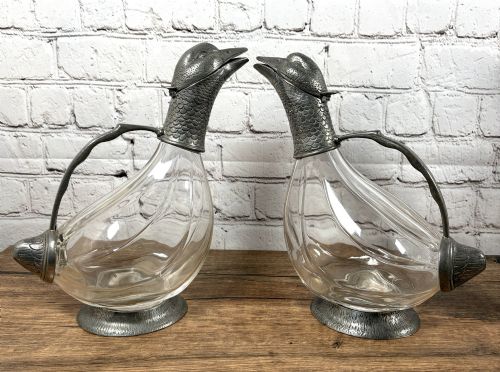
Among the barware are pitchers shaped as roosters and boars, proving that historical hosts appreciated a touch of animal whimsy.
What varies in quality
Quality separates standard production items from pieces bearing maker marks or designer attributions. The crispness of the glass cutting and the weight of the silver plate or sterling silver mounts indicate the standard of manufacture.
Design distinction also dictates distinction, with pieces by noted makers or specific designers commanding greater attention. The integration between the metal collar and the glass body shows the precision of the original silversmith.
James Dixon & Sons·Hukin & Heath·Valenti·Christofle Gallia·Mappin & Webb
The Vintage Barware Pitcher Glossary
- Claret Jug
- A vessel specifically designed for serving claret or red wine at the table. These typically feature a glass body with a silver or silver-plated handle, spout, and hinged lid.
- Cocktail Shaker
- A barware tool used to mix beverages by shaking with ice. Mid-century examples often use metal or enamelled glass construction.
- Silver Plate
- A base metal coated with a thin layer of silver. This technique allowed makers to produce elaborate vessels without the full cost of solid sterling silver.
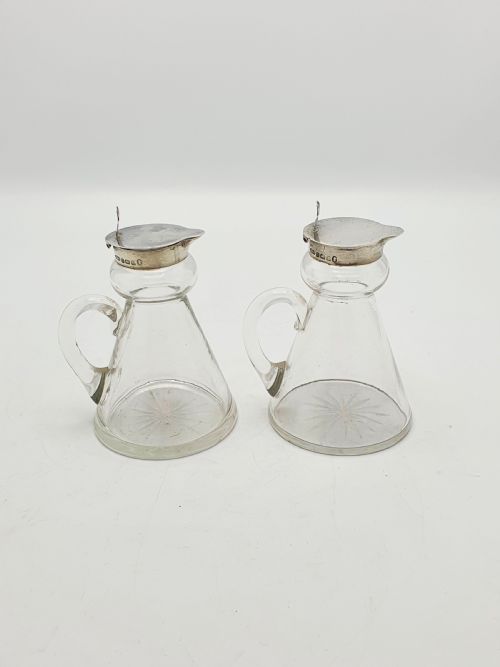
- Whiskey Noggin
- A small vessel used for serving individual portions of whiskey. They often appear with silver mounts and handle attachments.
- Spirit Ewer
- An antique pouring vessel for holding spirits or liqueurs. They share similarities with claret jugs but often display more decorative German or European styling.
Vintage Barware Pitcher: Frequently Asked Questions
What is a vintage barware pitcher used for?
These vessels were originally manufactured to serve wine, spirits, or mixed drinks during formal dinners and social gatherings. Victorian examples focused on claret and wine service, while later twentieth-century iterations catered to cocktails.
Today, buyers utilise them both as functional serving pieces for home bars and as decorative display objects in dining rooms.
How do I identify the period of a pitcher?
Dating relies on stylistic clues, manufacturing materials, and any visible hallmarks stamped onto the silver mounts. Victorian and Edwardian pieces frequently combine heavy cut glass with ornate silver-plated mounts, whereas Art Deco items embrace cleaner geometric lines or enamelled decoration.
Mid-century pitchers transition toward minimalist metal forms and distinct modernist silhouettes associated with the 1950s and 1960s.
Are silver-plated pitchers safe for drinks?
Silver-plated barware can be used for serving beverages provided the plating remains intact and the interior is thoroughly cleaned. Most antique pitchers are suited for cold drinks and short-term liquid contact.
Acidic juices should not be left sitting in silver-plated shakers for extended periods to protect the interior metal finish.
What is the difference between a claret jug and a cocktail shaker?
A claret jug is designed for pouring wine at the dining table, featuring a spout, hinged lid, and a decorative glass body suited for red wine. A cocktail shaker is engineered for mixing ingredients with ice before straining.
Shakers often feature self-contained lids with built-in strainers and caps, reflecting their specific function in bar preparation.