


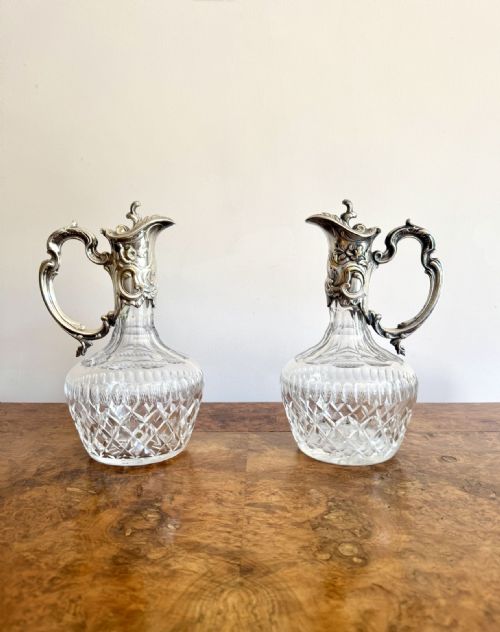


Vintage Barware Carafe
Vintage barware carafe vessels combine practical service with decorative glass and metalwork, spanning periods from the Victorian era to the mid-twentieth century.
Vintage Barware Carafe
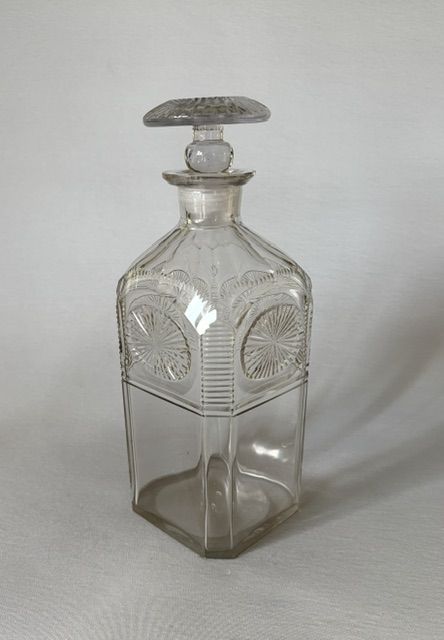
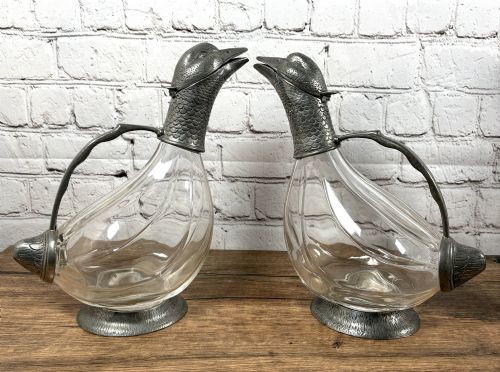
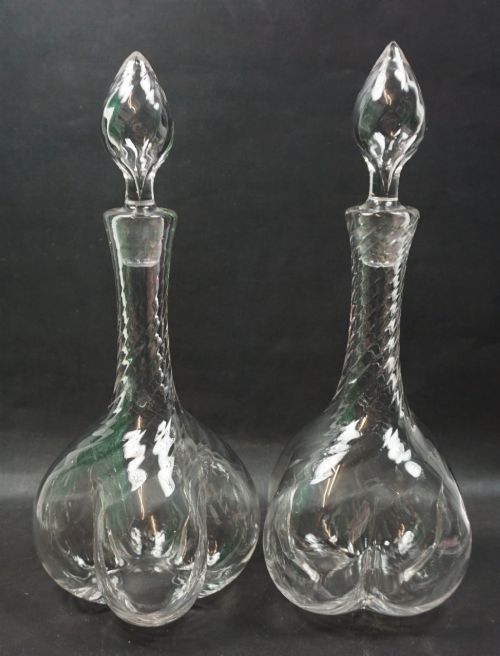
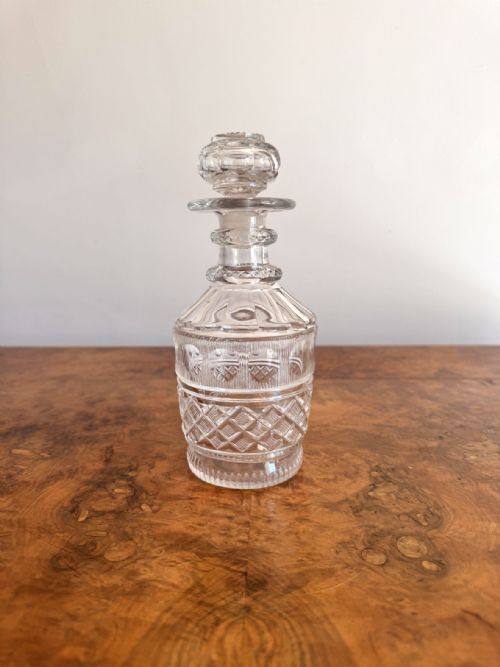
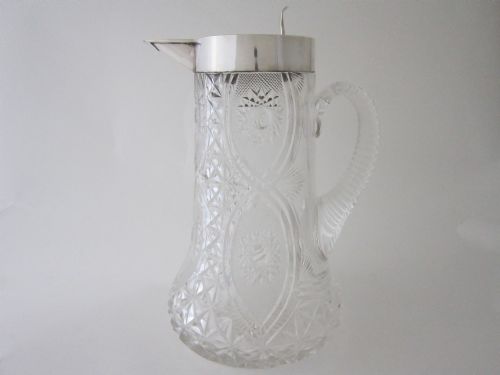
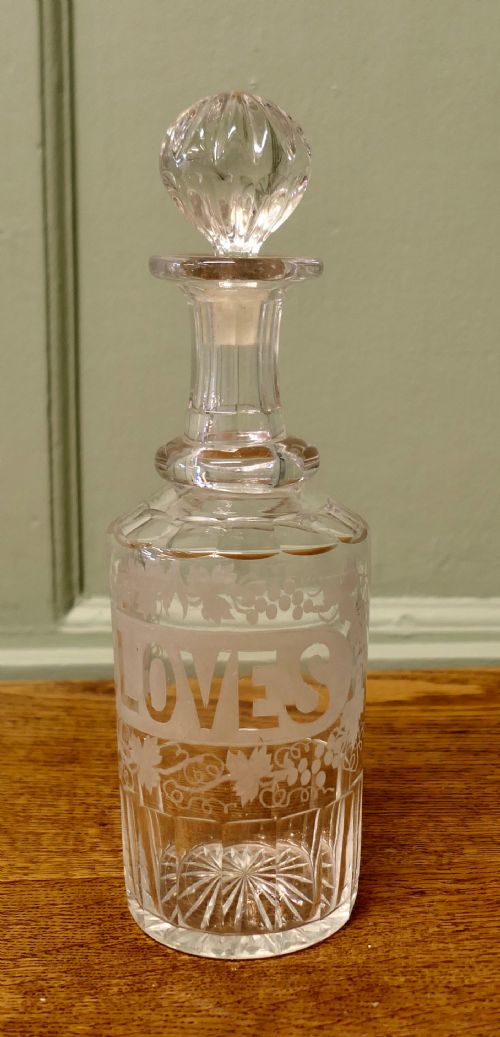
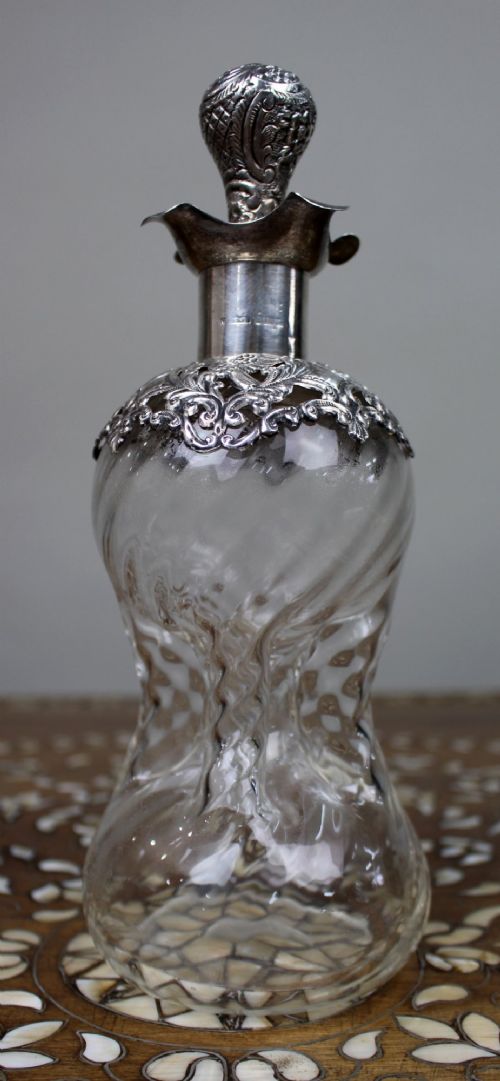
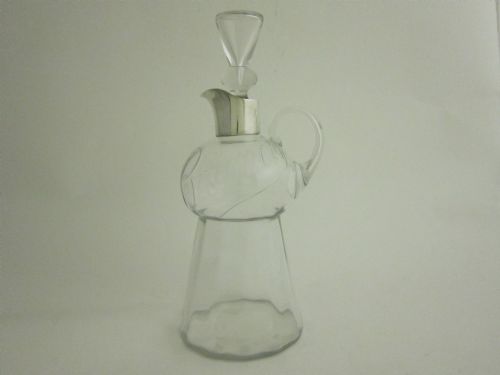
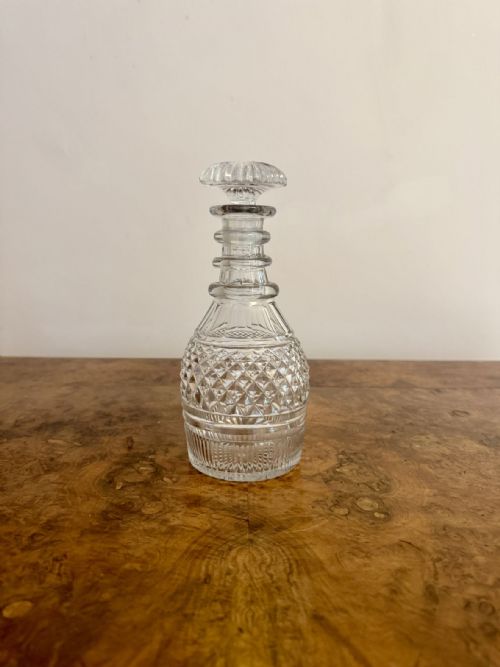
When searching for a vintage barware carafe, buyers encounter a diverse selection of decanters, claret jugs, spirit flasks, and wine dispensers. These vessels served functional roles on dining tables and sideboards, holding spirits, wine, and liqueurs.
The pieces appearing on this page originate predominantly from the Victorian and Edwardian periods, alongside Art Deco examples from the early twentieth century. Common forms include bell-shaped decanters, spirit noggins, and matched sets complete with glasses.
Craftsmanship spans plain blown glass to heavily faceted and etched crystal bodies, often fitted with sterling silver or silver-plated collars, mounts, and stoppers. Regional variations include Scottish whisky bottles and continental crystal services.
How They Were Made
Glass bodies were formed through blowing techniques, sometimes utilising optical moulds to create internal fluting or patterns within the crystal. Makers also shaped vessels by hand before cooling and applying surface decoration.
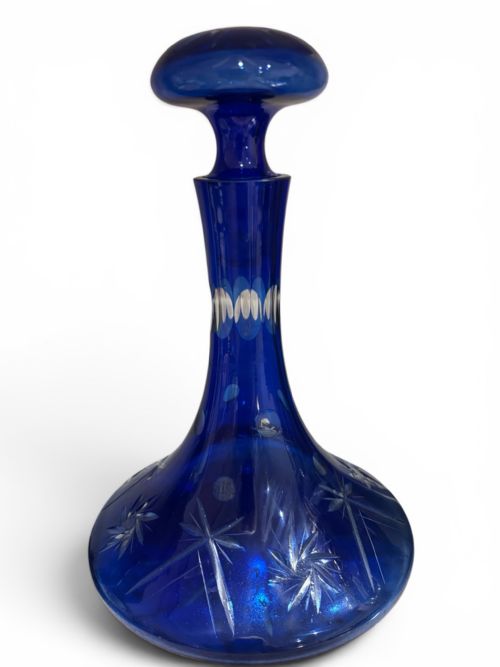
Cut glass and lead crystal pieces achieved their brilliance through wheel-cutting, where artisans ground geometric facets, flutes, and star patterns directly into the thick material. Etched and enamelled designs added further ornamentation to select Scottish and English bottles.
Metal mounts, collars, and handles utilised sterling silver or silver plate, often bearing hallmarks that record the assay office and date of manufacture. Wrought iron frames and figurine tops also appear on specific Art Nouveau and Edwardian iterations.
Vintage Barware Carafe Retail Price Guide 2026
Typical asking prices for vintage barware carafe among the pieces listed under this phrase on Sellingantiques today, from the lower quarter to the upper quarter. They describe what is for sale here now, not the wider market.
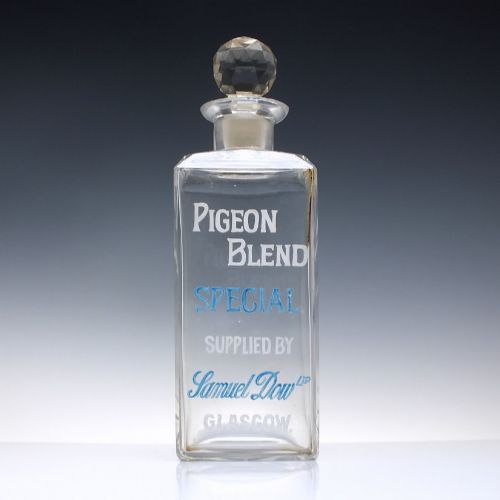
Certain nineteenth-century Scottish bottles proudly declare their contents as pigeon blend or specific regional whiskies.
What Varies in Quality
The distinction between standard vessels and superior pieces rests on the weight and clarity of the crystal or glass. Heavy lead crystal with deep, crisp wheel-cutting represents a higher standard of manufacture than lightweight, pressed alternatives.
Metalwork quality separates routine items from exceptional examples, observed in the thickness of silver plating or the substantial weight of sterling silver mounts. Maker attribution to notable silversmiths or glasshouses elevates the standing of a piece.
Completeness and matching elements strongly influence the character of a set, particularly when decanters retain their original stoppers, paired glasses, or intact silver collars bearing legible hallmarks.
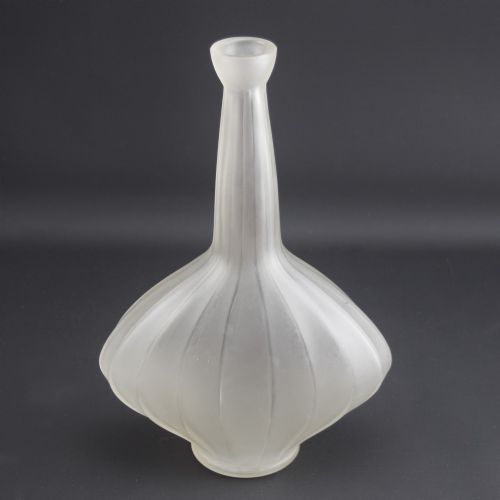
Rene Lalique·James Powell·Hukin & Heath·Val Saint Lambert
The Vintage Barware Carafe Glossary
- Decanter
- A vessel designed for holding and serving wine or spirits, typically fitted with a stopper. These range from simple blown glass bottles to heavily cut crystal examples.
- Claret Jug
- A specialised pitcher utilised for serving red wine at the table. They frequently incorporate silver-plated or sterling silver mounts with hinged lids and integral handles.
- Whiskey Noggin
- A small spirit decanter, often accompanied by a matching silver tot cup or nipperkin. They were popular in the late nineteenth and early twentieth centuries.
- Glug Glug Decanter
- A distinctive multi-chambered decanter that produces a gurgling sound when liquid is poured. This design allowed air to circulate as the spirit flowed.
- Hallmark
- An official stamp applied to precious metals indicating the standard of purity, the assay office, and the year of manufacture. These marks assist in dating the silver mounts.
Vintage Barware Carafe: Frequently Asked Questions
What is a claret jug?
A claret jug is a pouring vessel specifically created to serve red wine from the bottle to the glass. They typically feature an ornate handle and a hinged metal lid.
Most examples combine a cut glass or crystal body with silver-plated or sterling silver mounts, dating primarily from the Victorian and Edwardian eras.
How do I date a decanter?
Dating a decanter relies on examining the shape, the manufacturing technique of the glass, and any accompanying metal mounts. Hallmarks on silver collars provide exact years and assay locations.
Stylistic indicators such as heavy diamond cutting suggest the Victorian period, whereas clean geometric lines point toward Art Deco design.
Are stoppers original to the decanter?
Determining whether a stopper is original involves inspecting the ground glass peg and the neck of the vessel for matching wear patterns and hand-numbered matching marks. Slight variations in tint or fit often indicate a replacement.
Collectors prefer pieces that retain their matching stoppers, as these preserve the intended silhouette and completeness of the item.
How should I clean antique glass?
Cleaning antique glass requires gentle hand washing with warm water and mild detergent, avoiding sudden temperature changes that can crack aged material. Stubborn internal residue is best treated with specialised cleaning beads rather than harsh abrasives.
Silver mounts should be polished carefully with a soft cloth while protecting the surrounding glass from chemical contact.