



Vintage Baptism Gift
These vintage baptism gift pieces are enduring silver mementoes that mark a child's entry into the church with lasting substance.
Vintage Baptism Gift
When you search for a vintage baptism gift, you find traditional silver items specifically created to mark a christening ceremony. The selections span from the Victorian and Edwardian eras through to the George V period and mid-century modern decades.
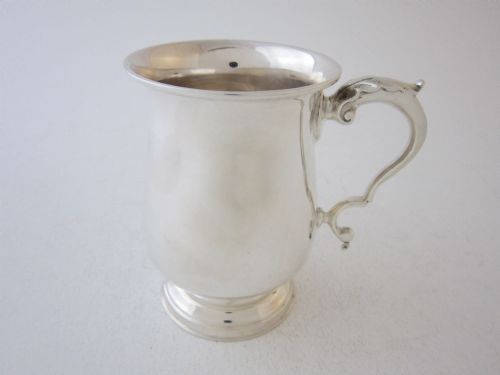
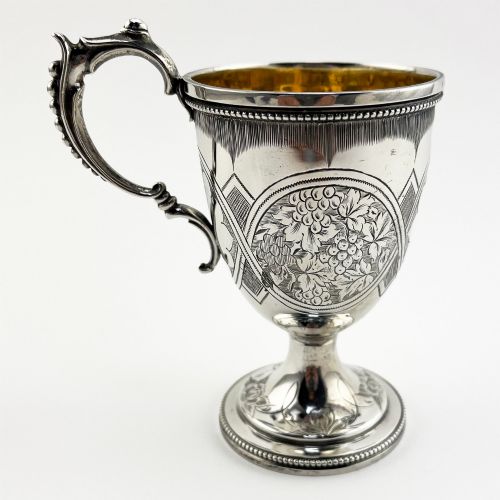
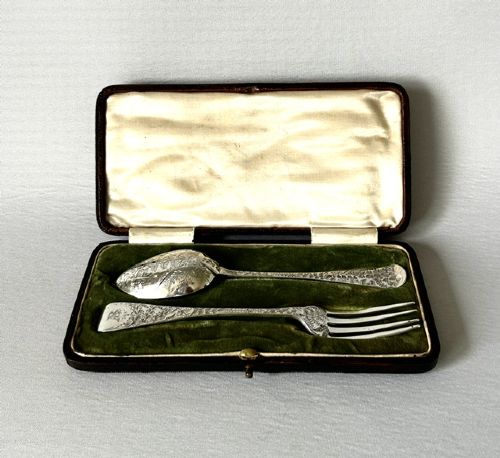
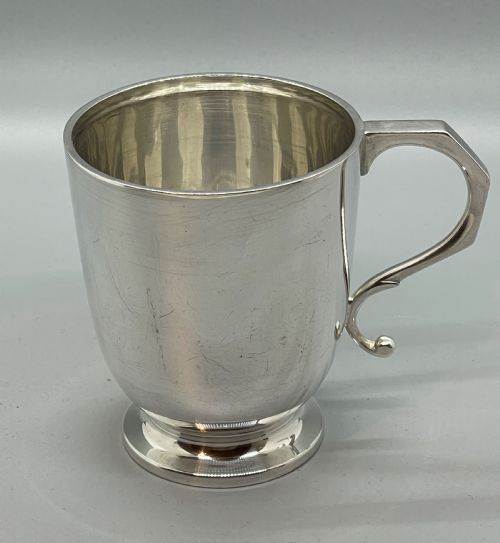
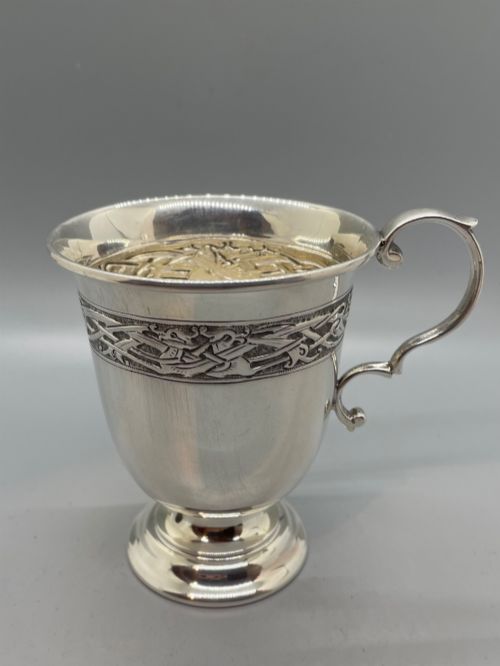
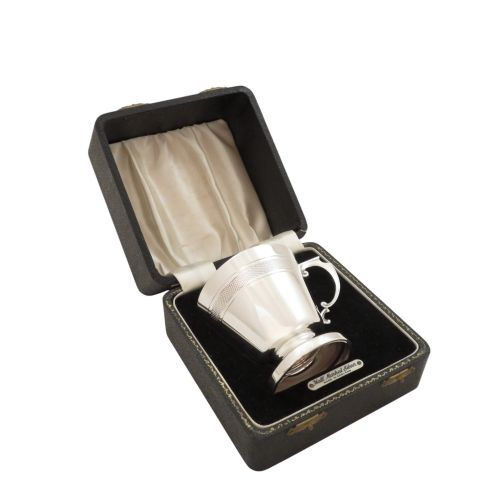
The pieces you are most likely to meet on this page are sterling silver christening mugs, tankards, and porringer bowls. Many arrive complete with their original presentation cases lined in materials such as silk and velvet.
Makers fashioned these objects as functional tableware intended to become family heirlooms. Alongside mugs and bowls, the category encompasses boxed silver cutlery sets designed for a child's early years.
How they were made
Silversmiths utilised solid sterling silver, often working metals through techniques of raising and spinning to form cylindrical mugs and baluster shapes. Assay offices in cities like Birmingham and Sheffield stamped these items with hallmarks confirming their metal purity and year of creation.
Handles often feature cast decoration, such as Rococo scrolls soldered directly to the body of the mug. Protective presentation boxes combined wooden or card frames covered in leather, lined internally with fitted silk and velvet beds.
Vintage Baptism Gift Retail Price Guide 2026
Typical asking prices for vintage baptism gift among the pieces listed under this phrase on Sellingantiques today, from the lower quarter to the upper quarter. They describe what is for sale here now, not the wider market.
Listings span periods from the mid-nineteenth century through the mid-twentieth century, featuring sterling silver, silver gilt, leather, velvet, and silk.
What varies in quality
The distinction between standard items and superior examples lies in the weight of the silver and the crispness of the hand-chased ornamentation. Thicker gauge silver resists dents and maintains structural integrity through decades of handling.
The refinement of the maker's hand shapes the overall desirability of the piece, particularly where cast handles meet the main vessel. Surviving accessories, including fitted leather cases with intact silk and velvet linings, elevate the completeness of an object.
R E Stone
The Vintage Baptism Gift Glossary
- Sterling silver
- An alloy comprising ninety-two point five percent silver and seven point five percent other metals, typically copper, chosen for durability. This standard has served British silversmiths for centuries.
- Porringer
- A small, shallow bowl with one or two flat handles, historically used for porridge or broth. In baptism collections, these appear in circular sterling silver forms.
- Baluster form
- An architectural shape featuring a rounded lower body that tapers gracefully toward a narrower neck and flared rim. Mugs of this profile frequently display traditional scroll handles.
- Hallmark
- A series of official marks stamped into precious metals indicating the maker, assay office, and year of testing. These stamps provide a reliable method for dating British silver.
Vintage Baptism Gift: Frequently Asked Questions
What is a traditional baptism gift?
Traditional gifts for a christening ceremony focus on durable silver items that a child can keep for a lifetime. Mugs, tankards, bowls, and cutlery sets are the most common historical choices.
Silversmiths designed these pieces to be used or displayed as lasting mementoes of the day. Many were presented in fitted boxes lined with velvet and silk.
How do I date a silver christening mug?
You can date British silver mugs by examining the hallmarks stamped into the metal by the assay office. These tiny stamps include a letter code for the year and symbols for the town.
Additional clues come from the overall style, such as Victorian scrollwork or mid-century modern simplicity. Comparing the shape and engraving style helps narrow down the decade.
Are these silver mugs safe to use?
Solid sterling silver is non-toxic and historically served as standard diningware for children and adults alike. Modern owners often use them for ceremonial toasts or display.
Regular gentle washing in warm soapy water keeps the silver clean without damaging the surface. Avoid abrasive cleaners that might wear away fine engravings or hallmarks.
Why do some mugs come in boxes?
Presentation boxes were standard for quality silver items purchased from high-end retailers as special occasion gifts. These cases protected the polished metal from tarnishing and scratches.
Cases lined with velvet or silk also added a layer of luxury to the presentation. Finding a mug with its original case preserves the historical context of the piece.