


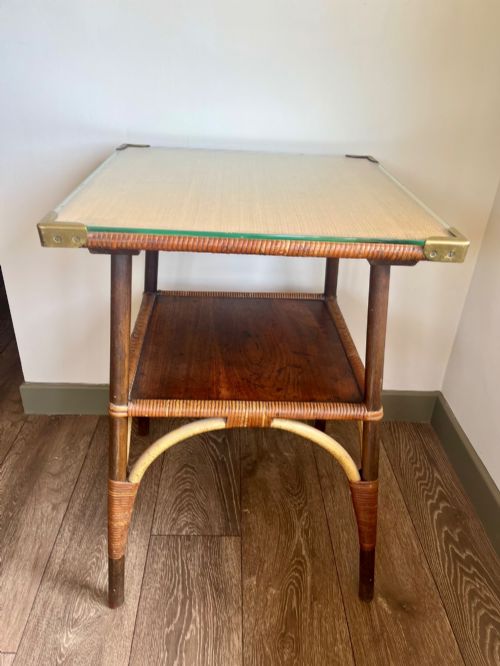


Vintage Bamboo Occasional Table
A vintage bamboo occasional table brings lightweight utility and distinctive orientalist charm to any interior.
Vintage Bamboo Occasional Table
When you search for a vintage bamboo occasional table, you encounter compact furniture forms designed for flexible placement around the home. The selection spans distinct eras from the late nineteenth century through the Edwardian period and up to nineteen thirty.
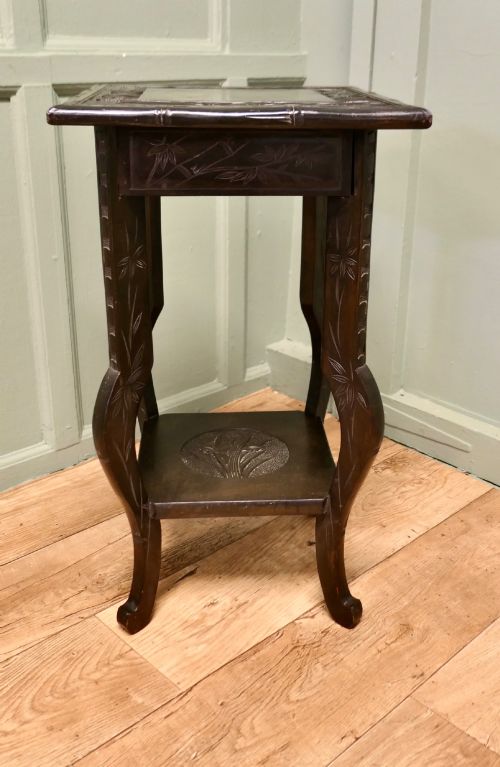
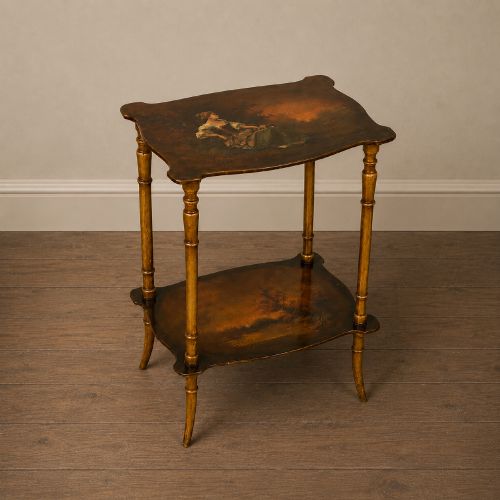
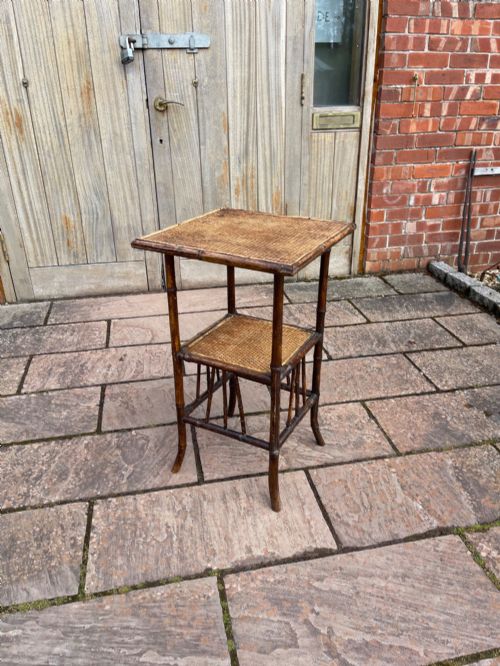
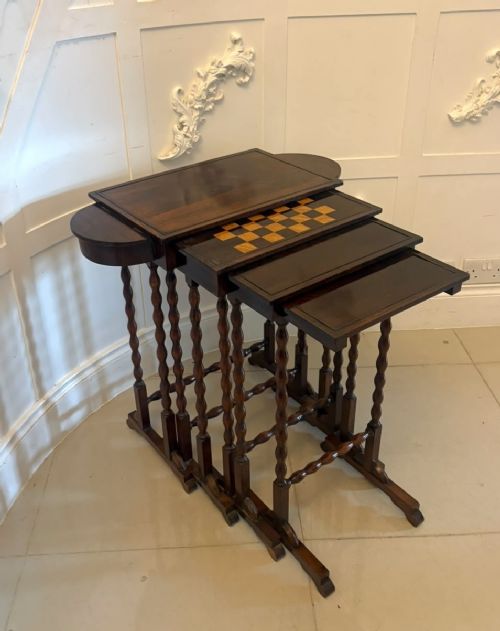
The physical evidence on this page includes standard side tables alongside nests of tables, coffee tables, two tier étagères, magazine racks, and folding designs. These pieces range from British Victorian and Edwardian examples to Continental and Chinese items.
The dominant aesthetic draws heavily on Victorian Aesthetic Movement and Anglo Japanese tastes, alongside Regency style influences and French folding variants. Buyers frequently find pieces utilising natural cane alongside mahogany, satinwood, and painted finishes.
How they were made
Makers constructed these pieces using natural bamboo and rattan, frequently combining them with sturdy interior timber framing to ensure structural integrity. Surface decoration often involved lacquer, hand painting, and gilding to enhance the decorative visual impact.
Joinery techniques required specialised skills to bend and secure hollow plant stems into rigid frames, sometimes augmented with brass fittings. Additional materials appearing in the construction include mahogany, boxwood, satinwood, and rosewood.
Vintage Bamboo Occasional Table Retail Price Guide 2026
Typical asking prices for vintage bamboo occasional table among the pieces listed under this phrase on Sellingantiques today, from the lower quarter to the upper quarter. They describe what is for sale here now, not the wider market.
Several items double as clever folding units, proving that nineteenth century designers understood the art of compact living.
What varies in quality
Quality in these items is determined by the precision of the joinery and the structural stability of the cane framework. Superior examples display tight, secure bindings and straight, uncracked stems that withstand daily use.
Artistic execution also separates standard items from finer work, particularly where hand painted panels, gilt detailing, or carved elements appear. The selection of secondary woods, such as satinwood or mahogany, often indicates a higher grade of manufacture.
Dryad Leicester·Liberty of London
The Vintage Bamboo Occasional Table Glossary
- Étagère
- A piece of furniture consisting of a set of open shelves for displaying small objects. These tiered side tables offer multiple surfaces within a compact footprint.
- Quartetto nest
- A set of four tables graduated in size so that they slide one beneath another. This form became popular during the nineteenth century for entertaining.
- Anglo Japanese
- A design style bridging British aesthetics and Japanese artistic influences. It gained prominence during the Victorian Aesthetic Movement.
- Tiger bamboo
- Bamboo featuring natural mottled markings that resemble tiger stripes. This specific material was prized for its decorative surface pattern.
- Occasional table
- A small, movable table intended for specific, temporary uses rather than permanent placement. These versatile items function easily as lamp or side tables.
Vintage Bamboo Occasional Table: Frequently Asked Questions
How do I date a bamboo table?
Dating relies on examining the construction methods, secondary timbers, and stylistic markers such as Aesthetic Movement influences. Nineteenth century examples often display different joint bindings compared to Edwardian or nineteen thirty pieces.
Matching the object type and finish to documented periods helps establish a reliable timeframe. Comparing construction details against known pieces from makers like Liberty of London provides further chronological clarity.
Are these tables strong enough for daily use?
Most pieces were built for light domestic utility, such as holding books, lamps, or small decorative items. The natural flexibility of bamboo provides surprising resilience when the structural frames remain intact.
Heavier loads should be avoided on fragile or folding variants. Placing them away from excessive moisture preserves the integrity of the cane and any applied lacquer.
What is the difference between bamboo and faux bamboo?
Genuine pieces utilise actual bamboo stems and rattan for the primary framework and decorative members. The natural material shows characteristic nodes and grain variations.
Faux bamboo furniture is typically carved from standard hardwoods such as beech or mahogany, with turned details mimicking the nodes of real bamboo. This technique offered greater structural rigidity while retaining the exotic aesthetic.
Where should I place an occasional table?
These compact tables fit easily beside seating arrangements, in hallways, or as bedside lamp stands. Their lightweight nature allows for straightforward repositioning around a room as needed.
Nests of tables offer the advantage of expanding surface area only when required. Étagères and tiered side tables provide vertical display space without occupying a large floor area.