





Vintage Bamboo Mirror
These vintage bamboo mirror pieces bring organic warmth and textured charm to any room through their distinctive natural and turned frames.
Vintage Bamboo Mirror
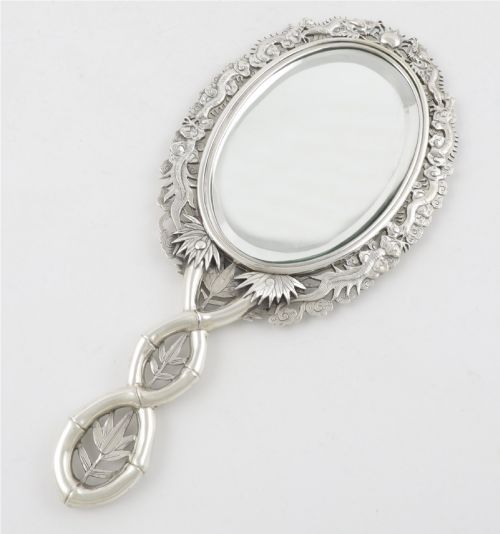
When you search for a vintage bamboo mirror, you encounter pieces spanning from the late nineteenth century into the early twentieth century. The selection includes wall mirrors, hall stands, and dressing table surrounds reflecting periods such as the Victorian and Edwardian eras.
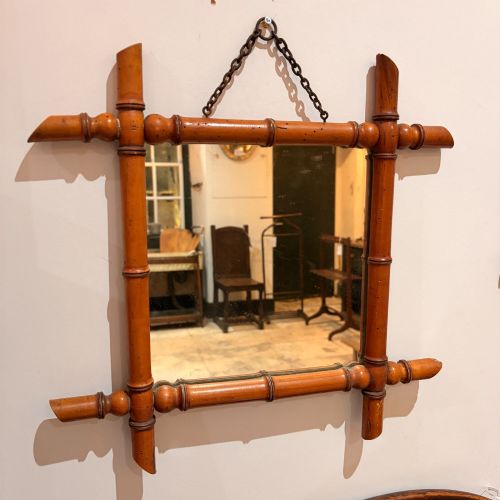
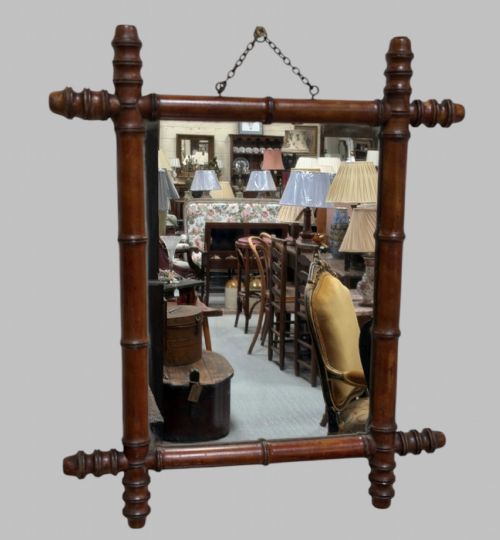
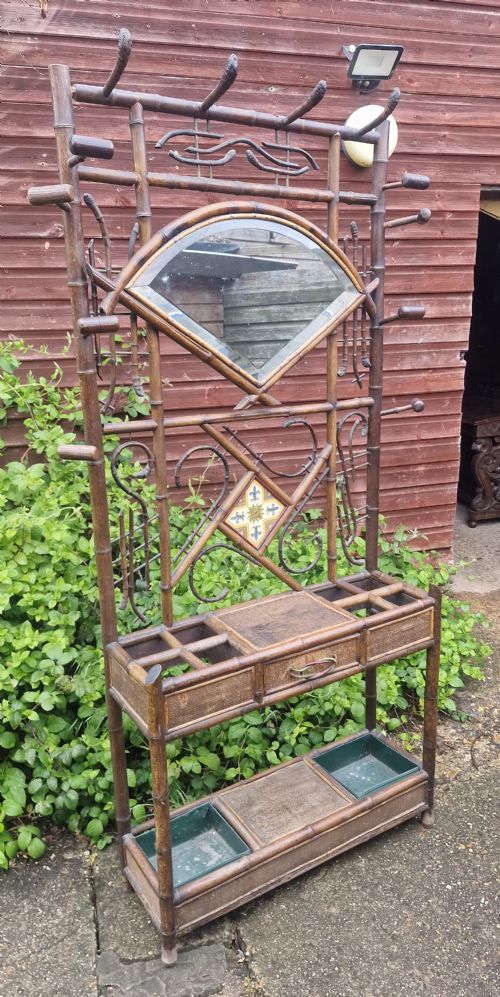
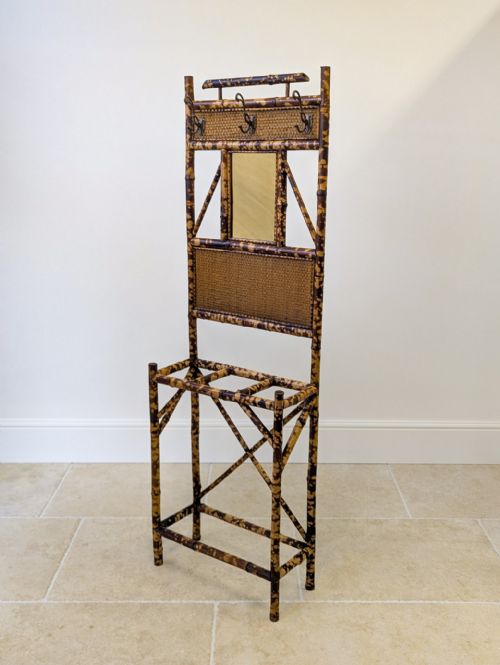
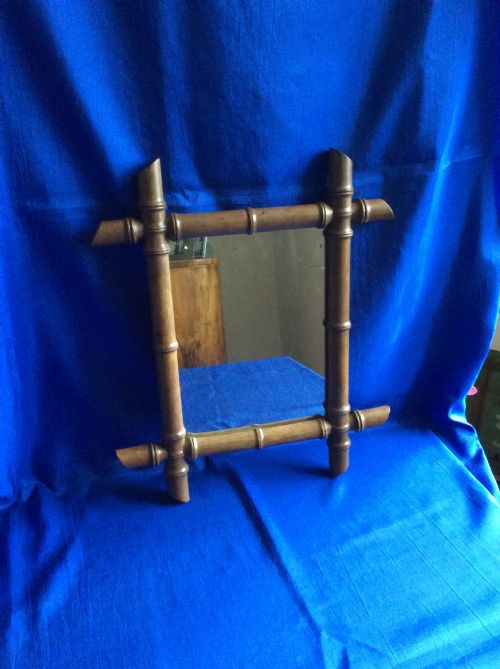
You are most likely to meet French faux bamboo wall mirrors alongside British Aesthetic Movement pieces. These items range from compact small wall hangings to larger hallstand integrations featuring glass, wood, and metal elements.
The styles encompass French Provincial, Italian Neoclassical, and French Art Deco alongside classic Victorian designs. Each piece delivers a distinct textural presence rooted in nineteenth-century craftsmanship and later interpretations.
How they were made
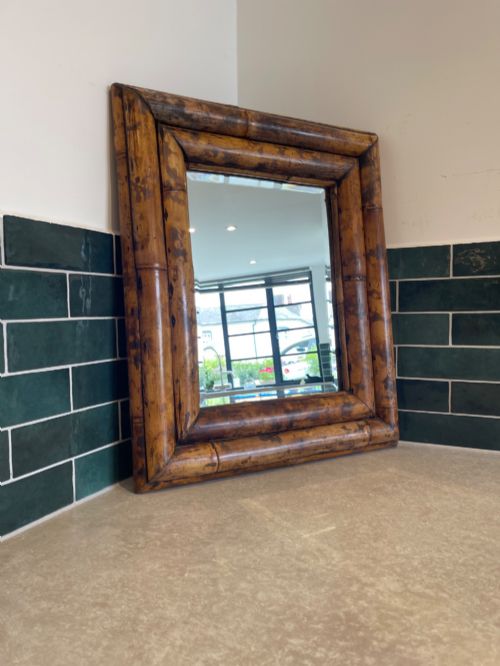
Makers utilised natural bamboo alongside turned beech or pine shaped to simulate bamboo culms. These wooden structures were often painted or lacquered to achieve a convincing faux finish.
Mirror glass is set within timber and bamboo frames, sometimes supported by metal brackets or backing panels. Carved wood details and panelled inserts frequently accompany the primary bamboo framework.
Vintage Bamboo Mirror Retail Price Guide 2026
Typical asking prices for vintage bamboo mirror among the pieces listed under this phrase on Sellingantiques today, from the lower quarter to the upper quarter. They describe what is for sale here now, not the wider market.
Current listings demonstrate materials spanning glass, natural bamboo, beech, pine, and carved wood across nineteenth-century and early twentieth-century periods.
What varies in quality
The standard of construction separates simpler utility items from more elaborate cabinetwork. Superior examples display precise jointing and robust framing that securely holds heavy mirror glass.
The finesse of the faux bamboo turning and the preservation of the original surface finish dictate the visual appeal. Original mirror plates showing honest ageing hold distinct character compared to later replacements.
The Vintage Bamboo Mirror Glossary
- Faux bamboo
- Simulated bamboo carved or turned from solid hardwoods such as beech or pine. This technique allowed cabinetmakers to achieve an exotic aesthetic using accessible European timbers.
- Aesthetic Movement
- A late nineteenth-century design movement emphasising beauty and craftsmanship over moral or narrative function. Pieces from this period often incorporate Japanese-inspired bamboo and lacquer effects.
- Hall stand
- A tall hallway furniture piece combining a mirror, coat hooks, and umbrella stands. Many examples incorporate bamboo framing around a central mirror glass.
- French Provincial
- A rural regional style adapted for domestic furniture and mirrors. It values practical charm and simpler decorative carving.
Vintage Bamboo Mirror: Frequently Asked Questions
What periods do these mirrors come from?
These pieces originate primarily from the late nineteenth century through to the early twentieth century. Common eras represented include the Victorian period and the Aesthetic Movement.
Later examples extend into the nineteen-twenties, incorporating French Art Deco and Italian Neoclassical influences while maintaining bamboo or faux bamboo frames.
Where were these mirrors placed historically?
Smaller wall mirrors were typically hung in bedrooms, drawing rooms, and corridors to reflect light and expand spatial perception. Larger variants formed part of hall stands and dressing tables.
In hallways, they served a functional daily purpose for checking attire before heading outside into the street.
How do I care for a vintage mirror?
Keep the frame away from direct sunlight and damp environments to protect the wood, paintwork, and original backing materials. Dust the bamboo joints gently with a dry cloth.
Clean the mirror glass with a soft cloth and a minimal amount of glass cleaner applied to the cloth rather than sprayed directly onto the surface.