



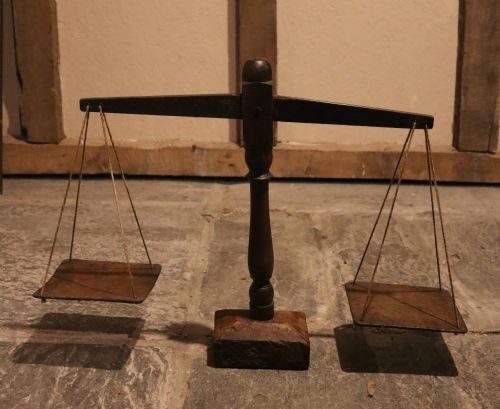


Vintage Balance Scale Pan
These vintage balance scale pan items offer sturdy utility and industrial character for contemporary interiors.
Vintage Balance Scale Pan
When you search for vintage balance scale pan items, you encounter functional components and complete weighing instruments originating from commercial and domestic settings. The pieces available span the nineteenth and early twentieth centuries, reflecting utilitarian trades from grocers to dairies.
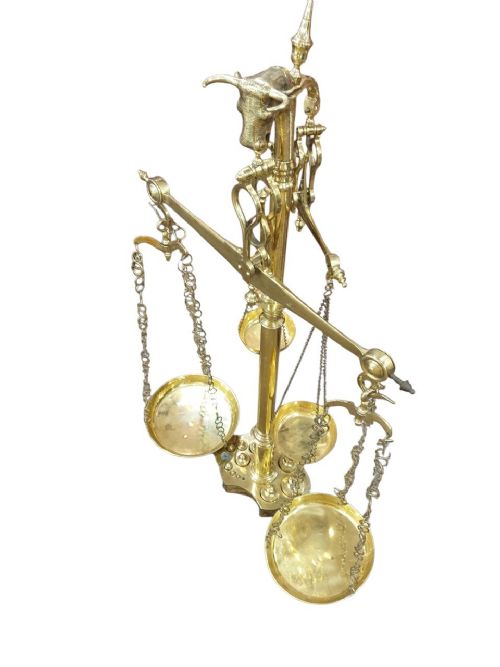
You are most likely to meet circular brass, copper, and ceramic pans that once served trade and kitchen use. These items bring robust materiality and honest historic function into modern spaces without needing restoration.
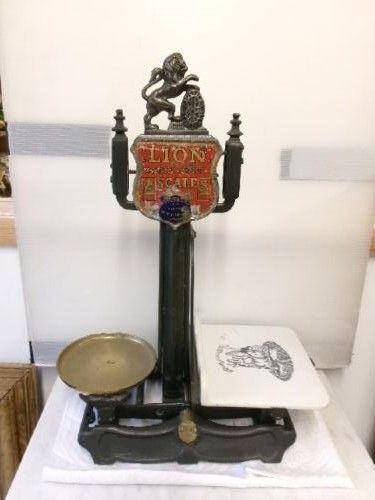
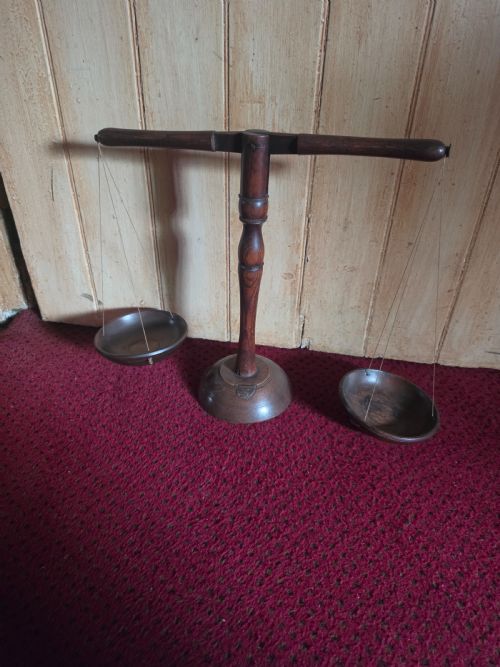
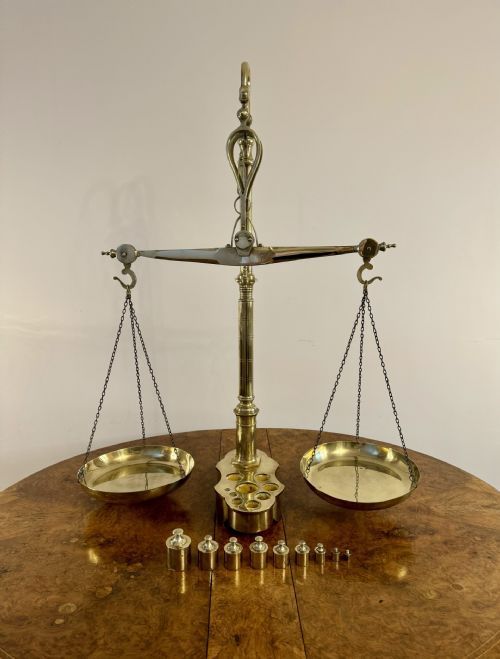
The selection ranges from simple Welsh treen and oak dairy examples to large Victorian shopkeeper scales with brass beams. Each form tells a direct story of manual measurement and regional trade.
How they were made
Makers utilised durable metals such as brass, cast iron, and copper to withstand daily commercial demands. These components were cast, beaten, and turned with straightforward workshop methods designed for longevity.
Wood elements like hardwood and oak appear alongside ceramic pans and string suspensions, showing traditional domestic craftsmanship. The construction prioritised mechanical balance and enduring utility over decorative excess.
Vintage Balance Scale Pan Retail Price Guide 2026
Typical asking prices for vintage balance scale pan among the pieces listed under this phrase on Sellingantiques today, from the lower quarter to the upper quarter. They describe what is for sale here now, not the wider market.
Listings combine brass, copper, and ceramic materials across Victorian, Edwardian, and eighteenth-century periods.
What varies in quality
The distinction between ordinary and exceptional examples rests upon the integrity of the materials and the prestige of the maker. Heavy brass beam assemblies and signed components demonstrate superior workshop standards.
Surface patination and the survival of original weights or suspension cords separate honest working survivals from altered items. Pieces retaining their matching pans and untouched patination hold greater historic weight.
Bartlett And Sons·De Grave And Co London·Fairbanks
The Vintage Balance Scale Pan Glossary
- Treen
- Small handmade wooden household objects carved from domestic timbers. This term covers treen scales found in rural Welsh contexts.
- Beam scale
- A weighing device utilising a central fulcrum and suspended pans at either end. These beams are frequently cast in brass or iron.
- Kitchenalia
- Utilitarian objects and implements used in domestic food preparation. Scale pans and dairy scales fall naturally into this category.
- Vernacular
- Architecture and objects built by local craftspeople using traditional regional methods. Georgian vernacular pieces reflect unpretentious local design.
Vintage Balance Scale Pan: Frequently Asked Questions
What were vintage balance scale pans used for?
These pans served merchants, grocers, and dairies for weighing dry goods, produce, and dairy items accurately during daily trade.
They functioned as the primary weighing surface on beam scales before digital measurement became standard in commerce.
How do I clean a brass scale pan?
Maintenance typically involves dusting and gentle cleaning with a soft cloth to preserve the historic surface patination.
Aggressive metal polishes strip away the aged character that collectors and enthusiasts value on nineteenth-century pieces.
Are these scale pans still accurate for weighing?
Most survive as decorative objects rather than calibrated instruments due to centuries of wear and tear.
While the metal construction remains sturdy, the balance points and suspensions rarely maintain precise commercial calibration today.
How can I date an antique scale?
Dating relies upon identifying the metal types, manufacturing stamps, and stylistic details typical of Victorian or Edwardian workshop production.
Makers' marks and regional timber use provide additional clues for placing an item within the eighteenth or nineteenth century.