





Vintage Baby Cup
These silver vessels known as a vintage baby cup mark early milestones with enduring metal and domestic tradition.
Vintage Baby Cup
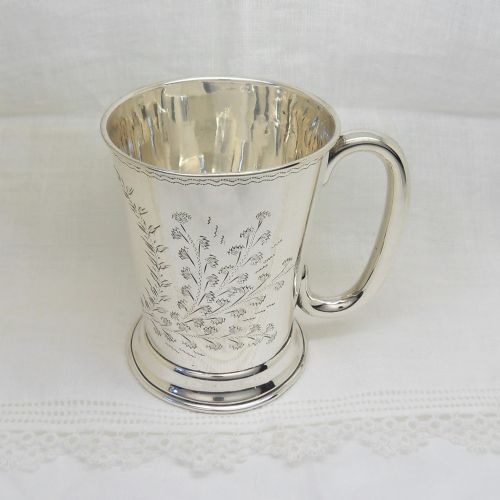
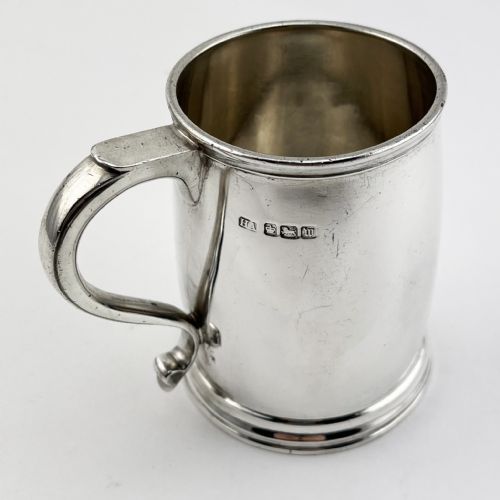
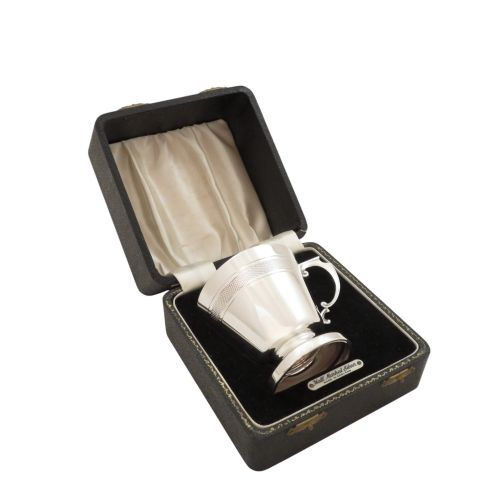
A vintage baby cup represents a traditional gift of solid metal designed for christenings, births, and early childhood milestones. These vessels take the form of small tankards, baluster mugs, porringers, and complete boxed sets.
The pieces appearing on this page span several decades and stylistic movements, reaching from the nineteenth century through the Edwardian period and into the mid-twentieth century. Most examples function as drinking vessels or small bowls, often housed in fitted presentation cases lined with silk or velvet.
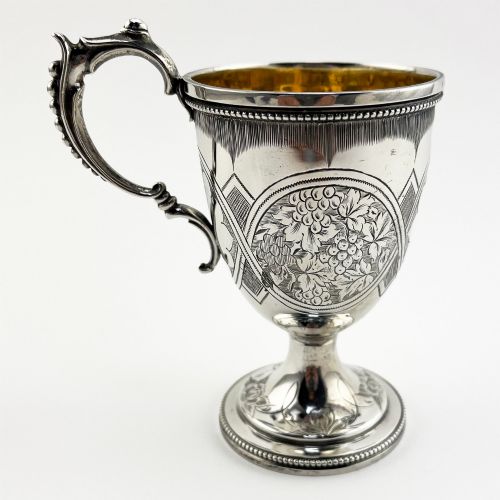
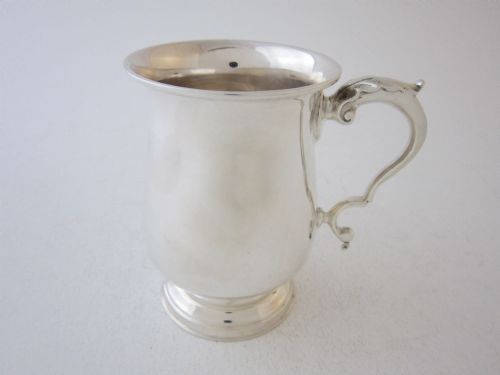
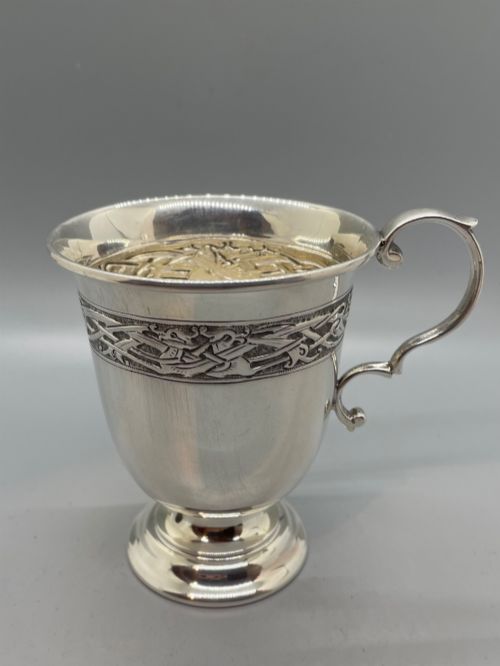
Mug shapes dominate the selection, featuring decorative scroll handles, simple cylindrical bodies, and occasional rococo revival flourishes. Makers from Birmingham, Chester, and London contributed to this tradition using sterling silver and silver gilt.
How they were made
Silversmiths constructed these vessels primarily using solid sterling silver, occasionally applying interior gilt finishes to create a contrasting golden sheen. Workshops employed traditional hammering and spinning techniques to shape the metal into sturdy tankards and round bowls.
Handles often display cast rococo scroll work or simple looped designs, securely attached to the main body by soldering. Protective presentation boxes utilised rigid leather exteriors paired with fitted interiors of plush velvet and silk to cradle the silver securely.
Vintage Baby Cup Retail Price Guide 2026
Typical asking prices for vintage baby cup among the pieces listed under this phrase on Sellingantiques today, from the lower quarter to the upper quarter. They describe what is for sale here now, not the wider market.
Some tiny cups retain faint, endearing traces of long-ago porridge long after the christening cake has vanished.
What varies in quality
Subtleties in wall thickness and handle casting separate standard production items from finer studio works. Heavier gauge silver provides a reassuring weight in the hand and resists dents sustained during handling.
The clarity of hallmarks and the precision of decorative chasing determine the standard of craftsmanship. Exceptional pieces demonstrate crisp detailing on scroll handles and balanced proportions across the baluster form.
Joseph Gloster·R E Stone·Tiffany & Co
The Vintage Baby Cup Glossary
- Sterling Silver
- An alloy consisting of pure silver and other metals, traditionally copper, standardly used for durable domestic plate and hollowware. This standard ensures long-lasting structural integrity for items intended as keepsakes.
- Porringer
- A small, shallow bowl furnished with one or two flat horizontal handles, utilised historically for porridges and broths. These forms appear occasionally in child-specific metalwork.
- Baluster Form
- An architectural silhouette featuring a rounded lower body that tapers upward toward a flared rim, resembling a classical stair baluster. This curved profile remains popular on mugs from the nineteenth and early twentieth centuries.
- Silver Gilt
- Silver that has been coated with a thin layer of gold on its interior or exterior surfaces. This technique adds a warm decorative contrast and protects the underlying metal from certain beverages.
Vintage Baby Cup: Frequently Asked Questions
How do I date these silver mugs?
Assay office hallmarks stamped directly onto the silver provide precise chronological markers, identifying the city of testing and the specific year of production. Stylistic details such as rococo scroll handles or clean mid-century lines offer additional clues to the era of manufacture.
Matching the maker's mark against historical records confirms the workshop origin and narrows the timeframe further.
Were these cups actually used by children?
Many examples served a dual purpose as actual drinking vessels and formal presentation pieces meant for display. The presence of interior silver gilt on certain specimens helped protect the metal from acidic liquids.
Boxed sets often survived in pristine condition because recipients stored them away safely rather than placing them into daily service.
How should I care for silver christening mugs?
Regular gentle dusting and occasional cleaning with a specialist silver cloth maintain the natural lustre of the metal without harming historical surfaces. Avoiding harsh abrasive pastes preserves delicate chased details and maker stamps.
Storing pieces away from direct sunlight and damp environments prevents tarnishing and protects any original velvet or silk box linings.