
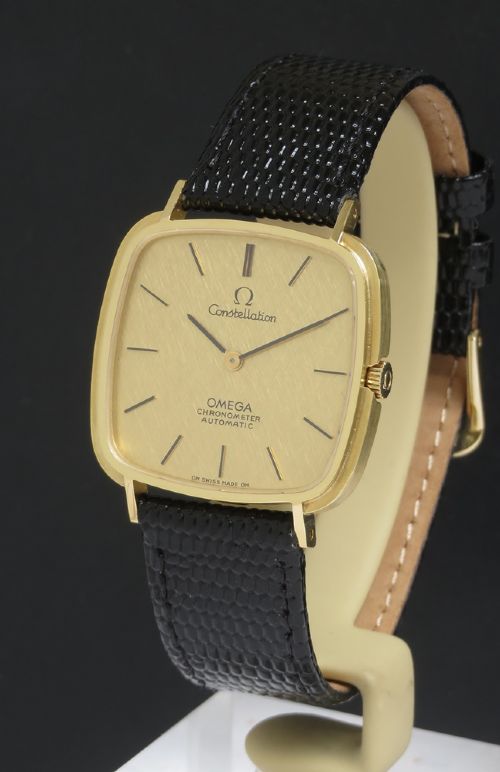
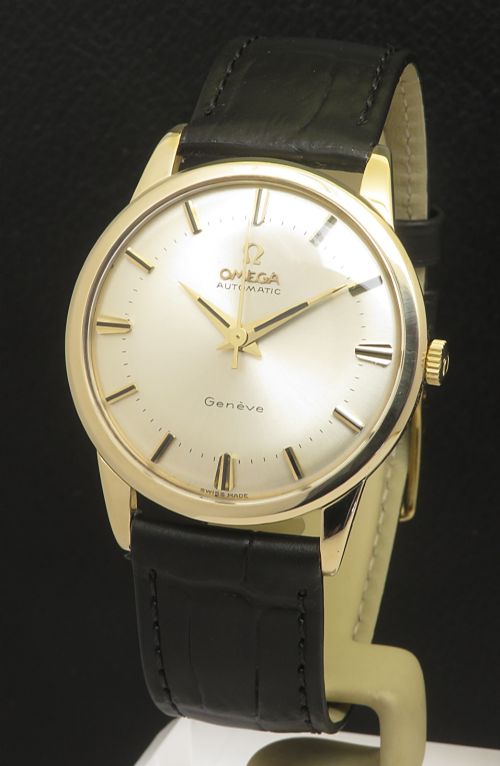
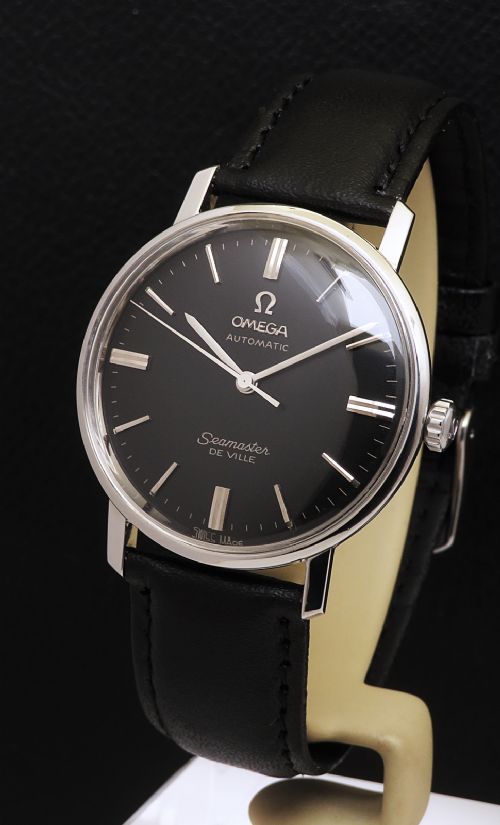
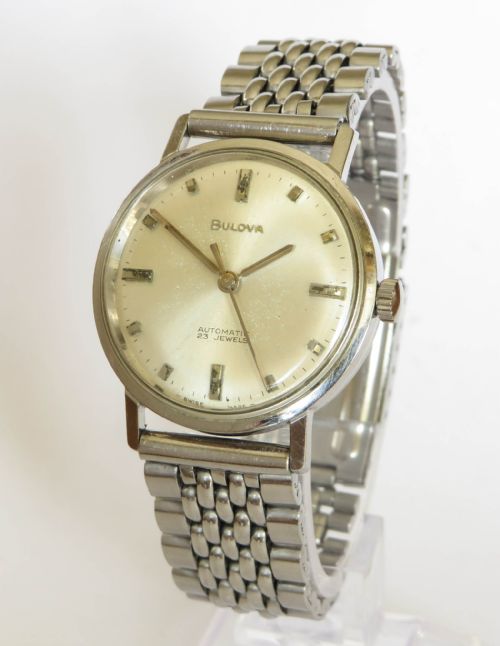
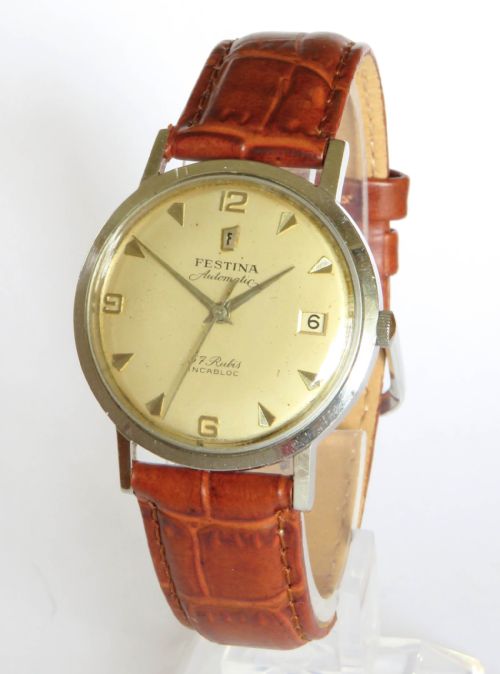
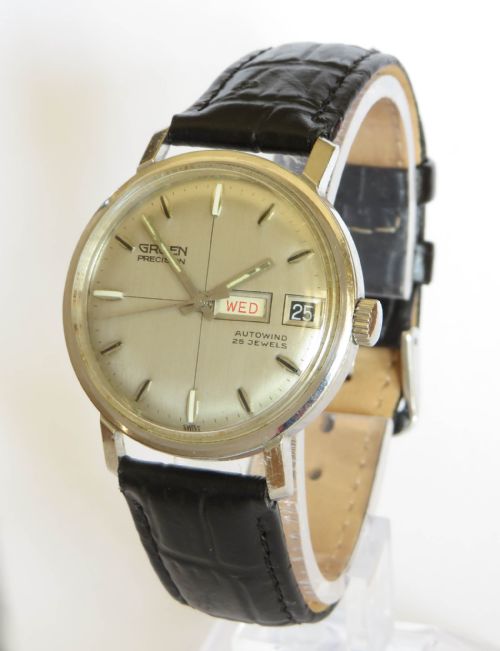
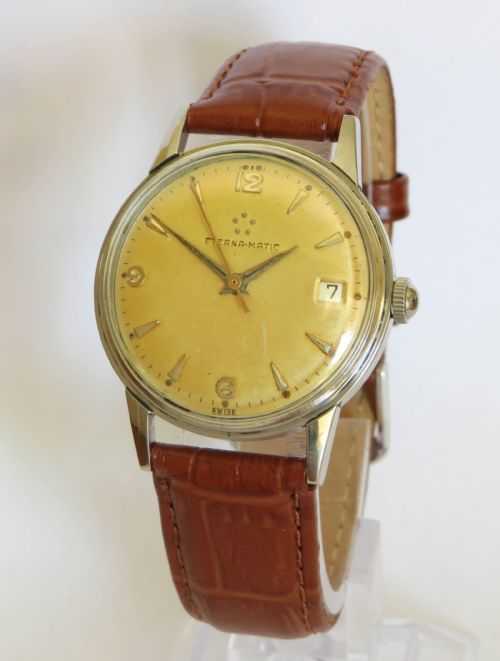
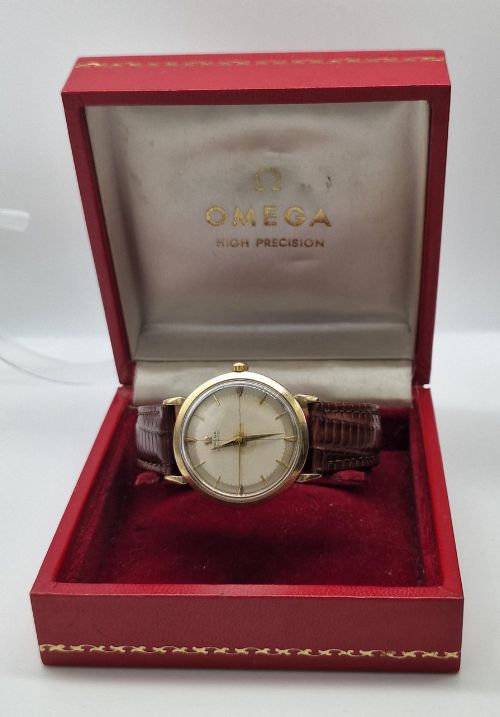
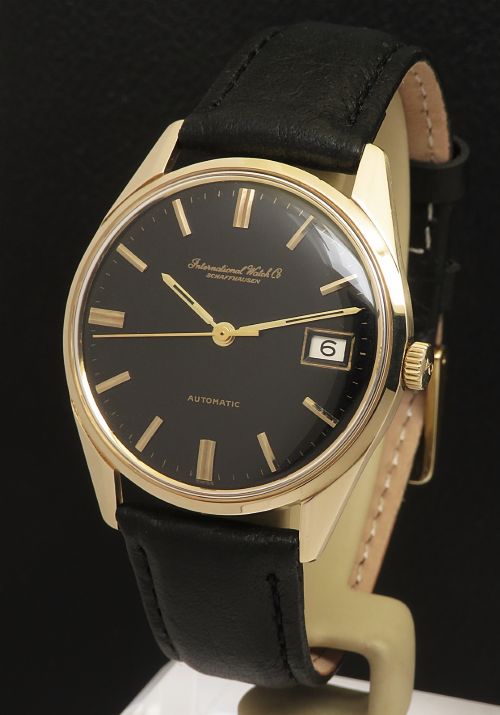
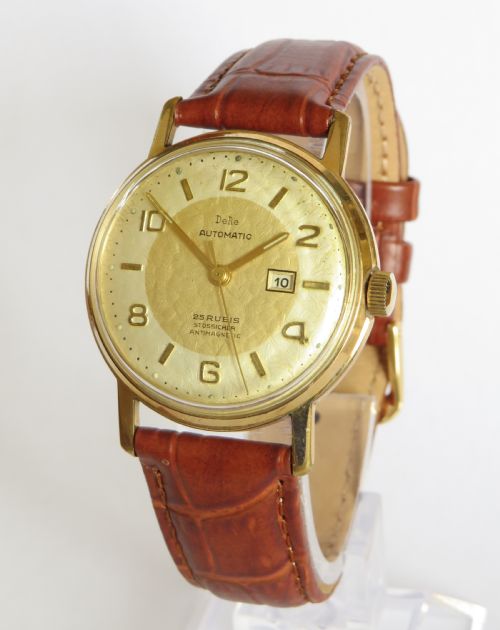
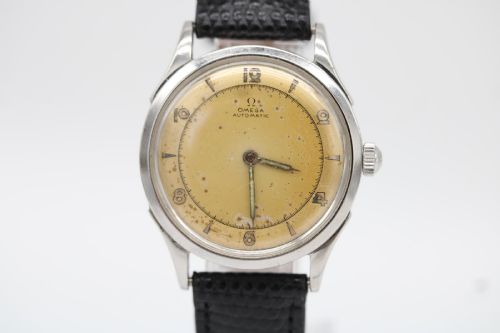
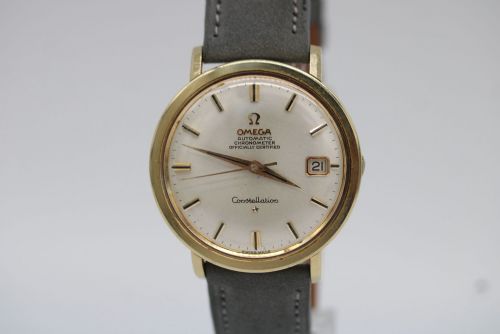
Vintage Automatic Dress Watch
A vintage automatic dress watch brings mechanical self-winding precision to mid-century tailoring, offering wristwatches shaped by the 1940s, 1950s, and 1960s.
Vintage Automatic Dress Watch
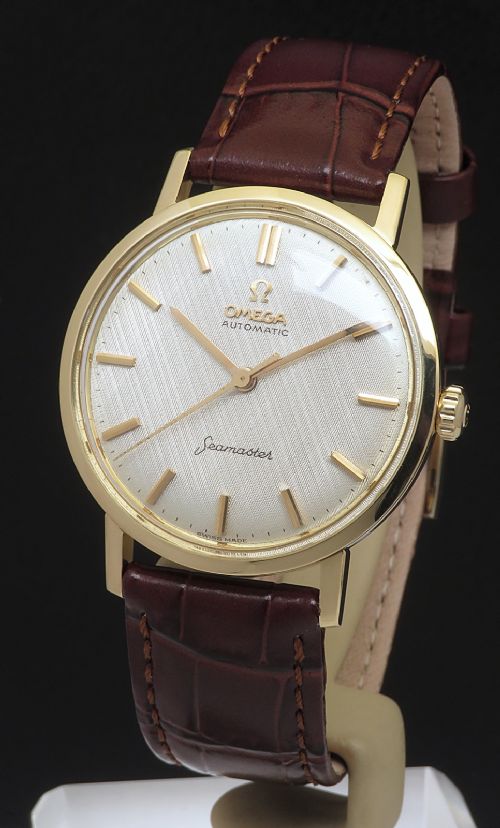
A vintage automatic dress watch is a mechanical wristwatch driven by the movement of the wearer's wrist rather than manual winding. These pieces span mid-century horology, encompassing mid-century modern and 1960s modern styles designed for formal or daily wear.
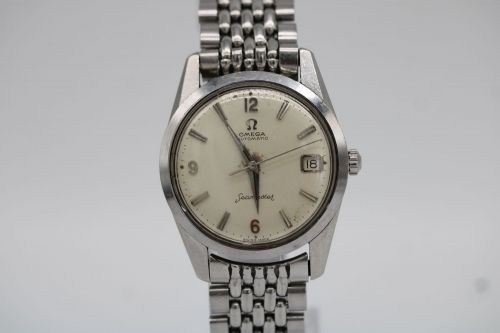
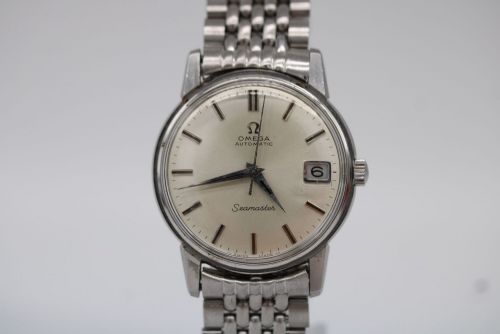
Most examples originate from the 1940s, 1950s, and 1960s, a period when manufacturers refined self-winding calibres. The selection includes wristwatches housed in stainless steel, gold-plated cases, solid 9ct gold, and solid 18ct gold.
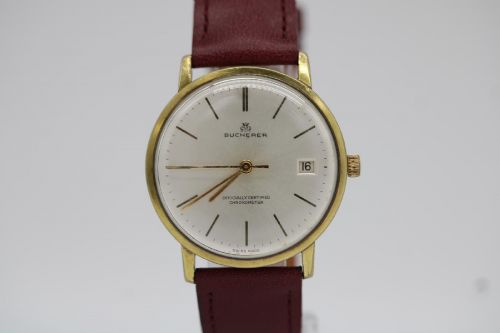
Buyers encounter forms ranging from simple time-only models to date displays and chronometer-certified pieces. Mid-century luxury variants often feature refined dials, such as honeycomb or champagne finishes, paired with leather straps.
Materials and construction methods
Cases utilise precious metals like solid 9ct gold and 18ct gold alongside stainless steel and gold plate, protecting the internal mechanical movements. Crystals fashioned from acrylic or acrylic glass cover the dials, maintaining the curved profiles typical of mid-century design.
Internal mechanisms rely on self-winding calibres, including early bumper automatic systems and rotor-driven movements. Dials incorporate applied markers and printed scales, while external fixtures pair with leather straps to complete the construction.
Some mid-century movements gently tap the wrist like a tiny mechanical heartbeat with every step.
Distinctions in craftsmanship and condition
Quality separates mass-produced movements from chronometer-grade calibres adjusted for precision across multiple positions. The weight and purity of the case material, moving from gold plate to heavy solid 18ct gold, mark distinct tiers in production.
The degree of original preservation, including untouched dials, matching hands, and factory finishes, dictates the standing of an individual wristwatch. Inclusion of period documentation, original boxes, and signed buckles elevates the completeness of the piece.
Omega·Bulova·Festina·Gruen·Eterna Matic·IWC·Bucherer·Avia·Tissot·Longines·Baume Bimatic·Prisma·Wittnauer·Consul·Tudor
The Vintage Automatic Dress Watch Glossary
- Automatic
- A self-winding mechanical movement that uses a weighted rotor to wind the mainspring through natural wrist motion. This system eliminates the need for daily manual winding.
- Bumper automatic
- An early self-winding mechanism where the oscillating weight swings back and forth against spring bumpers rather than rotating fully. Collectors prize this mid-century technical stage.
- Calibre
- The specific internal mechanical movement manufactured for a wristwatch. Each calibre designates a distinct structural design created by the maker.
- Chronometer
- A high-precision mechanical watch that has passed rigorous accuracy tests conducted by an official observatory. These movements represent the peak of mid-century timing performance.
- Gold plate
- A base metal case covered with a bonded layer of gold. This technique offered the visual appeal of solid gold at a lower production cost.
Vintage Automatic Dress Watch: Frequently Asked Questions
How do I wind an automatic watch?
An automatic watch winds itself through the natural motion of your arm while worn during the day. If the watch has stopped entirely, give the crown a few manual turns to jump-start the movement before wearing it.
Unlike manual-wind models, automatic calibres feature a slipping bridle on the mainspring to prevent over-winding. Regular daily wear keeps the internal rotor moving and maintains a continuous power reserve.
What is a bumper movement?
A bumper movement is an early type of automatic winding mechanism used during the 1940s and 1950s. Instead of spinning in a full circle, the weighted rotor swings back and forth against internal springs.
Wearers can often feel a gentle tap or knock on the wrist when the oscillating weight hits the bumper springs. This distinct tactile feedback identifies the vintage mechanical era of the watch.
Are these watches waterproof?
Vintage dress watches were generally not built for deep water immersion or swimming. Gaskets, crystals, and crown seals degrade over decades, losing their original resistance to moisture.
It is safest to keep these wristwatches away from water, heavy rain, and high humidity. Regular servicing by a watchmaker can renew seals, but vintage pieces remain unsuited for modern aquatic use.
How do I read a vintage watch reference number?
Reference numbers stamped inside the case back or on the exterior identify the specific model, case material, and production design. Manufacturers used these codes to catalogue their inventory and match replacement parts.
Comparing the reference number against historical factory archives helps confirm the production era and original configuration of the watch. Not every mid-century model bears an exterior case number, as many makers placed them on the interior surface instead.