





Vintage Atomiser Spray
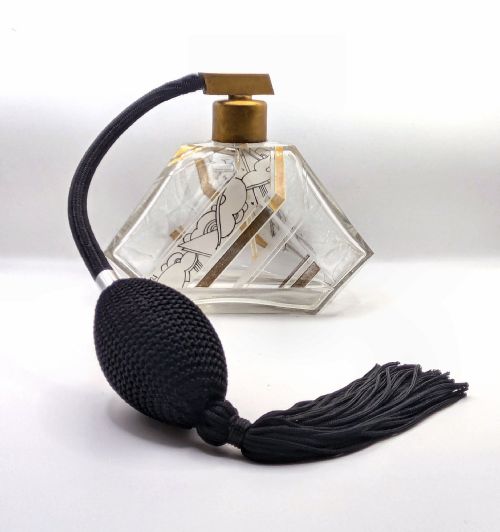
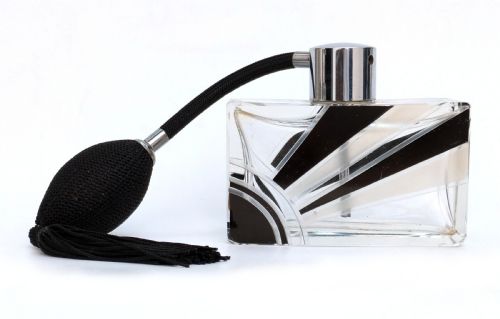
These vintage atomiser spray pieces are Art Deco scent bottles that bring dressing table elegance to your home.
Vintage Atomiser Spray
A vintage atomiser spray is a dressing table accessory designed to mist perfume, predominantly appearing in distinct Art Deco forms from the 1920s and 1930s. You will most frequently encounter cut glass and crystal bottles paired with metal hardware.
The selection includes French and Bohemian Czech examples, alongside specific pieces featuring stands and specialised designs.
These items serve as decorative vanity objects that reflect the distinct geometric and sunray motifs of the interwar period.
How they were made
Makers shaped glass and crystal through pressing and cutting techniques to create faceted bodies and frosted surfaces. These glass reservoirs were then fitted with metal mounts in chrome and brass.
Early twentieth-century manufacturing also incorporated synthetic materials like Bakelite alongside traditional woven fabric components for the bulb mechanisms.
Vintage Atomiser Spray Retail Price Guide 2026
Typical asking prices for vintage atomiser spray among the pieces listed under this phrase on Sellingantiques today, from the lower quarter to the upper quarter. They describe what is for sale here now, not the wider market.
Some bottles come perched on their own dedicated stands, proving that 1930s perfume took its architectural elevation very seriously indeed.
What varies in quality
The distinction between standard production and top-tier work rests on the clarity of the glass, the precision of the cut crystal patterns, and the integration of specialised stands. Named designers and attributed European workshops introduce greater artistic ambition to the moulding and finishing.
Subtle variations in metal plating, enamel detailing, and the complexity of the frosted glass motifs separate basic vanity bottles from exceptional examples.
Karl Palda·Rudolf Hlousek·René Lalique·Hermanova
The Vintage Atomiser Spray Glossary
- Art Deco
- A design style spanning the 1920s and 1930s characterised by geometric shapes, streamlined forms, and sunray motifs. It dominates the aesthetics of these vanity items.
- Atomiser
- A device used to turn liquid perfume into a fine mist via a spray mechanism. These typically utilise a bulb and tube assembly attached to the bottle neck.
- Bohemian Glass
- Glassware produced in the regions of Bohemia, now part of the Czech Republic, known for skilled cutting and coloured glass production.
- Frosted Glass
- Glass treated to create a textured, opaque surface finish. This technique diffuses light and highlights moulded decorative reliefs on perfume bottles.
- Bakelite
- An early form of synthetic plastic used for decorative caps and fittings. Its presence helps date objects to the early twentieth century.
Vintage Atomiser Spray: Frequently Asked Questions
What is a vintage atomiser spray?
A vintage atomiser spray is a vanity bottle equipped with a mechanism to disperse perfume as a fine mist. These pieces date primarily from the 1920s and 1930s.
They combine glass reservoirs with metal mounts and often feature distinct Art Deco styling.
How do I date these perfume bottles?
Dating relies on stylistic markers such as geometric Art Deco cuts, sunray motifs, and the use of materials like Bakelite and chrome. Pieces often originate from the interwar period.
Maker attributions and known production eras further clarify the timeline of individual items.
Where were these pieces made?
Many examples originate from France and Bohemian Czech workshops known for advanced glass production. Major designers and regional factories shaped the market during the 1920s and 1930s.
European glassworks produced both standard vanity items and high-end artistic pieces.
How should I display them?
These bottles suit placement on dressing tables, vanity trays, or glass-fronted display cabinets where their cut glass and metal details catch the light. Stand-mounted versions work well as focal points.
Keep them away from direct sunlight and handle the delicate glass bodies and spray mounts with care.