





Vintage Arts Crafts Decor
Vintage arts crafts decor encompasses handcrafted objects from the late nineteenth and early twentieth centuries that bring distinctive period character to any interior.
Vintage Arts Crafts Decor
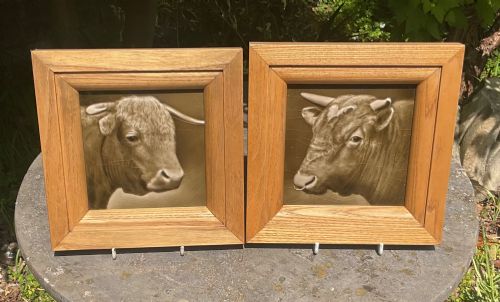
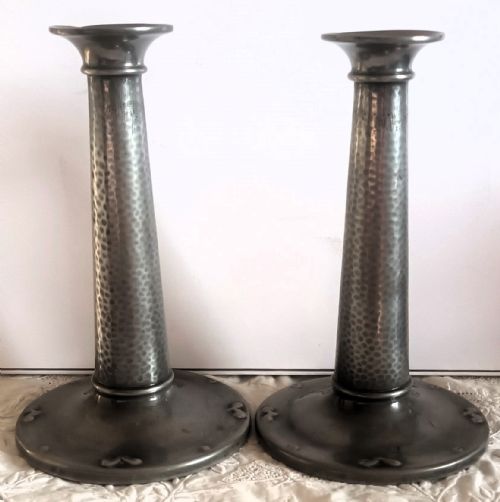
When buyers search for vintage arts crafts decor, they encounter a diverse selection of domestic items spanning the late Victorian, Edwardian, and early twentieth-century periods. These pieces include metalwork candlesticks, pottery vases, framed tiles, and leather sculptures created during the height of the movement and adjacent stylistic revivals.
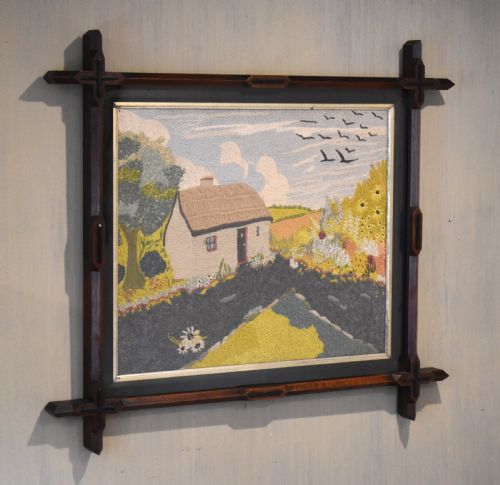
The objects on this page reflect the broad material culture of the era, moving from functional fireside boxes and bookends to purely decorative wall art and needlework pictures. Most examples align with the core Arts and Crafts ethos, though related pieces from the Art Deco period and maritime folk art tradition also appear.
Shoppers will frequently find items utilising pewter, oak, earthenware, and copper, demonstrating the heavy reliance on honest, tactile materials championed by makers of the time. These domestic furnishings offer a tangible connection to early twentieth-century craftsmanship and design philosophies.
Materials and construction methods
Makers utilised durable base metals such as pewter and copper, often shaping them by hand to create domestic items like candlesticks and fireside boxes with visible tool marks. Enamel insets and floral glazes were frequently applied to metalwork and pottery to add subtle colour and visual contrast.
Natural organic materials played a central role, with solid oak carved for structural items and moulded leather fashioned over armatures to produce detailed animal sculptures. Stoneware and earthenware bodies were shaped and finished with specialised glazes, whilst textiles were utilised for intricate needlework pictures.
Vintage Arts Crafts Decor Retail Price Guide 2026
Typical asking prices for vintage arts crafts decor among the pieces listed under this phrase on Sellingantiques today, from the lower quarter to the upper quarter. They describe what is for sale here now, not the wider market.
Object forms range from functional bookends and fireside boxes to sculptural models of animals and framed ceramic tiles.
Assessing craftsmanship and execution
Quality in these pieces rests upon the crispness of the hand-finishing, whether in the precision of the metal worker's hammering, the depth of the ceramic glaze, or the anatomical accuracy of a leather model. Superior examples display a confident handling of the material that elevates standard utilitarian objects into notable works of design.
The integration of decorative elements such as enamel cabochons or hand-painted floral décor distinguishes finer productions from simpler commercial output. Well-preserved surfaces retain their original patination and integrity, showing minimal intervention over the decades.
Archibald Knox·Liberty and Co·Royal Doulton Lambeth·Sherwin and Cotton·Wemyss
The Vintage Arts Crafts Decor Glossary
- Pewter
- A malleable metal alloy composed chiefly of tin, often utilised during the period for domestic tableware and decorative candlesticks.
- Earthenware
- Porous pottery fired at lower temperatures, commonly seen in glazed vases and decorative wall tiles from the era.
- Slater's Patent
- A ceramic manufacturing technique involving lace pressed into clay to create textured surfaces beneath coloured glazes.
- Tudric
- The trade name used by Liberty & Co. for their range of pewterware produced during the early twentieth century.
- Needlework
- Stitched textile art created using yarn or thread upon a canvas ground to form pictorial wall decorations.
Vintage Arts Crafts Decor: Frequently Asked Questions
What defines arts and crafts decor?
Arts and crafts decor encompasses handmade domestic objects that celebrate natural materials, honest construction, and simplicity of form over mass-produced ornamentation. These items originate predominantly from the late nineteenth and early twentieth centuries.
The aesthetic values craftsmanship and visible human labour, resulting in pieces like hammered metal candlesticks, glazed pottery, and carved woodwork that remain functional and decorative.
How do I date these items?
Dating typically relies on stylistic indicators, material composition, and any associated maker marks or registry numbers stamped into the base of metal or ceramic objects. Pieces from this movement often align with specific design revivals spanning from the late Victorian era through the nineteen-thirties.
Comparing construction techniques and decorative motifs with documented examples helps establish the likely production decade.
How were pewter candlesticks used?
Pewter candlesticks served as practical domestic lighting sources in homes before widespread electric illumination, placed on tables, mantels, or carried between rooms. Their substantial weight provided stability when holding burning wax tapers.
In later decades, many of these metal items transitioned into purely decorative interior objects displayed for their craftsmanship and historic appeal.
How do I care for leather sculptures?
Leather models require stable indoor humidity away from direct sunlight and excessive heat sources to prevent the organic hide from drying out or cracking over time. Gentle dusting with a soft, dry cloth is usually sufficient for routine maintenance.
Avoid applying liquid cleaners or moisture directly onto vintage leather surfaces unless advised by a professional conservator.
What is Tudric pewter?
Tudric was a brand name introduced by Liberty & Co. for their distinctive range of decorative pewterware, often featuring Celtic Revival motifs and enamel insets. This line collaborated with talented designers to produce affordable art metalwork for the domestic market.
Pieces bearing this mark are identifiable by specific pattern numbers stamped into the metal alongside the brand stamp.